

In the evolving language of contemporary interiors, color has long dominated conversations about style and identity. Yet, as global design sensibilities mature and visual saturation reaches new heights, a quieter—but far more powerful—element is taking precedence: texture. Across contemporary interiors, from private residences to flagship hospitality projects, tactile design has emerged as a defining force, shaping how spaces are experienced rather than merely how they appear.
For architects, interior designers, and discerning clients alike, texture offers a richer, more enduring vocabulary than color alone. It speaks to craftsmanship, material honesty, and emotional resonance—values increasingly central to luxury interiors. In a world where trends travel instantly and palettes change seasonally, texture anchors design in timelessness, depth, and human connection.
The Shift from Visual to Sensory Design
Design today is no longer judged solely by its visual impact. The most compelling contemporary interiors engage multiple senses, inviting touch, movement, and emotional response. This shift reflects broader cultural changes: a renewed appreciation for authenticity, slowness, and material intelligence.
While color communicates quickly, texture communicates deeply. It reveals itself gradually—through light, shadow, and physical interaction. A hand-brushed oak surface, a handwoven textile, or a softly honed stone floor cannot be fully understood at a glance. They require proximity, presence, and time.
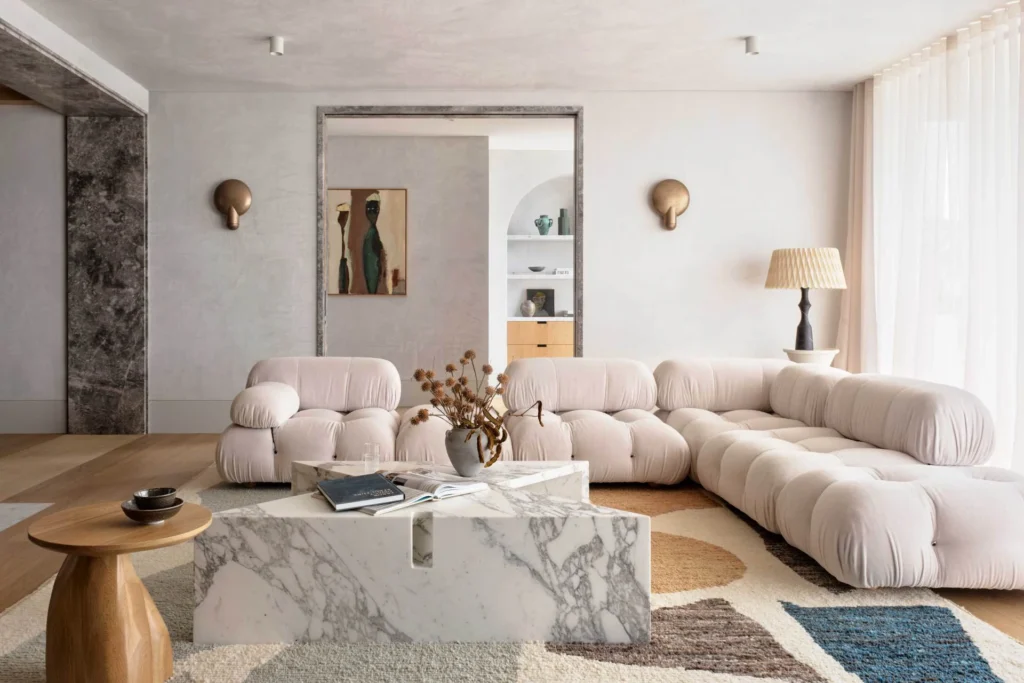
Why Color Alone Is No Longer Enough
Color trends evolve rapidly, often driven by digital culture and social media. What feels fresh today may feel dated tomorrow. Texture, by contrast, transcends trend cycles. It is rooted in material quality and craft, qualities that age gracefully and gain character over time.
- Color stimulates the eye; texture engages the body.
- Texture adds dimension even within monochromatic schemes.
- Material tactility creates emotional comfort and spatial intimacy.
Tactile Design as a Marker of Luxury
In luxury interiors, value is increasingly defined not by ornamentation but by experience. Tactile design plays a critical role in this evolution. High-net-worth individuals and design professionals alike recognize that true luxury lies in subtlety, restraint, and sensory richness.
Fine textures signal investment—in time, in expertise, and in materials. A boucle-upholstered seating piece, a limewashed wall, or a sculptural plaster ceiling communicates discernment more effectively than bold color statements ever could.
Material Choices That Define Contemporary Interiors
The most refined contemporary interiors rely on a curated palette of tactile materials. These materials are selected not only for their appearance but for how they respond to light, touch, and use over time.
- Natural stone with honed or brushed finishes
- Solid woods showcasing grain and irregularity
- Textiles such as wool, linen, and mohair
- Hand-applied plaster and mineral-based wall finishes
- Leather with natural patina rather than high gloss
Each of these materials contributes to a layered sensory narrative, reinforcing the depth and authenticity expected in luxury interiors.
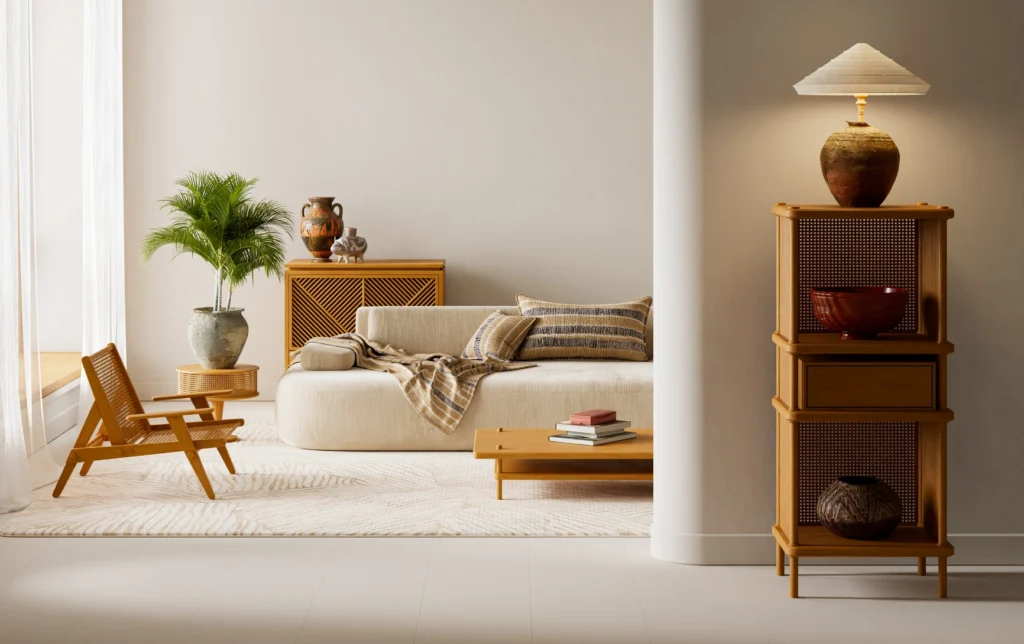
Texture as an Architectural Tool
Beyond decoration, texture functions as an architectural element. It defines zones, modulates acoustics, and influences spatial perception. In open-plan environments—a hallmark of contemporary interiors—texture becomes essential for creating hierarchy and intimacy without physical barriers.
A ribbed wood wall can subtly separate living and dining areas. A textured rug can ground a seating arrangement. A softly corrugated surface can animate a corridor through shifting light. These interventions enrich space without visual noise.
Light, Shadow, and Surface Interaction
Texture comes alive through light. Natural and artificial lighting reveal the true character of materials, emphasizing relief, grain, and imperfection. Designers increasingly favor matte, absorbent surfaces precisely because they interact with light in nuanced ways.
The Emotional Intelligence of Tactile Design
Texture speaks directly to emotion. Neuroscience confirms what designers have long understood intuitively: tactile environments influence mood, stress levels, and well-being. Soft, irregular, and natural textures promote calm, while overly smooth or synthetic surfaces can feel cold or impersonal.
This insight is reshaping luxury interiors, particularly in residential, hospitality, and wellness-focused projects. Homes are no longer conceived as static showcases but as restorative environments designed to support daily life.
Texture and the Psychology of Comfort
Comfort is not merely physical—it is psychological. Tactile design fosters a sense of safety and belonging, qualities increasingly prized in contemporary interiors.
- Layered textures create visual and emotional depth.
- Natural materials connect occupants to the environment.
- Handcrafted surfaces convey human presence and care.
These qualities are especially relevant for international clients who seek interiors that feel grounded, personal, and culturally resonant, regardless of location.
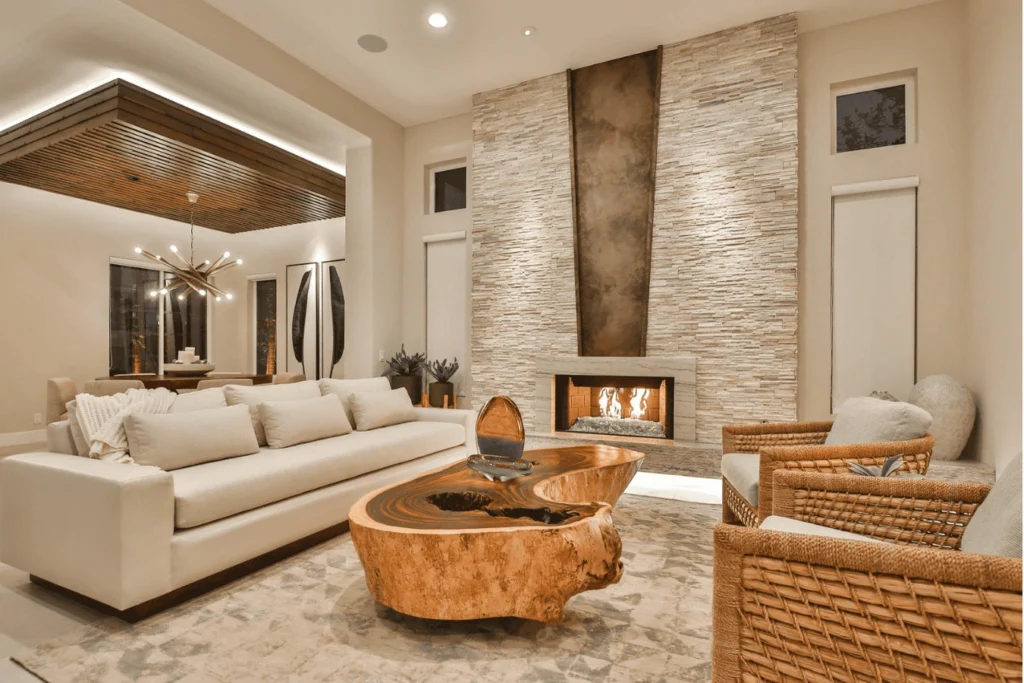
Monochrome Palettes, Maximum Impact
One of the most compelling arguments for prioritizing texture over color is the success of monochromatic interiors. When color is restrained, texture assumes the leading role, transforming simplicity into sophistication.
In contemporary interiors, neutral palettes—ivory, sand, stone, charcoal—serve as a canvas for tactile expression. Variation is achieved through surface treatment rather than hue, resulting in spaces that feel cohesive yet dynamic.
Designing with Restraint and Intention
Restraint requires confidence. Designers who rely on texture demonstrate a deep understanding of proportion, materiality, and composition. The result is an interior that feels calm, deliberate, and enduring.
- Textured walls replace decorative color blocking.
- Layered fabrics introduce softness without visual clutter.
- Material contrast creates interest within a unified palette.
Texture and Sustainability in Contemporary Interiors
Sustainability is no longer optional; it is integral to design excellence. Texture-driven design aligns naturally with sustainable principles, favoring durable, natural, and responsibly sourced materials over short-lived finishes.
In luxury interiors, longevity is the ultimate form of sustainability. Materials that age beautifully reduce the need for replacement and renovation, preserving both resources and design integrity.
Timelessness as a Sustainable Strategy
By emphasizing texture, designers create interiors that resist obsolescence. A well-crafted stone floor or a solid wood panel will outlast countless color trends, reinforcing the long-term value of thoughtful material selection.
This approach resonates strongly with global clients who prioritize quality, heritage, and environmental responsibility alongside aesthetics.
The Future of Tactile Design
As contemporary interiors continue to evolve, the importance of texture will only deepen. Advances in material innovation, craftsmanship revival, and cross-cultural design exchange are expanding the possibilities of tactile expression.
From digitally fabricated surfaces to renewed interest in artisanal techniques, texture bridges past and future, technology and tradition. It offers designers a language that is both progressive and profoundly human.
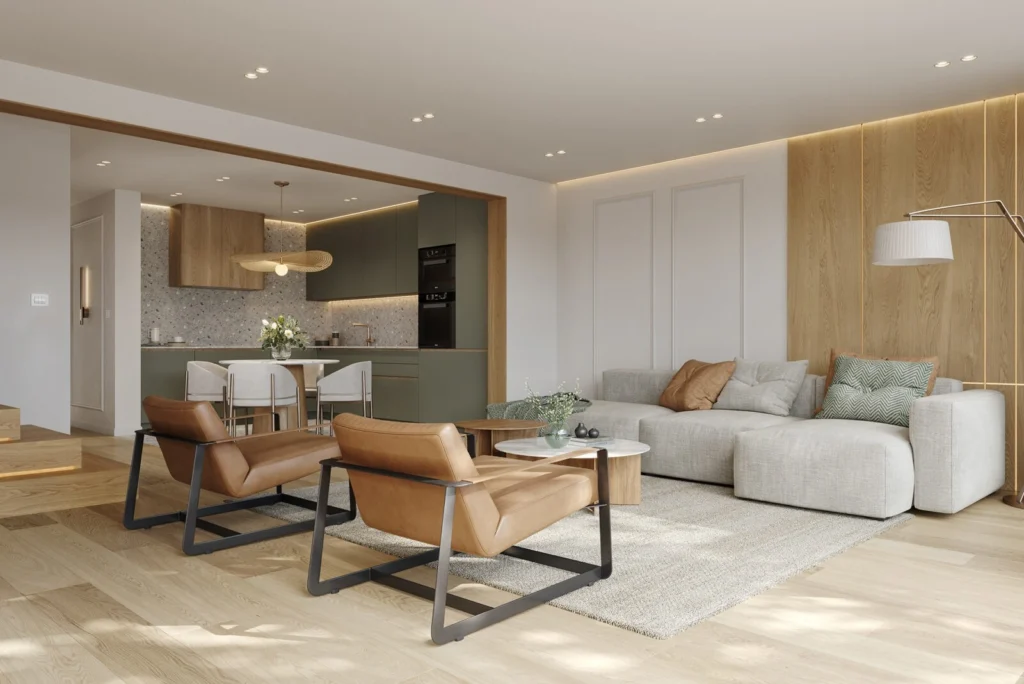
Why Texture Will Define the Next Era of Luxury Interiors
Luxury is no longer about excess; it is about meaning. Texture embodies this shift, prioritizing experience over spectacle and substance over surface.
In contemporary interiors, texture matters more than color because it endures, it connects, and it transforms space into experience. For those shaping the future of design—professionals and patrons alike—tactile design is not a trend, but a philosophy.
The Takeaway
Color may capture attention, but texture captures imagination. In the most refined luxury interiors, it is texture that tells the deeper story—of material integrity, sensory richness, and timeless elegance. As contemporary interiors move toward greater restraint and authenticity, tactile design stands as the true hallmark of sophistication.
For architects, designers, and design-conscious clients navigating an increasingly complex visual world, the message is clear: invest in texture, and the space will speak for itself.