In today’s high-end design landscape, Natural Stone has re-emerged as a defining element of luxury interior architecture. From boutique hotels to private residences and flagship retail spaces, architects and designers increasingly turn to stone to create environments that feel grounded, refined, and enduring.
This shift goes beyond aesthetics. Natural stone aligns with a broader movement toward authenticity, permanence, and material honesty—values that resonate deeply with discerning clients and global design studios.
The Return to Material Authenticity
Luxury interior architecture has moved away from synthetic finishes and overly engineered surfaces. Clients now seek materials that tell a story, and natural stone delivers exactly that.
Each slab of marble, travertine, or limestone carries unique veining, coloration, and geological history. Unlike manufactured materials, no two pieces are identical. This inherent variation adds exclusivity to every project, a quality that luxury clients value.
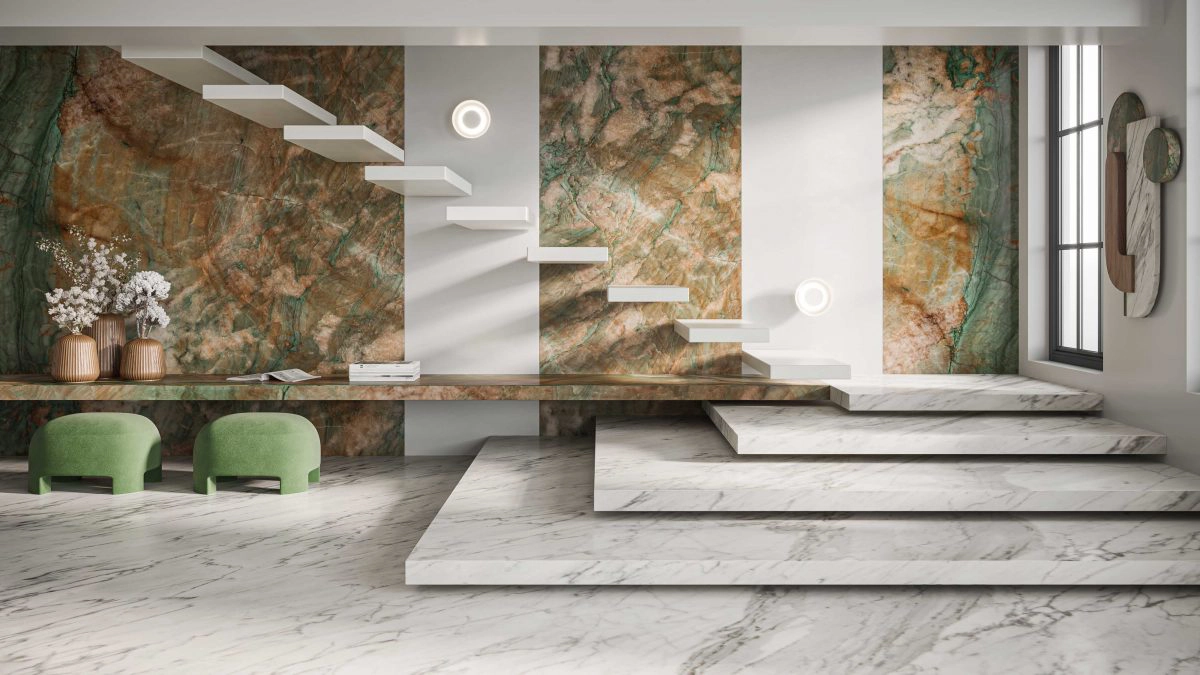
Designers use stone not just as a surface but as a central narrative element. Whether it appears as a sculptural staircase, a monolithic kitchen island, or full-height wall cladding, natural stone anchors the space with authenticity.
Aesthetic Versatility Across Design Styles
One reason Natural Stone dominates contemporary interiors is its remarkable versatility. It adapts seamlessly across design languages, from minimalism to classicism.
- Minimalist interiors: Designers often select honed marble or limestone with subtle veining to create calm, uninterrupted surfaces.
- Contemporary luxury: Bold stones like Calacatta or Nero Marquina introduce contrast and visual drama.
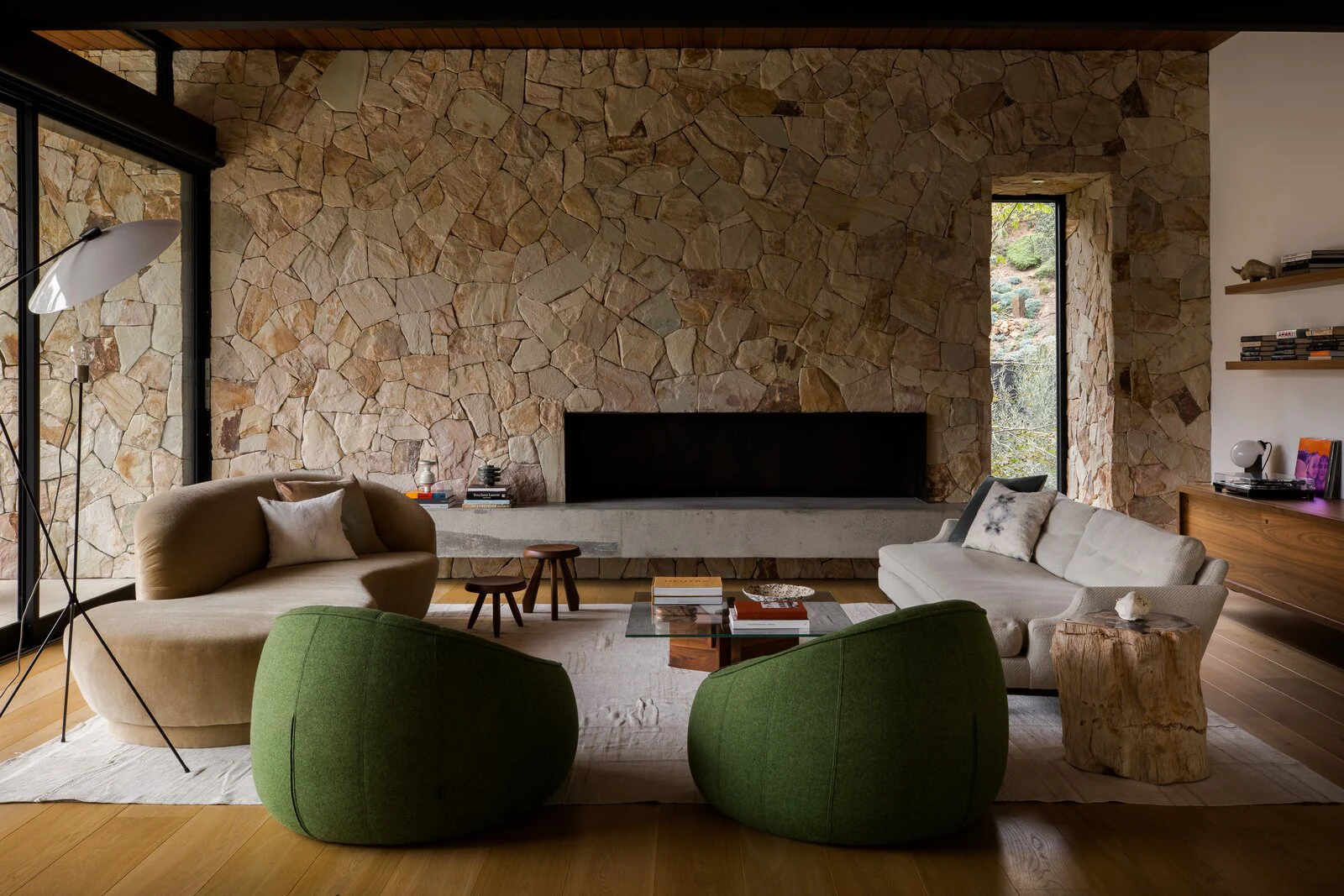
- Warm modern spaces: Travertine and sandstone bring softness and earthy tones that balance clean architectural lines.
This flexibility allows architects and interior designers to maintain a cohesive material palette while still achieving distinct visual identities for each project.
The Rise of Monolithic Design
Monolithic design has become a defining trend in luxury interiors, and natural stone plays a central role in this movement.
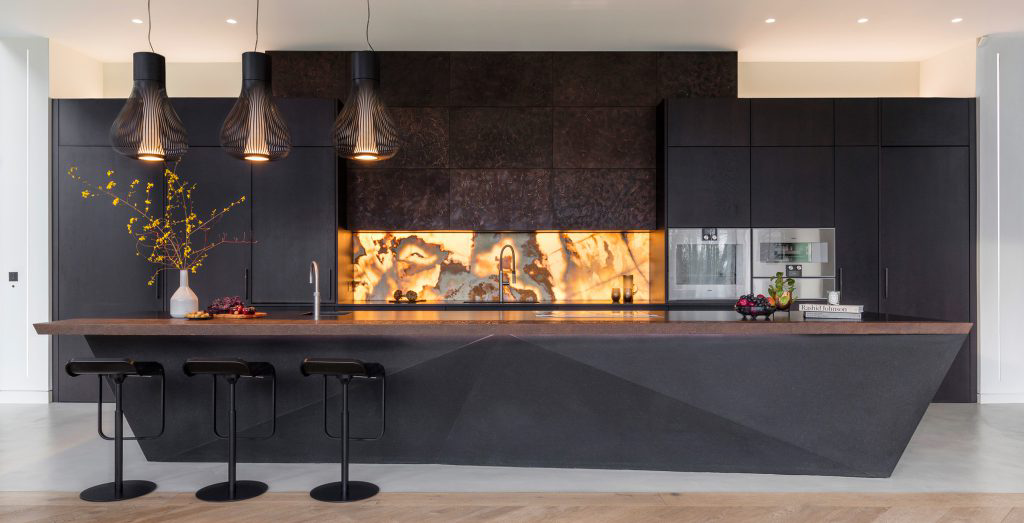
Rather than applying stone as a thin veneer, designers increasingly work with thick slabs and solid blocks. Kitchen islands, bathtubs, sinks, and furniture pieces now appear carved from a single mass. This approach emphasizes weight, permanence, and craftsmanship.
The visual impact is immediate. A monolithic stone element commands attention without requiring additional ornamentation. It also reinforces a sense of architectural integrity, where structure and finish merge into one.
For luxury design studios, this shift offers opportunities to collaborate closely with fabricators and artisans, pushing the boundaries of what stone can achieve.
Seamless Integration with Architecture
Natural Stone no longer functions as a decorative afterthought. It integrates directly into the architectural framework of a space.
Floors extend into walls, walls wrap into ceilings, and surfaces flow continuously from interior to exterior. This continuity creates immersive environments that feel cohesive and expansive.
Large-format slabs play a crucial role here. Advances in quarrying and fabrication allow for fewer joints and cleaner lines, enhancing the perception of space. Designers use bookmatching techniques to transform stone into large-scale artworks, adding another layer of sophistication.
This architectural integration aligns with contemporary demands for fluid, open-plan living where boundaries between spaces dissolve.
Durability Meets Long-Term Value
Luxury clients increasingly prioritize longevity alongside aesthetics. Natural stone meets both expectations.
Stone surfaces resist wear, age gracefully, and develop character over time. Unlike trend-driven materials that quickly feel outdated, stone maintains its relevance across decades. This durability makes it particularly appealing for high-traffic areas such as hotel lobbies, retail environments, and kitchens.
From a value perspective, natural stone also contributes to the long-term prestige of a property. Its presence signals quality and permanence, enhancing both market perception and resale potential.
Architects and developers recognize this advantage, especially in competitive luxury real estate markets where material selection influences buyer decisions.
Sustainability and Responsible Sourcing
Sustainability now plays a central role in material selection, and natural stone offers compelling advantages when sourced responsibly.
Stone requires minimal processing compared to synthetic alternatives. It does not rely on complex chemical treatments, and many quarries operate with increasing transparency and environmental accountability.
Additionally, stone’s longevity reduces the need for replacement, lowering lifecycle impact. When integrated thoughtfully, it supports a more sustainable approach to luxury design.
Design studios often highlight the origin of the stone—whether it comes from Italian quarries, Portuguese limestone regions, or Middle Eastern sources—adding another layer of narrative and traceability to the project.
Sensory Experience and Tactility
Luxury interiors today focus as much on how a space feels as how it looks. Natural stone enhances this sensory dimension.
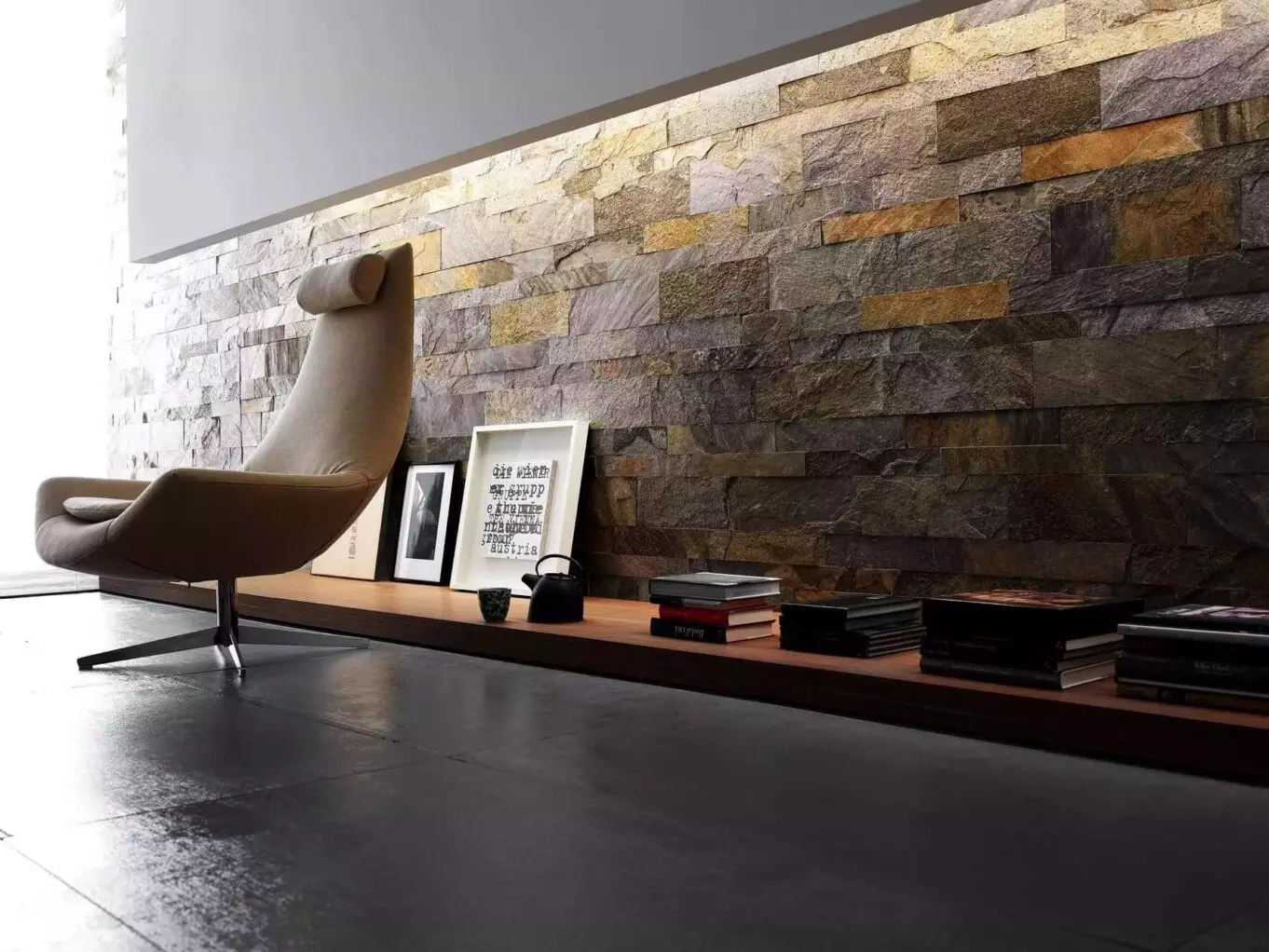
Its cool touch, subtle texture, and visual depth create a multi-sensory experience that synthetic materials struggle to replicate. Honed finishes feel soft and matte, while polished surfaces reflect light and amplify spatial brightness.
Designers use these qualities to influence mood. A spa environment may feature warm-toned stone with a tactile finish, while a high-end retail store might employ polished marble to create a sense of glamour and precision.
This emphasis on tactility aligns with the broader trend toward experiential design, where materials engage users on a deeper level.
Technology Expanding Creative Possibilities
Advancements in digital fabrication and stone-cutting technologies have transformed how designers work with natural stone.
CNC machining, waterjet cutting, and 3D modeling enable precise detailing and complex geometries that were once difficult to achieve. Designers now create curved surfaces, intricate patterns, and custom furniture with remarkable accuracy.
These innovations expand the role of stone beyond traditional applications. It becomes a medium for experimentation, allowing architects and furniture brands to develop signature pieces that stand out in a competitive market.
The Influence of Global Luxury Projects
High-profile residential, hospitality, and retail projects continue to drive the popularity of Natural Stone. Leading architects and interior designers consistently showcase stone as a primary material in their work.
From minimalist penthouses to expansive resorts, stone defines the visual language of contemporary luxury. Social media and digital platforms amplify these projects, influencing client expectations and setting new standards across the industry.
As a result, natural stone has moved from a classic choice to a contemporary necessity in high-end design.
Final Thoughts
Natural Stone dominates luxury interior architecture because it delivers on multiple levels: authenticity, durability, versatility, and sensory richness. It bridges the gap between tradition and innovation, offering a material language that feels both timeless and current.
For interior designers, architects, and luxury brands, stone provides a powerful tool to create spaces that resonate with sophistication and permanence. As design continues to evolve, natural stone will remain at the forefront—shaping environments that prioritize quality, craftsmanship, and enduring beauty.