Contemporary interiors are evolving rapidly, shaped by a growing demand for depth, individuality, and sensory richness. One of the most defining shifts in this landscape is the rise of mixed materials. Designers, architects, and luxury furniture brands are moving beyond single-material palettes and embracing layered compositions that combine wood, metal, glass, stone, textiles, and innovative composites. This approach not only enhances visual complexity but also creates spaces that feel more dynamic, tactile, and emotionally engaging.
The Shift Toward Material Diversity
For years, minimalism and uniformity dominated contemporary interiors. Clean lines, neutral tones, and consistent materials created calm and cohesive environments. While those principles still influence modern design, they no longer satisfy the growing appetite for personalization and storytelling.
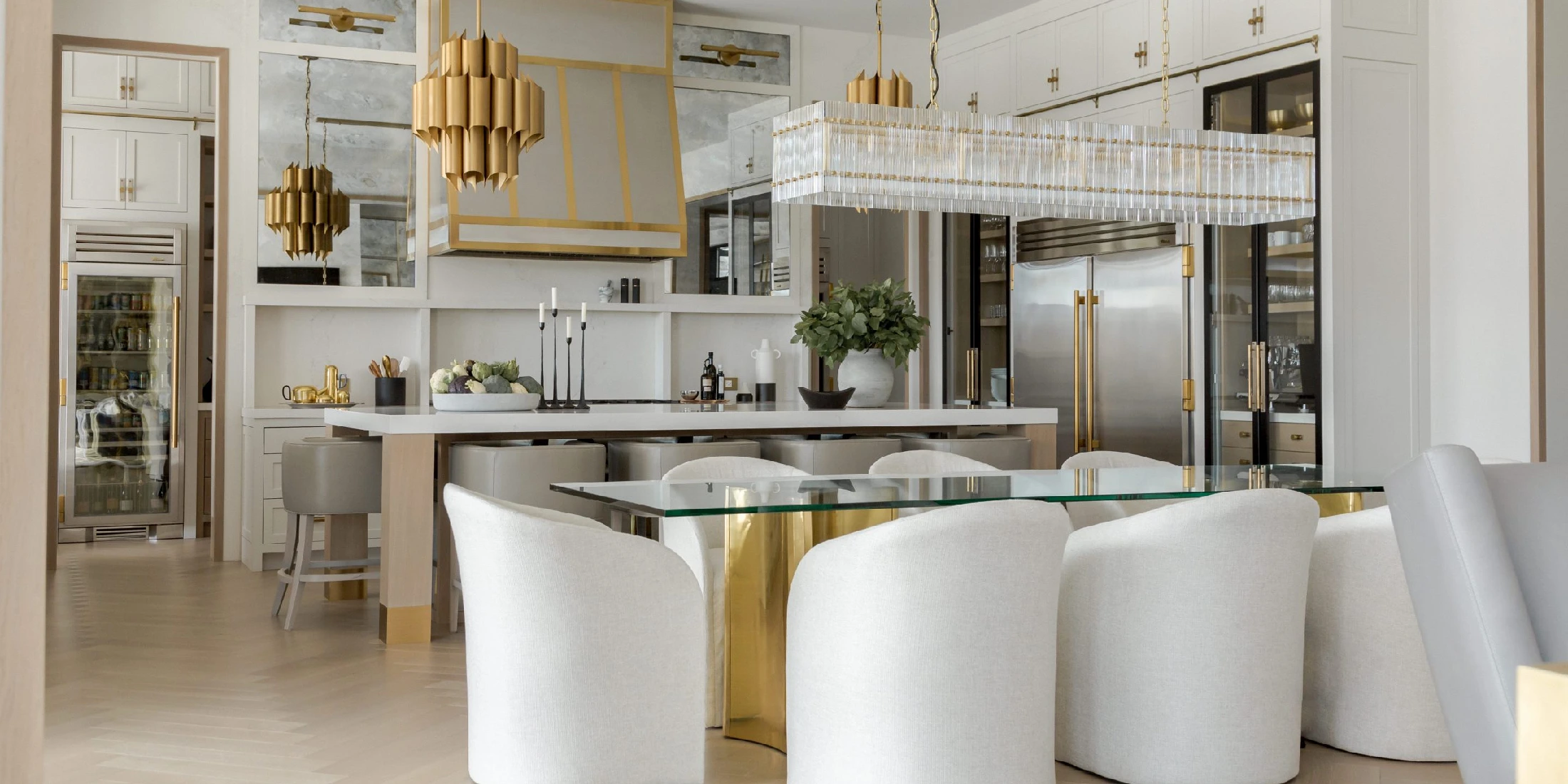
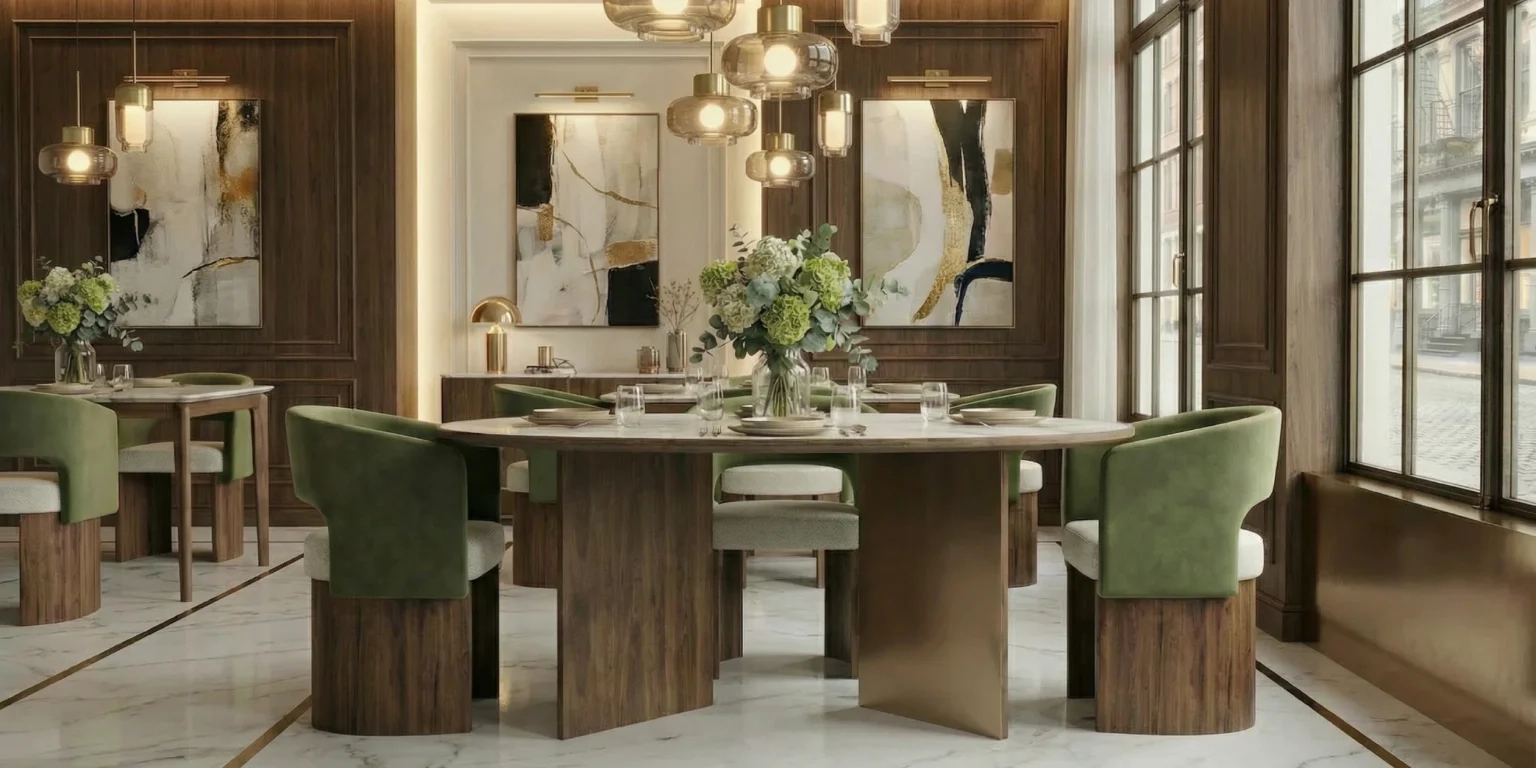
Mixed materials respond directly to this shift. By blending contrasting finishes—such as polished marble with brushed brass or raw wood with soft upholstery—designers create environments that feel curated rather than formulaic. This layered aesthetic reflects the way people live today: multifaceted, expressive, and deeply connected to both natural and engineered elements.
Texture as a Design Language
Texture plays a critical role in contemporary interiors, and mixed materials provide the most effective way to introduce it. Smooth, reflective surfaces interact with rough, matte finishes to create contrast and visual rhythm.
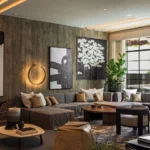
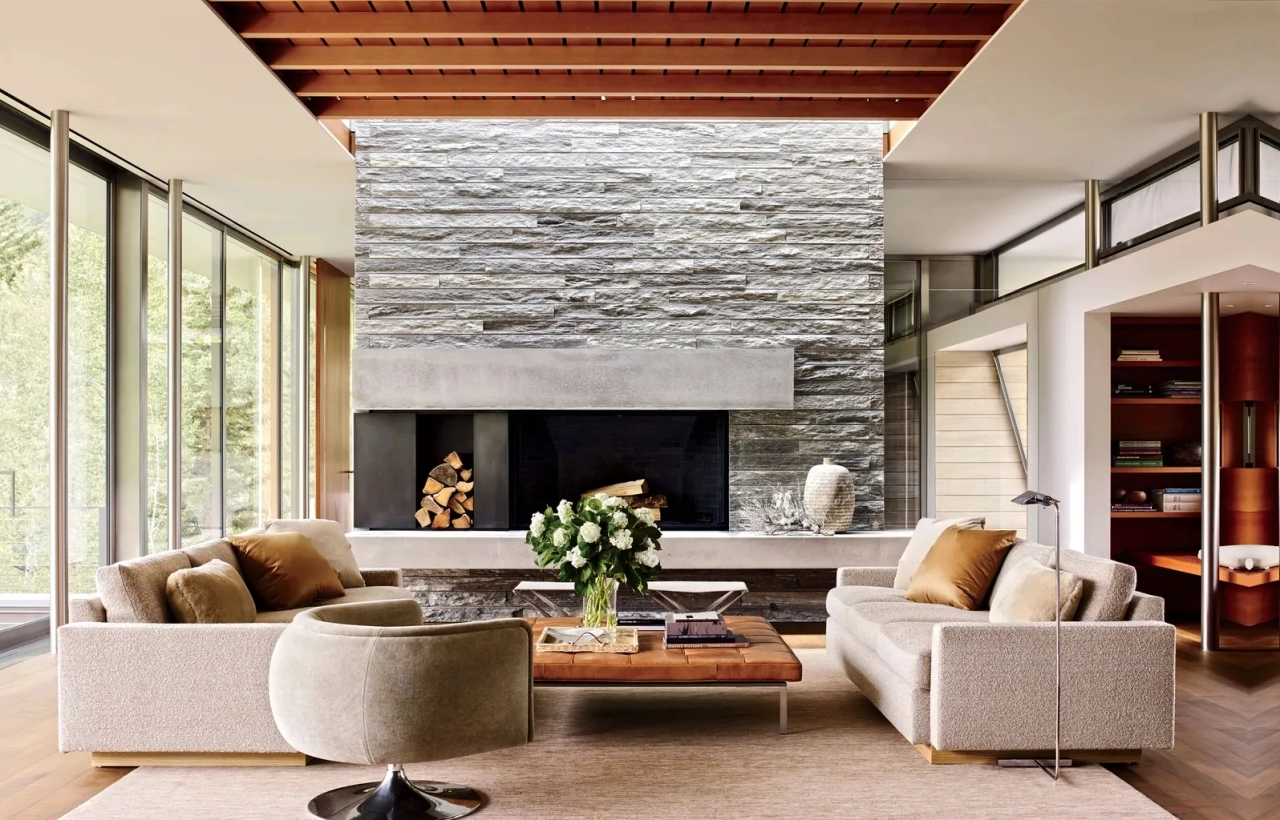
For example, pairing a honed stone wall with a velvet sofa adds both visual and tactile contrast. Similarly, combining oxidized metal with warm timber softens industrial elements and makes them more inviting. These juxtapositions prevent spaces from feeling flat or sterile.
Designers increasingly treat materials as a language. Each material conveys a distinct tone—glass suggests lightness, stone implies permanence, and textiles introduce comfort. When combined thoughtfully, these elements communicate a layered narrative that resonates with users.
Balancing Warmth and Precision
One reason mixed materials dominate contemporary interiors is their ability to balance warmth and precision. Modern architecture often emphasizes sharp geometry and clean lines, which can sometimes feel cold or impersonal. Introducing varied materials softens this effect.
Wood, leather, and natural fibers bring warmth, while metal, concrete, and glass maintain structural clarity. The interplay between these elements creates a balanced environment that feels both sophisticated and livable.
Luxury design studios often leverage this balance to elevate residential and hospitality spaces. A kitchen might feature sleek lacquered cabinetry alongside natural stone countertops and handcrafted wood details. This combination ensures the space feels refined without losing its human touch.
The Influence of Craftsmanship
Mixed materials also highlight craftsmanship. When designers combine materials, they must consider how those elements meet, transition, and interact. This requires precision, expertise, and attention to detail.
Custom joinery, seamless transitions between surfaces, and innovative construction techniques become focal points in the design. Furniture brands, in particular, use mixed materials to showcase their technical capabilities. A table that integrates metal framing with stone inlays and wood detailing becomes more than functional—it becomes a statement piece.
This emphasis on craftsmanship aligns with the broader trend toward quality and longevity in contemporary interiors. Clients increasingly value pieces that demonstrate artistry and durability rather than mass-produced uniformity.
Sustainability and Material Innovation
Sustainability plays a significant role in the rise of mixed materials. Designers now prioritize responsible sourcing and material efficiency, often combining natural and recycled elements to reduce environmental impact.
For instance, reclaimed wood can pair with recycled metal or eco-friendly composites to create sustainable yet luxurious interiors. Advances in material technology also introduce new possibilities, such as engineered stone, bio-based resins, and high-performance textiles.
These innovations allow designers to experiment without compromising durability or environmental responsibility. Mixed materials enable a more strategic approach, where each component serves both aesthetic and functional purposes.
Creating Visual Hierarchy
In contemporary interiors, visual hierarchy helps guide the eye and define spatial relationships. Mixed materials naturally support this by distinguishing different zones and elements within a space.
A feature wall in textured stone can anchor a living area, while smooth plaster walls recede into the background. Metal accents can highlight structural elements, and soft textiles can define seating areas. This layered approach enhances spatial clarity without relying solely on color or form.
Architects often use mixed materials to articulate transitions between indoor and outdoor spaces as well. Glass, stone, and wood can seamlessly connect interiors with their surroundings, creating a cohesive yet varied experience.
Emotional and Sensory Engagement
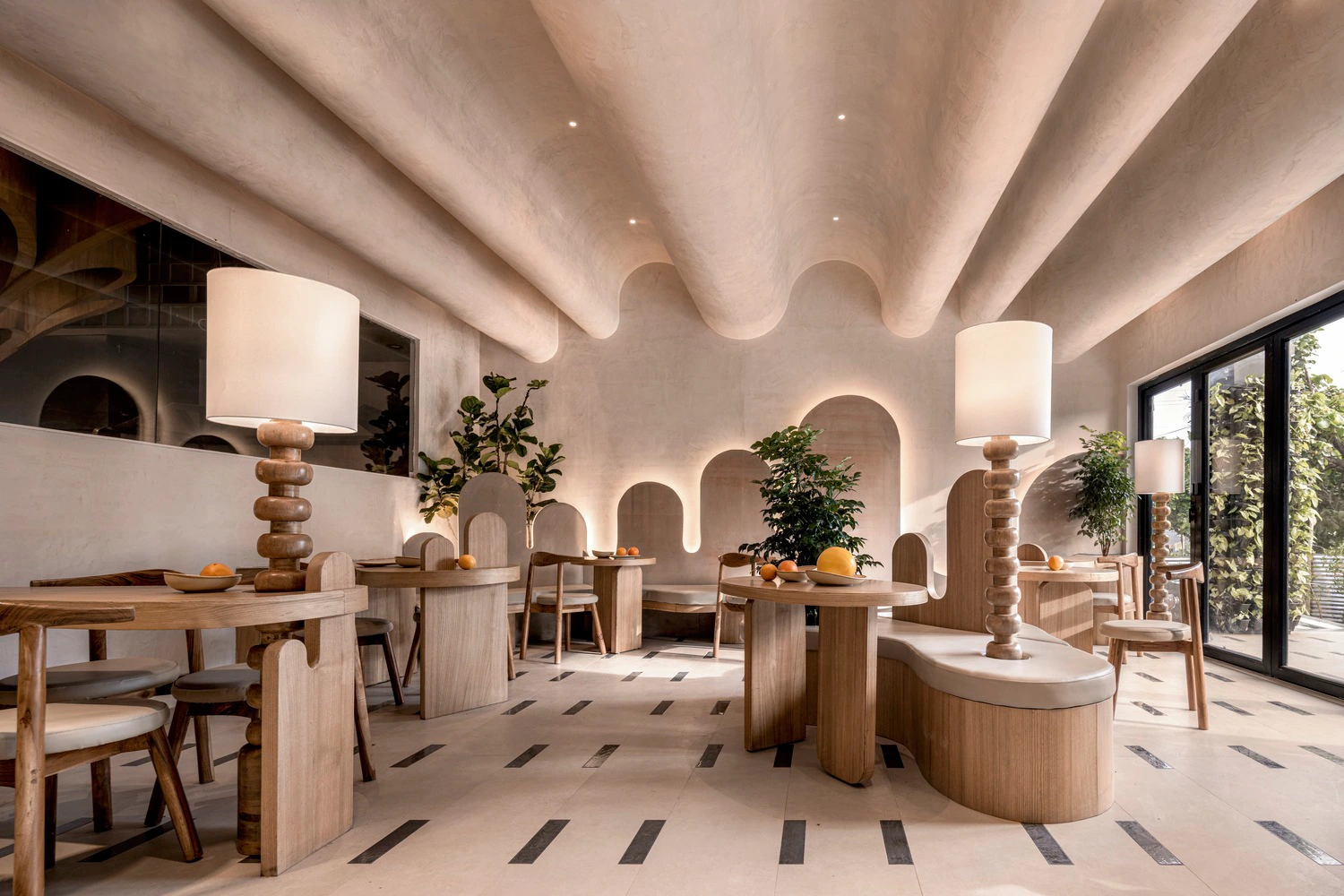
Modern clients expect more than visual appeal—they seek spaces that engage multiple senses. Mixed materials deliver this by offering a range of tactile experiences.
Walking across a polished concrete floor feels different from stepping onto a woven rug. Touching a cool metal surface contrasts with the warmth of wood or leather. These sensory interactions make interiors more memorable and immersive.
In hospitality and high-end residential design, this sensory richness becomes a defining feature. Spaces that feel layered and responsive tend to leave a lasting impression, reinforcing brand identity and user satisfaction.
Flexibility and Timelessness
Trends in contemporary interiors evolve quickly, but mixed materials offer a degree of timelessness. By combining elements thoughtfully, designers can create spaces that adapt to changing tastes.
A neutral base with varied materials allows for easy updates through accessories, lighting, or furniture. This flexibility appeals to both designers and clients who want longevity without sacrificing style.
Moreover, mixed materials reduce the risk of a design feeling overly tied to a specific trend. The diversity of textures and finishes creates a balanced composition that remains relevant over time.
The Future of Contemporary Interiors
Mixed materials are not a passing trend—they represent a fundamental shift in how designers approach space. As technology advances and material options expand, the possibilities for combination will continue to grow.
We can expect to see more integration of smart materials, responsive surfaces, and hybrid composites. Designers will push boundaries further, blending traditional craftsmanship with cutting-edge innovation.
At the same time, the core principle will remain the same: creating interiors that feel layered, meaningful, and human-centered.
Conclusion
The dominance of mixed materials in contemporary interiors reflects a broader evolution in design thinking. Spaces are no longer defined by uniformity but by contrast, texture, and narrative. By combining diverse materials, designers create environments that balance aesthetics, functionality, and emotional resonance.
For interior designers, furniture brands, architects, and luxury studios, this approach offers endless opportunities to innovate and differentiate. Mixed materials do more than enhance visual appeal—they transform interiors into experiences that engage, inspire, and endure.