

Across the global design landscape, furniture is undergoing a profound transformation. No longer conceived merely as functional objects or decorative accents, today’s most compelling pieces behave more like architectural elements—shaping space, guiding movement, and expressing structural intent. This shift toward architectural furniture reflects deeper changes in how we live, build, and experience interiors, where boundaries between architecture, interior design, and furniture design are increasingly fluid.
For architects, designers, real estate professionals, and discerning private clients alike, this evolution signals a new era. Furniture is no longer subordinate to architecture; it has become one of its most articulate expressions. Understanding why furniture is becoming more architectural than ever offers insight into broader modern furniture trends and the future of spatial design itself.
The Convergence of Architecture and Furniture Design
Historically, architecture and furniture occupied distinct realms. Architecture defined the shell; furniture filled it. Today, that separation feels increasingly outdated. Contemporary design culture embraces a holistic approach in which structure, materiality, and spatial logic extend seamlessly from the building envelope to the smallest interior detail.
This convergence has elevated furniture design into a discipline that demands architectural thinking. Proportion, load, rhythm, and structural clarity—once the exclusive concerns of architects—now inform the design of sofas, tables, shelving systems, and seating. Furniture is conceived not as an afterthought, but as an integral part of the spatial framework.
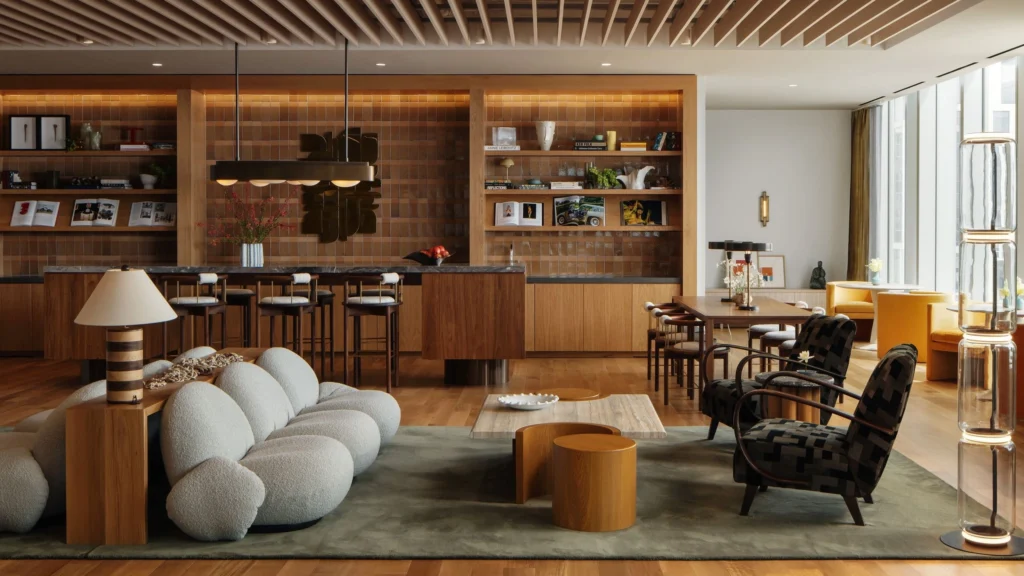
Why Furniture Is Becoming More Architectural
1. Architecture-Driven Living Spaces
Open-plan layouts, double-height volumes, and fluid interior-exterior transitions have redefined contemporary living. In these expansive environments, traditional furniture often feels visually insufficient. Architectural furniture answers this challenge by offering presence, scale, and spatial authority.
Large sectional seating that anchors an open living area, monolithic dining tables that echo structural beams, or floor-to-ceiling storage systems that read like built-in architecture all contribute to a sense of cohesion. Furniture no longer decorates space; it structures it.
2. The Rise of Custom and Integrated Solutions
As clients seek interiors that feel tailored rather than generic, furniture increasingly assumes the role of bespoke architecture. Custom millwork, modular systems, and made-to-measure pieces blur the line between furniture and construction.
This trend is particularly evident in luxury residential and hospitality projects, where architectural furniture is designed in direct dialogue with the building itself. Integrated seating, sculptural stair-adjacent benches, and continuous shelving walls create a sense of permanence traditionally associated with architecture.
3. Material Honesty and Structural Expression
One of the defining characteristics of architectural design is its respect for material logic. This sensibility has migrated decisively into furniture design. Solid wood, stone, metal, and innovative composites are celebrated for their structural properties rather than disguised.
Joints are exposed, connections are legible, and mass is embraced rather than minimized. This approach lends furniture an architectural gravitas, aligning it with the principles of modernism and contemporary minimalism.
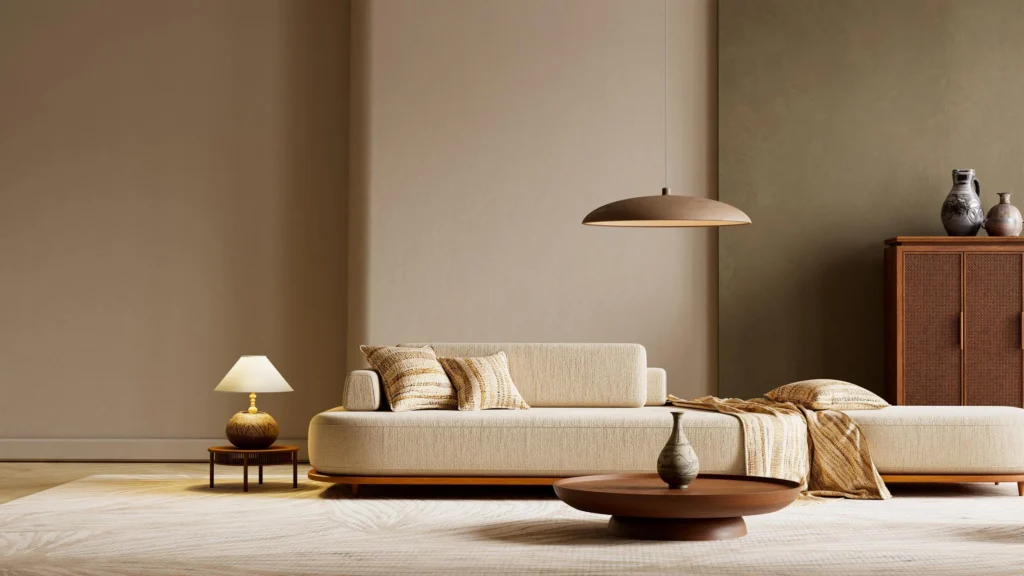
Modern Furniture Trends Shaping Architectural Expression
Monolithic Forms and Sculptural Presence
Among the most visible modern furniture trends is a move toward bold, monolithic forms. Sofas resemble low horizontal volumes; tables appear carved from single blocks; storage elements read as solid planes rather than assemblages of parts.
This sculptural quality gives furniture the authority to stand on its own within large, architecturally expressive spaces. It also reinforces the perception of furniture as a permanent, structural component rather than a temporary accessory.
Modularity as Spatial Strategy
Modular systems have evolved far beyond flexibility for its own sake. Today, they operate as spatial planning tools. Modular seating, shelving, and wall systems can define zones, guide circulation, and adapt to changing architectural contexts.
From private residences to commercial interiors, modular architectural furniture supports a dynamic relationship between space and use—an increasingly important consideration in contemporary lifestyles.
A Muted, Architectural Color Palette
Color trends in furniture design have shifted toward tones traditionally associated with architecture: mineral whites, warm greys, sand, charcoal, and deep earth hues. These palettes reinforce materiality and form, allowing furniture to integrate seamlessly with architectural surfaces such as concrete, stone, and plaster.
The result is an interior language that feels cohesive, timeless, and spatially grounded.
Furniture as Spatial Infrastructure
Perhaps the most significant indicator of furniture’s architectural turn is its growing role as spatial infrastructure. In many contemporary interiors, furniture performs functions once reserved for walls or partitions.
- Seating systems define living zones without interrupting visual flow.
- Shelving and storage act as permeable partitions between spaces.
- Tables and workstations organize circulation and social interaction.
This infrastructural role aligns furniture with architecture’s primary purpose: shaping human experience through space.
The Influence of Global Architectural Culture
The architecturalization of furniture is also driven by a globally connected design culture. Architects increasingly design furniture as extensions of their buildings, while furniture designers draw inspiration from architectural theory and practice.
International fairs, exhibitions, and publications encourage cross-disciplinary dialogue, reinforcing the idea that architecture and furniture design are not separate silos but parts of a continuous design spectrum. An authoritative overview of this evolution can be found through institutions such as the Architectural Digest, which regularly documents the convergence of architecture and furniture in contemporary interiors.
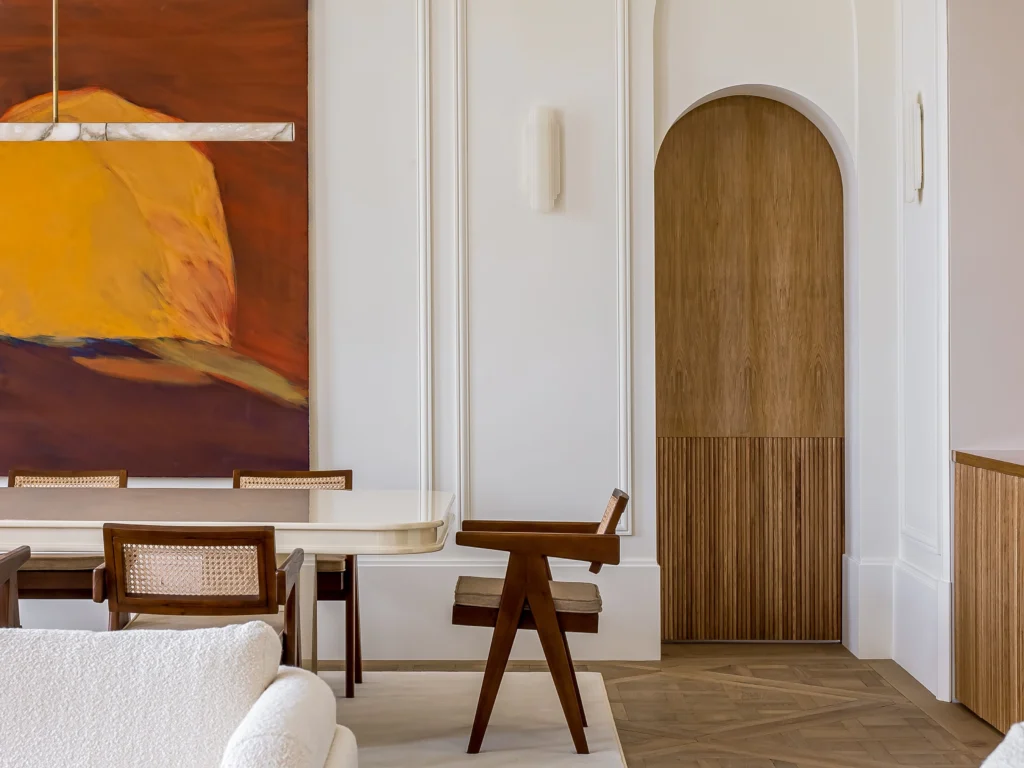
Luxury Real Estate and the Demand for Architectural Furniture
In the luxury real estate market, architectural furniture has become a marker of quality and sophistication. High-net-worth clients increasingly seek interiors that feel intentional, cohesive, and enduring—qualities traditionally associated with architecture.
Furniture that mirrors architectural principles enhances perceived value. It signals permanence, craftsmanship, and intellectual rigor, qualities that resonate strongly in premium residential and hospitality environments.
Sustainability and Longevity Through Design
Architectural thinking also brings a renewed focus on longevity. Furniture designed with architectural intent prioritizes durability, repairability, and timeless aesthetics over short-lived trends.
By emphasizing structure and material integrity, architectural furniture aligns with sustainable design values. Pieces are conceived to last decades, not seasons, reinforcing a more responsible approach to consumption within the design industry.
What This Shift Means for Designers and Clients
The growing architectural nature of furniture invites both professionals and clients to rethink their approach to interiors.
- Designers are encouraged to consider furniture early in the architectural process, not as a final layer.
- Architects can use furniture as a tool to reinforce spatial concepts.
- Clients benefit from interiors that feel cohesive, intentional, and deeply considered.
This integrated mindset results in environments where every element—structural or movable—contributes to a unified spatial narrative.
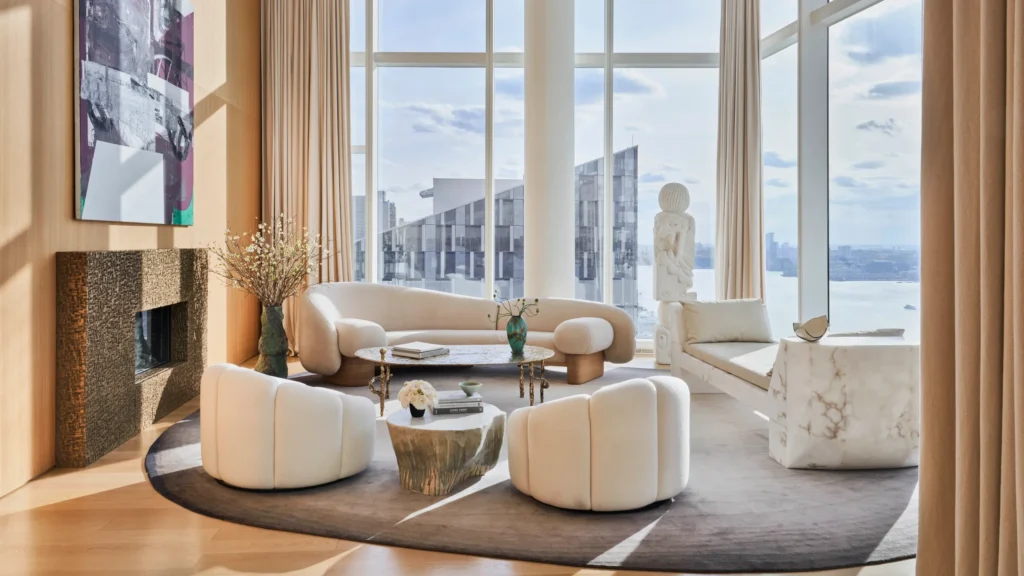
The Future of Architectural Furniture
As architecture continues to embrace openness, material authenticity, and experiential design, furniture will further evolve as a spatial medium. Advances in digital fabrication, material innovation, and sustainable production will only accelerate this trajectory.
Furniture design will increasingly mirror architectural processes, from parametric modeling to modular construction systems. The distinction between what is built and what is placed will continue to dissolve.
The Takeaway
The rise of architectural furniture reflects a broader cultural shift toward holistic design. In contemporary interiors, furniture is no longer content to occupy space—it defines it. Through scale, structure, materiality, and intent, furniture now speaks the same language as architecture.
For those shaping the future of living environments, this evolution represents not a trend, but a fundamental rethinking of how space is conceived and experienced. As modern furniture trends continue to align with architectural principles, furniture design emerges as one of the most powerful tools for expressing spatial identity in the built world.