Few designers have influenced luxury interior design as profoundly as Christian Liaigre. Known for his quiet, restrained aesthetic, Liaigre redefined luxury by shifting the focus from visual excess to material integrity and spatial harmony. His work introduced a new language of understated elegance that continues to shape contemporary interiors worldwide. For interior designers and architects, Liaigre’s philosophy offers a powerful framework, one where simplicity, proportion, and craftsmanship become the true markers of sophistication rather than ornamentation or spectacle.
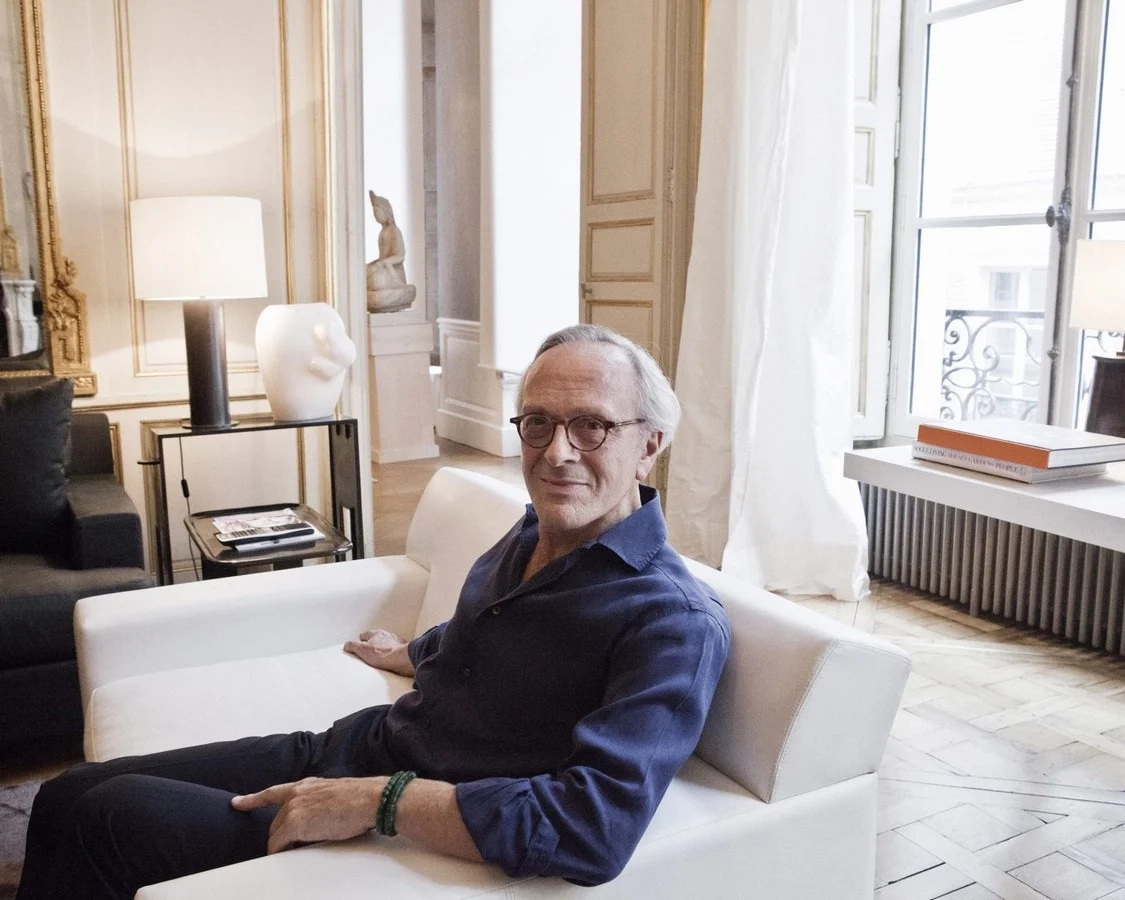
The Context: A Reaction Against Excess
When Christian Liaigre emerged in the 1980s, design was dominated by expressive and often theatrical styles. In contrast, he introduced an aesthetic rooted in restraint and clarity. His work deliberately avoided fleeting trends, instead drawing from the traditions of French decorative arts and modernist principles.
This positioning was radical at the time. While others experimented with bold materials and visual statements, Liaigre focused on timeless forms and quiet refinement. His approach resonated with a clientele seeking authenticity and longevity, ultimately redefining what luxury could represent in a modern context.
Core Principles of Liaigre’s Design Philosophy
Christian Liaigre’s work is defined by a set of principles that continue to influence luxury interior design today:
- Emphasis on simplicity and clean, precise lines
- Use of noble and natural materials such as wood, leather, and stone
- Commitment to craftsmanship and artisanal excellence
- Focus on proportion and spatial balance
- Rejection of unnecessary decoration
These principles form the foundation of a design language that is both restrained and deeply expressive, where every element serves a clear purpose.
Luxury as Simplicity and Essence
At the heart of Liaigre’s philosophy is a redefinition of luxury itself. Rather than equating luxury with abundance, he viewed it as an expression of essence and precision. His interiors demonstrate that true sophistication lies in what is removed as much as in what is included.
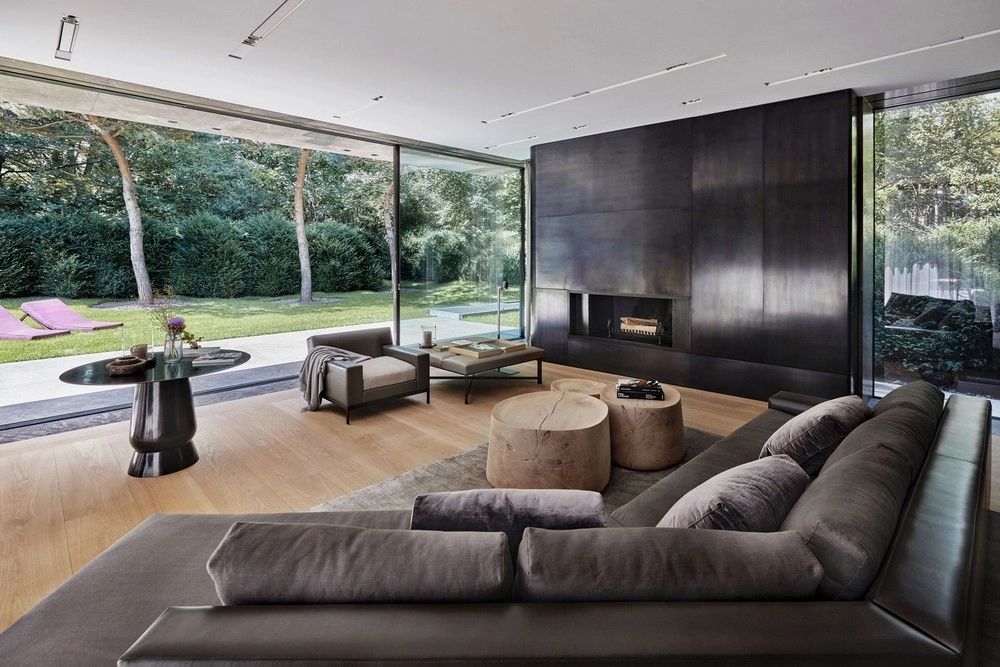
This concept is closely tied to the idea of “luxurious simplicity,” where clean lines and natural materials reveal their intrinsic beauty. The absence of excess allows materials, light, and proportion to take center stage. As a result, spaces feel calm, balanced, and enduring, offering a deeper and more meaningful experience of luxury.
The Role of Materials and Craftsmanship
Materiality is central to Liaigre’s work, serving as the primary vehicle for expression. His projects consistently highlight the use of high-quality, natural materials:
- Solid wood with visible grain and texture
- Leather crafted with precision and detail
- Bronze and metal finishes with subtle patina
- Natural fibers such as wool, silk, and cotton
- Stone surfaces that add depth and permanence
These materials are not chosen for display but for their ability to age gracefully. Moreover, Liaigre’s collaboration with master craftsmen ensures a level of execution that elevates each piece beyond standard production.
A Timeless Approach to Form and Proportion
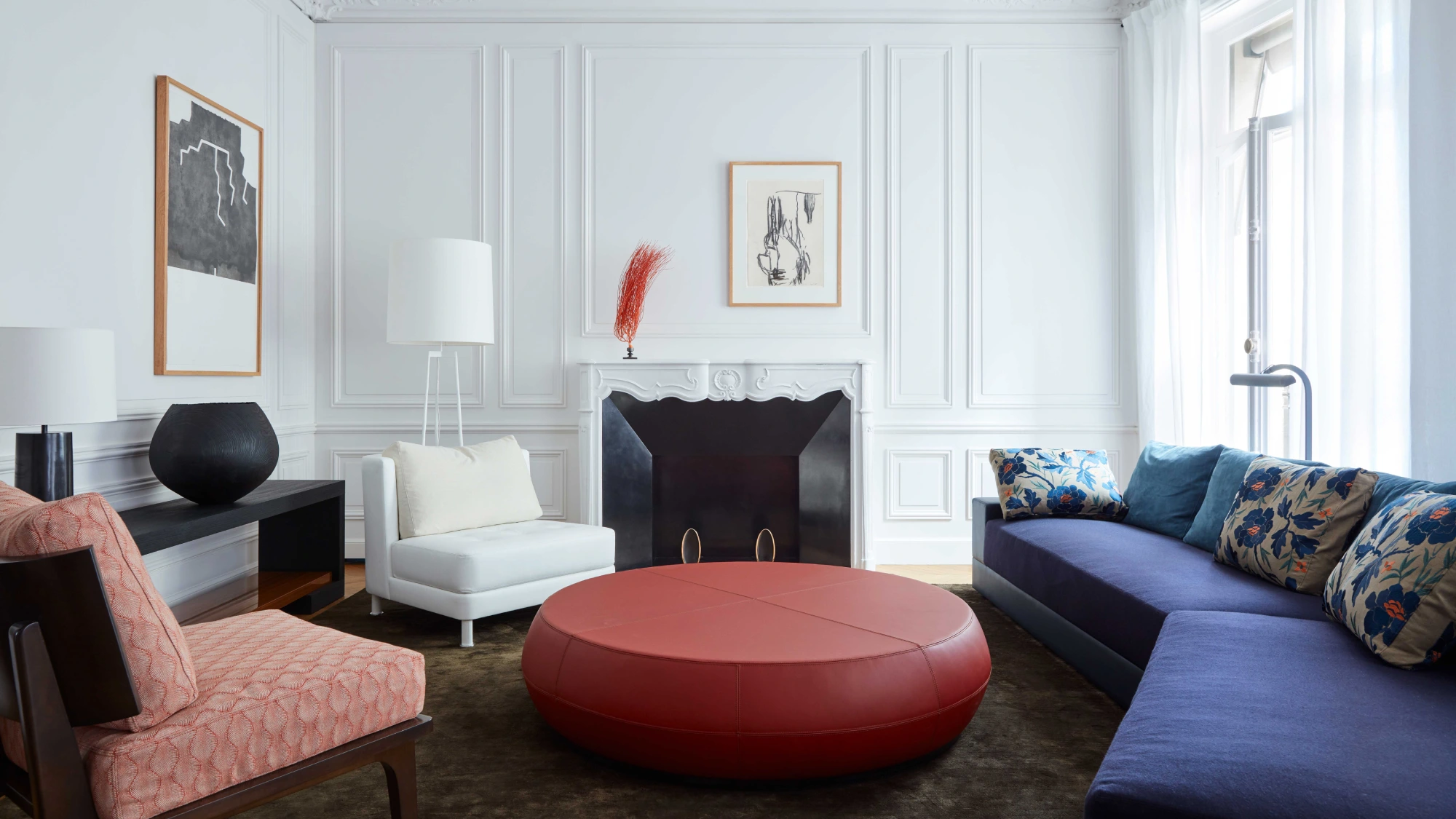
One of the defining characteristics of Christian Liaigre’s work is his mastery of proportion. His furniture and interiors are carefully calibrated to achieve balance and harmony. Clean lines and generous proportions create a sense of calm that is both architectural and human-centered.
Importantly, his designs are not minimal for the sake of minimalism. Instead, they are rooted in a deep understanding of historical references, particularly French modernism and early 20th-century decorative arts. This connection to tradition ensures that his work remains timeless, resisting the cyclical nature of design trends.
Spatial Design and the Concept of Emptiness
Liaigre’s interiors are notable for their use of space as a design element. Rather than filling rooms with objects, he embraced openness and intentional emptiness. This approach allows architecture and materials to breathe, creating a sense of freedom and clarity.
Key spatial strategies include:
- Open layouts that emphasize flow and continuity
- Minimal furniture arrangements to preserve space
- Strategic use of light to define volumes
- Subtle transitions between different areas
- Integration of architecture and interior elements
Through these techniques, Liaigre transformed space into an active component of design, reinforcing the emotional impact of his interiors.
The Influence of Japanese Aesthetics
An important yet often understated influence on Christian Liaigre’s work is Japanese design philosophy. His approach to “invisible luxury” reflects a cultural emphasis on use, subtlety, and restraint rather than display.
This influence is evident in his preference for natural materials, neutral palettes, and uncluttered spaces. The idea that luxury should be experienced rather than seen aligns closely with Japanese principles of simplicity and harmony. By integrating these ideas into Western design, Liaigre created a unique and globally resonant aesthetic.
Color as a Subtle Design Tool
While Liaigre is often associated with neutral tones, his use of color is both deliberate and nuanced. His palette typically includes whites, beiges, greys, browns, and blacks, occasionally accented with deeper hues.
- Neutral tones that establish calm and cohesion
- Subtle contrasts that add depth without disruption
- Occasional accents that introduce visual interest
- Natural color variations derived from materials
- Light-driven color shifts throughout the day
This restrained approach ensures that color enhances the overall atmosphere rather than dominating it, contributing to the sense of understated luxury.
A Global Legacy in Luxury Interior Design
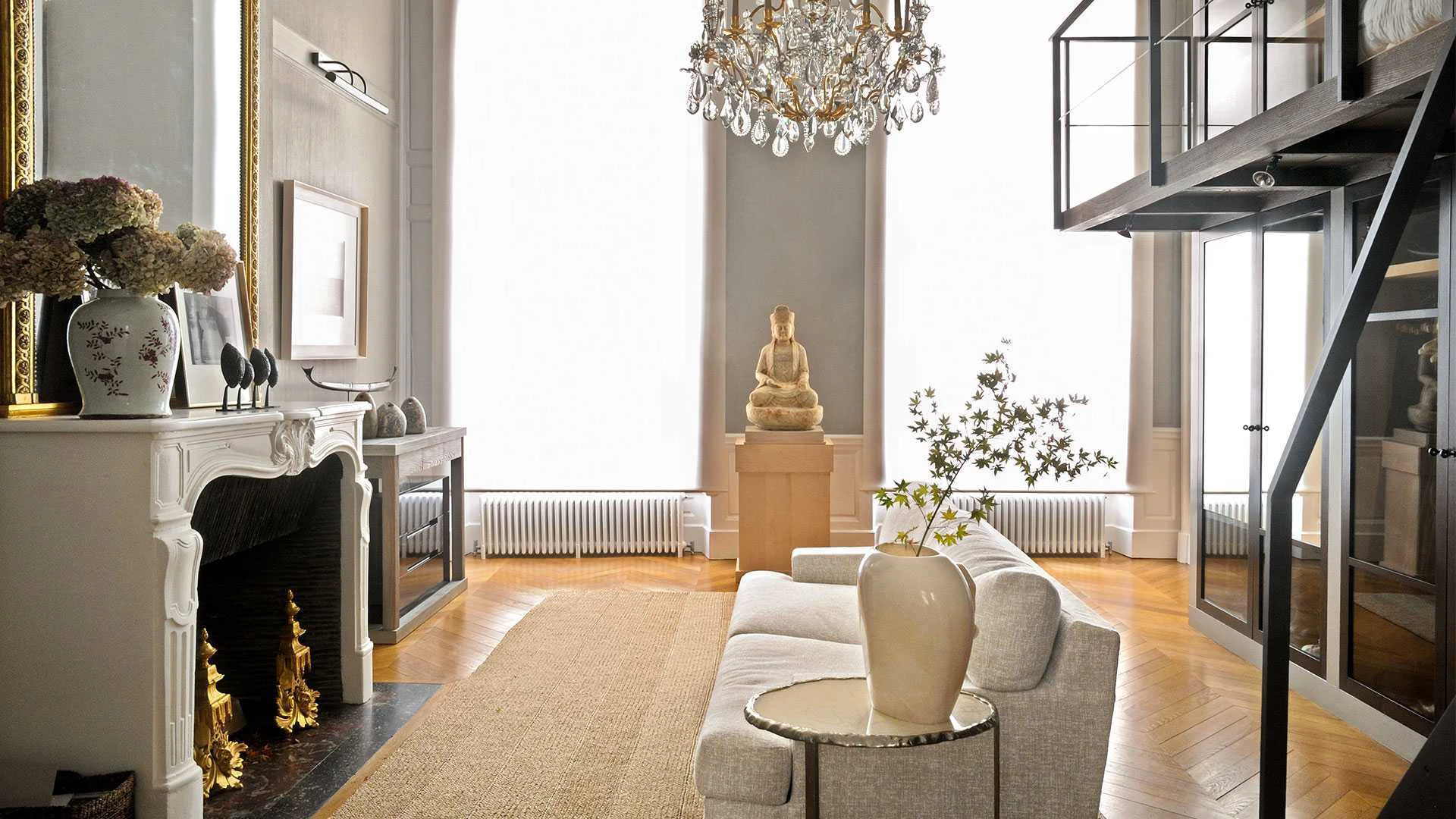
Over the course of his career, Christian Liaigre developed a body of work that spans private residences, hotels, yachts, and commercial spaces. His projects are unified by a consistent design philosophy that prioritizes quality, context, and well-being.
His influence extends beyond individual projects, shaping the broader direction of luxury interior design. The concept of “style without being stylish,” often associated with his work, highlights his ability to create environments that feel contemporary yet timeless.
Today, his legacy continues through Studio Liaigre, which maintains his commitment to craftsmanship, material integrity, and refined simplicity.
Why Christian Liaigre Redefined Luxury
Christian Liaigre’s impact on luxury interior design can be understood through several key contributions:
- He shifted the definition of luxury from excess to essence
- He elevated craftsmanship as a central design value
- He reintroduced timelessness in an era of rapid trends
- He emphasized spatial clarity and emotional experience
- He created a globally recognized language of understated elegance
These contributions have fundamentally changed how designers approach high-end interiors, making restraint and precision the new benchmarks of luxury.
Conclusion
Christian Liaigre redefined luxury interior design by demonstrating that true sophistication lies in simplicity, craftsmanship, and thoughtful execution. His work challenges conventional notions of luxury, replacing visual excess with depth, balance, and authenticity.
For interior designers, architects, and luxury design studios, Liaigre’s philosophy remains highly relevant. As clients increasingly seek meaningful and enduring environments, the principles he championed continue to guide the future of high-end design. Ultimately, his legacy proves that the most powerful interiors are those that speak quietly yet leave a lasting impression.