

Why Material Choice Defines the Soul of Furniture
In the world of high-end interiors, furniture is never a neutral element. It is an architectural statement, a tactile experience, and a long-term investment. For architects, interior designers, and discerning private clients, one question consistently arises: what is the best material for furniture when longevity, beauty, and cultural relevance are equally important?
The answer is neither singular nor simplistic. The best material for furniture depends on context, craftsmanship, intended use, and the values embedded within modern furniture design. From noble hardwoods and sculptural metals to refined upholstery and emerging sustainable composites, luxury furniture materials are defined by their performance over time as much as by their aesthetic authority.
This designer’s guide explores the materials that endure—physically, emotionally, and stylistically—offering a nuanced perspective for professionals and high-net-worth individuals shaping timeless interiors.
Defining “Best”: A Professional Framework for Furniture Materials
Before evaluating specific materials, it is essential to clarify what “best” truly means in a luxury design context. For seasoned professionals, the best material for furniture is rarely about trends; it is about alignment.
Key Criteria Designers Use to Evaluate Furniture Materials
- Longevity: Structural integrity and aging behavior over decades.
- Aesthetic Patina: How the material evolves visually with time.
- Tactile Quality: Sensory experience and material honesty.
- Cultural Value: Heritage, craftsmanship, and provenance.
- Sustainability: Ethical sourcing and environmental responsibility.
Luxury furniture materials are those that perform exceptionally across all these dimensions, supporting modern furniture design without compromising on authenticity.
Solid Wood: The Eternal Benchmark of Furniture Craftsmanship
For centuries, solid wood has been considered the gold standard—and for good reason. When sourced responsibly and crafted with precision, wood remains one of the best materials for furniture across residential, hospitality, and contract environments.
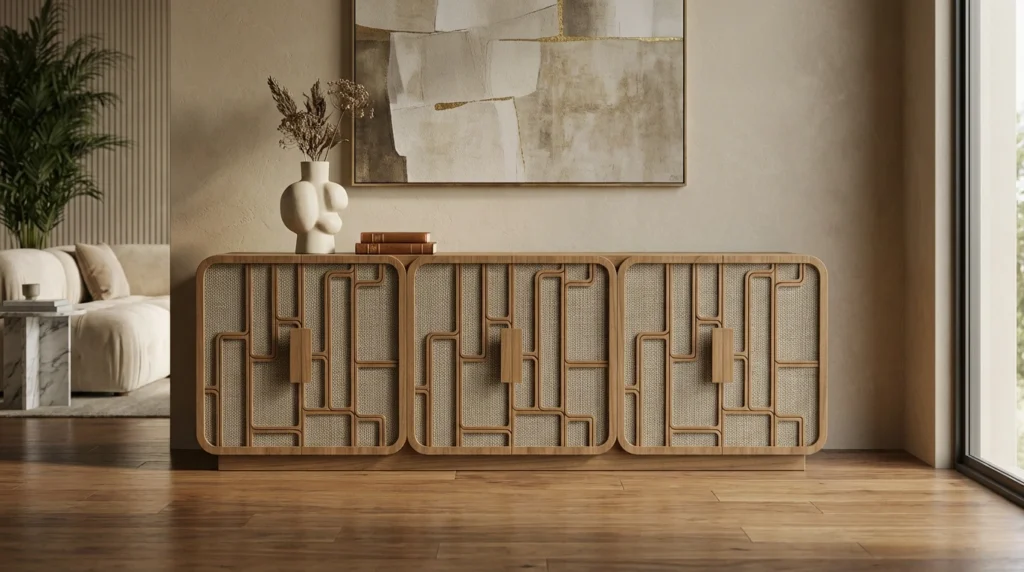
Hardwoods vs. Softwoods in Luxury Furniture
Not all woods are created equal. In high-end furniture, hardwoods dominate due to their density, durability, and expressive grain.
Preferred Hardwoods in Luxury Furniture Materials
- Oak: Highly durable, versatile, and timeless in modern furniture design.
- Walnut: Deep tonal richness, ideal for statement pieces.
- Teak: Naturally resistant to moisture; exceptional for indoor-outdoor use.
- Maple: Subtle grain and superior hardness for refined minimalism.
Unlike engineered alternatives, solid wood ages with character rather than degradation, making it a long-term investment rather than a consumable product.
Why Designers Still Choose Wood
Wood’s adaptability allows it to move seamlessly between classic and modern furniture design languages. Its warmth humanizes architectural spaces, balancing stone, glass, and steel with organic presence.
Metal: Structural Precision and Contemporary Elegance
Metal has become indispensable in modern furniture design, particularly where architectural clarity and structural performance are paramount. As a luxury furniture material, metal offers both visual lightness and remarkable strength.
Common Metals Used in High-End Furniture
- Steel: Exceptional strength, often powder-coated or brushed.
- Brass: Warm, luxurious patina that evolves beautifully.
- Aluminum: Lightweight, corrosion-resistant, and ideal for large-scale pieces.
The best material for furniture in contemporary environments often involves metal combined with wood, stone, or upholstery—creating contrast while ensuring structural longevity.
Patina as a Design Asset
In luxury interiors, signs of aging are not flaws but markers of authenticity. Brass darkens, steel softens, and aluminum subtly mattes, reinforcing the emotional longevity of the piece.
Upholstery Materials: Comfort, Performance, and Prestige
Seating defines how furniture is experienced. The choice of upholstery plays a decisive role in whether a piece feels indulgent or merely decorative.
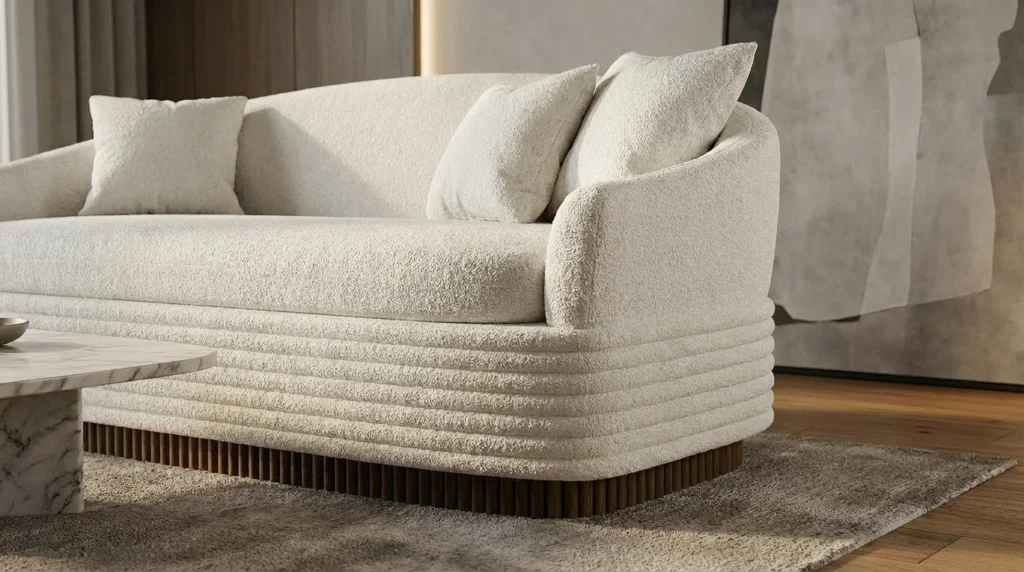
Natural Upholstery Materials
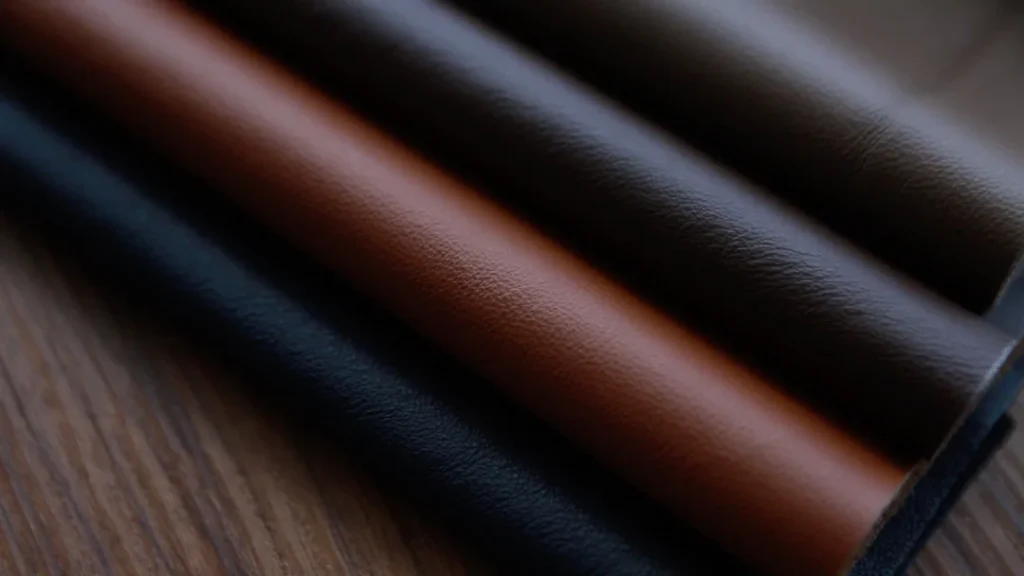
- Leather: One of the most enduring luxury furniture materials; breathable, resilient, and expressive.
- Wool: Naturally stain-resistant, temperature-regulating, and texturally rich.
- Linen: Elegant and breathable, best suited for refined, low-traffic environments.
Performance Fabrics in Modern Furniture Design
Advances in textile engineering have introduced performance fabrics that rival natural fibers in elegance while offering enhanced durability. These materials are increasingly favored in luxury real estate and hospitality projects where longevity is essential.
Stone, Marble, and Mineral Surfaces: Architectural Gravitas
Stone has transcended its architectural origins to become a defining element in furniture design. As a material, it communicates permanence, weight, and cultural continuity.
Why Stone Is Considered Among the Best Materials for Furniture
- Unmatched durability and resistance to wear
- Unique veining ensures each piece is singular
- Natural cooling properties enhance tactile experience
Marble, travertine, and granite are often used sparingly—tabletops, bases, or sculptural accents—where their visual authority can be fully appreciated.
Sustainability and Innovation: The New Luxury Imperative
Today, the definition of luxury furniture materials is evolving. Ethical sourcing, carbon footprint, and material transparency are now integral to design excellence.
Emerging Sustainable Furniture Materials
- FSC-certified solid wood
- Recycled metals and alloys
- Bio-based resins and composites
According to the World Green Building Council, sustainable material selection directly impacts long-term environmental performance in the built environment—making it a professional responsibility as much as an aesthetic choice.
Successful Luxury Material Combinations
The most compelling modern furniture design rarely relies on a single material. Instead, it is the dialogue between materials that defines excellence.
- Solid wood + metal for structural contrast
- Stone + upholstery for tactile balance
- Leather + wood for timeless elegance
When chosen thoughtfully, these combinations elevate furniture from functional object to architectural artifact.
Choosing Materials That Outlive Trends
So, what is the best material for furniture? The answer lies not in hierarchy, but in intention. The best material is the one that aligns with function, context, and values—crafted to endure both physically and culturally.
For designers and collectors alike, luxury furniture materials should offer more than visual appeal. They should age gracefully, perform reliably, and contribute meaningfully to modern furniture design narratives.
In a world of accelerated consumption, material integrity remains the ultimate luxury.