

A New Definition of Luxury in 2026
By 2026, the language of luxury has evolved well beyond surface-level opulence. High-end clients—whether private homeowners, developers of trophy real estate, or collectors shaping multi-residential portfolios—are articulating more nuanced, values-driven expectations. What they seek today is not simply aesthetic distinction, but meaning, longevity, and intelligence embedded within every design decision.
Across global capitals and emerging luxury destinations alike, conversations around luxury interior design trends are increasingly shaped by cultural literacy, technological fluency, and a renewed appreciation for craftsmanship. The home has become both a personal sanctuary and a statement of worldview. In this context, high-end interior design is less about spectacle and more about substance.
This article examines what discerning clients are asking for in 2026—and why bespoke interior design has become the defining standard of contemporary luxury.
1. Bespoke as a Baseline, Not a Premium
In 2026, customization is no longer perceived as an upgrade; it is an expectation. High-end clients assume that interiors will be tailored to their lifestyle, architecture, and cultural references. The era of adapting oneself to a pre-defined design language is over.
Bespoke interior design now encompasses spatial planning, furniture, finishes, and even material sourcing strategies. Clients are asking for interiors that reflect how they live—not how trends dictate they should live.
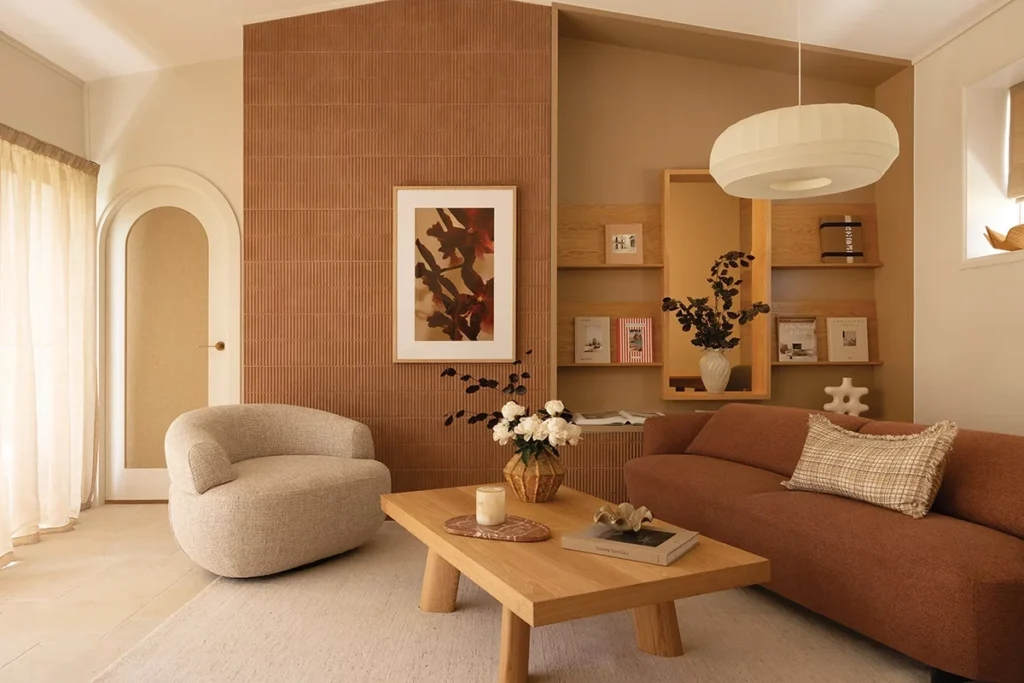
What Bespoke Means Today
- Furniture designed specifically for the scale and proportions of the space
- Materials selected for their narrative, origin, and aging potential
- Layouts that respond to daily rituals, privacy needs, and long-term adaptability
Rather than visual excess, bespoke luxury communicates discernment. It signals that nothing is arbitrary.
2. Quiet Luxury and the Rejection of Visual Noise
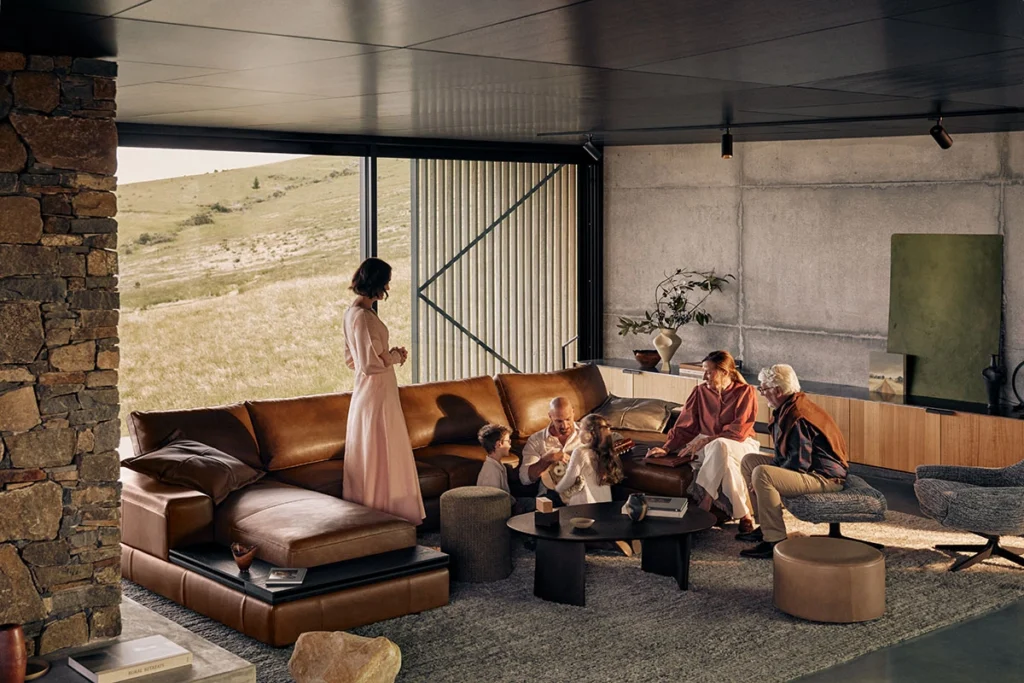
Among the most defining luxury interior design trends of 2026 is a collective move toward restraint. High-end clients are increasingly resistant to interiors that feel performative or trend-driven. Instead, they are drawn to what might be described as quiet confidence.
This aesthetic is characterized by calm palettes, architectural clarity, and tactile depth. Materials do the talking—often in monochromatic or tonal compositions that reveal their richness through texture and detail rather than contrast.
Design Characteristics High-End Clients Favor
- Subtle layering of natural materials such as stone, wood, and linen
- Minimal color stories anchored by nuanced neutrals
- Spaces that photograph well, yet feel even better to inhabit
In high-end interior design, luxury is now measured by how a space feels over time—not how it performs on first impression.
3. Sustainability as Cultural Capital
Sustainability has matured from a marketing concept into a marker of sophistication. High-end clients in 2026 are informed, curious, and increasingly critical. They are asking not only what materials are used, but why.
Within luxury interior design trends, sustainability is no longer defined by visible eco-signifiers. Instead, it is embedded discreetly into sourcing strategies, production processes, and lifecycle thinking.
What Clients Are Actively Requesting
- Low-impact materials with verified provenance
- Furniture designed for repair, longevity, and reuse
- Design narratives aligned with environmental and social responsibility
According to the World Green Building Council, sustainability-driven design decisions are now directly influencing long-term property value—an insight well understood by luxury real estate investors.
4. Craftsmanship in the Age of Technology
Technology has not diminished the value of craftsmanship; it has amplified it. High-end clients are increasingly drawn to pieces that demonstrate human intelligence and material mastery—especially when complemented by discreet technological integration.
In 2026, high-end interior design frequently merges artisanal production with advanced precision, resulting in furniture and spaces that feel both timeless and contemporary.
The New Craft Paradigm
- Hand-finished surfaces paired with digitally optimized structures
- Traditional techniques reinterpreted through modern forms
- Smart systems integrated invisibly into architectural elements
The goal is not to showcase technology, but to allow it to quietly enhance comfort, efficiency, and longevity.
5. Spaces Designed for Emotional Well-Being
Post-pandemic shifts continue to influence how clients perceive their homes. By 2026, emotional well-being is no longer an abstract concept—it is a concrete design parameter.
High-end clients are requesting interiors that support mental clarity, sensory comfort, and a sense of grounding. This has profound implications for bespoke interior design, particularly in private residences and hybrid live-work environments.
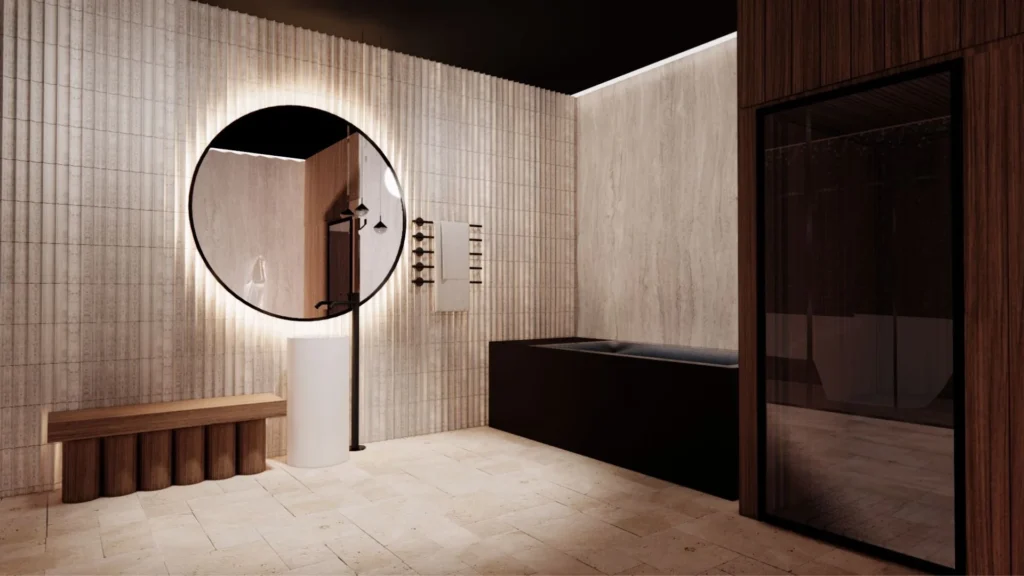
Design Responses to Well-Being
- Thoughtful acoustics and sound-absorbing materials
- Natural light optimization and circadian lighting strategies
- Spatial zoning that balances openness with retreat
Luxury, in this sense, is the ability to feel at ease—without sacrificing sophistication.
6. Cultural Depth and Global Perspective
High-net-worth individuals in 2026 are globally mobile and culturally fluent. They are less interested in replicating a single design style and more focused on creating interiors that reflect layered identities and international influences.
This has led to a more editorial approach to high-end interior design, where references are subtle, personal, and intellectually grounded.
What This Looks Like in Practice
- Furniture and objects collected over time, not sourced all at once
- Design narratives inspired by travel, art, and architecture
- Avoidance of overtly themed or geographically literal interiors
The result is a space that feels curated rather than decorated—authentic rather than staged.
7. Flexibility Without Compromise
While permanence remains a hallmark of luxury, flexibility has become equally important. High-end clients are thinking long-term, designing interiors that can evolve without requiring complete reinvention.
In response, luxury interior design trends in 2026 emphasize modularity, adaptability, and intelligent planning.
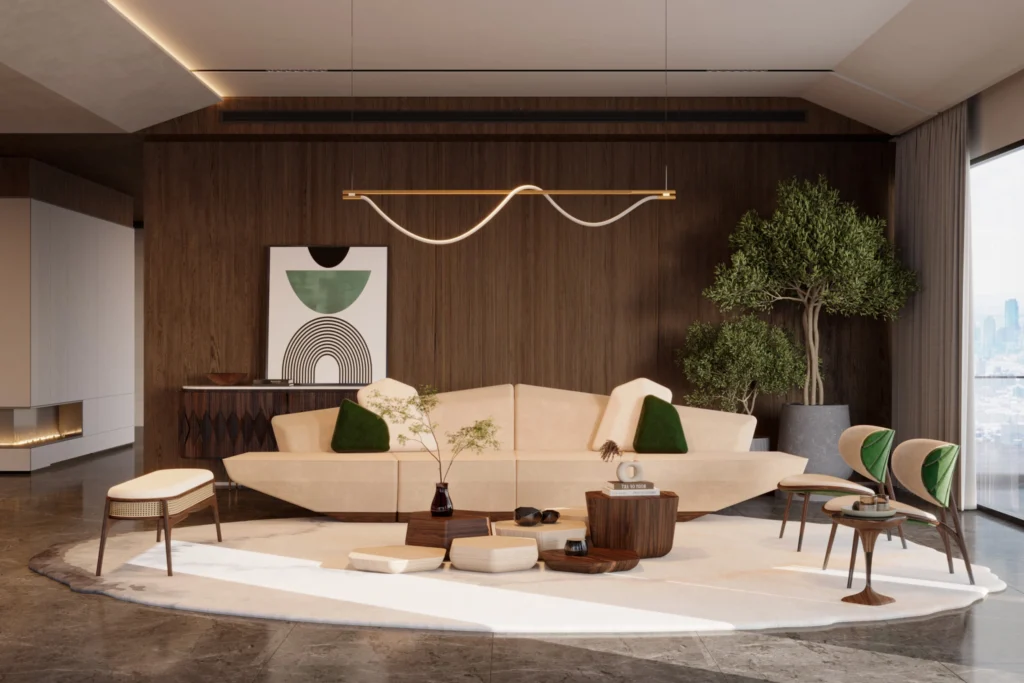
Key Client Priorities
- Furniture systems that adapt to changing needs
- Layouts that allow for future reprogramming
- Design choices that remain relevant over decades
This approach reflects a deeper understanding of luxury as a living, evolving concept.
The New Luxury Is Thoughtful, Personal, and Enduring
What high-end clients are asking for in 2026 reveals a profound shift in values. Luxury is no longer defined by excess or visibility, but by intention, intelligence, and emotional resonance.
As bespoke interior design becomes the standard rather than the exception, the role of designers, architects, and brands is evolving. Success lies in the ability to listen deeply, think critically, and design with cultural awareness.
In this new era of high-end interior design, the most compelling interiors are those that feel inevitable—spaces where every detail makes sense, and nothing needs to announce itself. That is the future high-end clients are already living toward.