Urban Design Destinations are redefining the way creativity, architecture, and culture influence contemporary living. Today, cities are more than economic or cultural centers — they have become global sources of inspiration for designers, architects, and creatives.
From Mediterranean capitals to modern Asian metropolises, urban environments shape trends in interiors, hospitality, architecture, and lifestyle. As a result, Urban Design Destinations continue to influence the future of global design culture.
Cities as Creative Ecosystems
Modern cities function as creative ecosystems where architecture, art, fashion, gastronomy, and design coexist.
This combination creates environments that constantly inspire innovation and new aesthetic perspectives. Consequently, designers increasingly travel to urban centers to experience different approaches to space, materials, and cultural identity.
Because of this, Urban Design Destinations play a central role in shaping contemporary creative thinking.
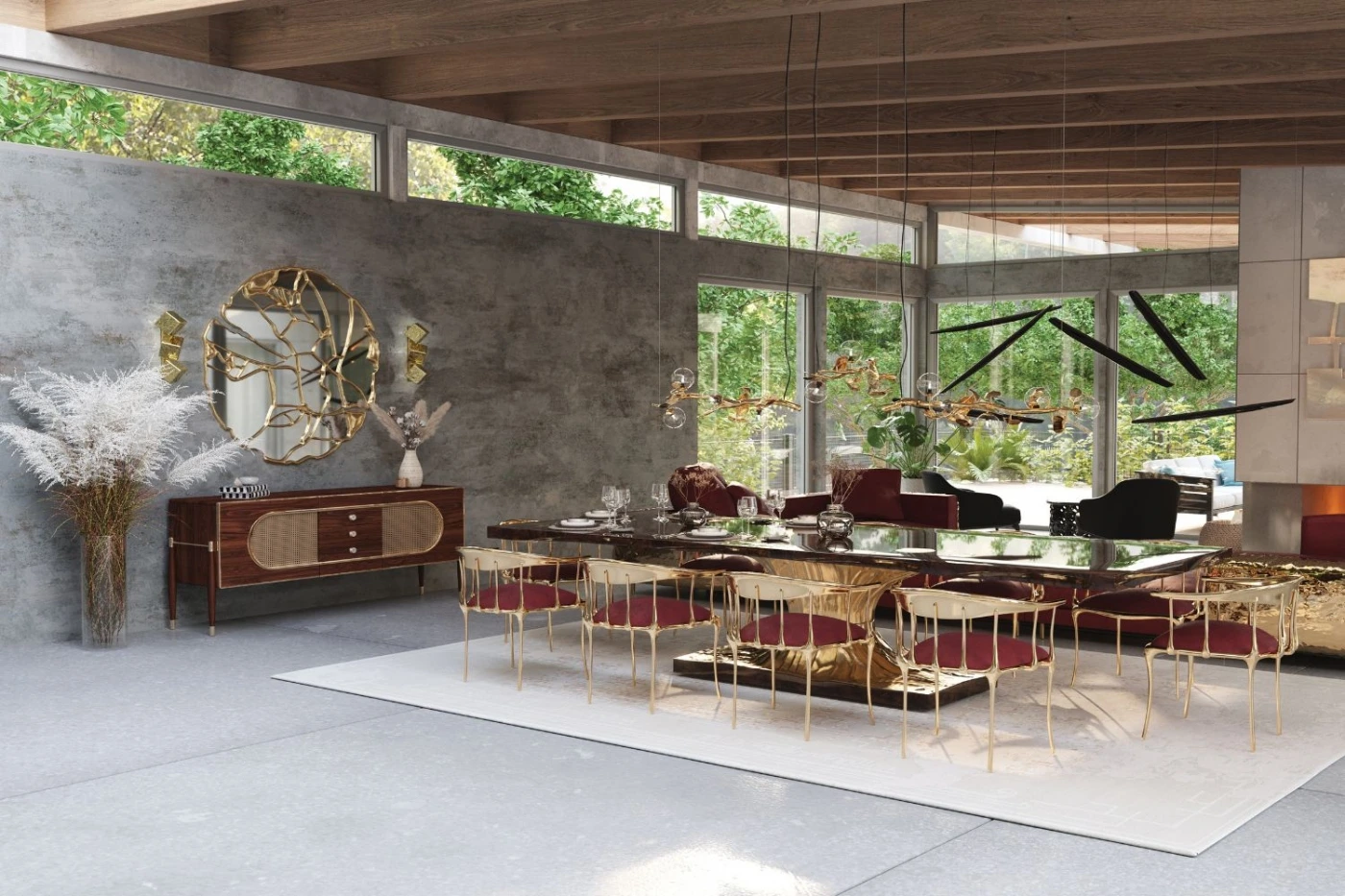
Architecture Defining Urban Identity
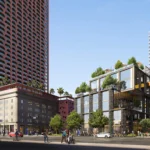
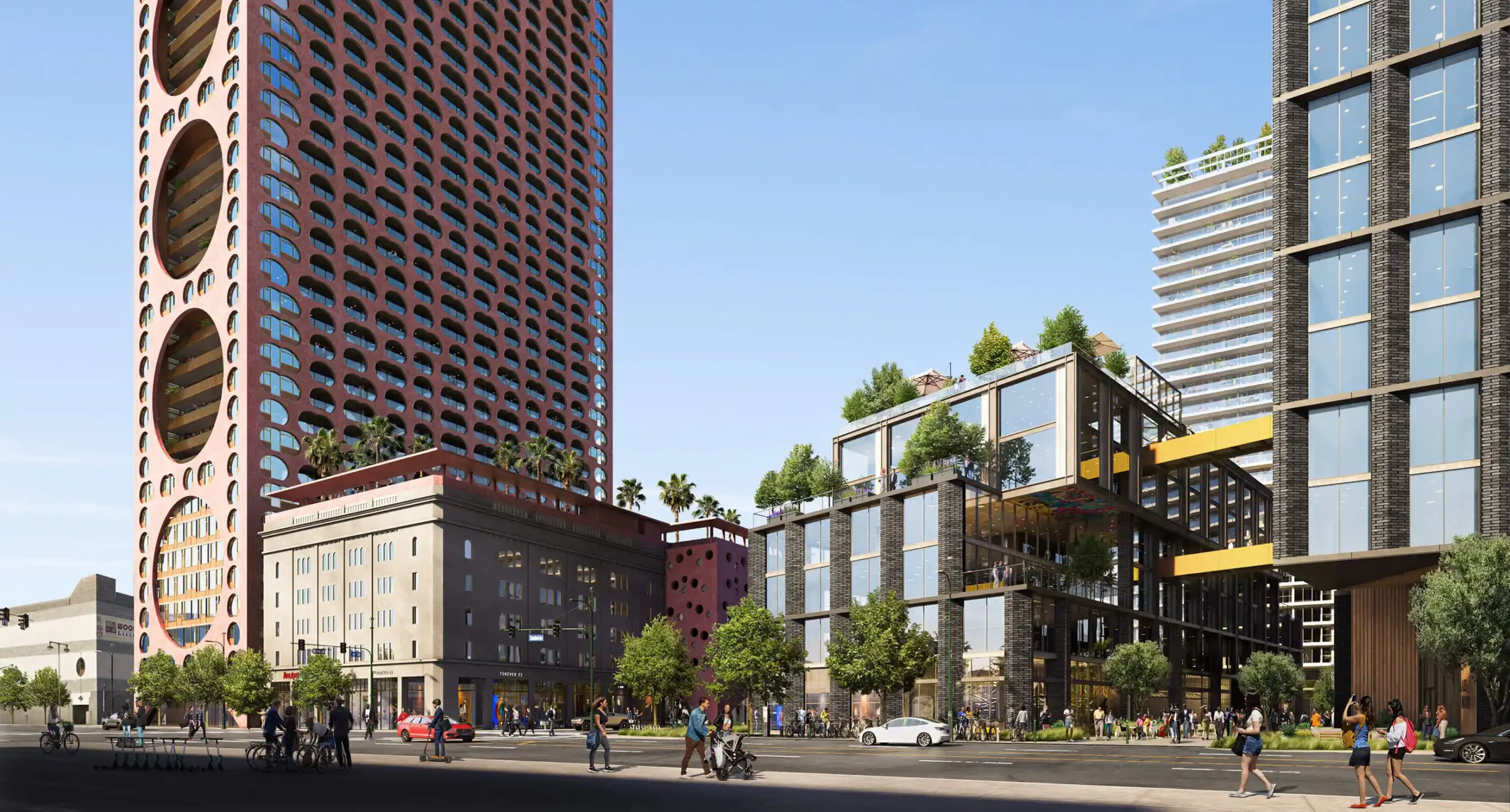
Architecture is one of the strongest elements defining Urban Design Destinations.
Historic buildings coexist with contemporary structures, creating visual contrasts that reflect the evolution of each city. In addition, urban architecture influences how people experience movement, light, public space, and social interaction.
As a result, cities become living references for contemporary design inspiration.
Interiors Influenced by Urban Culture
Urban culture strongly influences contemporary interiors.
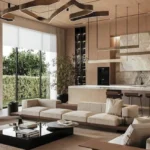
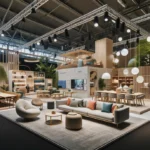
Boutique hotels, creative studios, concept stores, galleries, and residential spaces often reflect the atmosphere and identity of the cities where they are located. Moreover, local materials, craftsmanship, and cultural traditions contribute to more authentic interior experiences.
Therefore, Urban Design Destinations shape interiors that feel globally connected while maintaining strong local character.
Creative Hospitality and Lifestyle
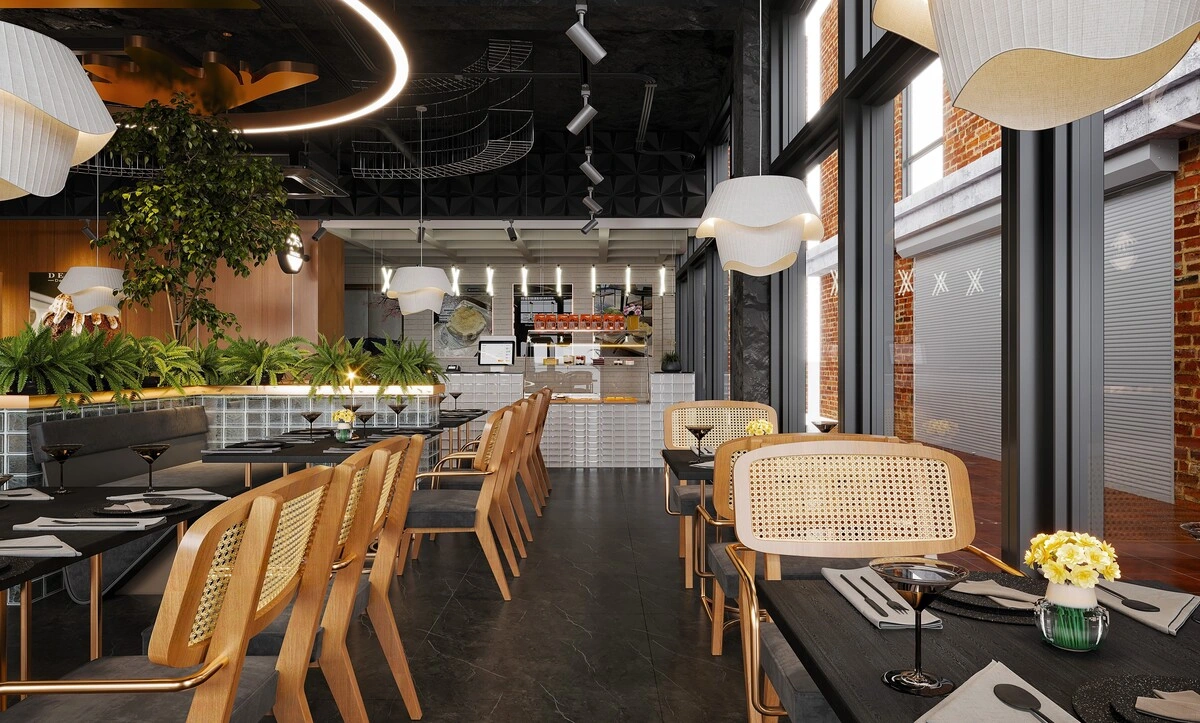
Hospitality design has become an important part of Urban Design Destinations.
Modern hotels, restaurants, and cultural spaces increasingly focus on immersive experiences that combine architecture, atmosphere, and storytelling. In addition, many urban hospitality projects now function as cultural landmarks themselves.
Consequently, contemporary travel experiences are deeply connected to design and creative lifestyle.
The Influence of Art and Cultural Spaces
Art districts, museums, galleries, and cultural institutions contribute significantly to Urban Design Destinations.
These creative spaces encourage experimentation and inspire new visual languages across architecture and interiors. Furthermore, public art and cultural programming strengthen the connection between creativity and urban identity.
As a result, cities become dynamic environments for innovation and artistic exchange.
Sustainability and Future Urban Living
Sustainability is increasingly shaping the future of Urban Design Destinations.
Designers and architects are creating greener cities through adaptive reuse, walkable neighborhoods, natural integration, and environmentally conscious architecture.
Moreover, urban spaces are evolving to support wellbeing, community, and more balanced lifestyles.
Because of this, contemporary cities are becoming more human-centered and environmentally aware.
Global Influence on Contemporary Design
The influence of Urban Design Destinations can be seen throughout contemporary architecture and interiors.
Layered aesthetics, multicultural references, industrial textures, and locally inspired materials all reflect the energy and diversity of modern cities.
In addition, designers reinterpret urban influences through minimalist, sophisticated, and globally relevant perspectives.
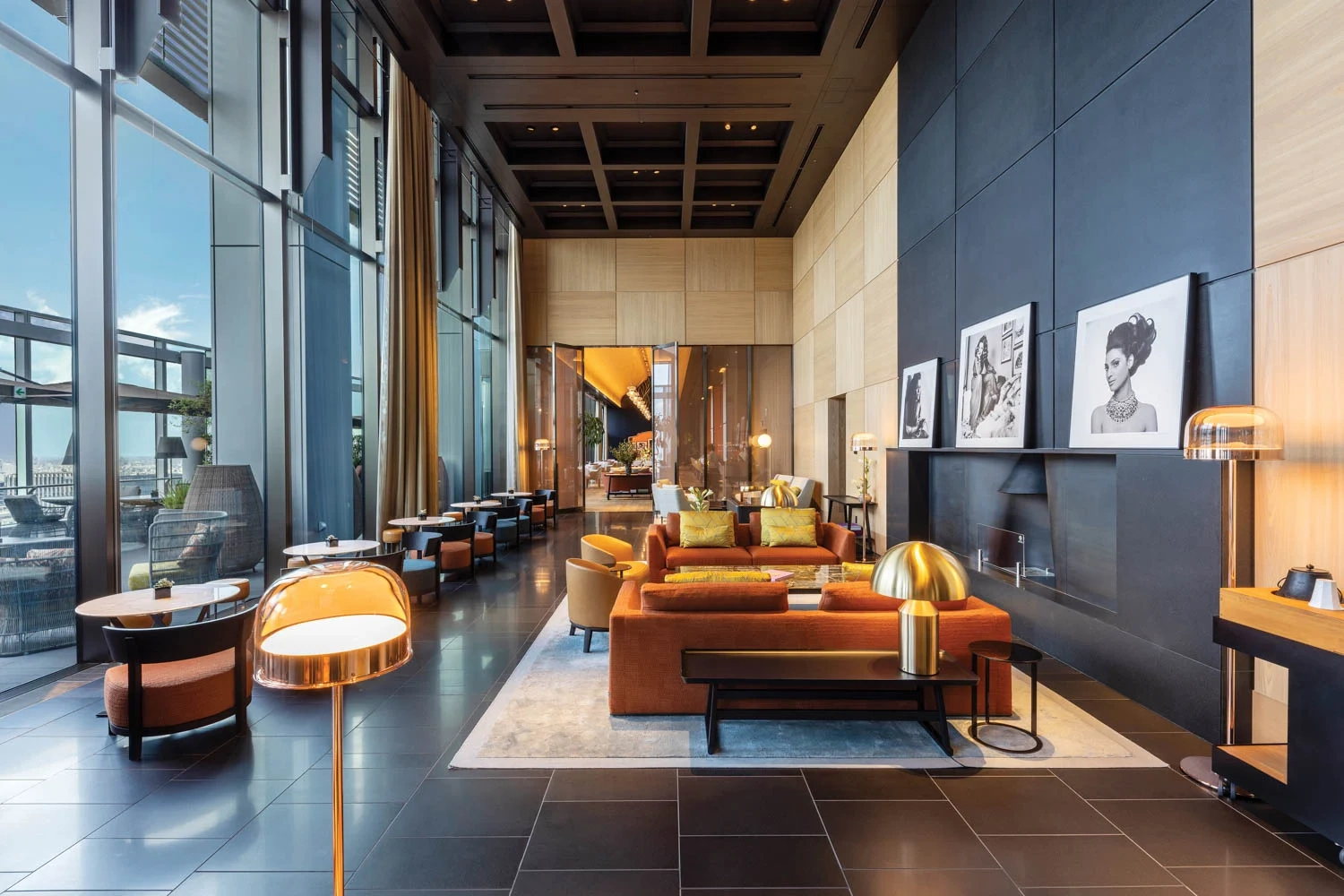
Technology and Contemporary Urban Spaces
Technology also plays a major role in shaping modern urban environments.
Smart architecture, adaptive lighting, sustainable systems, and digital experiences are increasingly integrated into contemporary city design. As a result, urban spaces become more efficient, interactive, and connected to modern lifestyles.
This balance between technology and human experience defines much of today’s urban creativity.
Conclusion
Urban Design Destinations continue to shape contemporary creativity through architecture, culture, and innovation.
They transform cities into living sources of inspiration that influence interiors, hospitality, lifestyle, and modern design language.
Ultimately, urban environments remain essential in defining the future of contemporary global design.