

In contemporary interiors, the dining room has evolved from a purely functional space into a stage for dialogue, celebration, and aesthetic expression. For architects, interior designers, and discerning homeowners, upholstered dining chairs represent more than a decorative choice; they embody a commitment to comfort, material integrity, and long-term performance. As residential and hospitality spaces increasingly blur in sensibility, the demand for luxury dining chairs that balance tactile refinement with durability has never been greater.
This article explores how fabric dining chairs perform over time, how to select upholstery materials wisely, and how to maintain them for decades of use—an essential consideration in high-value residential projects and premium real estate developments.
The Enduring Appeal of Upholstered Dining Chairs
The contemporary preference for upholstered dining chairs is rooted in both ergonomics and atmosphere. Unlike hard-surface seating, upholstered designs soften architectural lines and introduce texture into otherwise minimalist environments. They absorb sound, add visual warmth, and encourage guests to linger.
In luxury residences, especially open-plan layouts, dining zones often integrate seamlessly with living spaces. Here, luxury dining chairs must perform aesthetically from multiple angles. Fully upholstered silhouettes or fabric-backed forms contribute to visual continuity while elevating the sensory experience of the room.
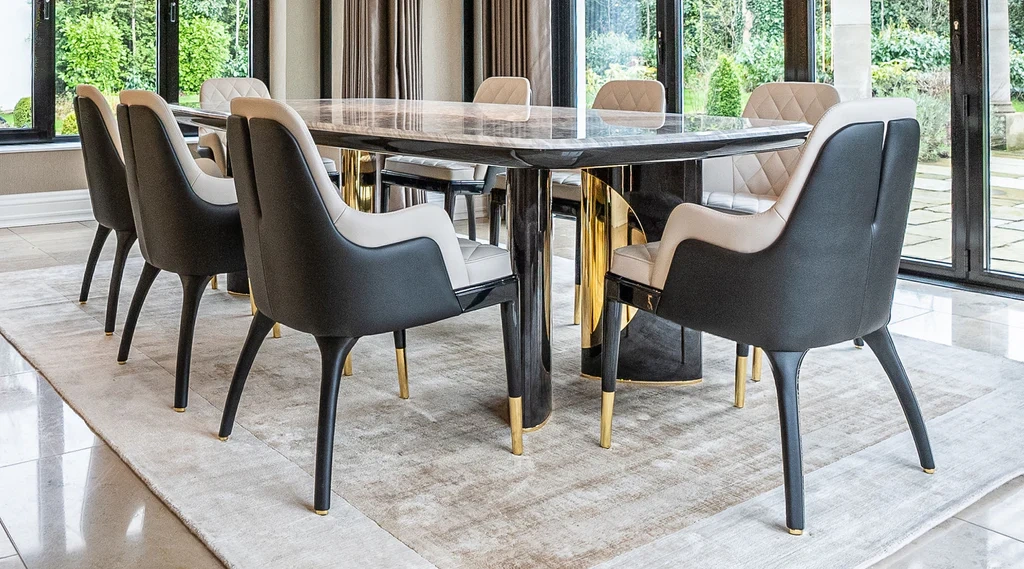
Why Comfort Matters in High-End Dining Spaces
For international clients accustomed to extended dinner gatherings, comfort is non-negotiable. Properly designed fabric dining chairs support posture while allowing relaxed seating over long durations. Key comfort factors include:
- High-density foam cores that retain structure over time
- Ergonomic seat depth (typically 40–45 cm for residential use)
- Supportive backrest curvature aligned with natural spinal contours
- Breathable upholstery textiles that regulate temperature
When thoughtfully specified, upholstered dining chairs transform dining from a functional pause into an immersive experience.
Material Selection: Fabric, Frame, and Construction
The longevity of luxury dining chairs depends on the harmony between upholstery material, internal structure, and craftsmanship. Material selection must reflect both the intensity of use and the architectural language of the space.
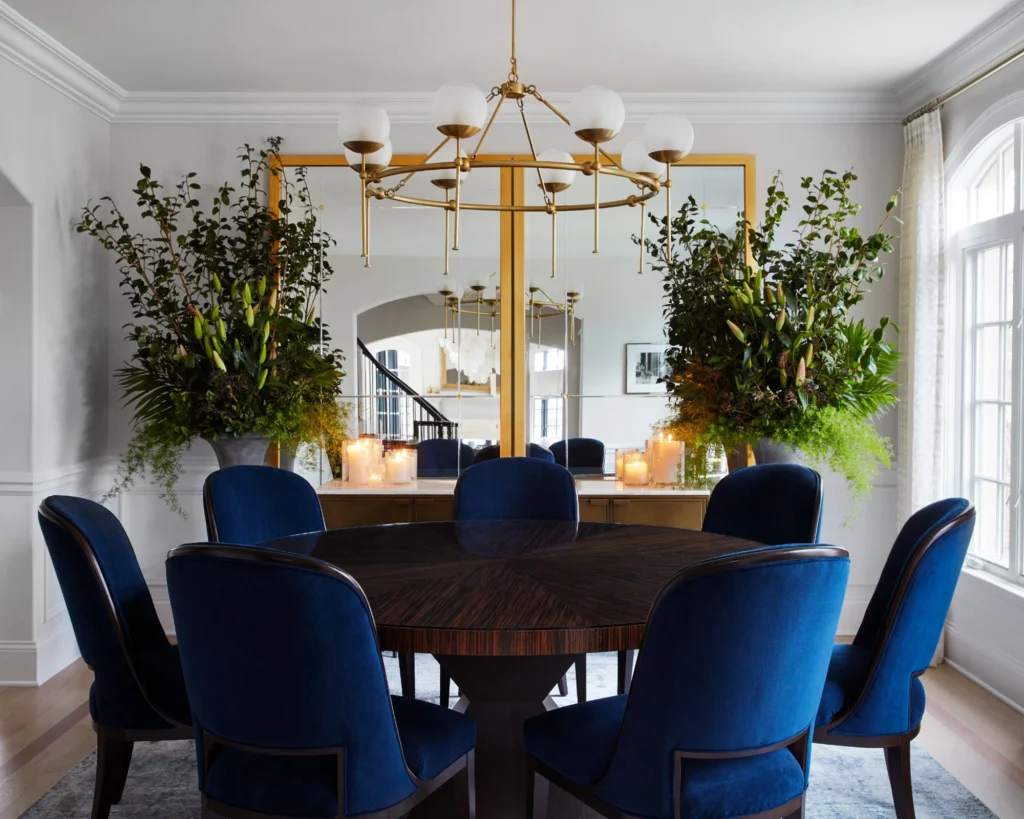
Choosing the Right Fabric
The term fabric dining chairs encompasses a wide range of textiles—from natural linens to performance blends engineered for resilience. Professionals should consider:
- Martindale or Wyzenbeek ratings for abrasion resistance
- Stain-resistant treatments for hospitality or family homes
- Colorfastness in sunlit interiors
- Texture and weave density for visual depth
According to the Architectural Digest upholstery guide, performance fabrics now combine tactile sophistication with advanced durability, making them particularly suitable for dining environments.
Structural Integrity: What Lies Beneath
Even the most refined upholstered dining chairs will fail prematurely if the internal frame is compromised. Kiln-dried hardwood frames, reinforced joinery, and high-resilience webbing systems ensure that luxury dining chairs maintain form and stability for years.
Professionals specifying fabric dining chairs for large-scale projects should request:
- Detailed construction drawings
- Warranty information on frame and foam
- Fire-retardant certifications for commercial spaces
- Replaceable or removable upholstery options
Such due diligence ensures that design ambition aligns with functional endurance.
Maintenance Strategies for Long-Term Use
Contrary to common misconceptions, upholstered dining chairs are not inherently fragile. With proper care protocols, they can outlast many hard-surface alternatives.
Routine Care Guidelines
- Vacuum upholstery weekly using a soft brush attachment
- Address spills immediately with blotting—not rubbing
- Rotate chairs periodically to distribute wear evenly
- Avoid prolonged direct sunlight exposure
These straightforward practices preserve both the structural integrity and visual appeal of luxury dining chairs.
Professional Cleaning and Fabric Protection
For high-traffic environments, annual professional cleaning is recommended. Many fabric dining chairs benefit from advanced protective treatments that repel moisture and oil-based stains without altering texture.
In luxury residential developments, maintenance guidelines are often provided to homeowners as part of the interior handover package. This proactive approach safeguards the investment in upholstered dining chairs while reinforcing brand credibility.
Upholstered Dining Chairs in Contemporary Design Contexts
The resurgence of luxury dining chairs reflects broader cultural shifts toward comfort-driven minimalism and material authenticity. In urban penthouses, coastal villas, and boutique hospitality projects, fabric dining chairs soften architectural rigor while maintaining sculptural presence.
Minimalist Architecture Meets Textile Warmth
In spaces dominated by stone, glass, and metal, upholstered dining chairs introduce essential tactility. Neutral bouclé, textured linen, and fine wool blends create visual contrast without disrupting minimalist palettes.
Transitional and Eclectic Interiors
In more layered interiors, luxury dining chairs serve as focal points—through subtle piping details, tonal embroidery, or distinctive silhouettes. Here, fabric dining chairs become design statements while maintaining ergonomic excellence.
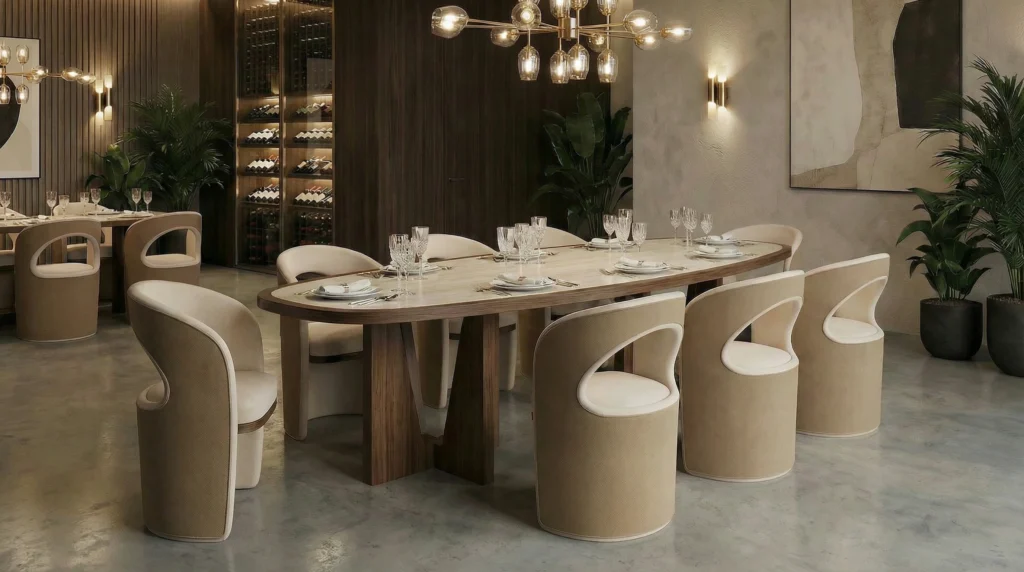
Longevity as a Design Philosophy
For architects and high-net-worth clients, sustainability increasingly aligns with durability. Selecting upholstered dining chairs engineered for longevity reduces replacement cycles and environmental impact.
Designing for Decades
Long-term use depends on:
- Timeless silhouettes over trend-driven forms
- Neutral or adaptable upholstery palettes
- Modular or reupholsterable designs
- High-performance cushioning materials
When properly maintained, luxury dining chairs can be reupholstered to reflect evolving tastes while preserving structural investment. This adaptability makes fabric dining chairs particularly suitable for legacy properties and multi-generational residences.
Common Questions About Upholstered Dining Chairs
Are upholstered dining chairs suitable for everyday use?
Yes. High-quality upholstered dining chairs designed with performance textiles and durable frames are entirely appropriate for daily residential use and even light commercial settings.
How long do luxury dining chairs typically last?
With proper maintenance, luxury dining chairs constructed from premium materials can last 10–20 years or more. Reupholstery can extend the lifespan further without compromising structural integrity.
Are fabric dining chairs difficult to clean?
Modern fabric dining chairs often feature stain-resistant treatments. Regular maintenance and prompt spill management significantly reduce cleaning challenges.
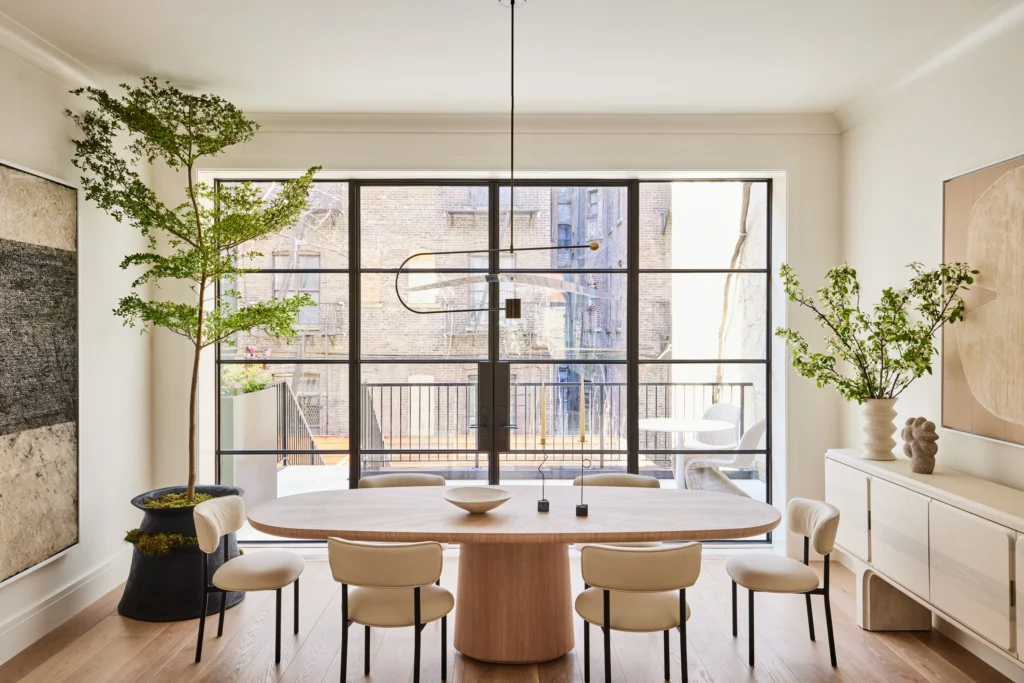
The Investment Perspective
In the realm of high-end interiors, upholstered dining chairs represent both a design decision and a financial consideration. Premium seating enhances perceived property value, particularly in staged residences or luxury real estate listings where dining spaces contribute to emotional impact.
For developers and interior consultants, specifying luxury dining chairs signals attention to detail and commitment to occupant experience. In hospitality-inspired homes, fabric dining chairs elevate everyday rituals into curated experiences.
Comfort as Cultural Capital
The contemporary dining room is no longer a transitional space—it is a social nucleus. Upholstered dining chairs offer the rare convergence of elegance, ergonomic intelligence, and long-term resilience. When thoughtfully selected and properly maintained, luxury dining chairs become enduring design assets rather than consumable furnishings.
For architects, designers, and global homeowners alike, fabric dining chairs embody a refined philosophy: that comfort, craftsmanship, and longevity are not indulgences but essentials of modern living.