

In contemporary residential architecture, transition spaces are no longer residual corridors to be passed through unnoticed. Hallways, vestibules, and landings have evolved into architectural moments that shape first impressions and frame the rhythm of movement within a home. For architects, interior designers, and discerning homeowners, these areas present a compelling design opportunity: to balance circulation with character, restraint with expression.
This exploration of transition spaces considers how to approach hallway furniture ideas, curate refined entryway furniture, and define a thoughtful landing furniture layout—all while mastering the art of narrow hallway decorating. In a global design landscape increasingly focused on experiential living, these spaces deserve deliberate attention.
The Architectural Role of Transition Spaces
Historically, corridors were conceived as purely functional connectors. Yet in today’s luxury residences—whether a Manhattan townhouse, a Parisian pied-à-terre, or a Mediterranean villa—hallways and landings often serve as visual axes, gallery walls, and spatial buffers between public and private realms.
According to the Royal Institute of British Architects (RIBA), circulation accounts for a significant percentage of a building’s floor area. When treated as intentional design zones rather than leftover square footage, these areas enhance both property value and lived experience.
For high-net-worth homeowners and developers, investing in well-considered entryway furniture and tailored hallway furniture ideas elevates the narrative of the home from the first step inside.
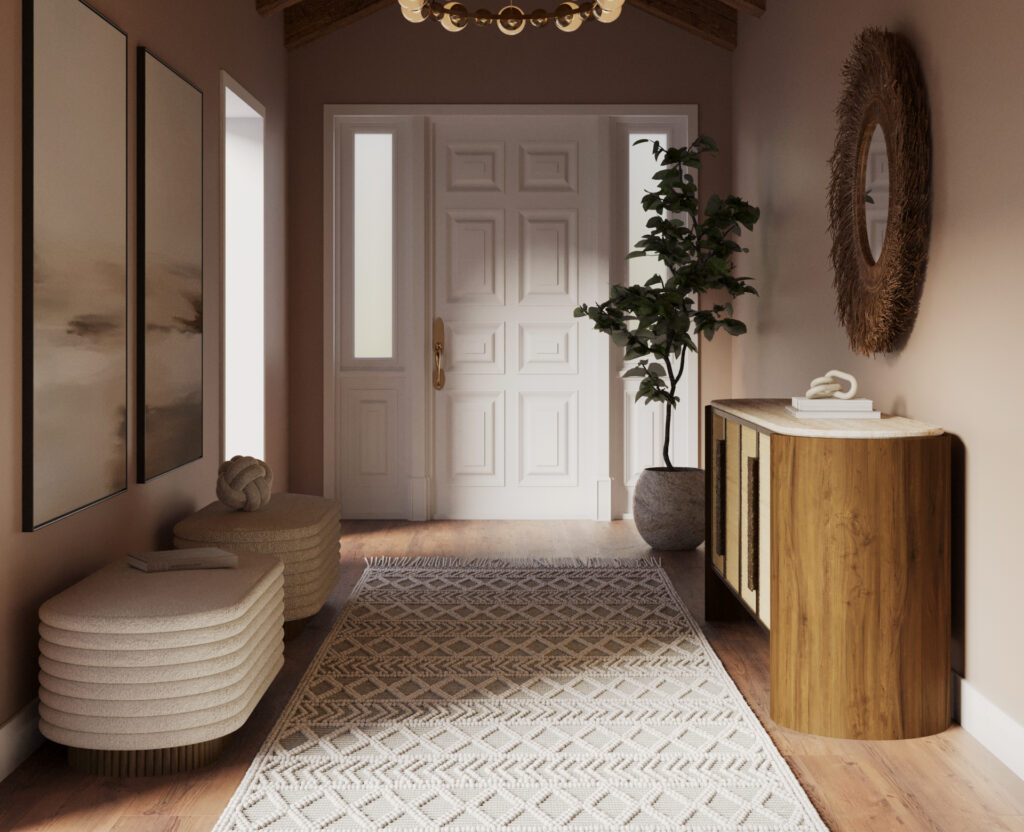
Hallway Furniture Ideas: Designing with Precision and Poise
Refined hallway furniture ideas begin with proportion. Unlike expansive living rooms, corridors demand disciplined spatial planning. The objective is to enrich without encumbering, to furnish without narrowing circulation.
1. The Console as Architectural Anchor
A slender console table remains one of the most enduring hallway furniture ideas. Crafted in solid walnut, lacquer, or metal with stone inlay, it introduces material depth without overwhelming the footprint.
- Depth: Ideally between 30–40 cm for unobstructed passage.
- Height: Aligned with eye level artwork or mirrors above.
- Storage: Discreet drawers maintain visual clarity.
Paired with sculptural lighting and curated objects, the console becomes both functional and ceremonial.
2. Integrated Storage Walls
For contemporary residences, bespoke millwork offers elevated hallway furniture ideas that dissolve storage into architecture. Flush cabinetry, reeded panels, or fluted wood surfaces add texture while maintaining a seamless envelope—particularly valuable in narrow hallway decorating strategies.
3. Sculptural Seating Moments
A single upholstered bench or compact armchair can transform a corridor into a pause point. In larger properties, transitional zones become micro-lounges—inviting reflection between rooms.
Entryway Furniture: The Art of First Impressions
The entrance hall functions as both threshold and statement. Thoughtfully curated entryway furniture establishes tone, material palette, and spatial hierarchy.
Layering Entryway Furniture with Purpose
Successful entryway furniture compositions often include:
- A refined console or pedestal table
- An oversized mirror or contemporary artwork
- Architectural lighting (pendant or wall sconces)
- A sculptural bench or ottoman
In grand foyers, circular tables anchor the space beneath a chandelier, while in compact apartments, wall-mounted solutions optimize circulation. The key is balance—allowing entryway furniture to define arrival without creating congestion.
Material Intelligence in Entryway Furniture
High-traffic areas require durable yet luxurious finishes. Consider:
- Stone tops resistant to wear
- Solid hardwood frames
- Performance upholstery fabrics
- Brushed metal details that conceal patina
When entryway furniture reflects both craftsmanship and resilience, it sustains its elegance over time.
Landing Furniture Layout: Elevating the Overlooked
Upper-level landings frequently remain underutilized. Yet a well-considered landing furniture layout can transform this transitional platform into a meaningful destination.
1. Reading Nook Configurations
In family residences or private estates, a landing furniture layout may include a lounge chair, side table, and floor lamp—creating a secluded reading enclave overlooking stair voids or courtyards.
2. Gallery-Inspired Arrangements
For art collectors, the landing furniture layout can frame curated pieces. A minimalist bench beneath a series of works offers contemplation space while preserving openness.
3. Functional Micro-Studios
Remote work has influenced residential planning. A compact desk integrated into a landing furniture layout introduces productivity without compromising bedroom privacy. Here, precision in scale and cable management is essential.
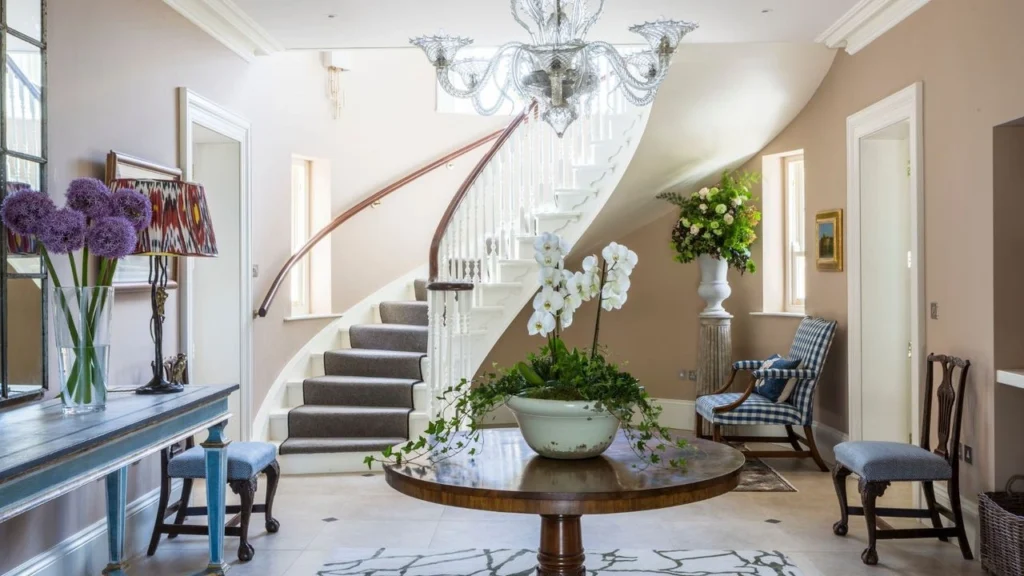
Narrow Hallway Decorating: Strategies for Spatial Expansion
Designing for constrained proportions requires both technical rigor and aesthetic sensitivity. Effective narrow hallway decorating enhances perceived width and luminosity.
Visual Expansion Techniques
- Mirrors: Amplify light and extend sightlines.
- Continuous Flooring: Maintain material consistency to elongate perspective.
- Vertical Elements: Tall artwork or paneling draws the eye upward.
- Recessed Lighting: Avoid bulky fixtures that encroach on headroom.
Minimal Depth, Maximum Impact
In narrow hallway decorating, every centimeter counts. Floating shelves, wall-mounted consoles, and integrated niches prevent visual heaviness. A disciplined palette—soft neutrals, warm woods, muted stone—ensures serenity rather than compression.
Lighting as Spatial Choreography
Lighting defines atmosphere in transition spaces. Linear LED systems integrated into ceiling coves can guide movement subtly, while sculptural pendants punctuate vertical voids above staircases.
When aligned with hallway furniture ideas and entryway furniture compositions, lighting should:
- Enhance material textures.
- Create layered illumination (ambient, task, accent).
- Maintain proportional harmony with ceiling height.
A considered lighting plan elevates even the most restrained landing furniture layout into a dramatic architectural statement.
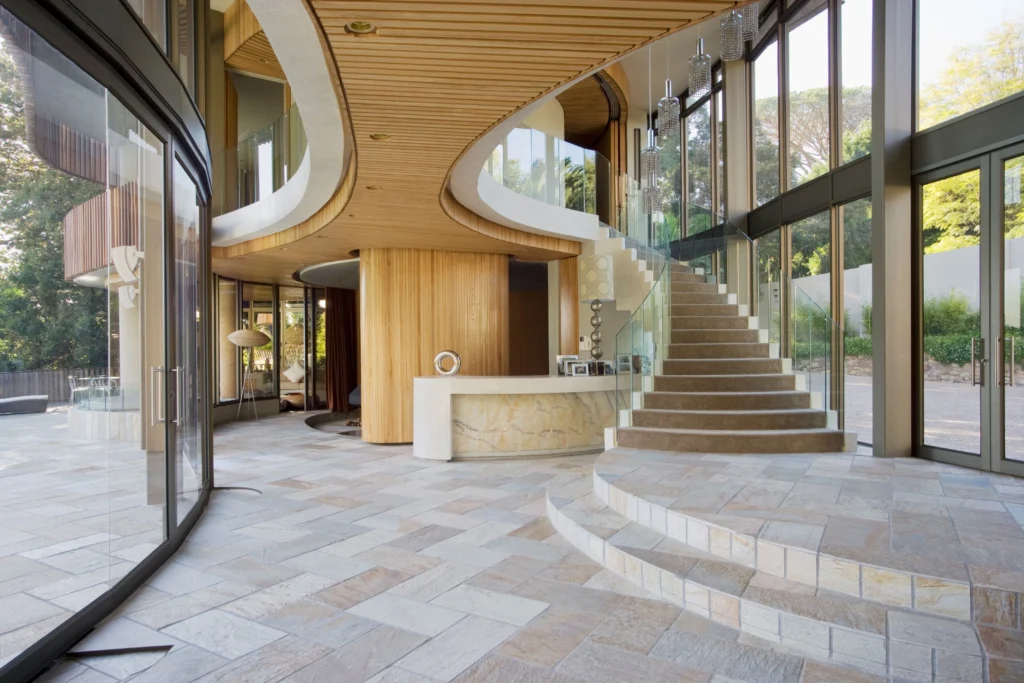
From Passage to Experience: Designing Emotional Continuity
Beyond functionality, transition spaces influence emotional perception. A thoughtfully composed sequence—from entryway furniture ensemble to hallway furniture ideas executed with precision—establishes a narrative flow throughout the residence.
In luxury real estate, these subtle gestures distinguish exceptional properties from merely large ones. Narrow hallway decorating becomes not a limitation, but a creative challenge. A landing furniture layout becomes a quiet retreat rather than an empty square of floor.
Sustainable and Cultural Considerations
Global design increasingly values sustainability and cultural authenticity. Responsibly sourced timber, artisanal craftsmanship, and timeless silhouettes ensure that hallway furniture ideas endure beyond seasonal trends.
For internationally minded clients, integrating regional materials—Italian marble, Scandinavian oak, Japanese-inspired minimalism—imbues entryway furniture and landing furniture layout decisions with narrative depth.
Practical Guidelines for Professionals
For architects and designers specifying transition spaces in high-end projects:
- Maintain minimum circulation widths aligned with local building codes.
- Coordinate electrical planning early for lighting and integrated storage.
- Specify durable finishes for high-touch surfaces.
- Use narrow hallway decorating techniques to enhance light distribution.
- Ensure entryway furniture proportions respond to door swing and sightlines.
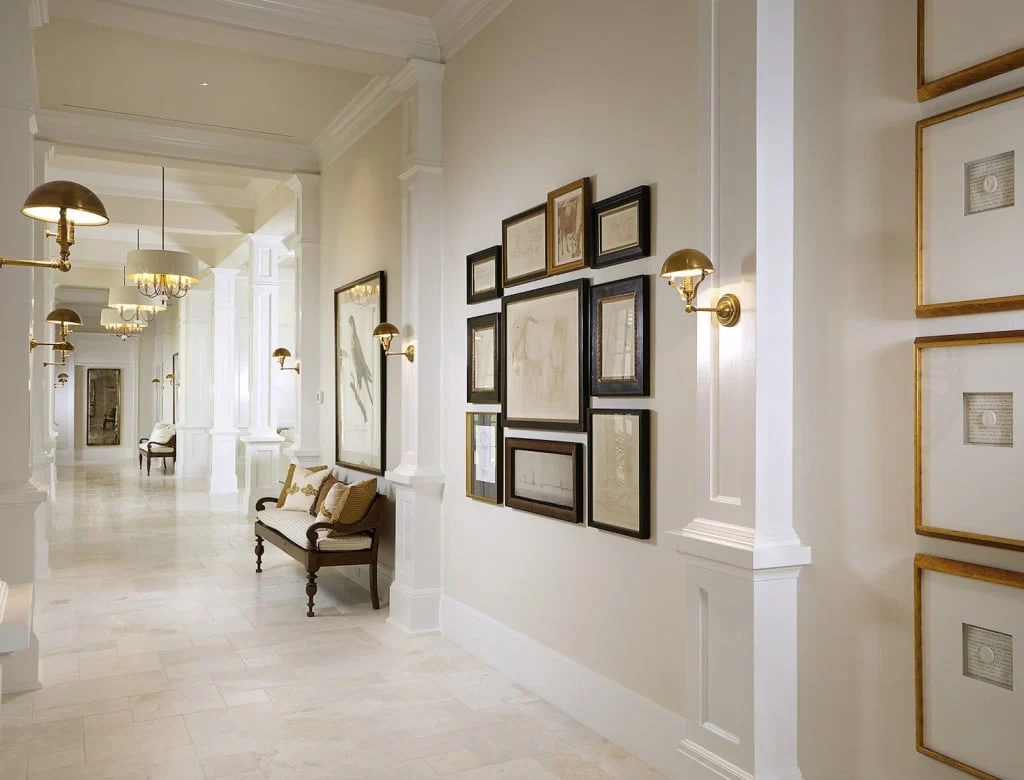
The Power of Intentional Passage
Transition spaces articulate the cadence of a home. When guided by strategic hallway furniture ideas, refined entryway furniture selections, and a purposeful landing furniture layout, these areas transcend their utilitarian origins.
Through disciplined narrow hallway decorating and material intelligence, corridors and landings become immersive experiences—framing art, amplifying light, and offering moments of pause between destinations.
For design professionals and discerning homeowners alike, the message is clear: the spaces in between matter. They shape perception, define movement, and ultimately elevate the entire architectural composition.
In the language of luxury interiors, even the passageway speaks.