

Between Permanence and the Pulse of the Present
In today’s design landscape, the dialogue between timeless and trend-driven aesthetics has become increasingly nuanced. For architects and interior designers working at the highest level, furniture specification is no longer a binary choice between classic restraint and contemporary expression. Instead, it is a calibrated balance—one that reflects cultural awareness, sustainability concerns, and the evolving expectations of globally minded clients.
Whether designing a private residence, a luxury hospitality project, or a flagship development, professionals are tasked with selecting luxury furniture that transcends fleeting fashions while remaining responsive to the spirit of the moment. This article explores how today’s leading architects and designers navigate the tension between timeless design and trend-led innovation, and what this reveals about the future of modern furniture and contemporary furniture specification.
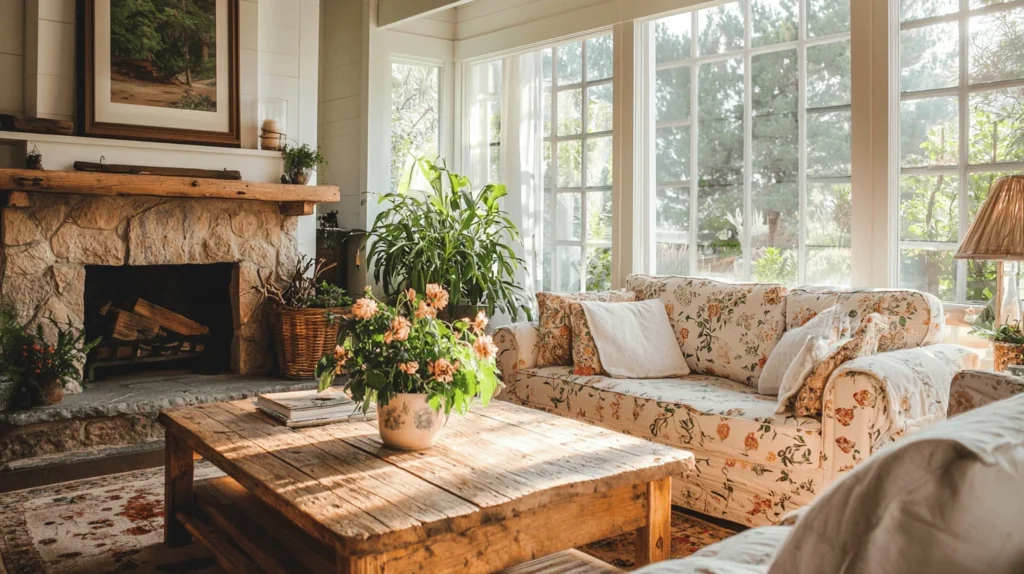
Defining Timeless Furniture in a Contemporary Context
Timeless furniture is often misunderstood as conservative or static. In reality, it is defined not by nostalgia, but by enduring relevance. Architects and designers tend to classify furniture as timeless when it demonstrates an exceptional synthesis of proportion, material integrity, craftsmanship, and functional clarity.
The Hallmarks of Timeless Design
- Architectural proportion that remains visually balanced across decades
- Authentic materials such as solid wood, natural stone, leather, and refined metals
- Neutral yet expressive palettes that adapt to evolving interiors
- Design integrity rooted in function rather than ornament
In high-end residential and commercial projects, timeless luxury furniture serves as a visual anchor. It provides continuity across renovations, ownership changes, and stylistic evolutions—an attribute particularly valued in prime real estate and heritage-sensitive environments.
The Rise of Trend-Driven Furniture: Cultural Relevance and Experimentation
While timelessness remains a cornerstone of specification, trend-driven furniture has gained renewed legitimacy. Far from being superficial, contemporary trends often reflect deeper cultural, technological, and social shifts.
Why Designers Embrace Trends Selectively
Architects and designers increasingly use modern furniture with trend-forward elements to signal relevance and innovation. This is especially evident in hospitality, retail, and branded residential projects, where differentiation and emotional impact are critical.
- Curved and sculptural forms inspired by art and biomorphism
- Textural experimentation with bouclé, lacquer, and high-gloss finishes
- Color narratives informed by fashion, art fairs, and cultural movements
- Technological integration and modular flexibility
Trend-driven contemporary furniture allows designers to tell a story—one that resonates with the present moment while enriching the spatial experience.
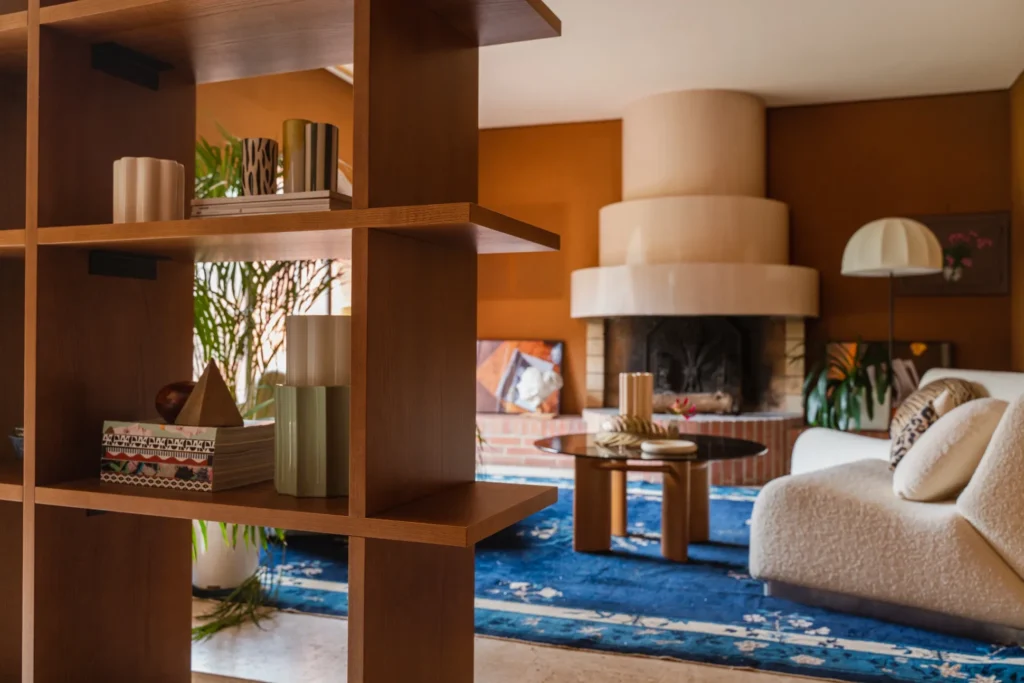
Specification Today: A Hybrid Approach
The most compelling interiors today rarely rely exclusively on one philosophy. Instead, architects and designers adopt a hybrid approach, layering timeless foundations with carefully curated trend-led pieces.
Where Timeless Furniture Takes Priority
In most projects, core investment pieces are selected for longevity:
- Sofas and lounge seating
- Dining tables and conference tables
- Case goods and built-in furniture
These elements often define the architectural rhythm of a space and are specified as enduring luxury furniture pieces that will age gracefully.
Where Trends Are Strategically Applied
Trend-driven selections are typically reserved for elements that are easier to update or reinterpret:
- Accent chairs and occasional seating
- Side tables and decorative furniture
- Upholstery, finishes, and surface treatments
This strategy allows interiors to evolve without compromising long-term value or sustainability.
The Influence of Sustainability and Longevity
Sustainability has fundamentally reshaped how furniture is specified. Today’s clients—particularly high-net-worth individuals—expect transparency, durability, and ethical production alongside aesthetic excellence.
Timelessness as a Sustainable Principle
Choosing timeless modern furniture is increasingly seen as an экологically responsible decision. Furniture designed to endure reduces waste, minimizes replacement cycles, and supports responsible material sourcing.
According to the Ellen MacArthur Foundation, extending the life of products is a critical component of a circular economy, particularly in design and construction industries (https://ellenmacarthurfoundation.org).
How Trends Are Adapting to Sustainability
Notably, trend-driven contemporary furniture is also evolving. Designers increasingly favor:
- Modular systems that can be reconfigured
- Materials with recycled or low-impact origins
- Designs that allow for reupholstery or refinishing
This convergence of trend awareness and sustainability signals a more mature, responsible approach to contemporary design.
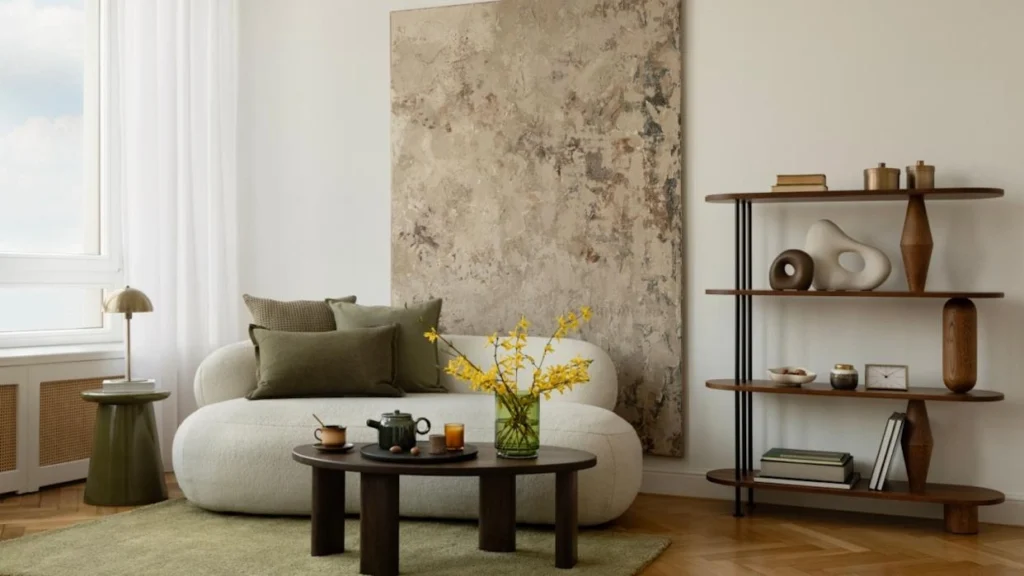
What High-End Clients Are Asking For
Client expectations play a decisive role in furniture specification. Across luxury residential, hospitality, and mixed-use projects, a clear pattern has emerged.
Key Client Priorities
- Longevity and investment value in core furniture pieces
- Distinctive design that reflects personal or brand identity
- Comfort and usability without compromising aesthetics
- Cultural and environmental awareness
As a result, architects and designers increasingly position luxury furniture not as decoration, but as a strategic asset within the overall architectural concept.
The Role of Furniture Brands in Design-Led Specification
Premium furniture brands today are expected to do more than follow trends or reproduce classics. They are valued as creative partners—offering design intelligence, customization, and a deep understanding of spatial context.
From Product to System
Architects gravitate toward collections that function as coherent systems rather than isolated objects. This approach allows modern furniture and contemporary furniture to integrate seamlessly across multiple zones and scales within a project.
Flexibility, bespoke finishes, and architectural consistency are increasingly decisive factors in specification.
Looking Forward: The Future of Furniture Specification
The distinction between timeless and trend-driven furniture is becoming less rigid. Instead, the future lies in designs that are both of their time and capable of transcending it.
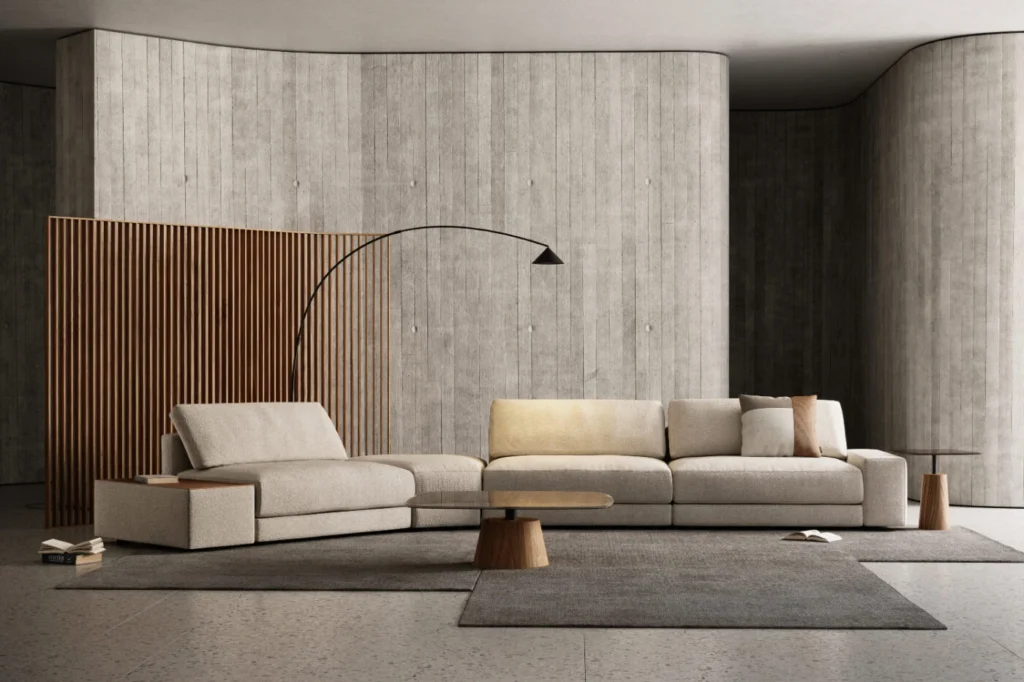
Emerging Directions
- Furniture that bridges residential and contract typologies
- Designs influenced by global craftsmanship traditions
- Subtle, expressive forms that resist visual fatigue
For architects and designers, the challenge—and opportunity—is to specify luxury furniture that communicates cultural literacy, environmental responsibility, and aesthetic confidence.
A Thoughtful Balance
In today’s sophisticated design environment, the choice between timeless and trend-driven furniture is no longer oppositional. It is a strategic, informed balance—one that reflects the values of both professionals and clients.
By grounding projects in enduring modern furniture while selectively embracing the expressive potential of contemporary furniture, architects and designers create spaces that feel relevant today and meaningful tomorrow. This approach defines not only how we furnish interiors, but how we understand design as a cultural and architectural practice.