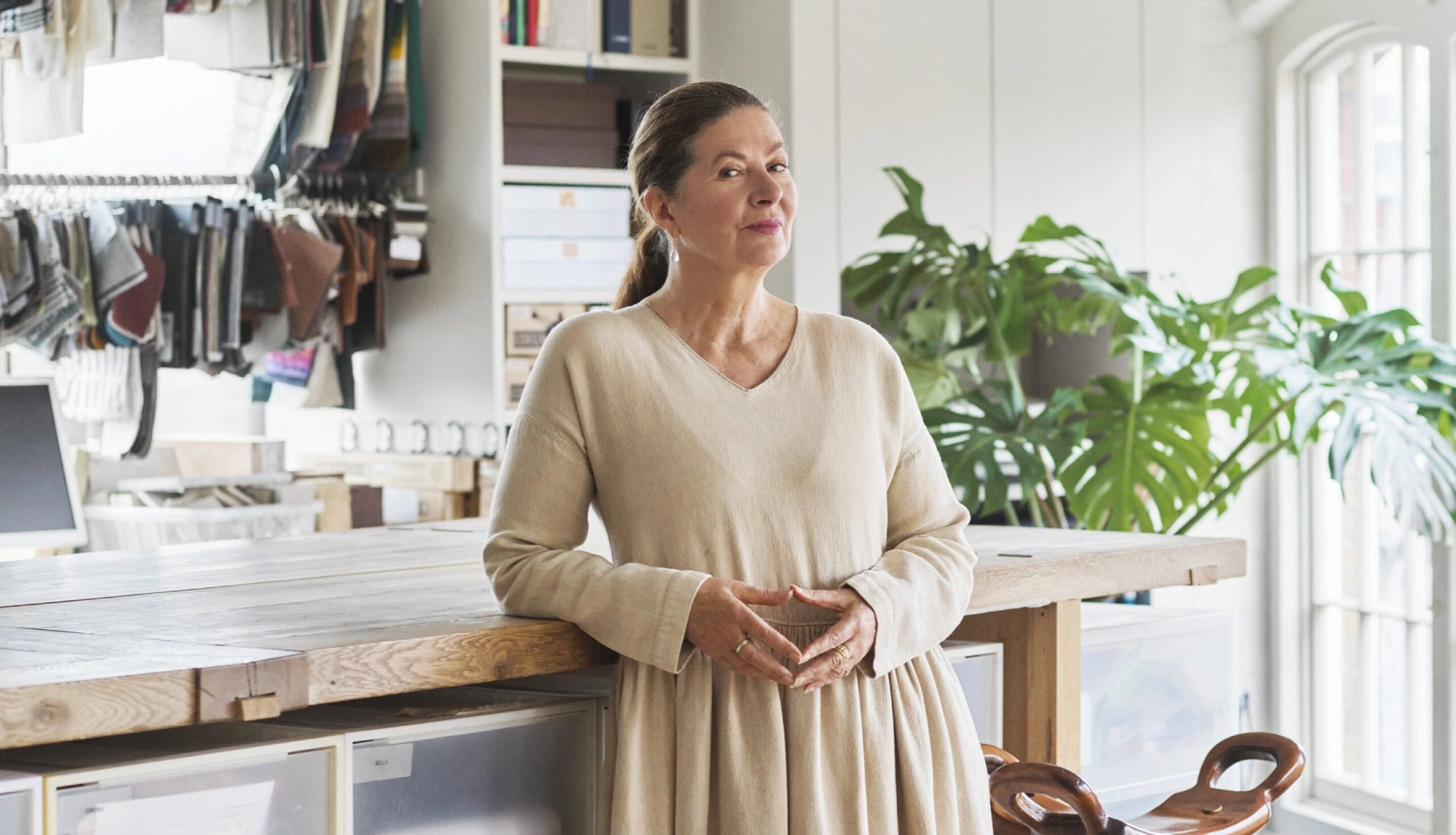
In contemporary design discourse, Ilse Crawford stands as a pivotal figure redefining luxury interiors through a deeply human-centered lens. Rather than focusing solely on aesthetics, Ilse Crawford approaches design as an experiential discipline, where emotion, comfort, and sensory engagement take precedence. For interior designers and architects, her work offers a compelling framework for creating spaces that are not only visually refined but also deeply lived-in. Through her studio, Studioilse, she has consistently demonstrated how luxury can be expressed through atmosphere, tactility, and meaningful interaction.
A Human-Centered Philosophy of Design
At the core of Ilse Crawford’s approach is a philosophy that places human needs at the center of every project. Her work is driven by the belief that design should enhance everyday life, rather than simply impress visually.
She often describes design as a “frame for life,” emphasizing how environments influence behavior, emotion, and well-being. This perspective shifts the focus from form to function in a broader sense, where function includes psychological comfort and emotional resonance. Consequently, her interiors are not defined by a signature style, but by a consistent intention: to create spaces that feel intuitive, supportive, and deeply human.
The Sensory Dimension of Luxury Interiors
Ilse Crawford’s work is particularly distinguished by its sensory richness. She moves beyond visual composition to consider how spaces are experienced through touch, light, sound, and movement.
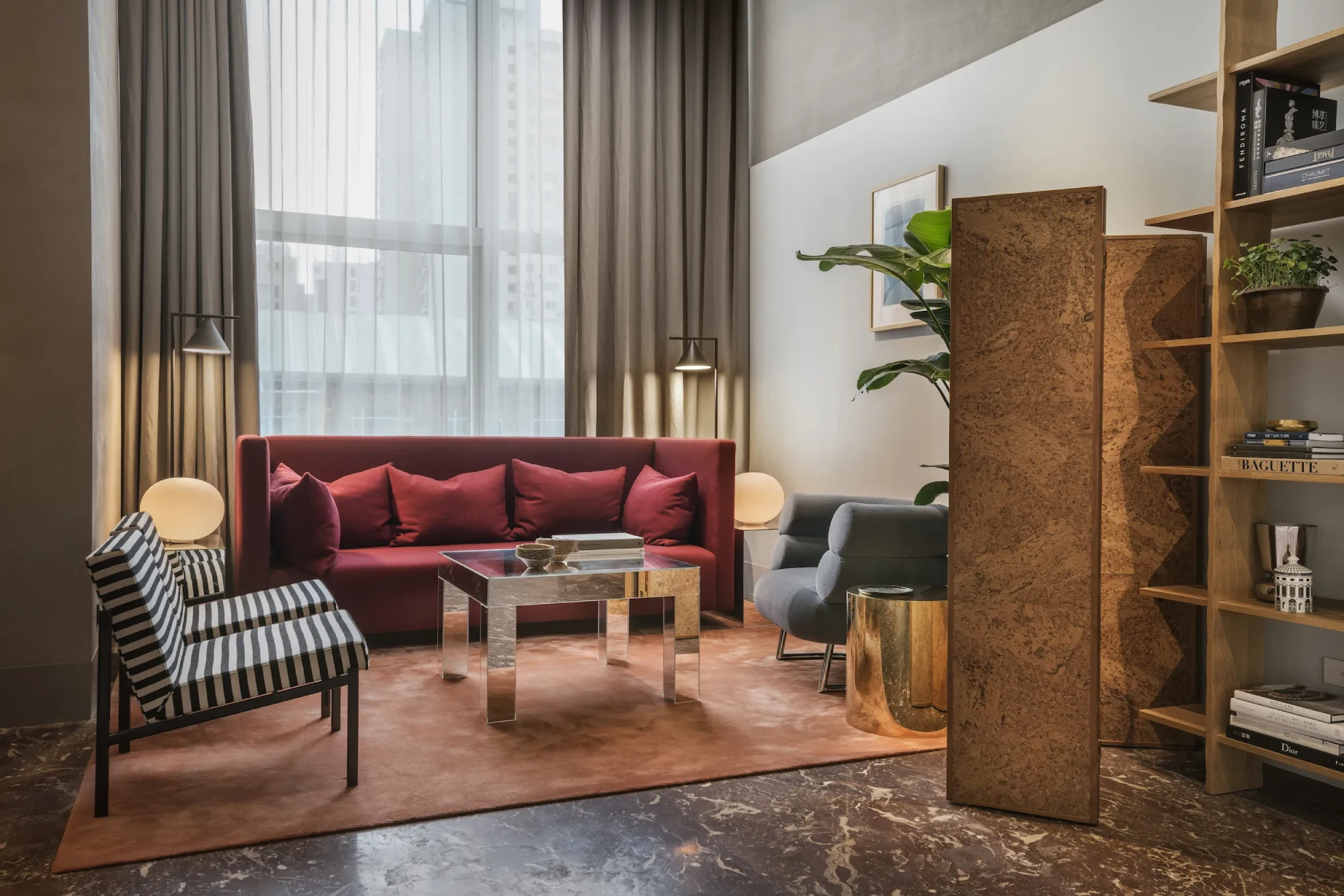
This approach reflects her belief that true luxury lies in how a space feels, not just how it looks. Materials are selected for their tactile qualities, lighting is designed to create atmosphere, and spatial layouts are crafted to support natural human behavior.
By prioritizing sensory engagement, Crawford redefines luxury interiors as immersive environments. This perspective has influenced a generation of designers, encouraging a shift toward more holistic and experiential design practices.
Materiality and Tactile Expression
Material selection plays a central role in Ilse Crawford’s interiors, where texture and authenticity are key design drivers:
- Natural materials such as wood and stone that stimulate the senses
- Textiles that add warmth and softness
- Matte finishes that reduce visual harshness
- Layered surfaces that create depth and richness
- Handcrafted elements that emphasize authenticity
These material choices are not purely aesthetic but experiential, reinforcing the connection between space and human perception.
Designing for Everyday Life
A defining characteristic of Ilse Crawford’s work is her focus on elevating everyday experiences. She aims to “make the normal special,” ensuring that even the most routine activities are supported by thoughtful design.
This philosophy is evident in her attention to detail, from the placement of furniture to the ergonomics of objects. Every element is considered in relation to how it will be used and experienced. For designers, this approach highlights the importance of empathy in the design process, where understanding human behavior becomes as critical as formal composition.
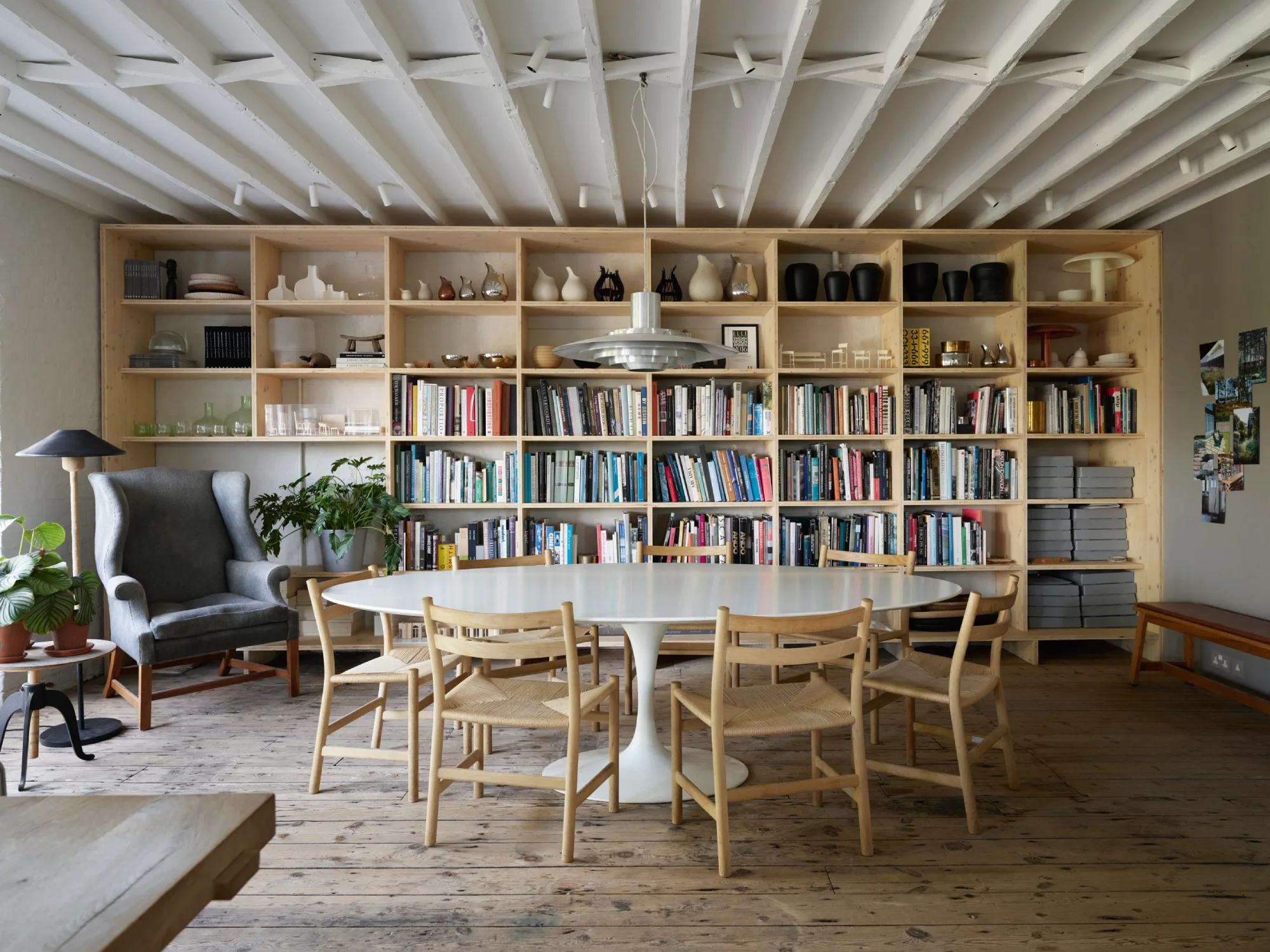
Spatial Atmosphere and Emotional Impact
Ilse Crawford’s interiors are often described as warm, inviting, and emotionally resonant. This is achieved through a careful balance of proportion, materiality, and light.
- Soft lighting that enhances mood and comfort
- Intimate layouts that encourage connection
- Neutral palettes that create calm environments
- Subtle contrasts that add visual interest
- Layered compositions that feel lived-in
These strategies allow her to create spaces that feel both sophisticated and approachable, redefining luxury as a state of comfort and well-being.
Studioilse: A Multidisciplinary Approach
Through Studioilse, Ilse Crawford applies her philosophy across a wide range of projects, from private residences to hotels, retail spaces, and furniture design.
The studio operates as a multidisciplinary practice, integrating interior design, architecture, product design, and creative direction. This holistic approach ensures that every aspect of a project contributes to a unified experience. Moreover, the studio’s work is guided by strong values, focusing on integrity, well-being, and the creation of meaningful environments.
Luxury as Well-Being
One of Ilse Crawford’s most significant contributions to contemporary design is her redefinition of luxury. Rather than associating luxury with excess or opulence, she frames it as well-being.
This perspective aligns with broader shifts in the industry, where clients increasingly value comfort, authenticity, and emotional connection. Crawford’s interiors demonstrate that luxury can be quiet, subtle, and deeply personal. By focusing on how spaces support human life, she has introduced a more sustainable and meaningful interpretation of high-end design.
Lessons for Interior Designers and Architects
Ilse Crawford’s approach offers valuable insights for design professionals seeking to create more impactful interiors:
- Prioritize human experience over visual spectacle
- Use materials to engage the senses, not just the eye
- Design spaces that support everyday life
- Embrace simplicity as a form of refinement
- Create environments that foster emotional well-being
These principles provide a framework for designing interiors that are both sophisticated and deeply connected to human needs.
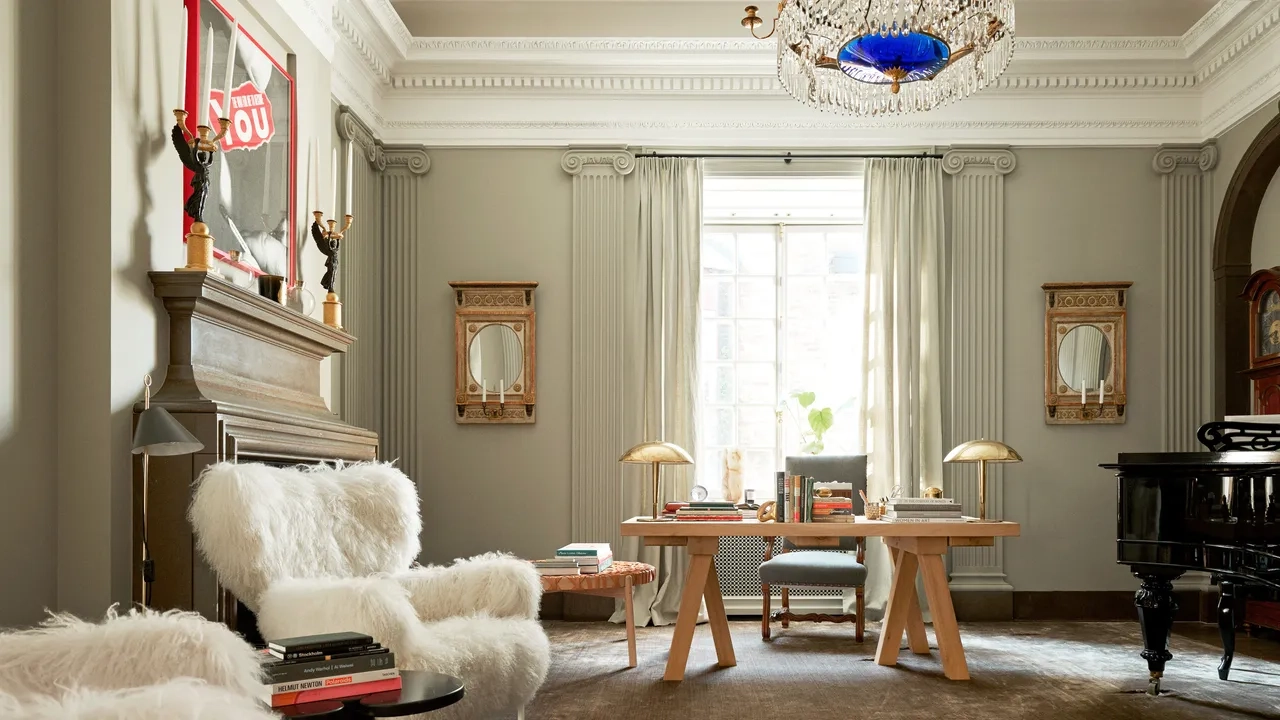
The Future of Sensory Luxury Interiors
As the design industry continues to evolve, the influence of Ilse Crawford’s philosophy is becoming increasingly evident. There is a growing emphasis on creating spaces that are not only beautiful but also meaningful and restorative.
Future luxury interiors are likely to focus even more on sensory engagement, sustainability, and adaptability. Designers will continue to explore how environments can support well-being, reflecting a broader cultural shift toward more conscious living. In this context, Crawford’s work serves as both a reference and a catalyst for innovation.
Conclusion
Ilse Crawford has fundamentally reshaped the way we understand luxury interiors, shifting the focus from visual impact to sensory experience and human connection. Through her work with Studioilse, she has demonstrated that design can be both refined and deeply empathetic.
For interior designers, architects, and luxury design studios, her approach offers a powerful reminder: the most successful spaces are those that make people feel something. As the demand for meaningful and experiential design continues to grow, the principles championed by Ilse Crawford will remain central to the future of luxury interiors.