

In the choreography of contemporary interiors, it is often the smallest elements that exert the most enduring influence. While sofas anchor the room and dining tables command attention, modern side tables quietly orchestrate the rhythms of daily life. They hold a morning espresso, display a carefully chosen object, and provide a resting place for the book that punctuates the evening. These discreet pieces—often described as end tables for sofas or small tables for living room settings—are not decorative afterthoughts. They are instruments of order, intimacy, and spatial refinement.
For architects, interior designers, and discerning homeowners, understanding the role of these compact forms is essential. In a global design landscape shaped by urban density, hybrid living, and evolving lifestyles, the functionality and symbolism of side tables have expanded dramatically. They are not merely supportive surfaces; they are spatial mediators, design statements, and organizational tools that reconcile beauty with utility.
The Architectural Function of Modern Side Tables
Within the grammar of interior architecture, modern side tables serve as punctuation marks. They articulate transitions between seating zones, soften the geometry of larger volumes, and provide human-scaled surfaces that enhance comfort and usability.
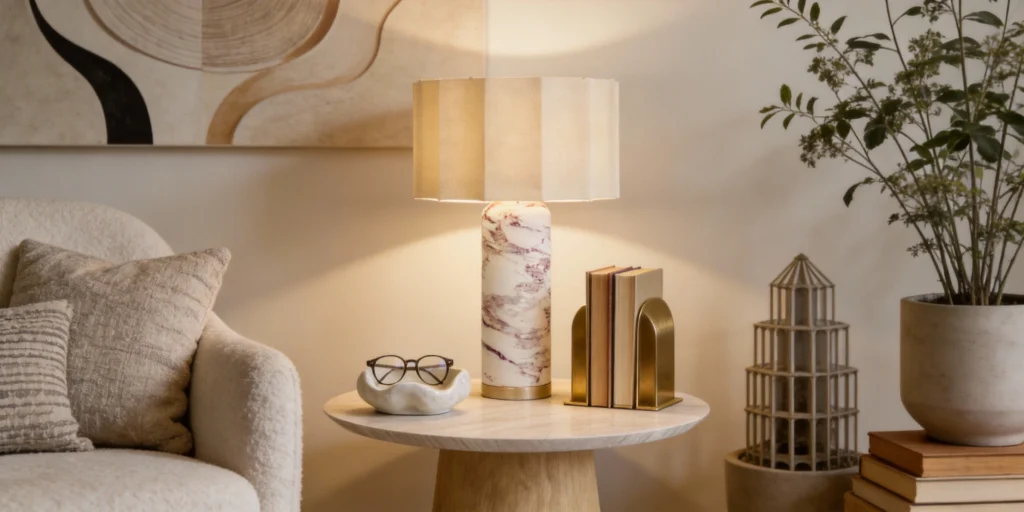
Spatial Anchors in Living Areas
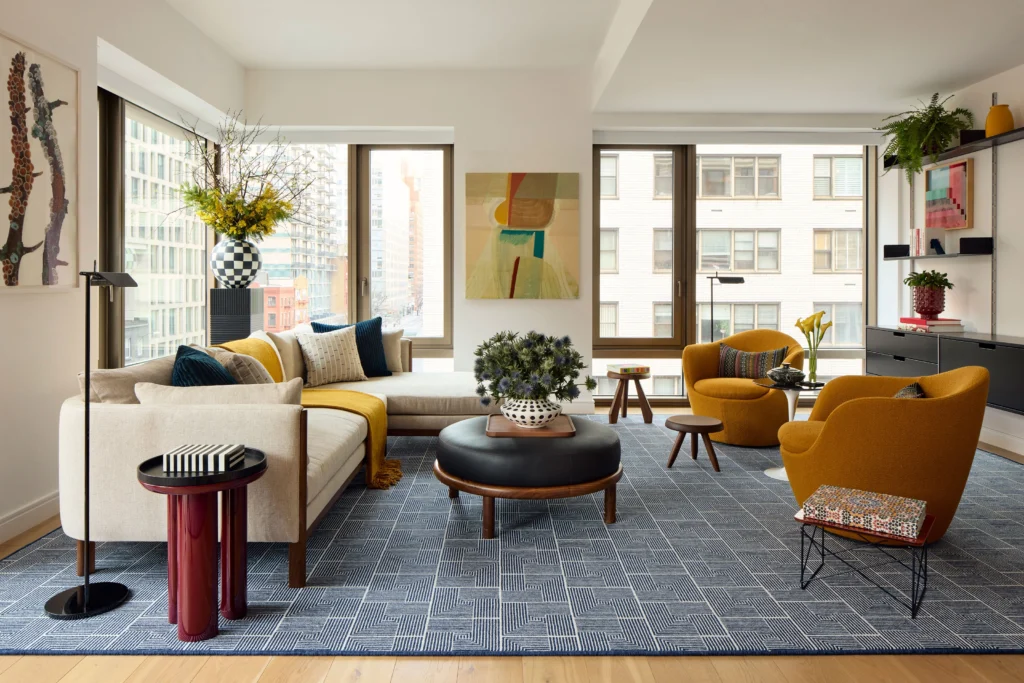
In living rooms defined by sectional sofas or modular seating systems, end tables for sofas create visual and functional continuity. They establish proportional balance between horizontal seating planes and vertical architectural features such as shelving, glazing, or wall paneling.
In open-plan residences—particularly those prevalent in metropolitan hubs like New York, Milan, or Dubai—small tables for living room environments act as subtle dividers. Rather than relying on walls, designers use modern side tables to delineate conversation areas, reading corners, and transitional corridors within a single expansive volume.
Ergonomic Intelligence
Thoughtful placement of end tables for sofas responds to ergonomic principles. The ideal height aligns closely with the sofa arm or seat cushion, ensuring effortless reach. This precision transforms small tables for living room settings into intuitive companions rather than decorative obstacles.
Design authorities such as the Architectural Digest frequently highlight the importance of scale and proportion in luxury interiors—an ethos that applies equally to these compact furnishings. When correctly specified, modern side tables enhance comfort without competing for attention.
From Ornament to Organizational Tool
Historically, side tables evolved from occasional tables in aristocratic salons. Today, they operate as sophisticated organizers of everyday living.
Curated Surfaces
In contemporary residences, particularly those inhabited by global professionals, clutter is the enemy of serenity. Small tables for living room spaces provide curated surfaces where only the essential—and the beautiful—remain visible.
- A sculptural lamp that introduces ambient light.
- A single art book reflecting cultural interests.
- A ceramic vessel or collectible object acquired during travel.
The restraint demanded by modern side tables encourages intentionality. Their modest footprint becomes a discipline in editing.
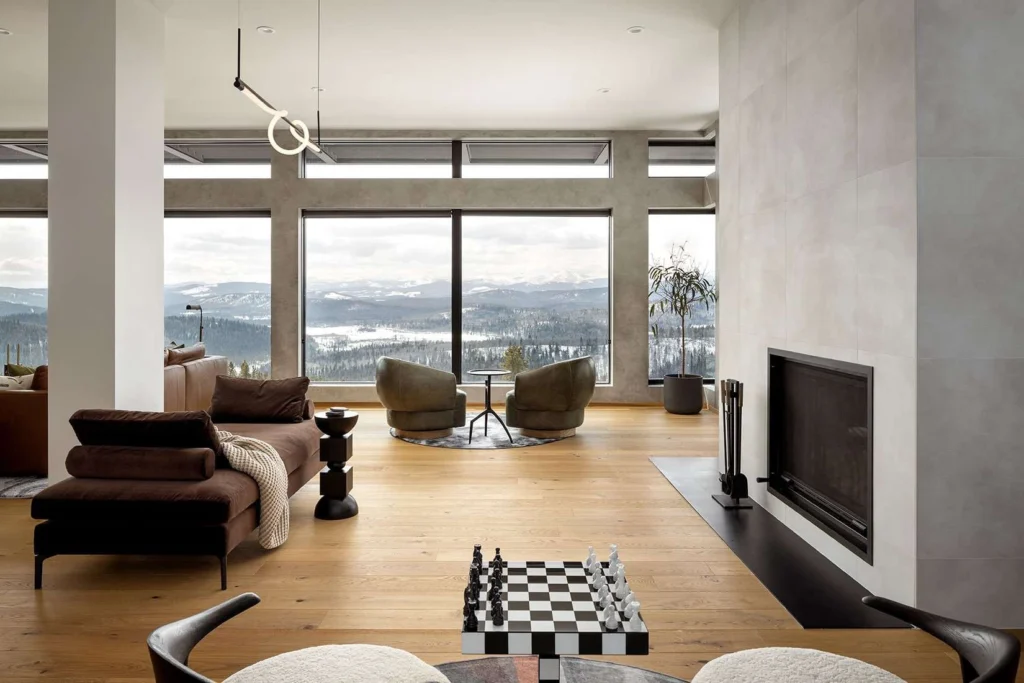
Hidden Storage, Discreet Function
Many end tables for sofas now incorporate drawers, shelves, or concealed compartments. These innovations acknowledge the realities of modern life—remote controls, charging cables, tablets—without compromising aesthetic integrity.
In high-end residential projects, designers often specify small tables for living room areas with integrated cable management or integrated power solutions. This quiet integration of technology ensures that modern side tables remain aligned with contemporary expectations of convenience.
Materiality and Craft: Elevating the Everyday
The significance of side tables extends beyond utility; it resides in material expression. In luxury interiors, materiality conveys narrative and authenticity.
Noble Materials, Enduring Appeal
Solid wood, natural stone, metal, and glass remain defining materials for modern side tables. Each carries symbolic weight:
- Wood introduces warmth and organic tactility.
- Marble or stone suggests permanence and refinement.
- Metal communicates precision and contemporary edge.
- Glass amplifies light and visual openness.
End tables for sofas crafted from premium materials perform a dual function: they provide daily support while embodying craftsmanship and longevity. For a design-conscious audience, the choice of material is never arbitrary; it reflects values around sustainability, durability, and cultural heritage.
Sculptural Minimalism
Increasingly, small tables for living room interiors blur the line between furniture and art. Cylindrical monoliths, asymmetrical silhouettes, and pedestal forms elevate modern side tables into sculptural presences.
In minimalist schemes, a single statement side table can replace more elaborate compositions. The result is visual clarity—an approach particularly resonant in luxury apartments where restraint is synonymous with sophistication.
The Psychology of Proximity
The placement of end tables for sofas is not only spatial but psychological. These pieces reside within arm’s reach, forming an intimate relationship with their users.
Comfort and Ritual
Daily rituals—placing a glass of water before sleep, setting down reading glasses, lighting a candle—are facilitated by modern side tables. Their presence signals care and attentiveness in design.
In primary suites and guest rooms, small tables for living room extensions or bedroom seating areas contribute to hospitality-level comfort. For high-net-worth individuals accustomed to five-star environments, such details are not optional; they are expected.
Human Scale in Monumental Spaces
Luxury real estate often celebrates grand proportions: double-height ceilings, expansive glazing, panoramic views. Within these monumental volumes, modern side tables restore human scale.
End tables for sofas positioned strategically within large seating ensembles prevent spatial dilution. They create micro-environments—intimate zones for conversation or reflection—within expansive architectural canvases.
Design Strategies for Architects and Interior Professionals
For design professionals specifying small tables for living room projects, several strategic considerations ensure both aesthetic and functional excellence.
1. Proportion and Scale
- Align table height with adjacent seating.
- Consider diameter or width relative to circulation paths.
- Avoid overcrowding; allow breathing space around each piece.
Well-scaled modern side tables reinforce harmony rather than disrupt it.
2. Layering and Composition
Pairing end tables for sofas with floor lamps, art, and textiles creates layered compositions. Designers may opt for matching pieces to achieve symmetry, or introduce contrasting forms to energize the space.
Small tables for living room layouts often function best in dialogue with other elements. A stone side table beside a plush upholstered sofa, for instance, introduces tactile contrast that heightens sensory experience.
3. Flexibility and Mobility
As living patterns evolve—particularly with hybrid work—adaptability is paramount. Lightweight modern side tables can migrate from living room to terrace, from lounge area to study corner.
This mobility transforms end tables for sofas into multifunctional assets, supporting everything from informal meetings to evening entertaining.
Sustainability and Longevity
In an era increasingly defined by environmental awareness, small tables for living room environments must transcend trend cycles. Longevity is the ultimate luxury.
Timeless Design Over Ephemeral Fashion
Investing in well-crafted modern side tables reduces the need for replacement and aligns with circular design principles. Clean lines, honest materials, and meticulous detailing ensure relevance across decades.
Responsible Material Sourcing
Architects and developers are progressively attentive to certifications and ethical sourcing. End tables for sofas manufactured with responsibly harvested timber or recyclable metals contribute to broader sustainability goals within residential and hospitality projects.
Global Perspectives on Small Tables for Living Room Spaces
The interpretation of modern side tables varies across cultures, reflecting distinct spatial traditions.
- In Scandinavian interiors, simplicity and pale woods dominate.
- In Mediterranean residences, stone and artisanal finishes prevail.
- In Asian metropolitan apartments, compact multifunctional pieces respond to limited square footage.
Yet across these contexts, the function remains constant: small tables for living room environments support daily rituals and enhance spatial clarity. End tables for sofas transcend stylistic boundaries, adapting seamlessly to contemporary, classic, or eclectic narratives.
Answering Common Design Questions
What is the ideal height for end tables for sofas?
The optimal height typically matches or sits slightly below the sofa armrest—usually between 50 and 65 centimeters. This ensures comfort and visual alignment.
How many small tables for living room layouts are necessary?
The answer depends on seating configuration. As a guideline, each primary seating position should have access to a surface within reach. In larger rooms, additional modern side tables can reinforce symmetry or define subzones.
Are matching side tables essential?
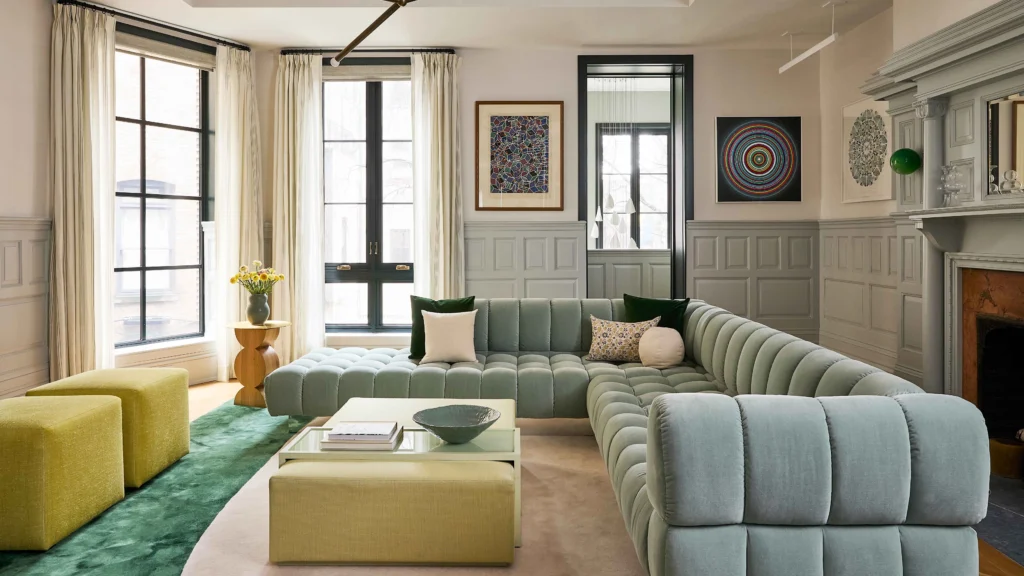
Not necessarily. While symmetry offers formality, varied end tables for sofas introduce dynamism. Cohesion can be achieved through shared materials, finishes, or proportional harmony rather than identical forms.
The Power of the Subtle
In the hierarchy of interior design, side tables may appear secondary. Yet their impact is profound. Through scale, materiality, and placement, modern side tables orchestrate everyday life with quiet authority.
They transform sofas into complete seating environments. They convert expansive rooms into intimate retreats. They organize objects, support rituals, and elevate the smallest gestures of daily living.
For architects, designers, and culturally attuned homeowners, the lesson is clear: never underestimate the intelligence of small tables for living room spaces. In their modest dimensions lies the capacity to balance architecture, enrich experience, and define a truly refined interior landscape.