

Craftsmanship Reclaimed in an Automated Age
In an era defined by algorithms, automation, and instantaneous digital output, a quiet yet powerful countercurrent is reshaping the world of design. Across architecture, interiors, and luxury real estate, there is a renewed reverence for the tangible, the tactile, and the time-honored. The return of craftsmanship in a digital world is not a nostalgic retreat, but a sophisticated rebalancing—where technology accelerates processes, yet human hands, knowledge, and intention reclaim their central role.
For discerning architects, interior designers, and high-net-worth individuals, this shift signals a deeper cultural recalibration. Handmade furniture, luxury craftsmanship, and bespoke furniture are no longer niche indulgences; they are becoming markers of discernment, permanence, and cultural intelligence in a world saturated with mass production.
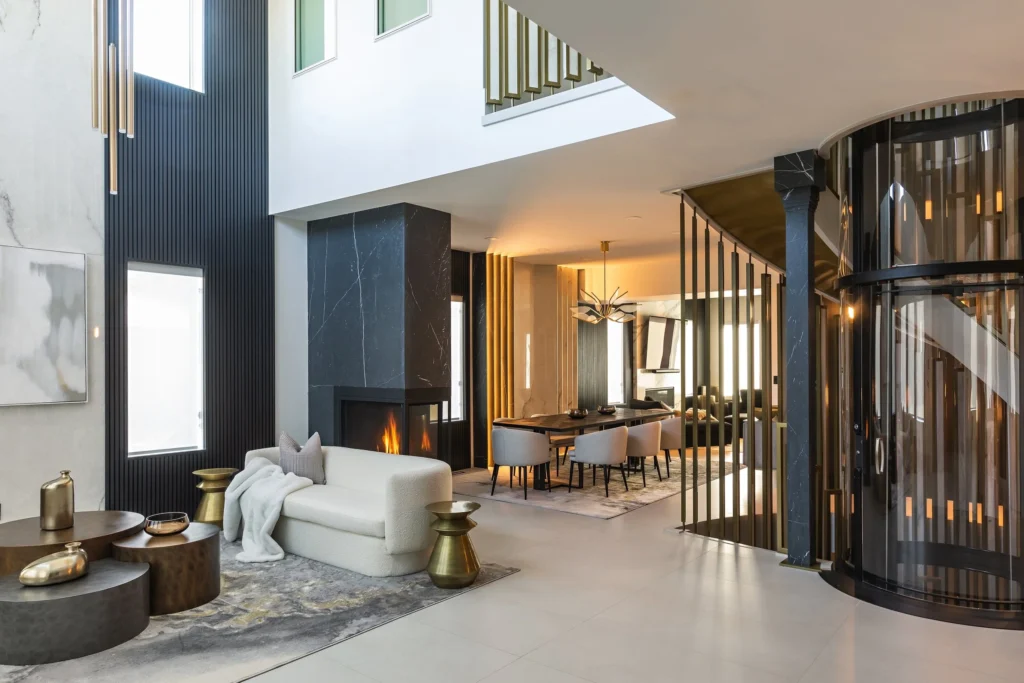
The Digital Paradox: Why Craft Matters More Than Ever
Digital tools have transformed how we design, communicate, and build. Parametric software, AI-driven visualization, and global supply chains have made speed and scale the default. Yet this very efficiency has exposed a paradox: the more seamless the digital world becomes, the more value we assign to what cannot be replicated by code.
Luxury craftsmanship thrives precisely because it resists standardization. A hand-finished surface, a subtly irregular joint, or the patina that evolves over time carries emotional weight. These nuances speak to longevity and human presence—qualities increasingly absent from digitally optimized environments.
In high-end interiors, especially within private residences, boutique hotels, and cultural spaces, handmade furniture introduces depth and narrative. Each piece becomes a quiet anchor amid technological flux.
From Industrial Repetition to Bespoke Expression
The 20th century celebrated industrial scalability. The 21st, however, is redefining luxury through individuality. Bespoke furniture reflects this shift: it is designed not for markets, but for people and places.
For architects and designers, bespoke processes offer creative freedom unavailable in standardized production. Dimensions respond to architecture, materials reflect context, and finishes are chosen for their sensory and emotional resonance rather than trend alignment.
- Spatial coherence: Custom pieces align seamlessly with architectural proportions.
- Material integrity: Natural woods, stones, and metals are selected for authenticity, not efficiency.
- Cultural specificity: Craft traditions inform contemporary forms, creating timeless relevance.
In luxury real estate, bespoke interiors have become a strategic differentiator. Properties distinguished by luxury craftsmanship communicate rarity and permanence—two qualities increasingly prized in global markets.
The Human Hand as a Mark of Value
Unlike machine-perfect objects, handcrafted pieces carry subtle variations that signal authenticity. These micro-imperfections are not flaws; they are signatures of human engagement. In a digital world where perfection is easily simulated, imperfection becomes the ultimate luxury.
Handmade furniture also introduces time as a visible dimension. The hours invested by artisans—often spanning generations of knowledge—are embedded within each object. This temporal depth resonates with clients seeking meaning beyond surface aesthetics.
According to the Victoria and Albert Museum, craftsmanship is defined not merely by technique, but by the transmission of skill, cultural memory, and material intelligence. This understanding positions craft as a living discipline rather than a historical artifact.
Technology as an Enabler, Not a Replacement
The return of craftsmanship does not reject technology; it reframes it. Digital tools now support precision, sustainability, and collaboration, while the final expression remains resolutely human.
Advanced modeling software allows designers to explore complex geometries, while artisans interpret these forms through material expertise. CNC processes may rough-shape components, but finishing, assembly, and detailing rely on skilled hands.
This hybrid approach ensures that bespoke furniture meets contemporary performance standards without sacrificing soul. Technology accelerates the invisible stages, allowing craftsmanship to shine where it matters most.
Sustainability and the Ethics of Making
Sustainability has emerged as a defining concern across the luxury sector. Craftsmanship aligns naturally with this ethos. Small-batch production, local sourcing, and durable materials reduce waste while enhancing quality.
Luxury craftsmanship prioritizes longevity over disposability. Handmade pieces are designed to age gracefully, often becoming heirlooms rather than replacements. This long-term perspective contrasts sharply with fast-design cycles driven by trends and algorithms.
- Material responsibility: Ethical sourcing and respect for natural resources.
- Reduced waste: Precision and intention replace overproduction.
- Cultural sustainability: Supporting artisan communities preserves endangered skills.
For globally minded clients, sustainability is no longer a marketing claim but a moral expectation. Craft-led design meets this expectation with credibility.
The Emotional Intelligence of Interiors
Interiors shape behavior, emotion, and memory. Spaces furnished with handcrafted elements feel grounded, personal, and emotionally resonant. The tactile warmth of wood grain or the weight of hand-forged metal engages senses beyond sight.
Handmade furniture introduces emotional intelligence into interiors—an increasingly valued attribute in private residences, wellness-focused hospitality, and executive environments. These spaces communicate care, patience, and intentionality.
In contrast to digitally generated sameness, bespoke environments foster belonging. They reflect the identities of their occupants rather than the efficiencies of supply chains.
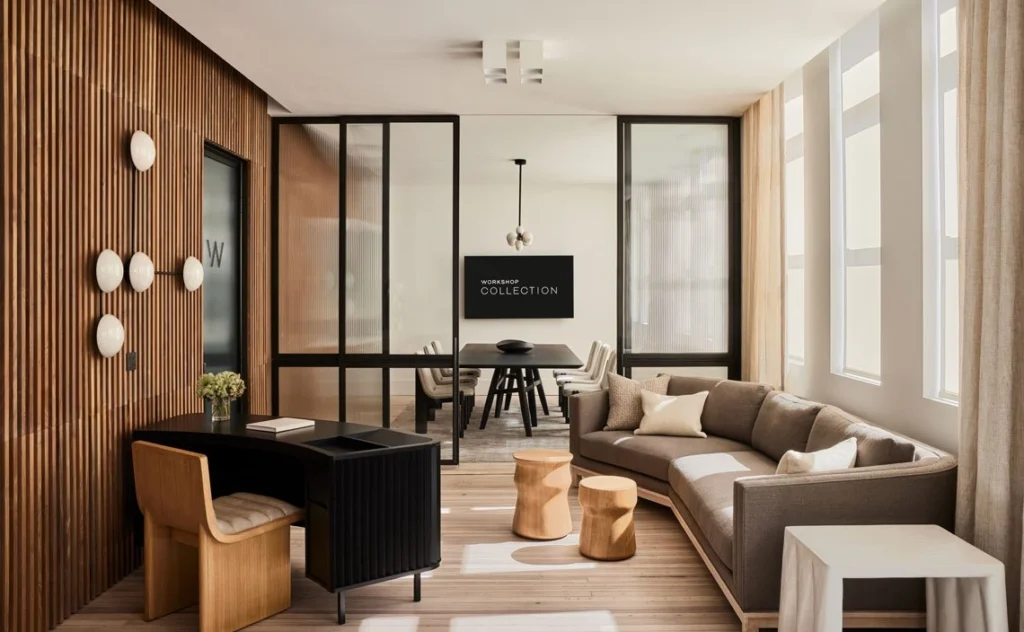
Craft as Cultural Capital
For high-net-worth individuals, collecting handcrafted furniture is not merely an aesthetic choice; it is an act of cultural patronage. Supporting artisans sustains traditions that might otherwise disappear under industrial pressure.
Bespoke furniture becomes a form of cultural capital—objects that embody taste, discernment, and global awareness. Much like contemporary art or rare architecture, crafted pieces signal intellectual engagement with design history and material culture.
This perspective resonates strongly within international design circles, where provenance and process carry as much weight as form.
Global Craft, Local Identity
While craftsmanship is universal, its expressions are deeply local. Woodworking traditions in Northern Europe differ from Mediterranean stone carving or Asian joinery techniques. The global design elite increasingly value these distinctions.
Incorporating regionally informed luxury craftsmanship into contemporary interiors creates layered narratives. Spaces become cultural dialogues rather than stylistic exercises.
This global-local balance reflects a sophisticated worldview—one that values diversity, authenticity, and contextual intelligence.
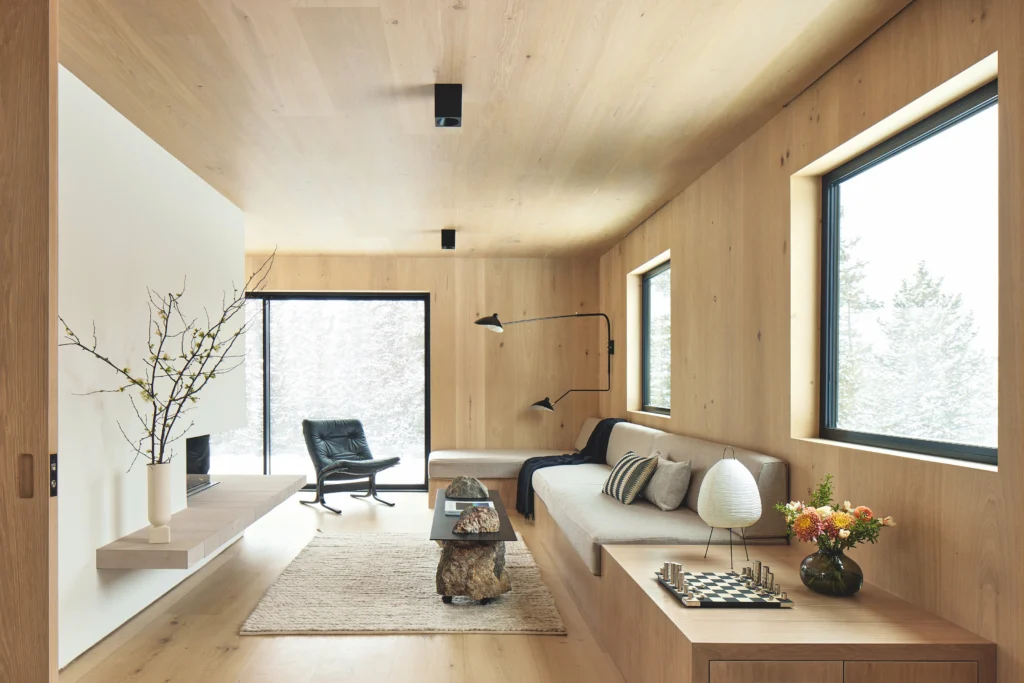
The Future: Slow Design in a Fast World
The resurgence of craftsmanship signals a broader movement toward slow design. This philosophy emphasizes thoughtful creation, ethical production, and emotional durability.
As digital acceleration continues, handcrafted objects will gain even greater relevance. They offer resistance to ephemerality and reconnect users with material reality.
Handmade furniture, bespoke furniture, and luxury craftsmanship are not trends; they are enduring responses to a digitized world seeking balance.
Craftsmanship as Contemporary Luxury
The return of craftsmanship in a digital world reflects a profound cultural shift. It acknowledges technology’s power while reaffirming the irreplaceable value of human skill, time, and intention.
For architects, designers, and discerning clients, embracing craftsmanship is a statement of values. It prioritizes meaning over speed, authenticity over replication, and permanence over novelty.
In this renewed landscape, luxury is no longer defined by excess or automation, but by care, intelligence, and the quiet confidence of things made well—and made to last.