

Where Architecture Design Meets the Human Scale
In the most enduring interiors, furniture is never an afterthought. It is a direct continuation of architecture design—an extension of structure, proportion, rhythm, and intent. When thoughtfully conceived, furniture does not merely occupy space; it reveals it. Walls, columns, ceilings, and circulation paths establish a spatial framework, but it is through furniture placement principles that architecture becomes lived experience.
For architects, interior designers, and discerning private clients alike, understanding the relationship between structure and furniture is fundamental to creating environments that feel coherent, balanced, and timeless. This relationship governs how we move, rest, gather, and perceive scale. In luxury residential and hospitality projects especially, furniture acts as the mediator between monumental architectural gestures and the intimate rituals of daily life.
Structure as the Silent Framework
Architecture design begins with structure: grids, spans, load-bearing systems, and spatial hierarchies. These elements define both the visible and invisible order of a building. Furniture, at its best, responds to this order rather than competing with it.
Historically, the most revered architectural traditions—from classical villas to modernist icons—treated furniture as part of the architectural language. Built-in seating, integrated storage, and modular elements were conceived in direct dialogue with walls and volumes, reinforcing the logic of the space.
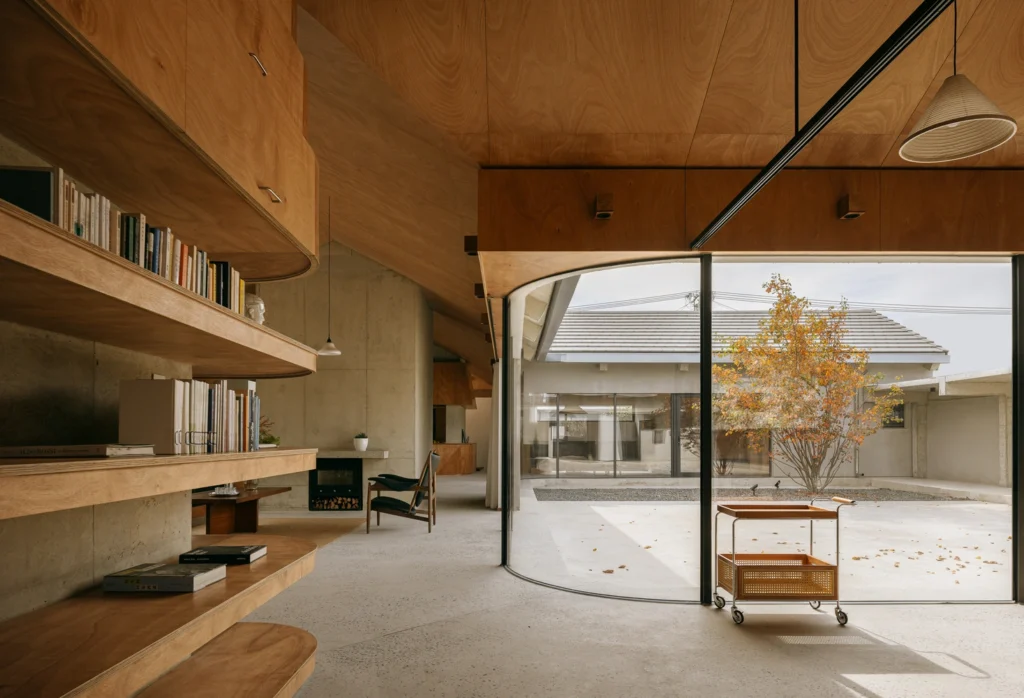
Reading the Architectural Grid
Every structure has an underlying grid, whether explicit or implied. Furniture placement principles that respect this grid create visual harmony and intuitive flow.
- Aligning furniture with structural axes reinforces balance and calm.
- Floating pieces can echo column spacing or window rhythms.
- Oversized furniture can anchor expansive structural bays.
When furniture ignores the architectural grid, interiors can feel fragmented, regardless of how luxurious the individual pieces may be.
Furniture as Spatial Interpreter
While structure defines the shell, furniture interprets how that shell is used. In contemporary architecture design, where open plans dominate, furniture becomes the primary tool for spatial definition.
Defining Zones Without Walls
Open-plan environments rely heavily on furniture placement principles to establish function without physical partitions. Sofas, tables, shelving systems, and rugs subtly delineate living, dining, and working zones while maintaining visual continuity.
- A sectional sofa can establish a living area within a larger volume.
- Freestanding storage can act as a permeable divider.
- Dining tables aligned with structural elements reinforce order.
This approach allows architecture design to remain fluid while still offering clarity and comfort.
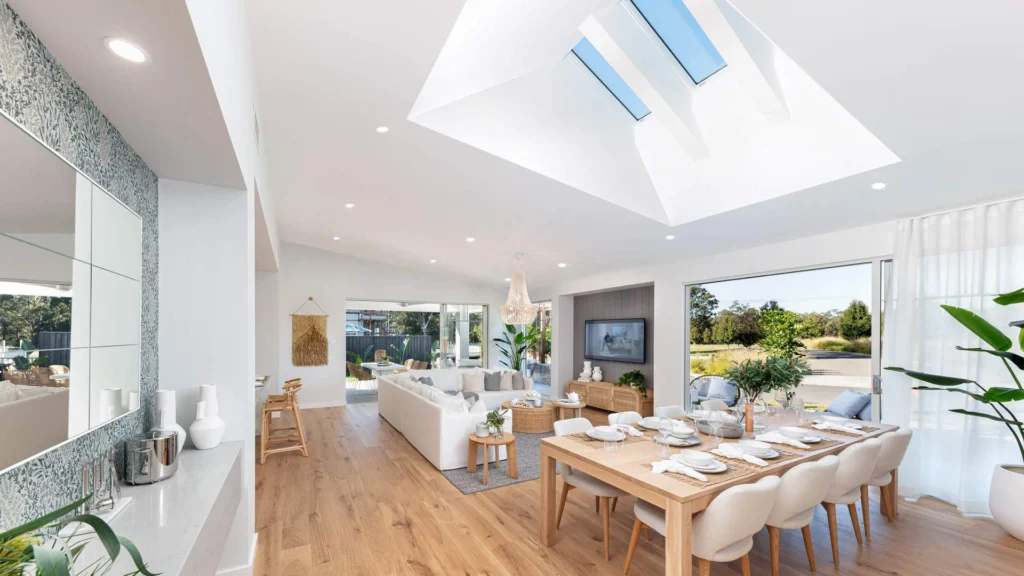
Human Scale Within Monumental Space
High ceilings, expansive glazing, and generous proportions are hallmarks of luxury architecture. Yet without carefully considered furniture, these spaces can feel impersonal or overwhelming. Furniture introduces human scale—softening structure and making it inhabitable.
Low-profile seating beneath double-height ceilings, for example, emphasizes verticality while maintaining intimacy. Conversely, sculptural statement pieces can echo architectural ambition, creating a dialogue between object and structure.
Material Continuity and Structural Expression
The relationship between structure and furniture is not only spatial but also material. Architecture design often reveals its structure through concrete, steel, timber, or stone. Furniture that references these materials creates continuity and depth.
Echoing Architectural Materials
When furniture reflects the material palette of the building, interiors feel intentional and cohesive.
- Timber furniture complements exposed wooden beams.
- Stone tables resonate with structural masonry or terrazzo floors.
- Metal frames reference steel columns or window systems.
This does not require uniformity. Contrast can be powerful, but it must be deliberate—soft upholstery against raw concrete, for instance, heightens tactile experience while respecting architectural honesty.
Circulation, Movement, and Furniture Placement Principles
One of the most critical yet overlooked aspects of furniture placement principles is circulation. Architecture design establishes how people move through space, but furniture either supports or disrupts these pathways.
Respecting Architectural Flow
Successful interiors allow movement to feel effortless. Furniture should never obstruct primary circulation routes defined by the structure.
- Identify main axes and entry sightlines.
- Position key furniture pieces parallel or perpendicular to these paths.
- Allow generous clearances that reflect the scale of the architecture.
In high-end residences and commercial environments, circulation is as much about visual flow as physical movement. Clear sightlines enhance spatial legibility and reinforce architectural intent.
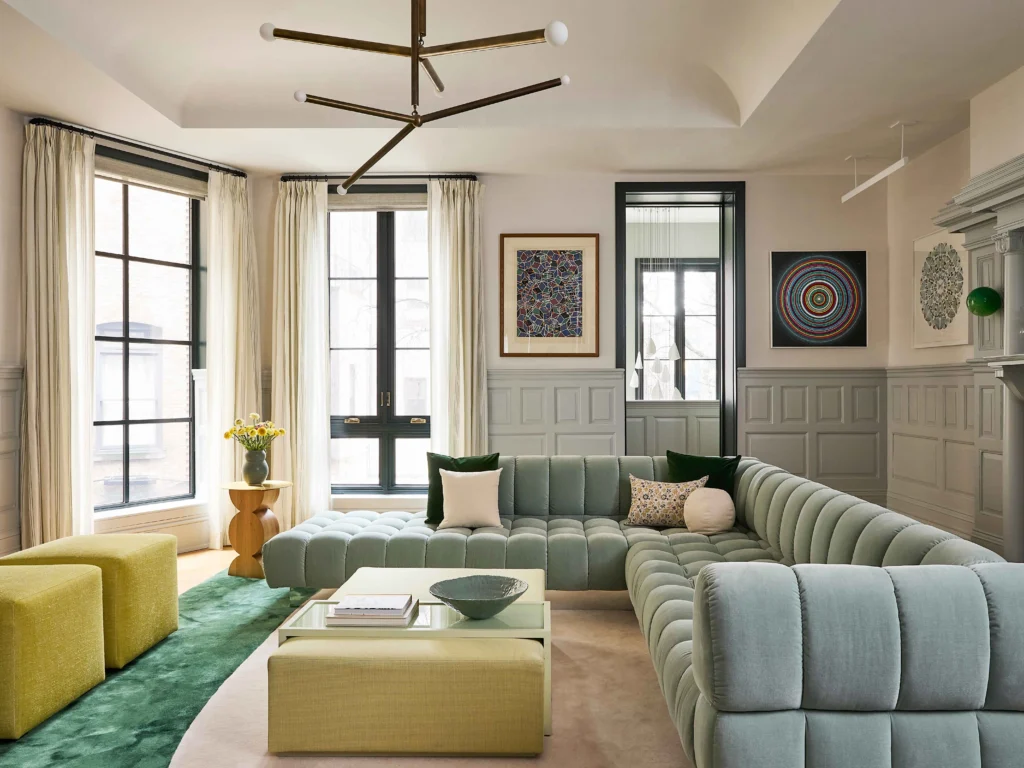
Furniture as Guide, Not Obstacle
Strategically placed furniture can gently guide movement—leading occupants toward views, focal points, or gathering areas. This subtle choreography elevates the experience of architecture design from static to dynamic.
Proportion, Rhythm, and Repetition
Architecture is built on proportion and rhythm: window spacing, column intervals, façade patterns. Furniture placement principles that echo these rhythms create interiors that feel resolved and intentional.
Scaling Furniture to Structure
Proportion is critical. Undersized furniture in a grand architectural setting feels temporary; oversized pieces in compact spaces feel oppressive. Understanding the relationship between structural dimensions and furniture scale is essential for balance.
Repeating forms—such as a series of lounge chairs aligned with window bays—reinforces architectural rhythm and brings visual order.
Modern Flexibility Versus Architectural Permanence
Contemporary architecture design increasingly prioritizes adaptability. Open layouts, minimal partitions, and multifunctional spaces demand furniture that is both flexible and respectful of structure.
Furniture as a Flexible Layer
Unlike architecture, furniture can evolve over time. However, the most successful interiors anticipate change without undermining structural clarity.
- Modular systems adapt while maintaining alignment with architectural grids.
- Mobile pieces allow reconfiguration without visual chaos.
- Anchored elements provide continuity within evolving layouts.
Cultural and Historical Perspectives
Across cultures and eras, the relationship between structure and furniture has reflected broader philosophies of living. Japanese architecture, for example, treats furniture as minimal and flexible, allowing structure to dominate. European traditions often integrate furniture into architectural ornamentation.
Understanding these precedents enriches contemporary architecture design and informs more nuanced furniture placement principles. For a deeper exploration of architectural theory and proportion, resources such as ArchDaily provide authoritative insights into global architectural practice.
The Psychological Impact of Structural Alignment
Beyond aesthetics, alignment between structure and furniture affects well-being. Spaces where furniture placement principles reinforce architectural order tend to feel calmer, more intuitive, and more luxurious.
Clarity, Comfort, and Perception of Quality
High-net-worth individuals often respond instinctively to spatial clarity. When furniture feels “meant” for the architecture, the environment communicates quality, permanence, and thoughtfulness—values that transcend trends.
Misalignment, by contrast, introduces subconscious tension. Even exquisitely crafted furniture can feel out of place if it disregards architectural logic.
A Symbiotic Relationship
The relationship between structure and furniture is not hierarchical but symbiotic. Architecture design provides the enduring framework; furniture placement principles bring it to life. Together, they shape how spaces are perceived, used, and remembered.
For architects, designers, and design-literate clients, this relationship is an opportunity to move beyond decoration toward true spatial authorship. When furniture responds intelligently to structure—respecting scale, rhythm, materiality, and circulation—interiors achieve a rare equilibrium: aspirational yet grounded, expressive yet timeless.
In an era of rapid visual consumption, such coherence is not merely aesthetic. It is a marker of cultural sophistication and a testament to design that endures.