

A Subtle Shift Toward What Feels Real
Across architecture, interiors, and contemporary lifestyle culture, a quiet yet profound shift is underway. After decades of visual perfection, industrial exactitude, and hyper-polished minimalism, today’s most discerning audiences are rediscovering the value of what feels authentic, tactile, and human. This movement is not nostalgic, nor is it reactionary. It is a recalibration — one that places meaning, material honesty, and time-worn beauty back at the center of design.
The new appreciation for natural imperfection speaks directly to this cultural moment. It reflects a growing desire for spaces that breathe, objects that age with dignity, and interiors that tell stories rather than perform. Within organic interior design, handmade furniture, and wabi-sabi interiors, imperfection is no longer a flaw to be concealed, but a quality to be revered.
For architects, interior designers, real estate professionals, and high-net-worth individuals alike, this renewed sensibility represents more than a stylistic preference. It signals a deeper shift in values — toward longevity, emotional resonance, and a more intimate relationship with the spaces we inhabit.
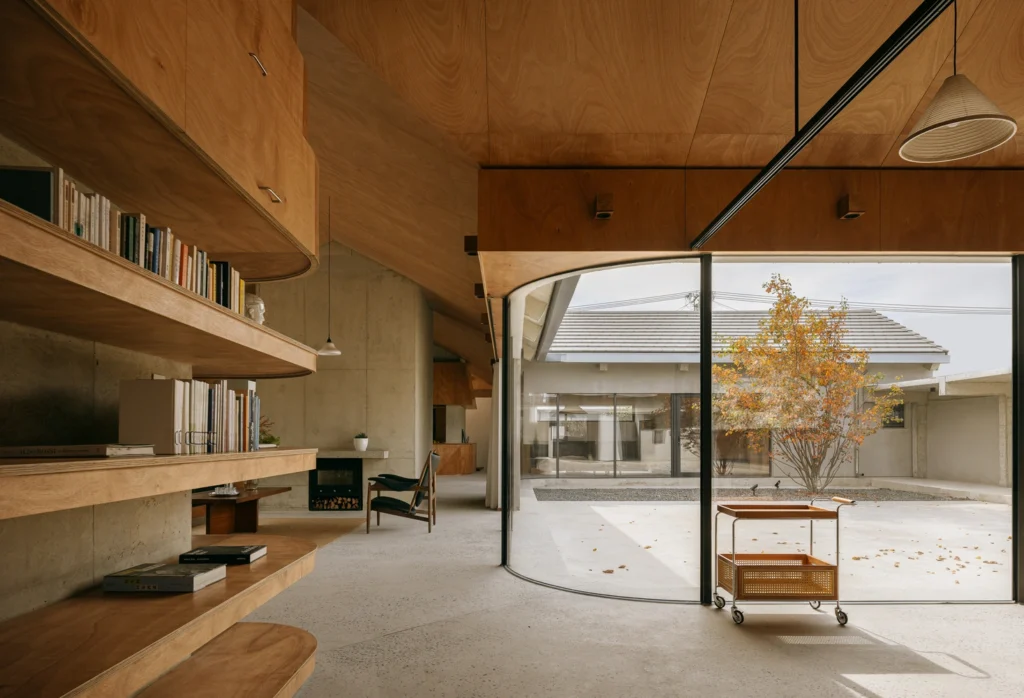
The Cultural Roots of Imperfection in Design
While today’s conversations around imperfection feel contemporary, their philosophical foundations are centuries old. Across cultures, the notion that beauty emerges through irregularity, patina, and transience has long been embedded in artistic and architectural traditions.
Wabi-Sabi: Embracing Transience and Imperfection
Originating in Japanese aesthetics, wabi-sabi interiors are grounded in an appreciation for impermanence, asymmetry, and restraint. Rather than striving for uniformity, wabi-sabi values the quiet poetry of the incomplete — a hand-thrown ceramic bowl with uneven edges, a timber beam marked by time, or a plaster wall that subtly shifts in tone.
In contemporary interiors, wabi-sabi is less about replicating a traditional Japanese environment and more about adopting its philosophical lens. It encourages designers to honor materials as they are, allowing stone, wood, and clay to express their inherent character.
From Craft Traditions to Contemporary Spaces
Beyond Japan, many global craft traditions share a similar reverence for imperfection. Mediterranean lime plaster walls, Nordic hand-hewn timber, and North African artisanal ceramics all demonstrate how irregularity enhances rather than detracts from beauty.
In today’s globalized design landscape, these references are being reinterpreted through a contemporary lens — refined, architectural, and intentional. The result is an aesthetic that feels deeply rooted yet unmistakably modern.
Organic Interior Design: Letting Materials Speak
At the heart of this movement lies organic interior design — an approach that prioritizes natural materials, sensory richness, and visual calm. Unlike trend-driven interiors, organic spaces are defined by their relationship to materiality rather than decorative excess.
The Power of Natural Materials
Stone, solid wood, linen, clay, leather, and wool are not chosen solely for their visual appeal. They are valued for how they age, how they respond to light, and how they engage the senses. Subtle imperfections — mineral veining, grain variation, tonal inconsistencies — become essential to the overall composition.
Organic interior design resists synthetic uniformity. Instead, it embraces nuance, depth, and tactility, allowing interiors to evolve over time rather than remain frozen in a single aesthetic moment.
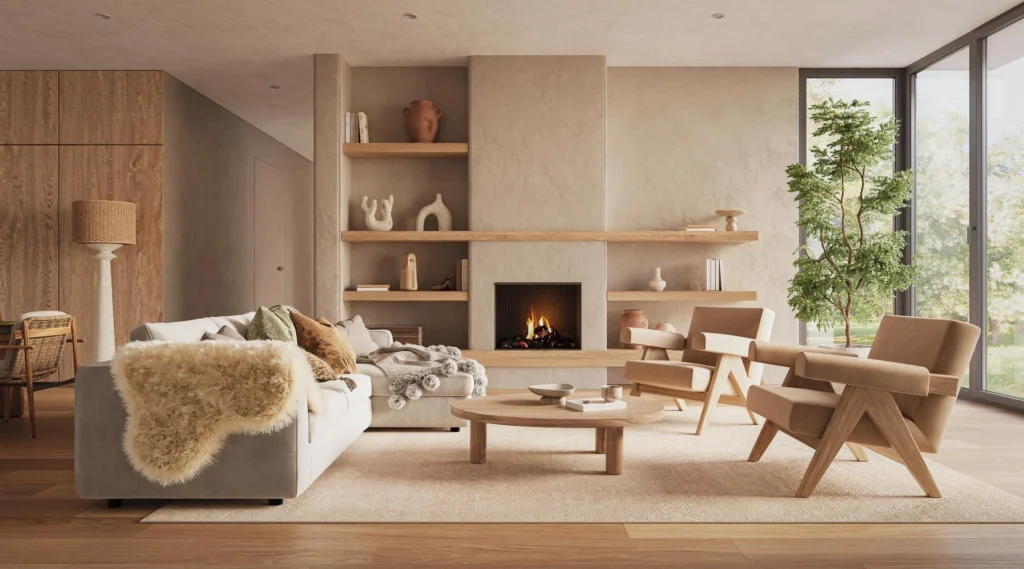
Designing for Calm, Not Control
In organic spaces, control gives way to curation. Rather than dictating every surface and finish, designers allow materials to coexist naturally. This creates environments that feel balanced yet relaxed — spaces that invite presence rather than performance.
- Soft, irregular textures that diffuse light
- Neutral palettes enriched by material variation
- Furniture that emphasizes form, proportion, and touch
These interiors resonate strongly with clients seeking refuge from overstimulation and visual noise.
Handmade Furniture: The Human Mark as Luxury
In an era of advanced manufacturing and digital precision, handmade furniture has re-emerged as a powerful symbol of discernment and cultural value. The appeal lies not only in craftsmanship, but in the visible presence of the maker’s hand.
Why Imperfection Signals Authenticity
No two handcrafted pieces are ever identical. Slight variations in form, finish, or proportion serve as quiet signatures of human involvement. For collectors and design professionals, these nuances offer something that mass production cannot: emotional depth and individuality.
Handmade furniture aligns seamlessly with organic interior design and wabi-sabi interiors, where uniqueness is not a deviation but a defining feature.
A New Definition of Timelessness
Rather than chasing seasonal trends, handmade furniture is increasingly viewed as an investment in longevity. Its value lies in how it integrates into a space, how it ages, and how it continues to feel relevant across decades.
According to global design authorities such as Architectural Digest, this return to craftsmanship reflects a broader desire for interiors that feel grounded, soulful, and enduring.
Natural Imperfection in Luxury Real Estate
Within high-end residential and hospitality projects, natural imperfection is increasingly recognized as a marker of quiet luxury. Rather than overt opulence, today’s most compelling properties emphasize atmosphere, material integrity, and experiential quality.
Architecture That Ages Gracefully
From hand-applied plaster façades to stone floors that develop patina, architecture rooted in imperfection evolves alongside its occupants. This approach challenges the notion that luxury must remain pristine, instead proposing that beauty deepens with time.
For developers and real estate experts, such design choices enhance long-term value by creating environments that feel emotionally resonant rather than stylistically dated.
Interiors as Emotional Landscapes
Wabi-sabi interiors within luxury real estate often prioritize spatial flow, natural light, and material continuity. The absence of excessive ornamentation allows textures and proportions to take center stage.
- Spaces feel intuitive rather than over-designed
- Materials establish a dialogue with light and shadow
- Furniture and architecture coexist harmoniously
This philosophy appeals strongly to global buyers seeking authenticity, discretion, and a sense of rootedness.
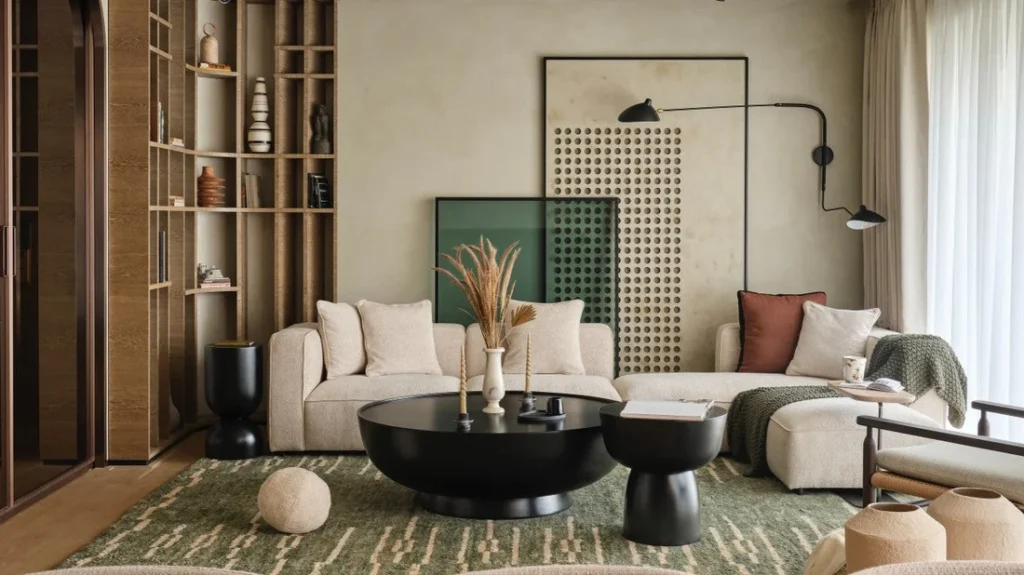
The Psychological Appeal of Imperfect Spaces
Beyond aesthetics, the appreciation for natural imperfection carries significant psychological weight. Studies in environmental psychology suggest that environments characterized by natural materials and visual softness promote calm, well-being, and emotional comfort.
Why Imperfection Feels Human
Perfectly uniform spaces can feel distant or sterile. In contrast, organic interior design introduces subtle unpredictability, mirroring the rhythms of nature and human experience. This fosters a sense of ease and belonging.
Handmade furniture and wabi-sabi interiors invite interaction — to touch, to notice, to slow down. In doing so, they transform interiors from static backdrops into lived environments.
Designing With Imperfection: A Contemporary Framework
For professionals integrating this philosophy into modern projects, intentionality is key. Natural imperfection is not accidental; it is carefully curated and thoughtfully composed.
Principles to Guide the Process
- Material honesty: Allow materials to express their true nature
- Restraint: Edit rigorously to let key elements breathe
- Proportion: Balance irregularity with architectural clarity
When applied with discipline, imperfection enhances rather than disrupts spatial harmony.
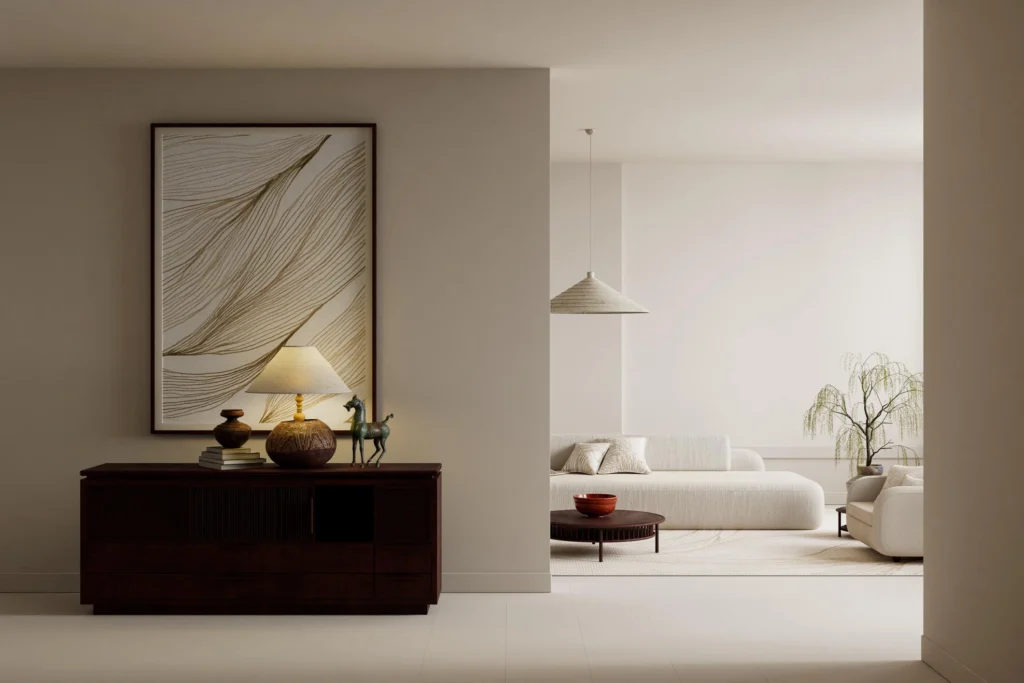
Toward a More Meaningful Design Language
The renewed appreciation for natural imperfection reflects a broader cultural desire for authenticity, depth, and connection. Through organic interior design, handmade furniture, and wabi-sabi interiors, contemporary spaces are becoming more than visually refined — they are becoming emotionally intelligent.
For architects, designers, and discerning clients, this shift offers an opportunity to move beyond surface aesthetics and engage with design as a lived experience. In embracing imperfection, we rediscover not only beauty, but meaning — quietly, thoughtfully, and with lasting impact.