The growing emphasis on authenticity and sensory comfort has elevated the role of natural materials in luxury interior design. Across contemporary residences, hospitality spaces, and private retreats, designers are increasingly turning to wood, stone, linen, and other organic finishes to create environments that feel timeless and deeply connected to nature. For architects and luxury design studios, natural materials offer more than aesthetic value. They shape atmosphere, influence spatial perception, and reinforce craftsmanship. Consequently, the use of organic textures and finishes has become one of the defining characteristics of modern luxury interiors.
The Shift Toward Material Authenticity
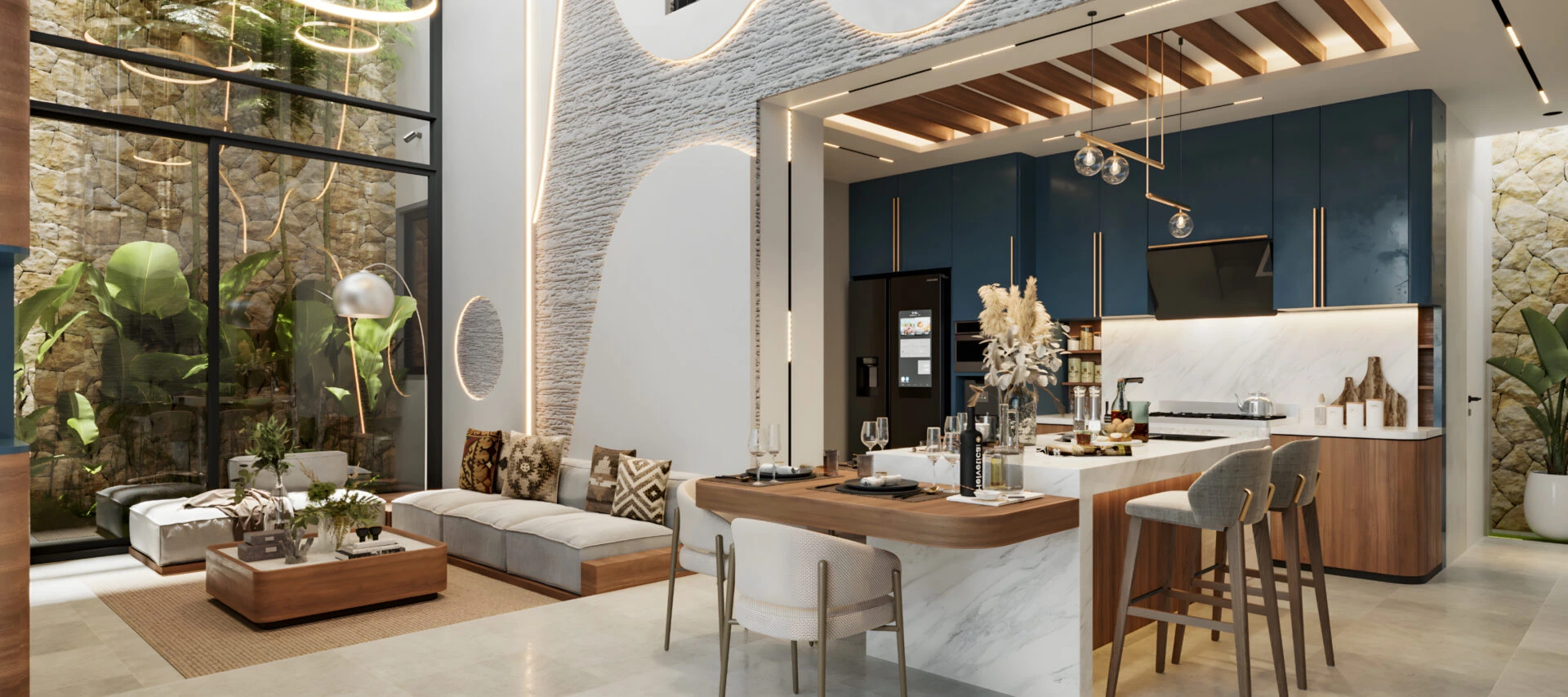
Luxury interior design has evolved beyond purely decorative opulence. Today, clients increasingly value authenticity, tactility, and emotional connection within their environments. Natural materials answer this demand by introducing warmth and visual depth into contemporary spaces.
Rather than relying on synthetic finishes or excessive ornamentation, designers are prioritizing surfaces that age gracefully and reveal their inherent character over time. This approach creates interiors that feel more grounded and enduring. Moreover, natural materials establish a direct relationship between architecture and the surrounding environment, reinforcing a sense of harmony and permanence within luxury homes.
Key Natural Materials in Luxury Interior Design
Several materials consistently define high-end residential interiors due to their timeless quality and sensory richness:
- Natural stone such as travertine and marble
- Solid wood with visible grain and texture
- Linen and wool textiles for softness and comfort
- Clay and plaster finishes with organic variation
- Leather accents that develop character over time
Together, these materials create layered environments that feel sophisticated without appearing overly manufactured.
Wood as a Foundation of Warmth
Wood remains one of the most influential natural materials in luxury interior design because of its versatility and emotional warmth. Whether used in flooring, wall paneling, cabinetry, or furniture, wood introduces softness and balance into architectural spaces.
Designers often favor oak, walnut, and ash for their rich tones and visible grain patterns. Matte finishes are increasingly preferred, allowing the material’s natural texture to remain visible and tactile. Additionally, wood contributes to acoustic comfort, helping interiors feel quieter and more intimate. This combination of functionality and aesthetic depth explains its enduring presence in luxury residential projects.
Stone and Architectural Permanence
Natural stone introduces a sense of permanence and refinement that few materials can replicate:
- Marble surfaces that emphasize elegance and light
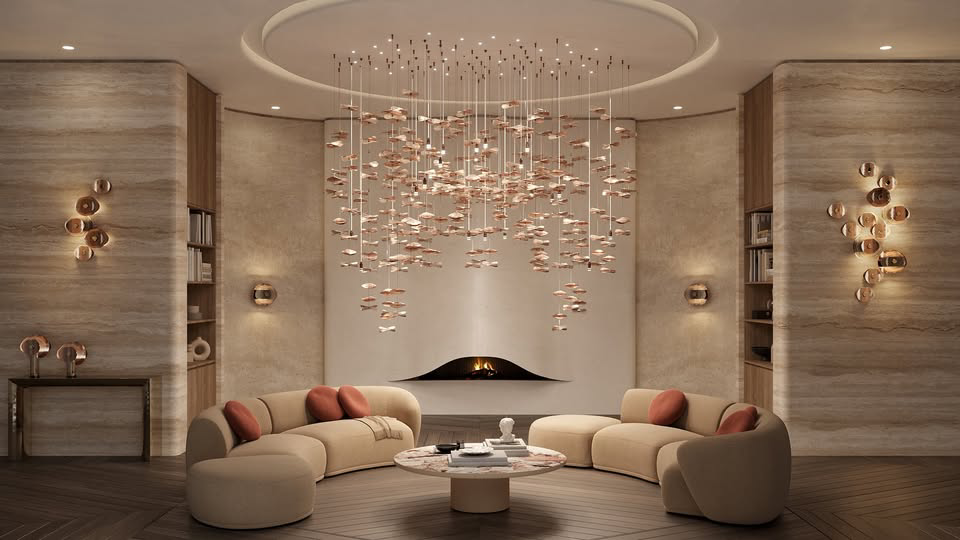
- Travertine textures that create visual softness
- Limestone finishes that reinforce architectural calmness
- Granite accents that provide durability and contrast
- Sculptural stone elements that act as focal points
By integrating stone thoughtfully, designers create interiors that feel both monumental and timeless, while maintaining a strong connection to natural landscapes.
Textiles and Sensory Comfort
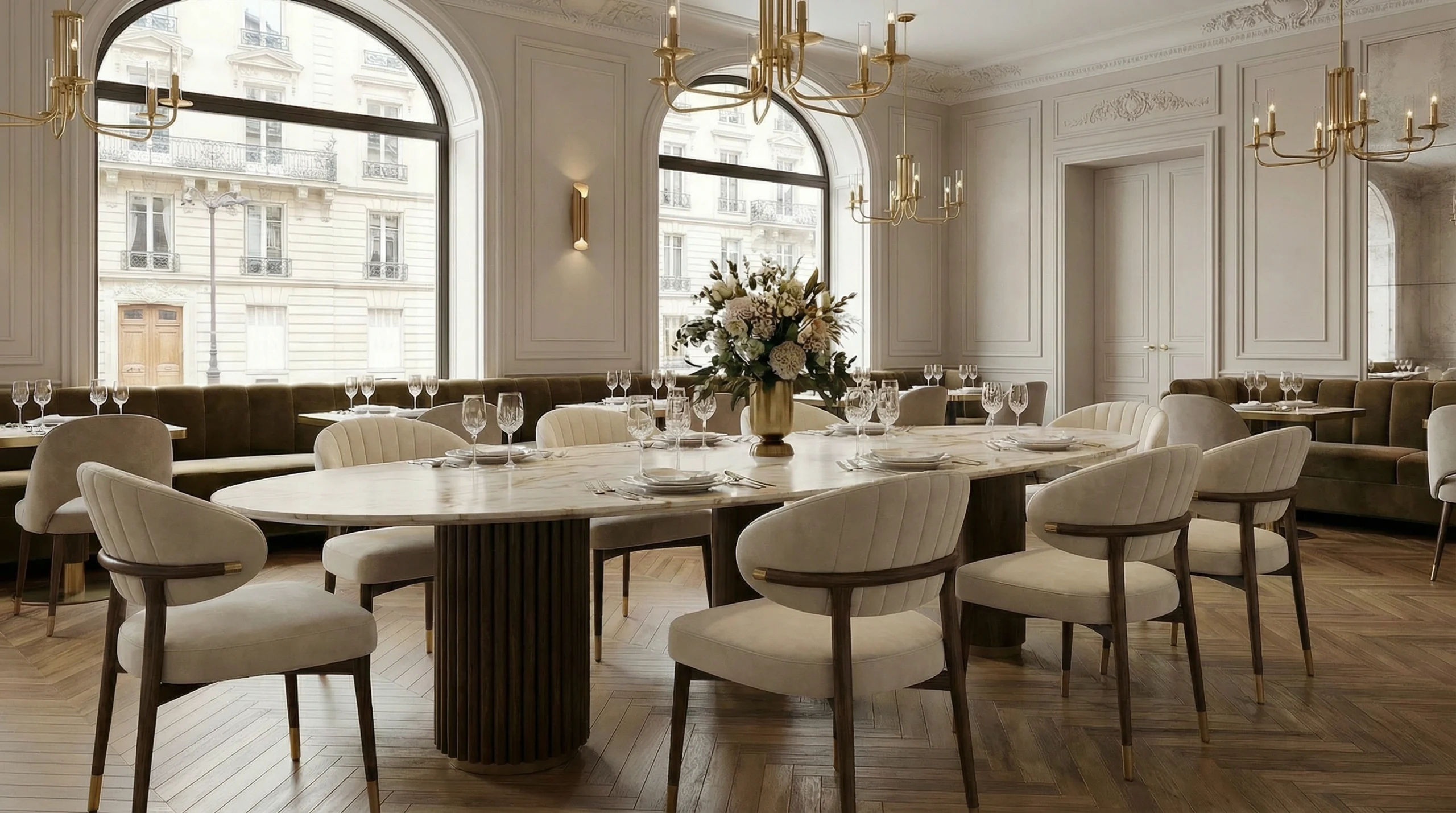
Textiles play a crucial role in softening architectural environments and enhancing comfort. In luxury interiors, natural fabrics are increasingly favored for their tactile richness and understated elegance.
Linen curtains filter natural light gently, while wool rugs introduce warmth underfoot. Bouclé upholstery and cotton blends add softness to seating areas without compromising sophistication. Importantly, these materials create visual layering that makes spaces feel lived-in rather than overly formal. Through careful textile selection, designers can shape interiors that support both comfort and refinement.
The Role of Craftsmanship
The use of natural materials naturally emphasizes craftsmanship and artisanal production. Unlike synthetic surfaces, organic materials require precision and care during fabrication and installation.
- Hand-finished wood detailing that highlights texture
- Stone carving that enhances sculptural qualities
- Custom upholstery with visible artisanal techniques
- Handmade ceramics that introduce individuality
- Natural plaster applications with subtle variation
These crafted elements reinforce the uniqueness of luxury interiors, ensuring that spaces feel curated and authentic rather than standardized.
Light and Material Interaction
One of the most compelling qualities of natural materials is how they interact with light throughout the day. Stone surfaces reflect illumination differently depending on their finish, while wood tones shift subtly under changing daylight conditions.
This dynamic relationship creates interiors that feel alive and constantly evolving. Designers often enhance this effect by combining matte textures with soft, layered lighting strategies. As a result, spaces gain greater visual depth and atmosphere. The interaction between light and materiality therefore becomes central to creating emotionally engaging luxury interiors.
Sustainability and Long-Term Value
Natural materials in luxury interior design are increasingly associated with sustainability and longevity:
- Durable finishes that reduce long-term replacement needs
- Timeless aesthetics that resist short-lived trends
- Organic textures that age gracefully over time
- Locally sourced materials that strengthen regional identity
- Craftsmanship that supports lasting quality
This focus on durability and authenticity reflects a broader shift toward more conscious luxury living, where quality and environmental awareness coexist.
Minimalism and Organic Richness
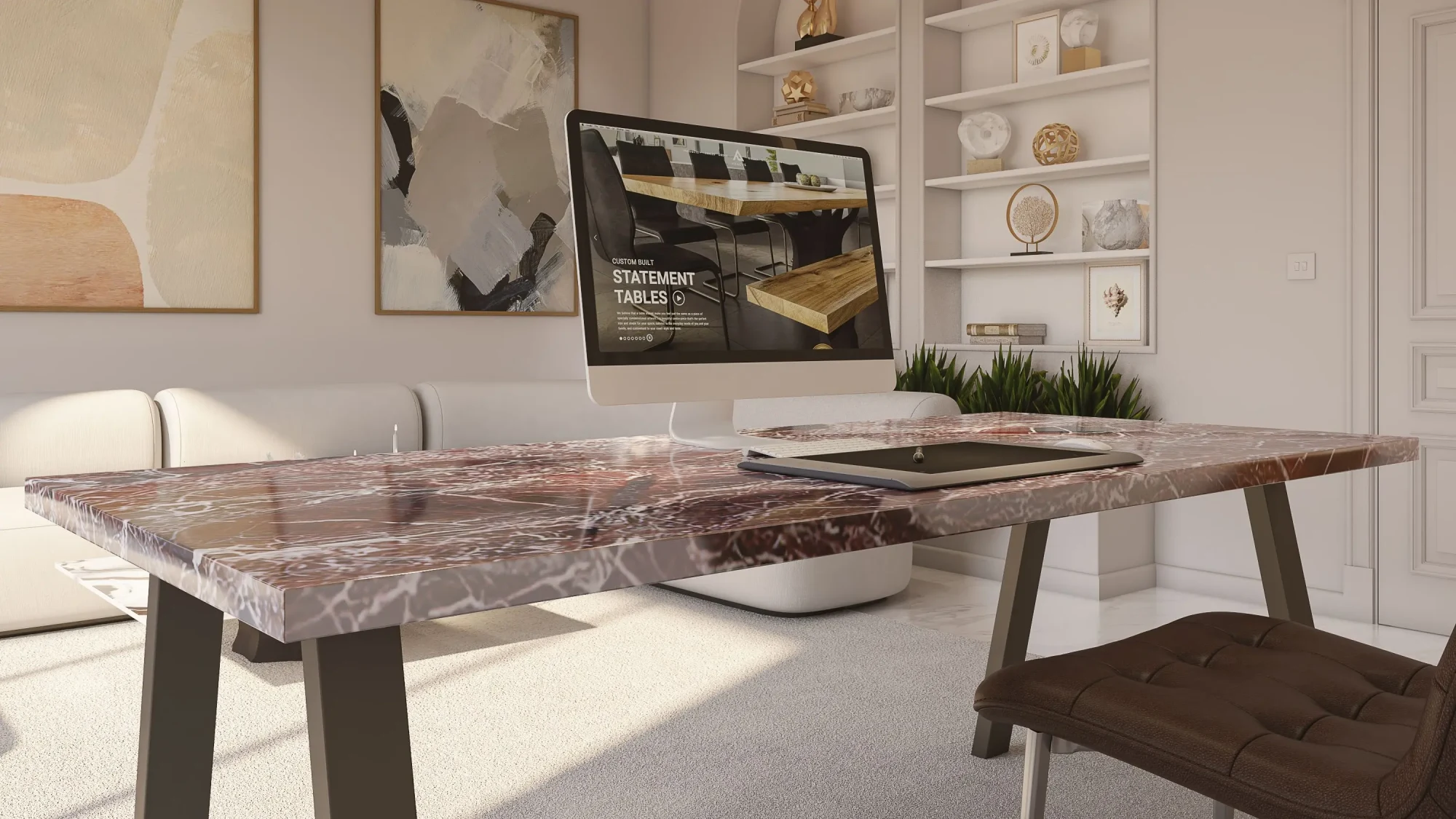
Contemporary luxury interiors often balance minimalist architecture with richly textured natural materials. Clean lines and restrained palettes provide clarity, while organic finishes prevent spaces from feeling cold or sterile.
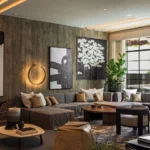
This contrast is especially visible in modern residences where stone, wood, and textiles soften large open-plan environments. Rather than competing for attention, materials are allowed to express their intrinsic beauty through subtle detailing and proportion. Consequently, natural materials become the primary source of visual interest, reinforcing a more sophisticated and timeless approach to luxury design.
Natural Materials in Hospitality and Residential Design
The influence of natural materials extends across both residential and hospitality sectors. Luxury hotels increasingly use organic finishes to create immersive and emotionally comforting environments, while high-end homes adopt similar strategies to support wellness and relaxation.
This crossover demonstrates how hospitality design continues to influence residential interiors. Clients now expect homes to deliver the same sensory richness and calming atmosphere found in boutique hotels and private retreats. Natural materials therefore serve as a bridge between comfort, architecture, and experience-driven design.
Conclusion
The growing influence of natural materials in luxury interior design reflects a broader transformation within contemporary living environments. Through wood, stone, textiles, and handcrafted finishes, designers are creating interiors that feel authentic, timeless, and deeply connected to human experience.
For architects, interior designers, and luxury design studios, natural materials offer an essential framework for shaping refined and emotionally engaging spaces. As design continues to evolve, the emphasis on material authenticity, craftsmanship, and sensory comfort will remain central to the future of luxury interiors.