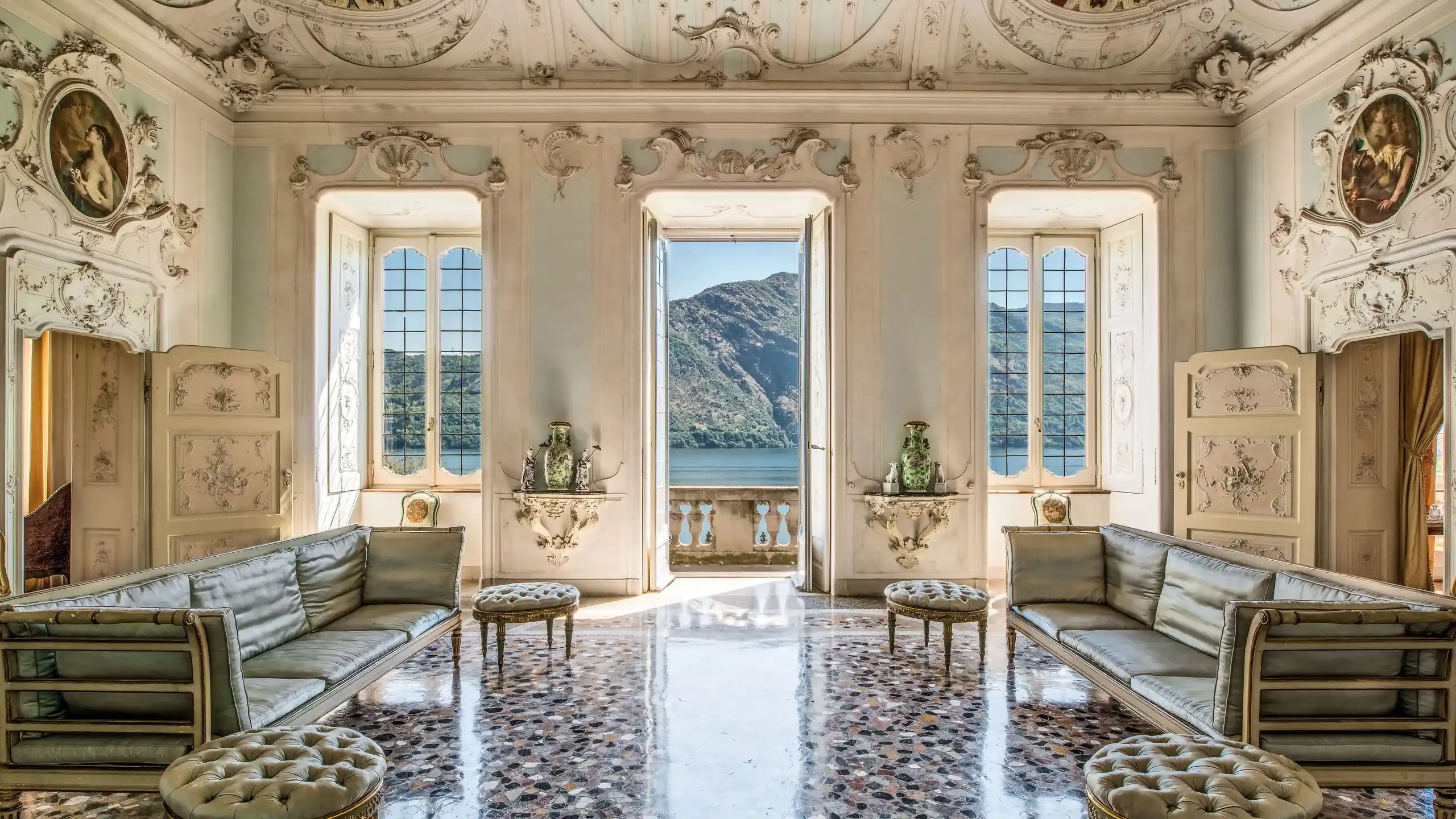
Lake Como has long attracted architects, interior designers, and luxury design studios seeking inspiration at the intersection of landscape, architecture, and craftsmanship. Set against dramatic alpine scenery, the lake’s shoreline features historic villas that date from the 16th to the 19th centuries, many designed as seasonal retreats for aristocratic families and later transformed into refined luxury destinations.
For design professionals, these villas offer more than visual beauty. They present layered interiors, curated materials, and spatial compositions that reflect centuries of European design evolution. From neoclassical symmetry to romantic gardens and contemporary restorations, Lake Como delivers a rich design narrative in a single destination.
Why Lake Como Captivates Design Professionals
The villas of Lake Como stand out because they merge architecture with landscape in a deliberate and highly controlled way. Terraced gardens, axial pathways, and lake-facing façades create a seamless dialogue between built form and nature. This tradition dates back to Roman times and evolved through Renaissance and Romantic influences, shaping the iconic villa culture seen today.
Interiors mirror this approach. Many properties feature frescoed ceilings, custom millwork, antique furnishings, and curated art collections. At the same time, contemporary restorations introduce modern lighting, bespoke furniture, and refined minimalism. This contrast between heritage and innovation makes Lake Como particularly relevant for luxury design studios.
Villa d’Este: Renaissance Grandeur Reimagined
Villa d’Este represents one of the most iconic luxury properties on Lake Como. Originally built in 1568 as a cardinal’s residence, it now operates as a world-renowned hotel while preserving its architectural integrity.
For interior designers, the villa offers a masterclass in layering historical opulence with contemporary hospitality. Ornate ceilings, sculptural staircases, and classical artwork coexist with updated textiles and refined lighting schemes. The surrounding gardens, filled with fountains and classical structures, extend the design narrative outdoors.
Spatially, Villa d’Este demonstrates how symmetry and procession shape user experience. Each room unfolds with intention, guiding movement through a sequence of curated environments.
Villa del Balbianello: Cinematic Design and Landscape Integration
Positioned on a wooded peninsula, Villa del Balbianello delivers one of the most dramatic compositions on Lake Como. Built in the late 18th century on the site of a former monastery, the villa combines architectural restraint with highly expressive gardens.
Terraced landscaping, sculpted hedges, and axial views frame the lake in a way that feels both theatrical and controlled. This balance between geometry and nature offers valuable insight into outdoor design strategies.
Inside, the villa presents richly detailed interiors with collected artifacts and layered textures. The integration of storytelling through objects creates a strong emotional connection, an approach that resonates with high-end residential and hospitality design.
Villa Carlotta: Art, Botany, and Interior Elegance
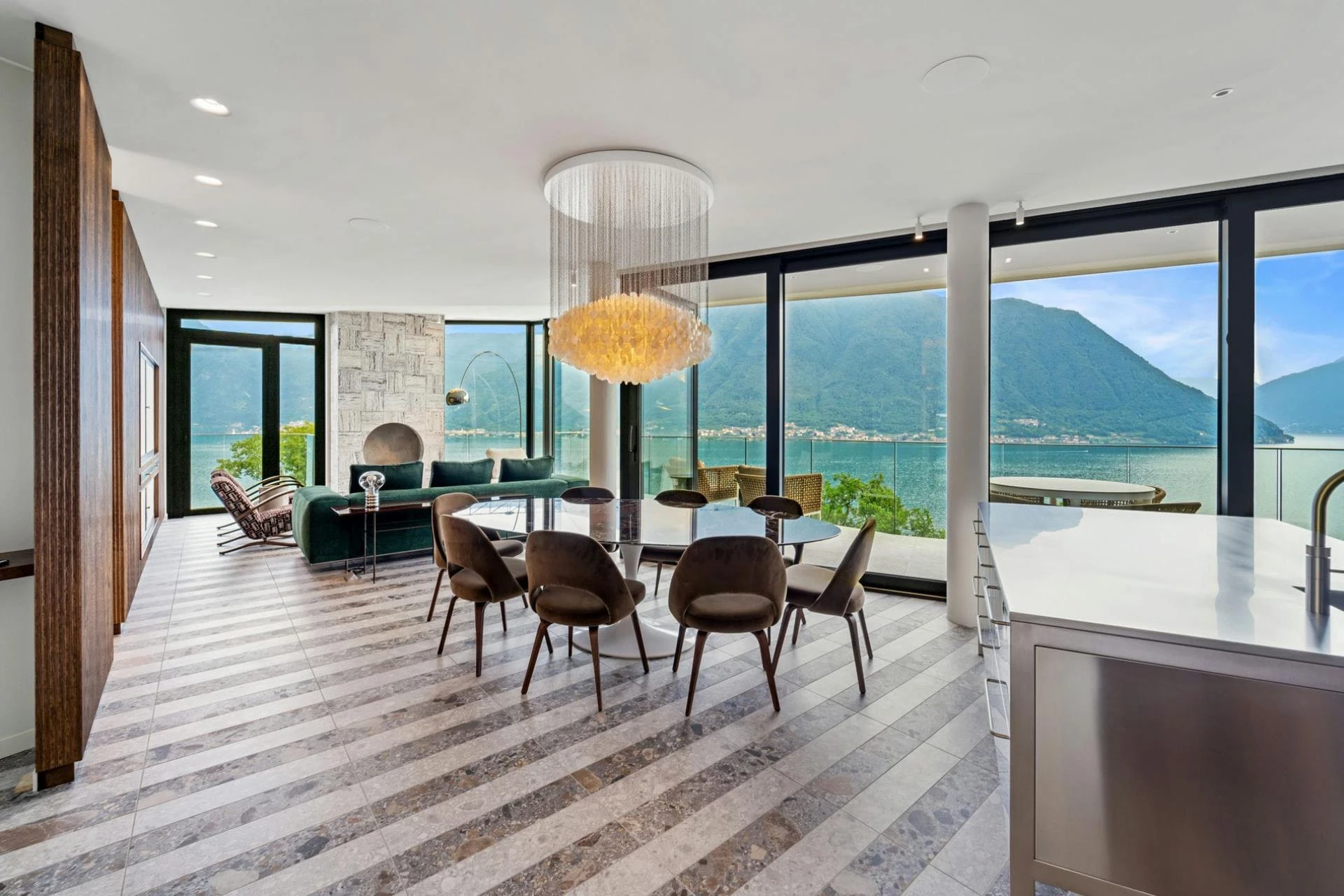
Villa Carlotta combines neoclassical architecture with extensive botanical gardens, creating a multisensory design experience. Built in the 17th century, it houses sculptures by artists such as Antonio Canova alongside period interiors and curated furnishings.
The villa’s interiors emphasize proportion, symmetry, and material richness. Marble surfaces, classical ornamentation, and carefully scaled rooms create a sense of harmony that remains relevant for contemporary luxury interiors.
The gardens, known for their seasonal color and plant diversity, demonstrate how landscape design can enhance architectural identity. Designers can observe how circulation paths, viewpoints, and plant composition influence spatial perception.
Villa Melzi d’Eril: Neoclassical Clarity and Landscape Flow
Villa Melzi d’Eril offers a more restrained interpretation of luxury. Built in the early 19th century, the villa reflects neoclassical principles with clean lines and balanced proportions.
While the interior remains private, the gardens provide a clear example of how architecture extends into landscape. Long pathways, sculptural elements, and curated plantings create a continuous visual rhythm along the lakefront.
For architects and outdoor designers, this villa highlights the importance of alignment, perspective, and controlled views. Every element contributes to a cohesive spatial experience.
Villa Monastero: Eclectic Interiors and Layered History
Villa Monastero began as a Cistercian monastery before evolving into a richly layered residence. Its interiors reflect multiple periods, blending architectural styles and decorative approaches into a cohesive yet complex identity.
This eclecticism offers valuable inspiration for designers working on adaptive reuse or heritage projects. Rather than erasing history, the villa embraces it, allowing different design languages to coexist.
The lakeside botanical garden further enhances the experience, stretching along the waterfront and reinforcing the connection between interior and exterior spaces.
Contemporary Luxury Villas and Design Evolution
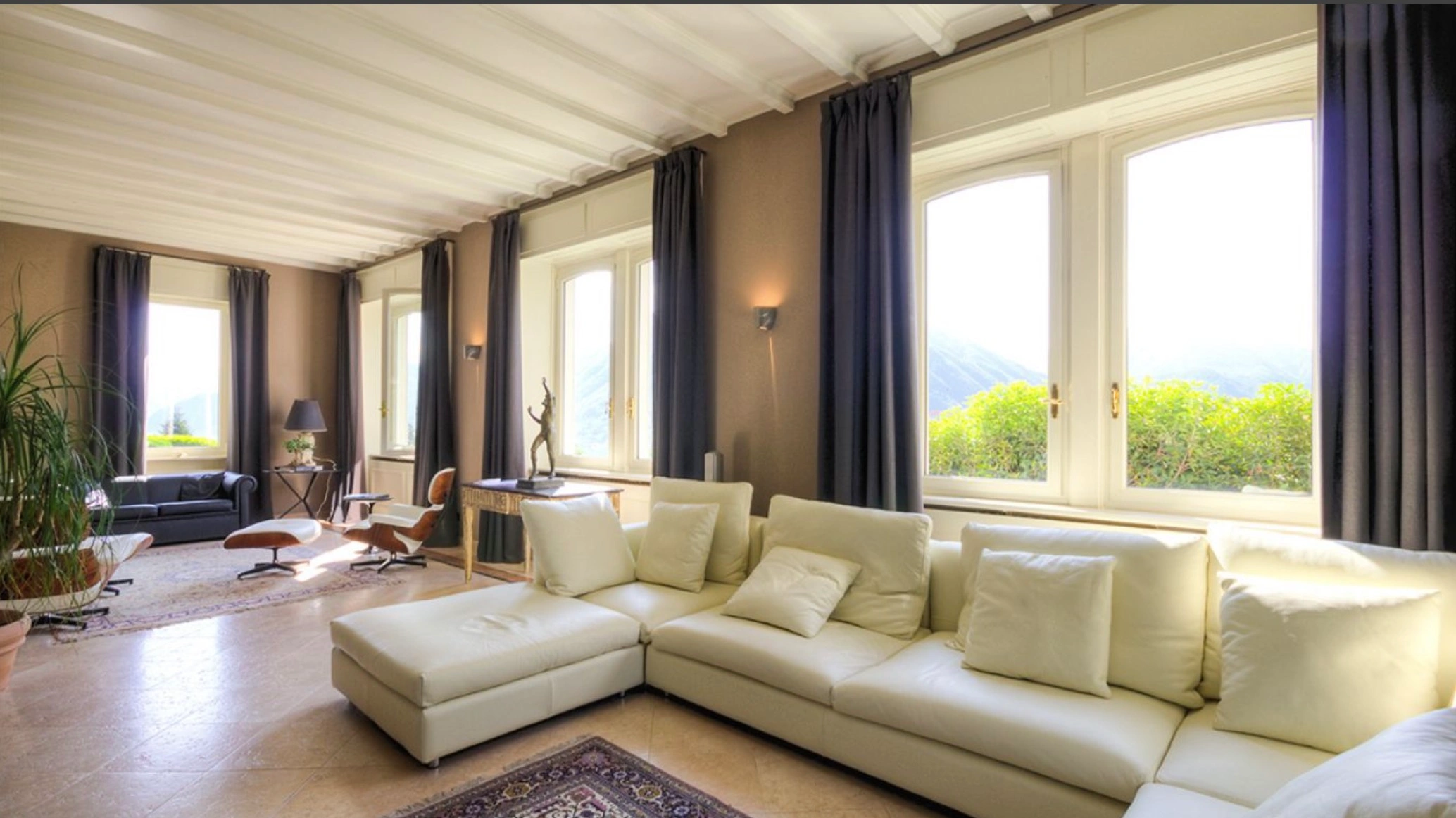
While historic villas define Lake Como’s identity, contemporary properties add a new dimension to the region. Modern villas and renovated estates integrate minimalist interiors, custom furniture, and advanced materials while respecting the surrounding context.
Recent luxury stays such as Passalacqua and Il Sereno demonstrate how design continues to evolve. These properties combine Italian craftsmanship with modern spatial concepts, offering clean lines, curated art, and seamless indoor-outdoor transitions.
For design studios, these newer villas provide insight into how heritage locations can support contemporary aesthetics without losing authenticity.
Interiors That Reflect Italian Craftsmanship
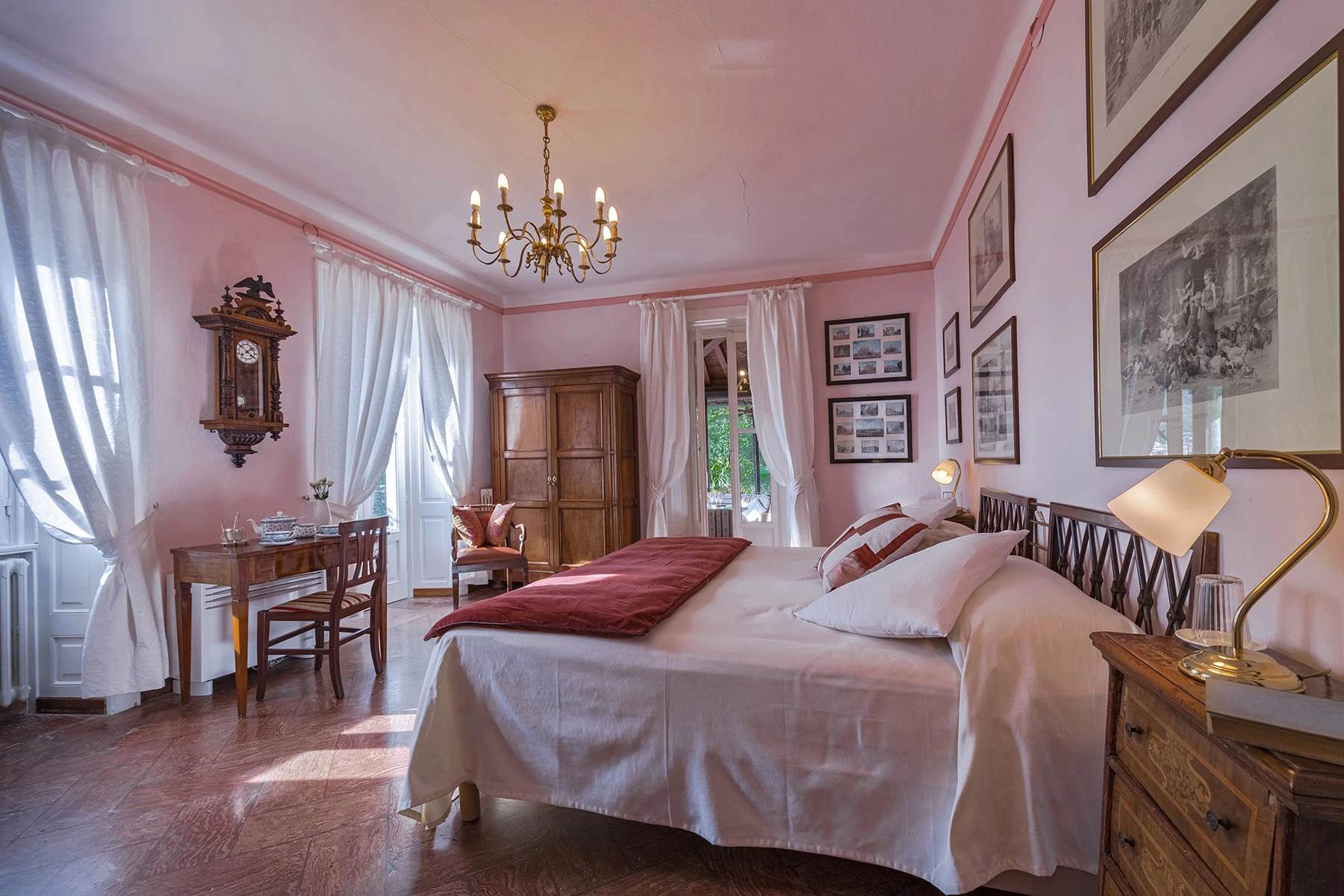
Across Lake Como, interiors consistently emphasize craftsmanship. Hand-carved wood, bespoke upholstery, Murano glass, and artisanal stonework appear throughout many villas. These elements highlight the importance of detail in luxury environments.
Furniture often features classical silhouettes with modern refinements. Textiles introduce softness and depth, while lighting plays a crucial role in defining atmosphere. Designers can observe how each component contributes to a cohesive interior language.
This attention to detail reflects a broader Italian design philosophy where quality, materiality, and proportion define luxury.
Experiencing Lake Como Through a Design Lens
Exploring Lake Como by boat offers one of the most effective ways to understand its architectural composition. Many villas reveal their most impressive façades from the water, where terraces, gardens, and structural forms align with the natural topography.
This perspective highlights how design responds to context. Buildings adapt to steep terrain, maximize views, and create layered outdoor spaces that enhance privacy and experience.
For interior designers and architects, this approach reinforces the importance of site-specific design. Every decision, from orientation to material selection, contributes to the overall narrative.
A Destination Defined by Timeless Design
Lake Como remains one of the most compelling destinations for luxury design professionals. Its villas offer a rare combination of historical depth, architectural precision, and contemporary relevance.
From the grandeur of Villa d’Este to the sculptural landscapes of Villa del Balbianello, each property reveals a distinct design language. Together, they form a cohesive yet diverse ecosystem that continues to influence global design.
For interior designers, furniture brands, and architects, Lake Como is more than a travel destination. It is a living archive of luxury design, where past and present converge in spaces defined by craftsmanship, beauty, and intention.