
The global landscape of Design Exhibitions continues to evolve at a remarkable pace, driven by shifting client expectations, material innovation, and the growing intersection of art, architecture, and collectible design. For interior designers, architects, and luxury furniture brands, these exhibitions are no longer just trade platforms—they are strategic environments where cultural direction, craftsmanship, and high-end market positioning converge.
In 2026 and beyond, a new generation of design exhibitions is redefining what it means to experience luxury interiors. These events combine immersive storytelling, curated installations, and cross-disciplinary collaboration, making them essential touchpoints for professionals operating at the highest level of design.
Why Emerging Design Exhibitions Matter in Luxury Interiors
The importance of Design Exhibitions in the luxury sector lies in their ability to forecast trends and shape client expectations. Unlike traditional fairs focused purely on product display, emerging exhibitions emphasize:
- Curated narratives over mass presentation
- Collectible and limited-edition design
- Experiential environments
- Cross-industry collaboration (fashion, art, hospitality)
This shift reflects a broader movement within luxury interiors toward individuality, storytelling, and emotional engagement.
Key Emerging Design Exhibitions Defining the Market
Matter and Shape (Paris)
One of the most talked-about emerging Design Exhibitions, Matter and Shape has quickly established itself as a hybrid platform between design, fashion, and cultural discourse. Hosted during Paris Fashion Week, it attracts a highly curated audience of tastemakers, collectors, and creative directors.
Unlike conventional fairs, the exhibition adopts a salon-style format, prioritizing atmosphere and dialogue. Installations range from sculptural lighting to collectible furniture, often presented in immersive environments rather than standard booths.
For luxury design studios, this exhibition offers insight into how interiors increasingly intersect with lifestyle branding and fashion narratives.
NOMAD St. Moritz (Switzerland)
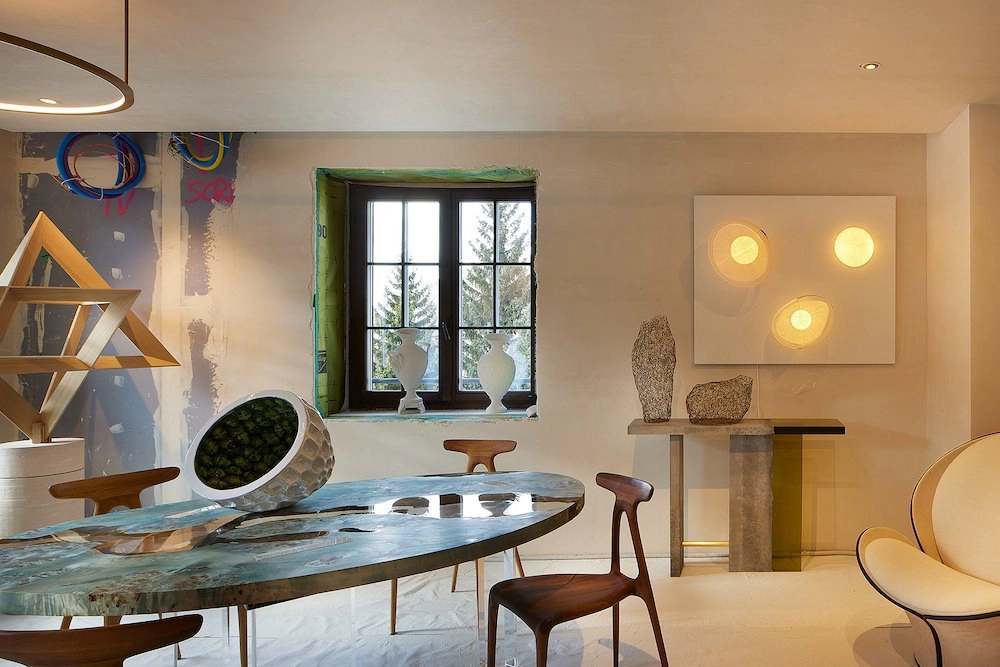
NOMAD represents a shift toward boutique, location-driven Design Exhibitions. Rather than operating in large convention centers, it takes place in exclusive architectural settings, such as historic villas.
The exhibition focuses on collectible design, bringing together galleries, independent designers, and high-end brands in an intimate environment. This format allows for deeper engagement with each piece and fosters direct relationships between creators and collectors.
Its curated approach aligns perfectly with the luxury market’s emphasis on rarity and bespoke design.
FORMA Design Fair (Madrid)
FORMA Design Fair has emerged as a key platform in Southern Europe, blending contemporary design with cultural programming. Hosted at Matadero Madrid, a leading contemporary art space, the event integrates exhibitions, talks, and installations.
What distinguishes FORMA is its focus on multidisciplinary collaboration—bringing together architects, designers, and artists under one framework.
For brands and studios, it offers a strong connection between conceptual design and market-ready products.
Nairobi Design Week (Nairobi)
Nairobi Design Week introduces a fresh geographic perspective to the global design conversation. Its emphasis on human-centered design and cultural storytelling positions it as one of the most innovative emerging Design Exhibitions.
The event explores how local materials, craftsmanship, and social narratives influence contemporary interiors.
For international designers, it provides access to new creative ecosystems and material approaches that are increasingly relevant in global luxury projects.
TEFAF Maastricht (Netherlands)
While TEFAF is an established fair, its growing integration of collectible design and high-end interiors places it firmly within the evolving landscape of Design Exhibitions.
Known for its rigorous curation and museum-quality pieces, TEFAF attracts top collectors and institutions. Its inclusion of design objects alongside fine art reinforces the positioning of furniture and interiors as collectible assets.
This shift reflects the increasing overlap between interior design and the art market.
Art Basel Hong Kong (Hong Kong)
Art Basel Hong Kong continues to influence the luxury interior market by bridging art and design on a global scale. The event features leading galleries and showcases both contemporary art and design-led installations.
Its strategic location and strong presence of Asian collectors make it a critical platform for brands targeting international luxury clients.
The fair’s collaborations with design institutions further highlight the growing integration of interiors within the broader cultural economy.
Established Exhibitions Evolving with a New Direction
Alongside emerging platforms, several major Design Exhibitions continue to evolve and adopt more experimental formats:
- Maison & Objet introduces curated installations focused on material exploration and craftsmanship.
- Salone del Mobile expands into collectible design through initiatives like “Salone Raritas,” bridging traditional manufacturing with limited-edition pieces.
- IDS Toronto emphasizes emerging talent and innovation in North America.
These exhibitions demonstrate how even long-standing events adapt to meet the demands of a more design-conscious and experience-driven audience.
Key Trends Emerging from Design Exhibitions
1. Collectible Design as a Core Market Segment
Design exhibitions increasingly highlight limited-edition and gallery-driven pieces. This trend elevates furniture and interiors into the realm of collectible art.
2. Immersive Exhibition Design
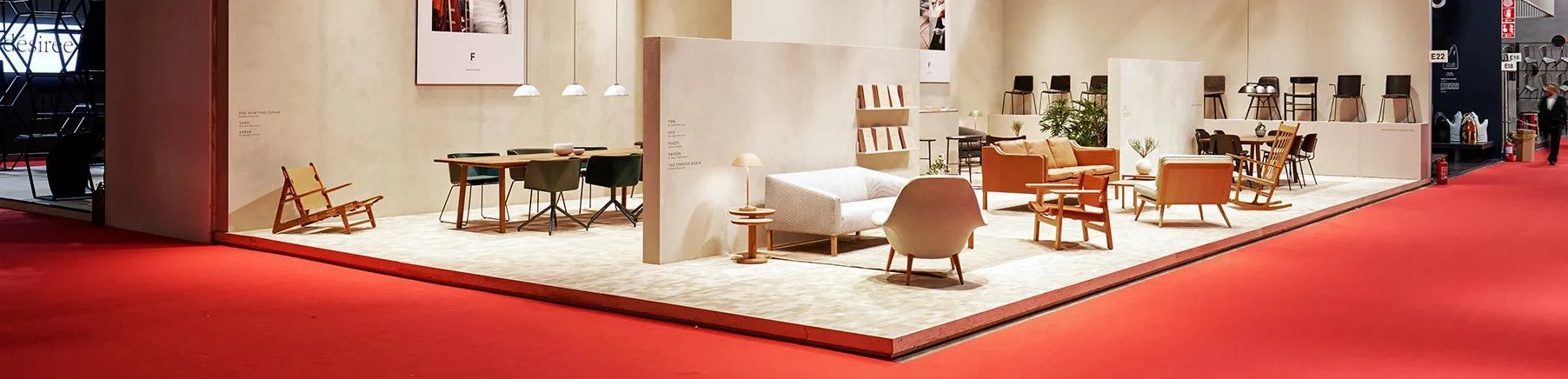
Exhibitors now create environments rather than displays. Lighting, sound, and spatial storytelling play a crucial role in presenting products.
3. Cross-Disciplinary Collaboration
Fashion houses, artists, and architects collaborate within exhibition spaces, expanding the scope of interior design.
4. Global Diversification
Emerging exhibitions in regions such as Africa and Southern Europe introduce new perspectives, materials, and narratives into the luxury market.
5. Sustainability and Material Innovation
Many exhibitions now include dedicated sections exploring eco-materials, circular design, and responsible sourcing, reflecting broader industry priorities.
Strategic Value for Designers and Brands
For interior designers, architects, and luxury studios, attending the right Design Exhibitions is a strategic decision. These events provide:
- Early access to emerging materials and technologies
- Opportunities to build relationships with global brands and galleries
- Insight into evolving client preferences and lifestyle trends
- Exposure to new markets and cultural influences
More importantly, they offer a platform to position a brand or studio within the global design conversation.
The Future of Design Exhibitions in Luxury Interiors
The next generation of Design Exhibitions reflects a broader transformation in the luxury interior market. These events no longer function solely as commercial trade shows—they act as cultural platforms where design, art, and experience intersect.
Emerging exhibitions such as Matter and Shape, NOMAD, and FORMA demonstrate a shift toward curation, exclusivity, and narrative-driven design. At the same time, established fairs continue to evolve, integrating collectible design and immersive experiences.
For professionals in interior design, architecture, and luxury furniture, engaging with these exhibitions is essential to staying ahead in an increasingly competitive and concept-driven market.