Few cities influence contemporary furniture, architecture, and interior design as profoundly as Copenhagen. Known globally for its refined Scandinavian aesthetic, the Danish capital combines historic urban fabric with progressive design thinking. For interior designers, architects, luxury studios, and furniture brands, the city offers a collection of dynamic neighborhoods where craftsmanship, retail showrooms, and architectural experimentation converge.
From historic boulevards filled with mid-century furniture icons to emerging waterfront districts shaped by cutting-edge architecture, Copenhagen’s design districts reveal the evolution of Danish design culture. The following guide explores the most influential areas where creative professionals discover showrooms, galleries, concept stores, and architectural landmarks.
Frederiksstaden: The Historic Heart of Danish Design
Among all design districts in Copenhagen, Frederiksstaden stands as the most iconic. Located near the royal square and waterfront, the area reflects both the heritage and ongoing influence of Danish modernism.
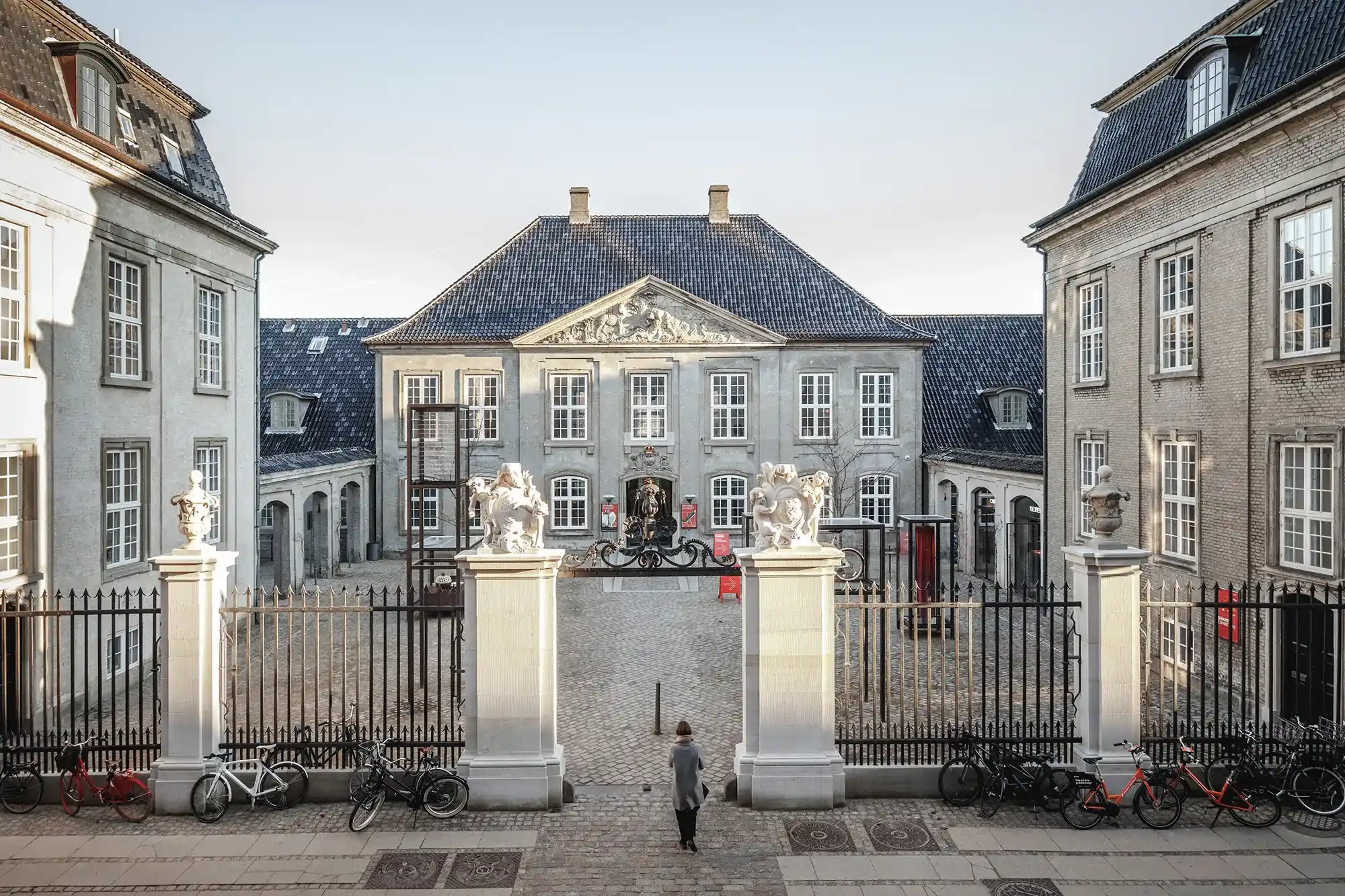
Frederiksstaden hosts a remarkable concentration of design showrooms, galleries, and cultural institutions. The neighborhood’s elegant Rococo architecture provides a sophisticated backdrop for contemporary furniture brands and design studios.
One of the district’s most important streets is Bredgade, widely considered a global destination for Scandinavian furniture and decorative arts. Along this historic avenue, visitors encounter leading furniture brands, antique dealers specializing in mid-century pieces, and curated design showrooms.
The area also houses the influential Designmuseum Danmark, which documents the history of Danish craftsmanship and modern design. The museum anchors the neighborhood as both a cultural and commercial hub for furniture and product design.
For luxury studios and architects sourcing high-quality design pieces, Frederiksstaden remains one of the most essential destinations in Copenhagen.
Bredgade: Copenhagen’s Design Boulevard
Running through Frederiksstaden, Bredgade deserves recognition as a design district in its own right.
The street hosts flagship stores and galleries representing some of the most influential Danish furniture brands. Several renowned manufacturers maintain showrooms here, presenting collections that highlight Danish craftsmanship and contemporary furniture innovation.
Historic architecture amplifies the experience. Classical facades and restored interiors create environments where furniture design feels integrated with architectural heritage. For designers and specifiers, Bredgade functions almost like a curated gallery of Scandinavian furniture design.
Because of its density of showrooms, Bredgade often becomes a central stage during 3daysofdesign, the city’s internationally recognized annual design festival. The event activates multiple districts across the city and attracts thousands of professionals exploring product launches, installations, and exhibitions.
Vesterbro: Copenhagen’s Creative and Contemporary District
While Frederiksstaden represents heritage, Vesterbro embodies Copenhagen’s contemporary design culture.
Once known for its industrial and nightlife character, the neighborhood has transformed into one of the city’s most vibrant creative areas. Today it blends independent design studios, boutique interiors shops, and experimental concept stores.
Small design streets such as Værnedamsvej attract designers seeking curated interiors, vintage furniture, and artisanal objects. Independent retailers present carefully selected collections that mix Scandinavian design with international influences.
Architecturally, Vesterbro balances historic buildings with adaptive reuse projects and modern renovations. Former industrial structures now house design studios, cafés, and showrooms, reinforcing the district’s reputation as a creative hub.
For designers exploring emerging trends in furniture, lighting, and decorative objects, Vesterbro offers a fresh and experimental perspective within Copenhagen’s design ecosystem.
Nordhavn: The Future of Scandinavian Urban Design
If Frederiksstaden represents design heritage, Nordhavn reflects the future of architecture and urban development.
Located along the city’s northern harbor, Nordhavn has undergone one of Europe’s most ambitious waterfront transformations. Former industrial docks have evolved into a modern district defined by innovative architecture and design studios.
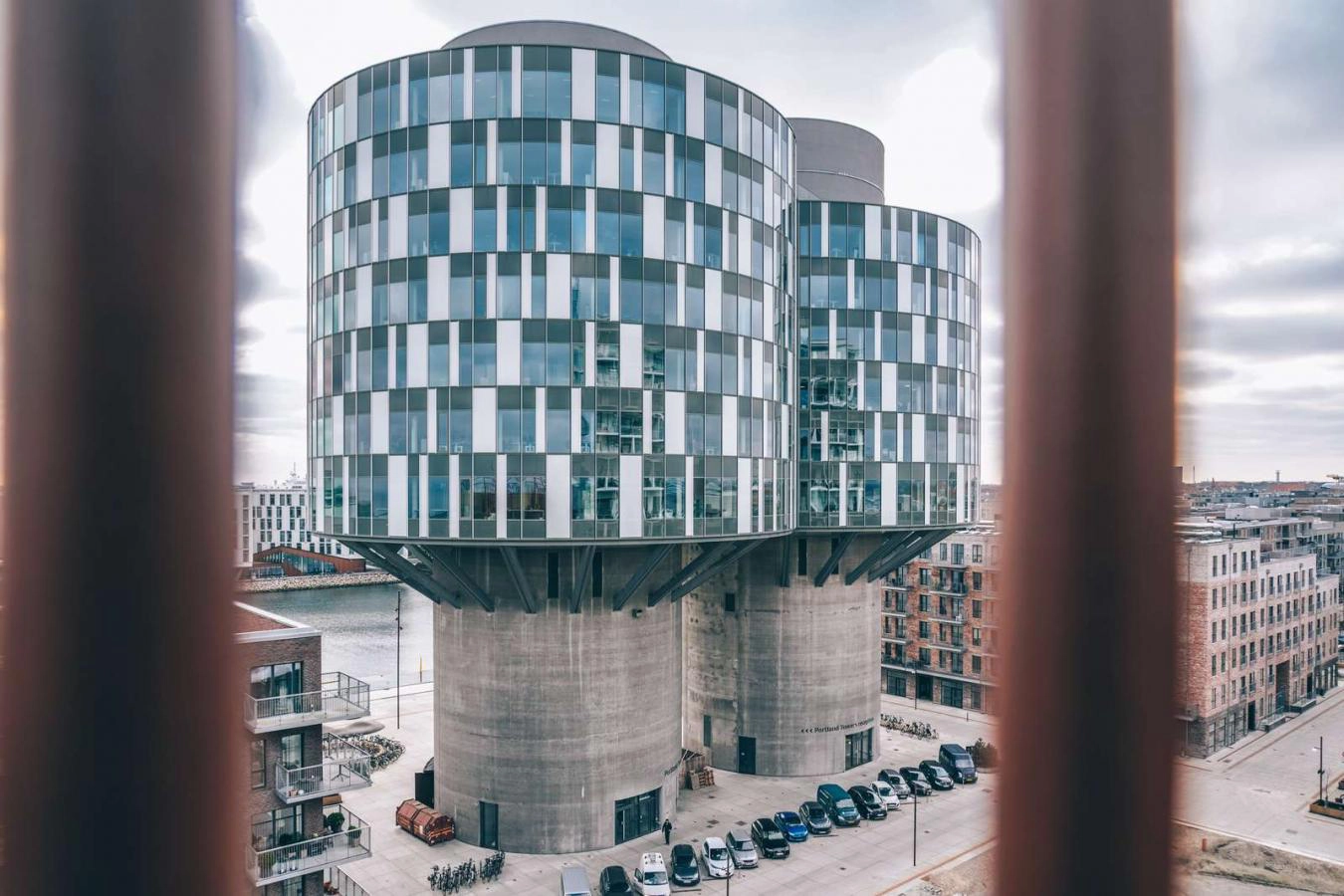
Several striking buildings shape the skyline, including The Silo and Portland Towers, both examples of adaptive industrial architecture. These structures illustrate how Copenhagen integrates sustainability, design, and urban planning.
Design brands and creative companies increasingly establish studios in Nordhavn, attracted by its contemporary architecture and waterfront lifestyle. The district also hosts exhibitions and installations during 3daysofdesign, reinforcing its role in the city’s evolving design landscape.
For architects and urban designers, Nordhavn represents a living laboratory of Scandinavian urban innovation.
Frederiksberg: Refined Residential Design Culture
Adjacent to central Copenhagen, Frederiksberg offers a more residential interpretation of Danish design culture.
Known for tree-lined boulevards, elegant apartments, and expansive parks, the district provides a sophisticated environment for boutique interiors shops and lifestyle design stores. The area attracts designers interested in refined domestic aesthetics and residential architecture.
Frederiksberg’s design scene emphasizes craftsmanship, ceramics, textiles, and smaller-scale furniture collections. Rather than large showrooms, many spaces focus on curated retail and artisan design objects.
The district’s calm atmosphere and architectural elegance make it an appealing destination for interior designers seeking inspiration beyond Copenhagen’s busiest commercial streets.
Kongens Nytorv and the Central Design Retail Hub
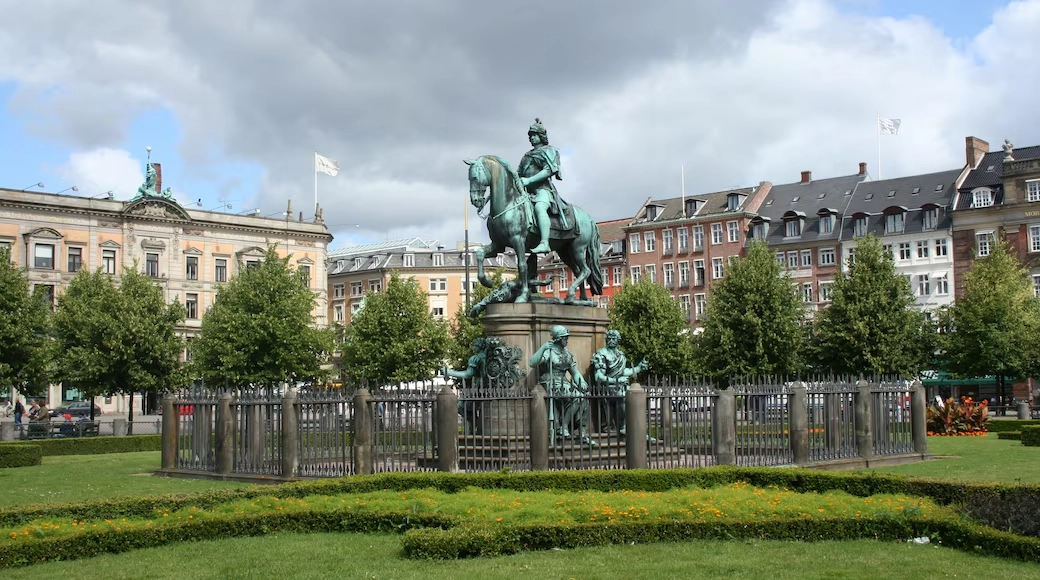
At the intersection of several historic neighborhoods lies Kongens Nytorv, an important retail hub for Danish design.
The surrounding streets contain several flagship stores, concept spaces, and department stores that showcase both heritage Scandinavian brands and contemporary design labels. This area often serves as the entry point for visitors exploring Copenhagen’s design scene.
Nearby showrooms and concept stores present a curated mix of furniture, lighting, textiles, and accessories, reinforcing the city’s reputation for holistic design culture.
Why Copenhagen Remains a Global Design Capital
Design districts in Copenhagen demonstrate how a city can integrate heritage, innovation, and urban planning into a cohesive creative ecosystem. Historic streets filled with mid-century design coexist with waterfront districts experimenting with future architecture.
For interior designers, furniture brands, architects, and luxury design studios, the city provides a rare concentration of showrooms, galleries, and design institutions within a highly walkable urban environment.
Events such as 3daysofdesign further reinforce Copenhagen’s role as a global meeting point for design professionals, activating multiple neighborhoods across the city with exhibitions, installations, and collaborative projects.
As Scandinavian design continues to influence global interiors and architecture, Copenhagen’s design districts remain essential destinations for discovering the ideas, materials, and craftsmanship shaping the future of design.