

In contemporary interiors, few pieces have redefined the language of comfort and movement as eloquently as swivel armchairs. Once associated with mid-century offices and executive lounges, these versatile seats have reemerged in residential spaces with renewed authority. Today, they appear in refined townhouses in London, expansive villas in Dubai, Manhattan penthouses, and coastal retreats along the Mediterranean.
But are swivel armchairs in living rooms a meaningful evolution in luxury living room seating, or merely a passing design indulgence? For architects, interior designers, and discerning homeowners, the question extends beyond aesthetics. It touches on functionality, spatial flow, ergonomics, and the evolving ways we inhabit our homes.
This article examines whether swivel seating is a fleeting trend or an enduring design solution — and why it continues to gain relevance in modern interiors.
The Evolution of the Armchair: From Static to Dynamic
The armchair has historically symbolized repose and status. From Louis XVI bergères to sculptural 20th-century icons, it has served as both functional object and cultural artifact. Yet traditional armchairs were static — anchored in a fixed orientation within a room.
The introduction of rotation transformed this archetype. Early modernist designers recognized the value of adaptability, particularly in open-plan environments. The concept gained prominence in the mid-20th century, when fluid spatial arrangements became central to modern architecture.
Today’s modern armchairs reinterpret this legacy with greater technical refinement and aesthetic subtlety. Hidden mechanisms, seamless upholstery, and architectural silhouettes allow rotation without visual compromise.
Why Movement Matters in Contemporary Living Rooms
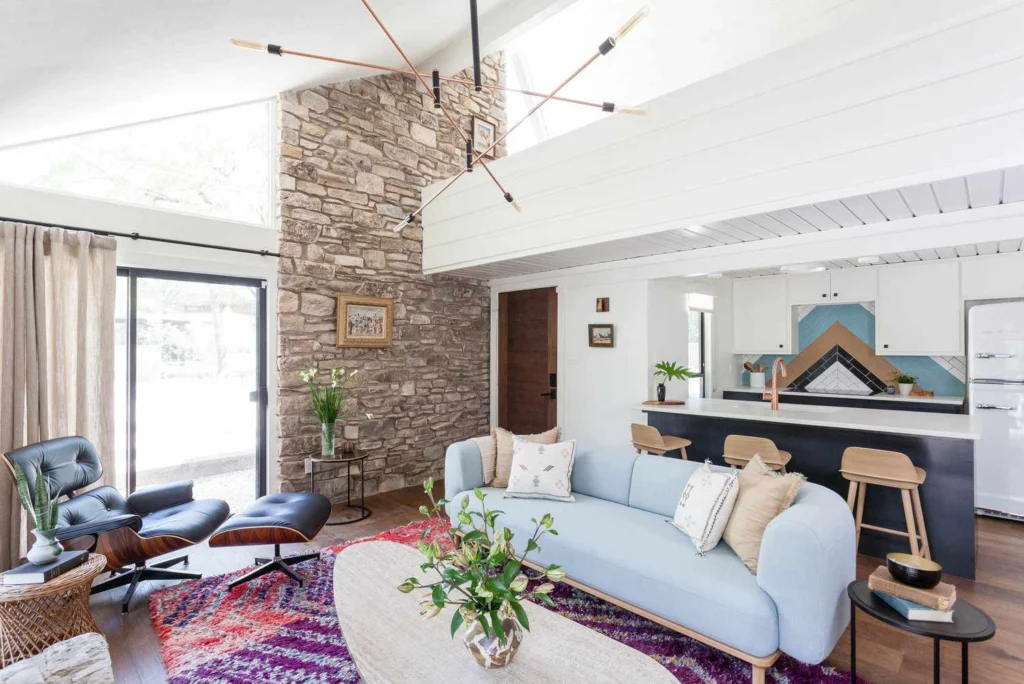
Open-plan living has redefined how we experience space. Living rooms are no longer isolated salons but multifunctional hubs connected to kitchens, terraces, libraries, and media zones. In such contexts, static seating can feel restrictive.
Swivel armchairs introduce a subtle but transformative dynamic:
- They allow conversation to shift effortlessly between seating groups.
- They orient toward architectural views or fireplaces without rearranging furniture.
- They adapt to both intimate gatherings and larger social occasions.
- They support hybrid living — from entertaining to remote work.
This adaptability explains why designers increasingly incorporate swivel armchairs into luxury residential projects worldwide.
Functional Luxury: The Case for Swivel Armchairs
In high-end interiors, luxury is defined not only by materials but by experience. True luxury living room seating anticipates the needs of its occupants while preserving visual harmony.
1. Spatial Intelligence
Rotational seating responds intelligently to architectural geometry. In rooms with panoramic glazing, double-height ceilings, or dual focal points, swivel armchairs maintain equilibrium. They provide freedom without clutter.
2. Ergonomic Refinement
High-quality swivel mechanisms now operate silently and smoothly. When integrated into sculptural modern armchairs, they enhance comfort rather than distract from it. Designers often select models with deep seating, supportive backrests, and luxurious upholstery to ensure that movement complements rest.
3. Social Versatility
In formal salons or informal family rooms, swivel armchairs encourage fluid interaction. Guests can pivot toward a speaker, a view, or a secondary conversation circle. The chair becomes an active participant in the spatial choreography.
4. Discreet Technology Integration
Contemporary interiors often incorporate concealed speakers, integrated lighting, and media walls. Rotational seating aligns naturally with these technological ecosystems, reinforcing the idea that luxury living room seating must adapt to modern lifestyles.
Are Swivel Armchairs a Trend?
Design history is cyclical. What reappears may initially feel fashionable, but longevity depends on deeper cultural and architectural forces.
Trend Indicators
- Increased visibility in design showrooms and trade fairs.
- Frequent inclusion in editorial spreads.
- Adoption by hospitality projects seeking flexibility.
Indeed, leading international exhibitions such as Salone del Mobile.Milano have showcased rotational seating solutions across multiple brands in recent years, reinforcing their prominence in contemporary design discourse.
Beyond Fashion: Structural Relevance
However, the enduring appeal of swivel armchairs lies in their compatibility with architectural evolution. As residential layouts become increasingly open and multifunctional, furniture must respond accordingly. The demand for flexibility is unlikely to diminish.
Unlike purely decorative trends, rotational seating addresses a practical need. It supports how people live today — fluidly, informally, and across multiple spatial zones.
Design Considerations for Architects and Interior Designers
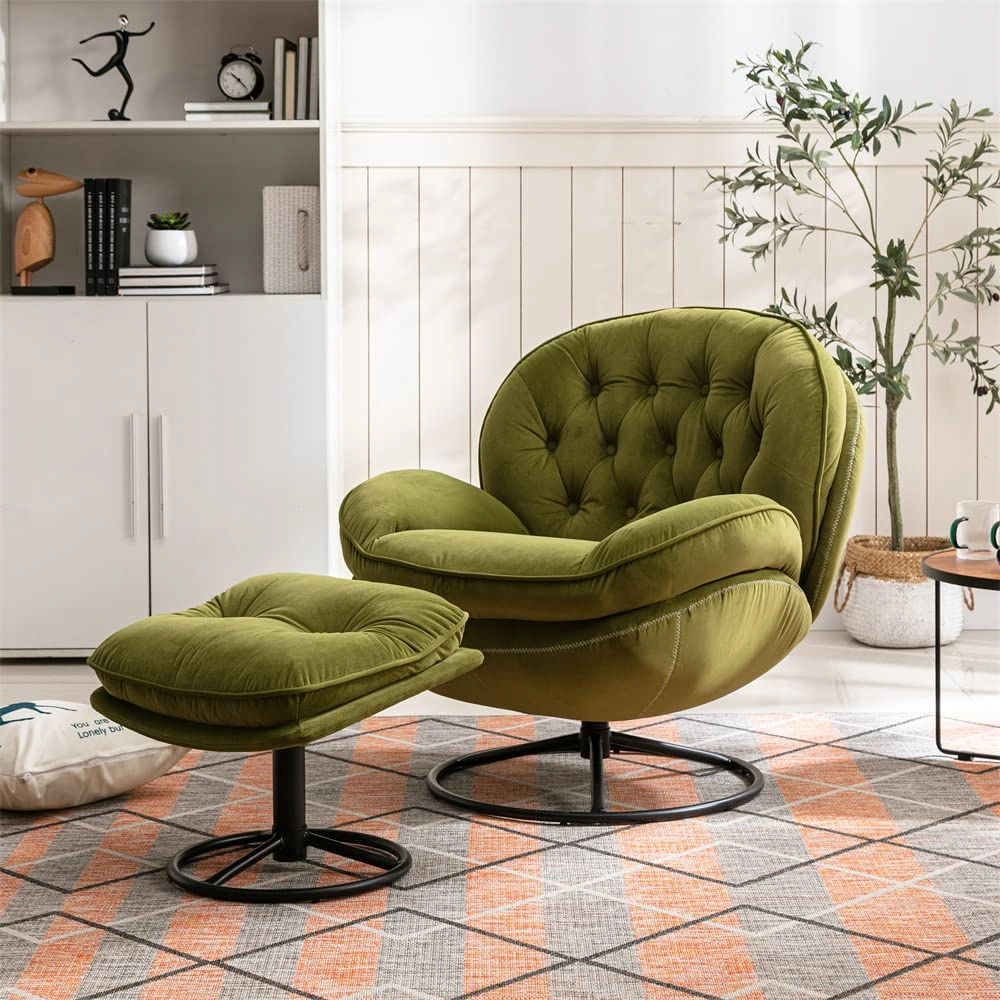
When specifying swivel armchairs in high-end projects, careful curation is essential. Not all rotational chairs meet the standards required for sophisticated interiors.
Proportion and Scale
In expansive rooms, undersized chairs appear lost. In compact urban apartments, oversized silhouettes overwhelm circulation. The most successful modern armchairs balance generous comfort with architectural clarity.
Materiality
Luxury lies in tactile richness. Bouclé, velvet, nubuck leather, and textured linens elevate luxury living room seating beyond functionality. Designers should consider:
- Durability for high-traffic areas.
- Light interaction in rooms with extensive glazing.
- Color harmony within the broader palette.
Base Design and Mechanism Quality
A poorly engineered swivel base can undermine an otherwise refined interior. Premium mechanisms ensure smooth rotation without visible hardware. Discretion is paramount.
Placement Strategy
Successful integration often follows one of three approaches:
- Paired symmetry: Two swivel armchairs facing a sofa create balanced conversation zones.
- Architectural framing: A single sculptural chair positioned near a window or fireplace.
- Floating focal point: A chair that anchors a transitional space between living and dining areas.
The Psychological Dimension of Movement
There is also a subtler dimension at play. Movement within furniture fosters a sense of autonomy. The ability to rotate — to choose one’s perspective — enhances comfort on a psychological level.
In a world characterized by constant digital stimulation, the living room increasingly serves as sanctuary. Swivel armchairs allow occupants to adjust orientation toward natural light, artwork, or conversation, reinforcing spatial agency.
Hospitality Influence on Residential Design
Luxury hospitality has long embraced rotational seating in lobbies, lounges, and suites. Designers observed how guests intuitively gravitated toward chairs that offered flexibility without formality.
This influence has filtered into residential projects. Today’s private clients expect homes that rival boutique hotels in comfort and adaptability. As a result, luxury living room seating often borrows from hospitality typologies — including the refined integration of swivel armchairs.
Investment Value and Longevity
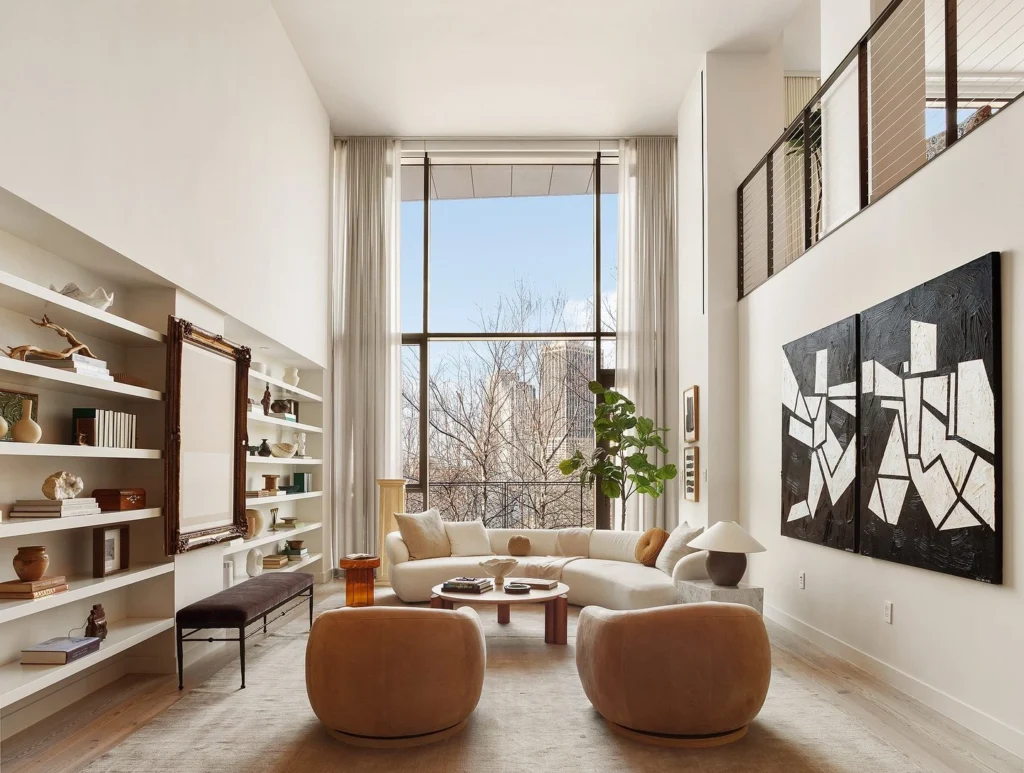
For high-net-worth individuals and real estate developers, furniture selection impacts perceived property value. Thoughtfully curated modern armchairs enhance staging, photography, and experiential walkthroughs.
Rotational seating can:
- Highlight panoramic views in luxury apartments.
- Increase functionality in compact urban residences.
- Enhance spatial fluidity in open-plan villas.
When crafted with premium materials and timeless silhouettes, swivel armchairs transcend seasonal trends. Their mechanism may be contemporary, but their form can remain elegantly enduring.
Minimalism, Maximalism, and the Swivel Silhouette
Interestingly, swivel armchairs perform equally well across stylistic spectrums.
In Minimalist Interiors
Softly curved modern armchairs introduce warmth into restrained environments. Their rotational function remains visually discreet, aligning with minimalist principles.
In Maximalist Settings
Rich upholstery, bold patterns, and sculptural bases transform swivel seating into expressive focal points. Here, movement enhances theatricality rather than subtlety.
Answering the Core Question
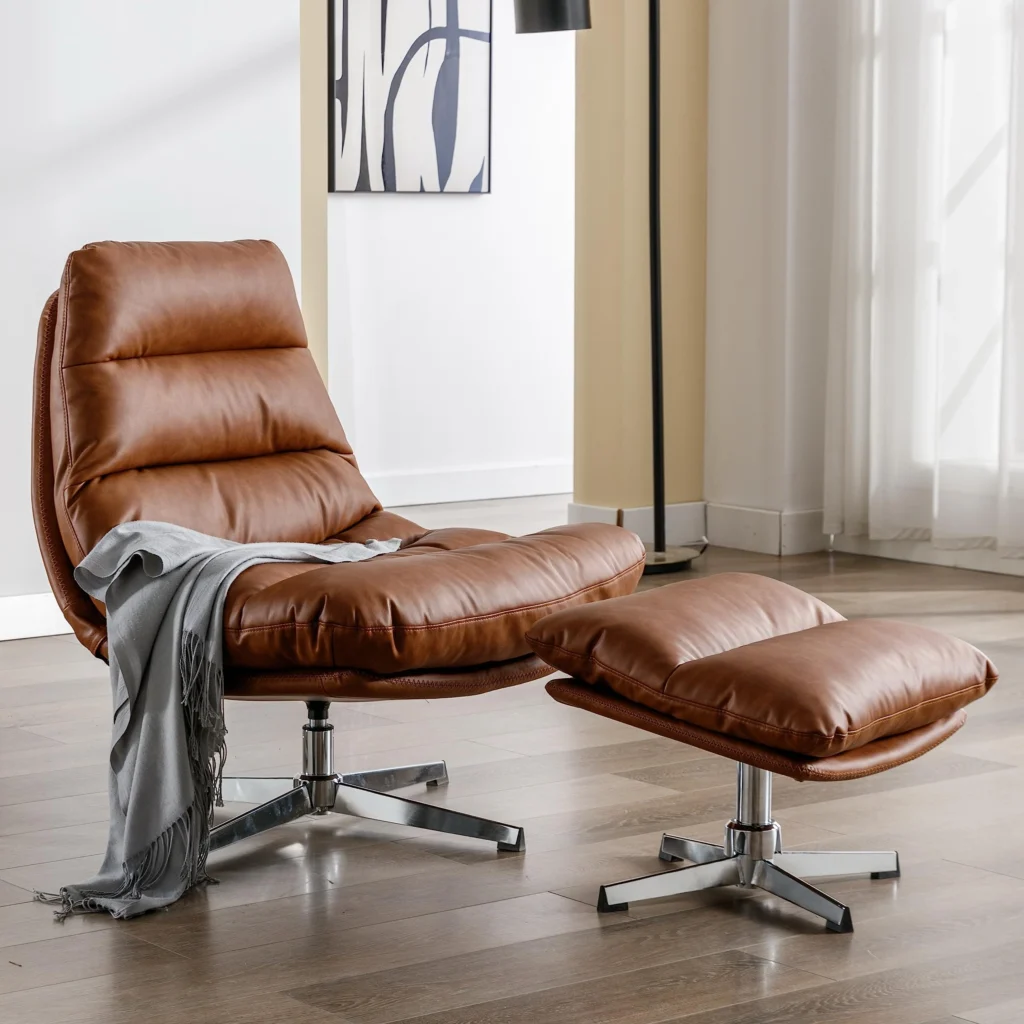
Are swivel armchairs functional luxury or a passing trend?
For contemporary living rooms, the answer is clear: they represent functional luxury. While their current visibility may reflect heightened popularity, their relevance is rooted in architectural logic and evolving lifestyle patterns.
Swivel armchairs are not merely aesthetic gestures. They embody:
- Spatial adaptability.
- Ergonomic sophistication.
- Social fluidity.
- Architectural responsiveness.
These qualities align with the defining characteristics of modern luxury — intelligence, discretion, and experiential depth.
The Takeaway
In the refined landscape of contemporary interiors, furniture must do more than occupy space. It must respond, adapt, and elevate experience. Swivel armchairs exemplify this evolution.
Far from being a transient novelty, they reflect broader transformations in architecture and lifestyle. As open-plan living, hybrid work, and experiential design continue to shape residential spaces, luxury living room seating will increasingly prioritize versatility.
For architects, designers, and discerning homeowners, the choice is not between fashion and function. When thoughtfully specified, modern armchairs with rotational capability represent a synthesis of both — a refined expression of movement within stillness, and a lasting testament to intelligent design.