The world of Swiss Alps resorts represents one of the most refined expressions of luxury interior design, where architecture, landscape, and craftsmanship converge in extraordinary ways. Nestled within dramatic mountain scenery, these retreats are designed to offer both shelter and immersion, balancing comfort with a deep connection to nature. For interior designers and architects, they provide a compelling framework for creating environments that feel both grounded and elevated. Moreover, these resorts demonstrate how materiality, spatial planning, and atmosphere can transform alpine settings into sophisticated and timeless luxury experiences.
The Evolution of Swiss Alps Resorts
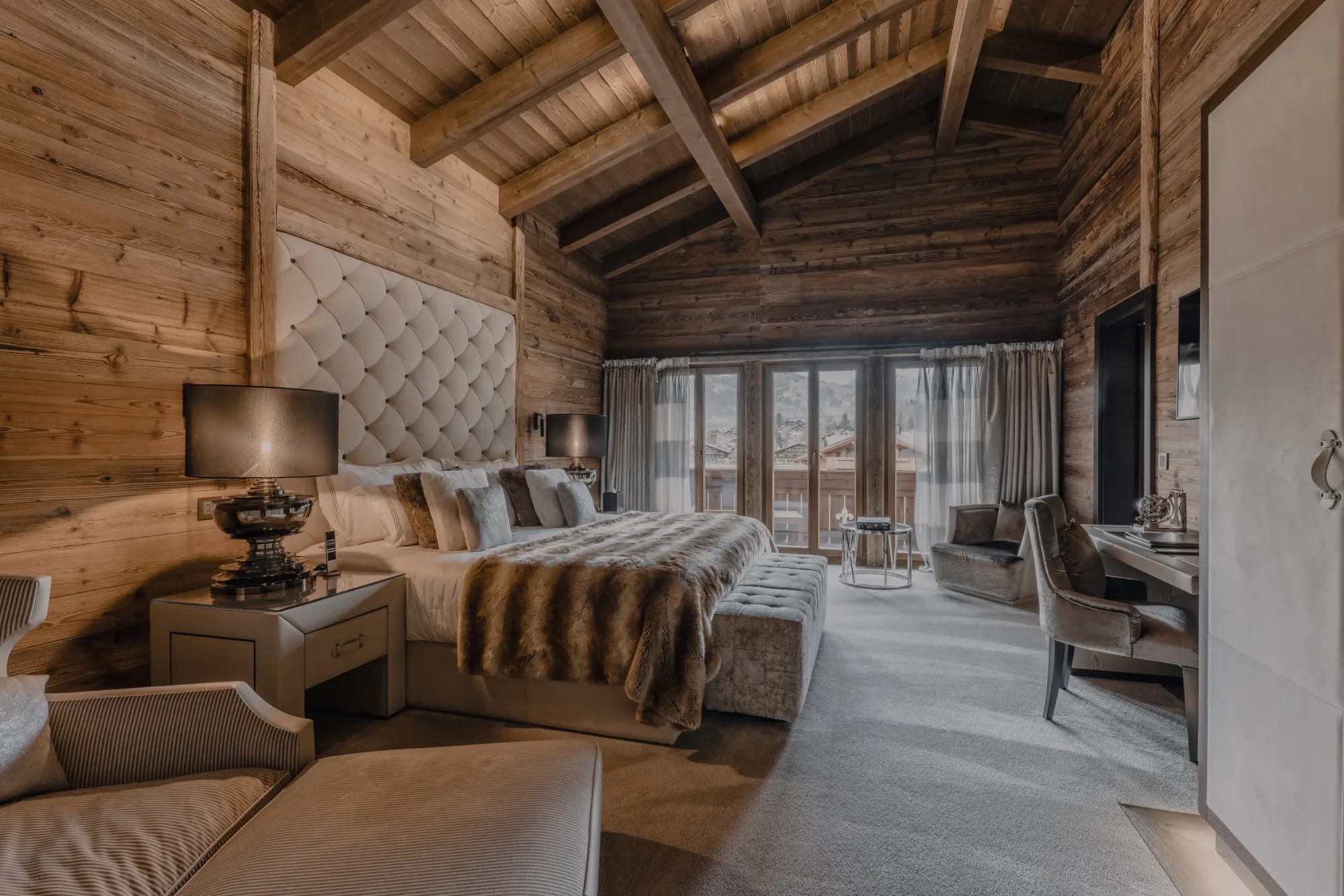
Luxury in Swiss Alps resorts has evolved from traditional chalet aesthetics into a more contemporary and globally influenced design language. Historically, interiors were defined by heavy timber, rustic detailing, and a focus on warmth. However, modern projects reinterpret these elements with greater refinement and precision.
Today’s alpine interiors emphasize openness, light, and material contrast. Designers integrate glass, stone, and metal alongside wood, creating a balance between tradition and innovation. This evolution reflects changing expectations, where guests seek both authenticity and modern comfort. As a result, Swiss Alps resorts now serve as benchmarks for high-end mountain living.
Key Design Principles in Alpine Luxury Interiors
Across leading Swiss Alps resorts, several core principles define the approach to interior design:
- Strong connection between interior spaces and surrounding landscapes
- Use of natural materials that reflect the alpine environment
- Layered textures that enhance warmth and comfort
- Open layouts that maximize views and spatial flow
- Integration of wellness and relaxation areas within the design
These principles ensure that interiors feel both luxurious and deeply connected to their setting, reinforcing the unique character of mountain retreats.
Badrutt’s Palace Hotel
A Historic Icon Reimagined
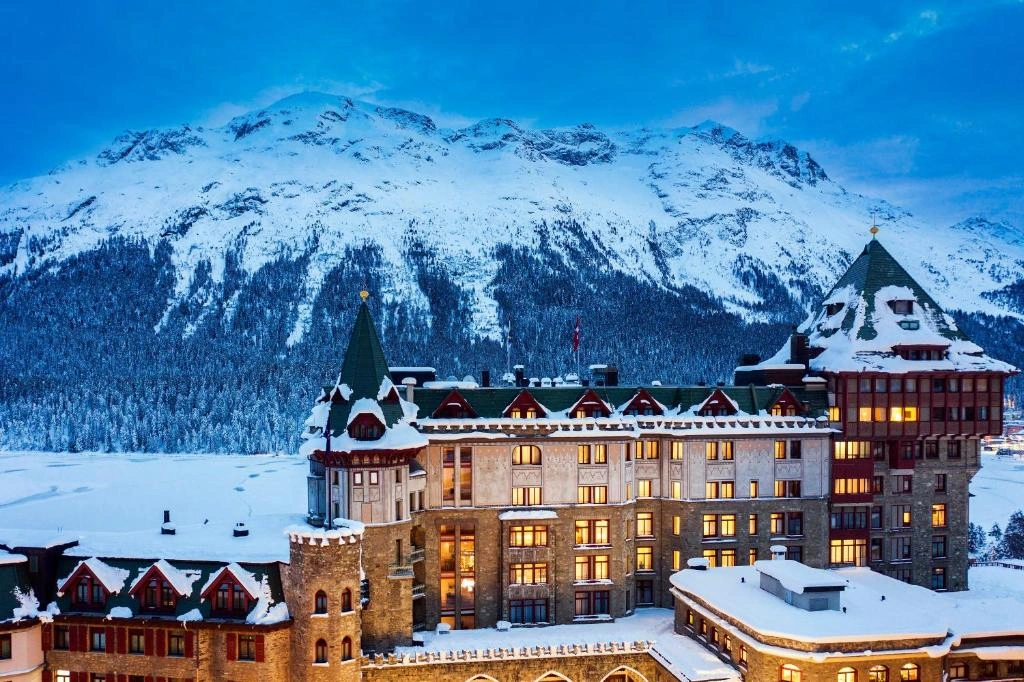
Badrutt’s Palace Hotel stands as one of the most iconic Swiss Alps resorts, blending heritage with contemporary refinement. Located in St. Moritz, the hotel’s interiors reflect a careful balance between tradition and modern luxury.
Design elements emphasize rich materials, elegant detailing, and panoramic views of the surrounding landscape. Public spaces are layered with textiles, wood paneling, and curated furnishings, creating a sense of timeless sophistication. Moreover, recent updates introduce lighter palettes and modern interventions, ensuring that the hotel remains relevant while preserving its historic character.
The Chedi Andermatt
Contemporary Alpine Minimalism
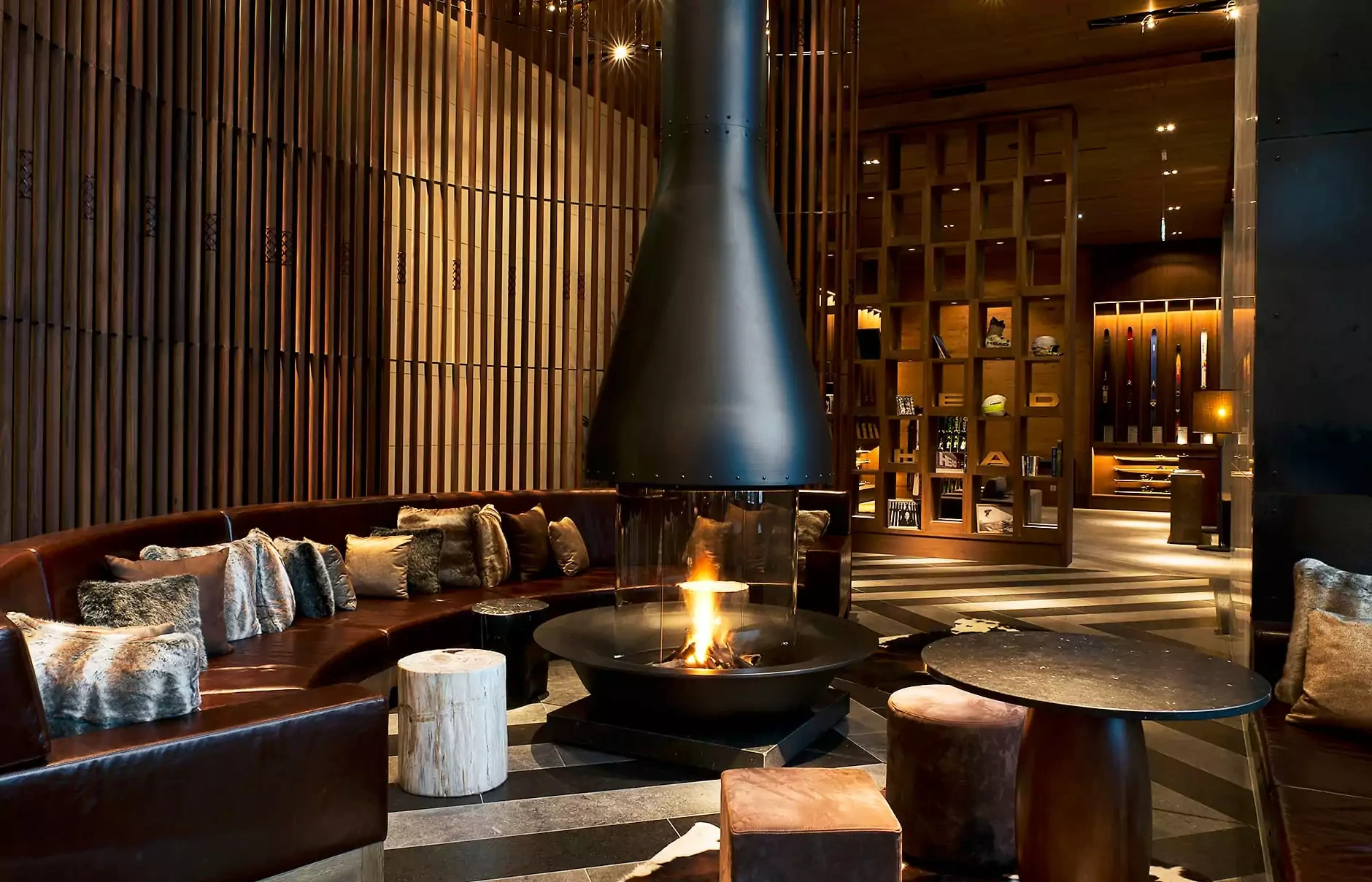
The Chedi Andermatt exemplifies a modern interpretation of alpine luxury through a minimalist lens. The design blends Asian influences with traditional Swiss materials, creating a unique and serene environment.
Key interior features include:
- Dark wood finishes that create depth and contrast
- Expansive fireplaces that anchor social spaces
- Open-plan layouts that enhance spatial continuity
- Subtle lighting that emphasizes atmosphere
- Integration of spa and wellness areas within the design
This approach results in interiors that feel calm, immersive, and distinctly contemporary.
Kulm Hotel St. Moritz
Tradition Meets Refined Comfort
Kulm Hotel St. Moritz offers a classic interpretation of Swiss Alps resorts, where heritage and comfort coexist seamlessly. The interiors maintain a strong connection to traditional alpine design while incorporating modern updates.
Rooms and public areas feature warm wood tones, layered textiles, and carefully curated furnishings. Large windows frame views of the surrounding mountains, reinforcing the relationship between interior and landscape. Additionally, the design prioritizes comfort, ensuring that spaces feel inviting and livable. This balance between tradition and refinement defines the enduring appeal of the Kulm Hotel.
Ultima Gstaad
Residential-Style Luxury
Ultima Gstaad redefines Swiss Alps resorts by offering a more residential approach to luxury interior design. The property combines the intimacy of a private chalet with the amenities of a high-end hotel.
Notable design strategies include:
- Use of natural stone and wood for authenticity
- Contemporary furniture that enhances comfort and style
- Private spa areas integrated into suites
- Open living spaces that encourage relaxation
- Personalized interiors tailored to individual guests
This approach creates a sense of exclusivity and privacy, aligning with the expectations of modern luxury travelers.
Grand Hotel Kronenhof
Elegance in an Alpine Setting
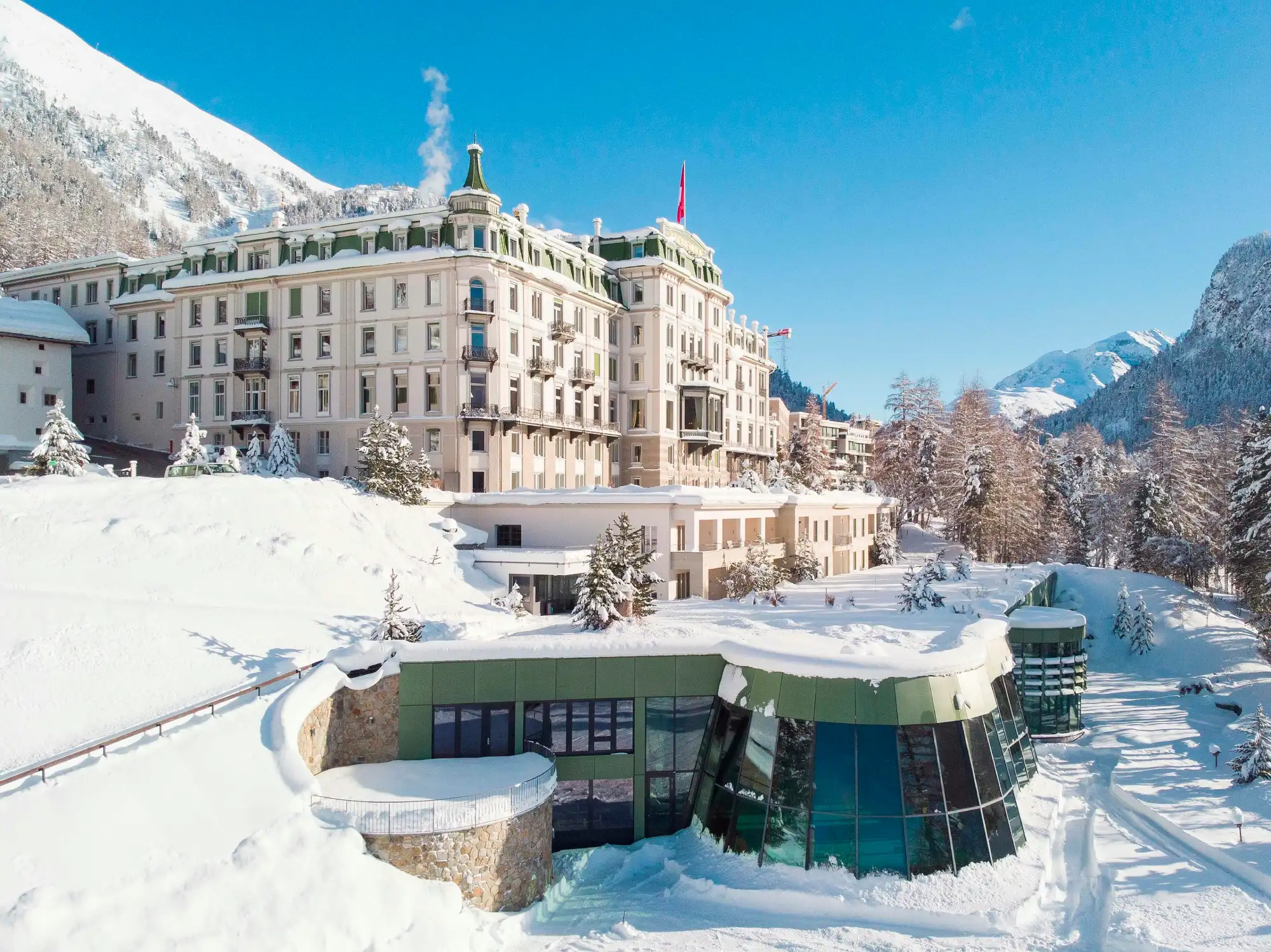
Grand Hotel Kronenhof is renowned for its grand architecture and refined interiors. The hotel combines historic elegance with modern comfort, offering a unique perspective on alpine luxury.
Interior spaces are defined by high ceilings, ornate detailing, and a rich material palette. However, contemporary updates introduce lighter tones and streamlined furnishings, creating a balanced aesthetic. Wellness areas are particularly notable, integrating natural materials and soft lighting to enhance relaxation. This blend of grandeur and subtlety positions the Kronenhof as a standout destination within Swiss Alps resorts.
Materiality and Craftsmanship in Mountain Interiors
Material selection is fundamental in shaping the identity of Swiss Alps resorts. Designers prioritize authenticity and durability, ensuring that interiors respond to both climate and context.
Wood remains a dominant material, often paired with stone and metal to create contrast. Textiles such as wool and cashmere add warmth and softness, enhancing comfort. Craftsmanship is evident in every detail, from joinery to finishing. These elements work together to create interiors that feel grounded and tactile, reinforcing the sense of refuge that defines luxury mountain retreats.
Furniture and Spatial Comfort
Furniture plays a critical role in defining the experience of alpine interiors. Designers typically focus on:
- Deep seating that encourages relaxation after outdoor activities
- Modular arrangements that adapt to different group sizes
- Use of natural materials for cohesion with architecture
- Layered textiles that enhance comfort and warmth
- Low-profile designs that preserve views
These strategies ensure that furniture supports both functionality and aesthetics, contributing to a cohesive and inviting environment.
The Role of Wellness in Alpine Design
Wellness has become a central component of Swiss Alps resorts, influencing both spatial planning and interior design. Spa areas, relaxation rooms, and wellness suites are integrated seamlessly into the overall layout.
These spaces often feature natural materials, soft lighting, and minimalistic design to create a calming atmosphere. Additionally, connections to the outdoors are emphasized, allowing guests to experience the surrounding landscape while relaxing. This focus on wellness reflects a broader trend in luxury design, where physical and mental well-being are integral to the overall experience.
The Future of Swiss Alps Resorts
As the hospitality industry evolves, Swiss Alps resorts continue to set new standards for luxury interior design. Future developments are likely to focus on sustainability, advanced materials, and innovative spatial solutions.
Designers will increasingly explore ways to enhance the connection between interiors and the natural environment while maintaining high levels of comfort. Technology will also play a role, although it will remain discreetly integrated. Ultimately, the future of alpine design lies in creating spaces that are both forward-thinking and deeply rooted in their context.
Conclusion
Swiss Alps resorts exemplify the highest level of luxury interior design, offering environments that balance tradition, innovation, and connection to nature. Through thoughtful use of materials, spatial planning, and craftsmanship, these retreats create immersive experiences that resonate with both guests and design professionals.
For architects and interior designers, they provide valuable insights into the art of designing within challenging yet inspiring landscapes. As expectations continue to evolve, Swiss Alps resorts will remain a benchmark for creating refined, timeless, and deeply engaging mountain interiors.