

In an era defined by velocity, hyper-connectivity, and architectural minimalism, the quiet resurgence of the modern reading corner signals something deeper than nostalgia. It reflects a cultural recalibration. Across luxury residences, boutique developments, and carefully curated private homes, the desire for spaces dedicated to reflection has returned with renewed clarity.
Today’s most compelling interiors—whether overlooking Manhattan’s harbor, the Mediterranean coast, or a skyline in Singapore—understand that intentional comfort is not an indulgence; it is a design imperative. The renewed interest in reading nook ideas is less about decoration and more about architecture, proportion, and atmosphere. Within the most sophisticated homes, the cozy armchair corner has evolved into a spatial anchor: intimate yet composed, expressive yet restrained.
As explored in contemporary lifestyle analysis by publications such as Architectural Digest, the shift toward restorative domestic spaces reflects a broader global emphasis on wellbeing, cognitive clarity, and experiential living. For architects, interior designers, and discerning homeowners, the reading corner is no longer ancillary—it is strategic.
The Cultural Relevance of the Reading Corner
The digital age has paradoxically intensified the value of analog rituals. Bookshelves have reemerged as architectural statements, and within them, the modern reading corner provides a human counterpoint to expansive open plans.
Unlike traditional libraries—often formal and enclosed—the contemporary reading zone is integrated into the rhythm of the home. It may occupy a window recess, soften the edge of a living room, or inhabit a transitional gallery space. What distinguishes today’s reading nook ideas is intentionality: every element, from lighting temperature to upholstery tactility, is curated for immersion.
For high-net-worth homeowners and design professionals alike, these spaces embody:
- Slowness within speed — a refuge from digital saturation
- Architectural intimacy — a counterbalance to large-scale volumes
- Personal identity — a subtle stage for intellectual and aesthetic expression
- Emotional warmth — achieved through texture, material layering, and scale
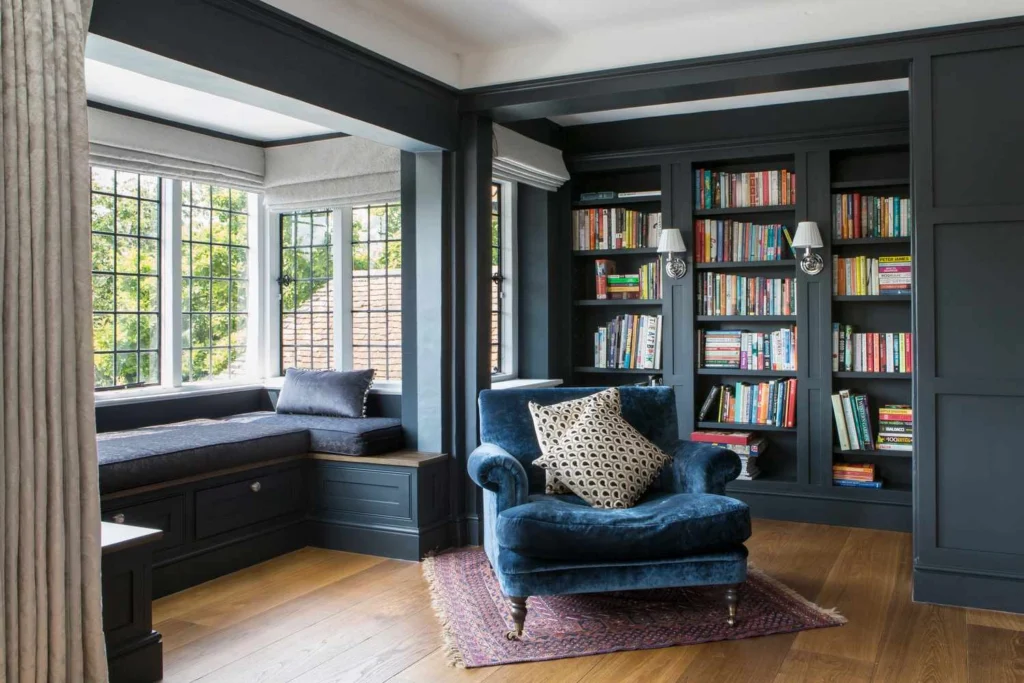
Defining the Modern Reading Corner
A modern reading corner is not defined by square footage, but by psychological comfort. It is spatial choreography—how enclosure, light, and seating converge to create quiet focus.
1. Placement: Architectural Intelligence
The most successful reading nook ideas begin with placement. Architects are increasingly carving out micro-environments within larger volumes:
- Recessed alcoves along circulation corridors
- Bay windows transformed into built-in benches
- Mezzanine edges softened with upholstered seating
- Bedroom perimeters punctuated by a cozy armchair corner
Natural light is paramount. A reading corner positioned near glazing creates a dynamic interplay between interior stillness and exterior movement. Where daylight is limited, layered lighting—floor lamps, wall sconces, concealed LED strips—ensures both function and ambiance.
2. Seating as Sculpture
At the heart of every modern reading corner lies the chair. Not merely functional, the armchair becomes a sculptural presence. Designers are selecting silhouettes that balance ergonomic integrity with aesthetic refinement: curved backs, generous seat depth, and subtly angled arms that invite repose.
The cozy armchair corner succeeds when the seating encourages extended presence. Materials such as bouclé, brushed linen, velvet, and full-grain leather introduce tactile richness without visual excess.
3. The Psychology of Enclosure
While open-plan living remains dominant, the human psyche craves enclosure. Even within expansive residences, a reading corner should offer perceived shelter. This can be achieved through:
- Floor-to-ceiling shelving
- Textural wall panels
- Area rugs that define spatial boundaries
- Low partitions or cabinetry
The most compelling reading nook ideas create a subtle sense of retreat without isolating the occupant from the home’s broader narrative.
Materiality: Crafting Intentional Comfort
The return of the modern reading corner is intrinsically tied to material intelligence. In luxury interiors, comfort is never accidental; it is layered.
Textiles and Soft Architecture
A cozy armchair corner benefits from textiles that absorb sound and soften light. Cashmere throws, tailored cushions, and wool or silk-blend rugs introduce both warmth and acoustic comfort. The interplay of matte and subtle sheen ensures visual depth without distraction.
Wood, Stone, and Natural Finishes
Reading is tactile, and so should be the environment. Timber shelving in walnut or oak adds warmth; travertine side tables introduce quiet gravitas. Increasingly, designers are integrating artisanal finishes that reveal craftsmanship—celebrating grain, veining, and hand-applied textures.
These refined material strategies elevate reading nook ideas beyond decoration into architectural expression.
Lighting Design: The Invisible Architecture
No modern reading corner succeeds without calibrated lighting. Experts recommend a layered approach:
- Ambient lighting to establish overall warmth
- Task lighting for focused reading (3000K–3500K for optimal clarity)
- Accent lighting to highlight shelving or artwork
The cozy armchair corner is most inviting when light pools softly around the seating area, creating a luminous cocoon within the broader room.
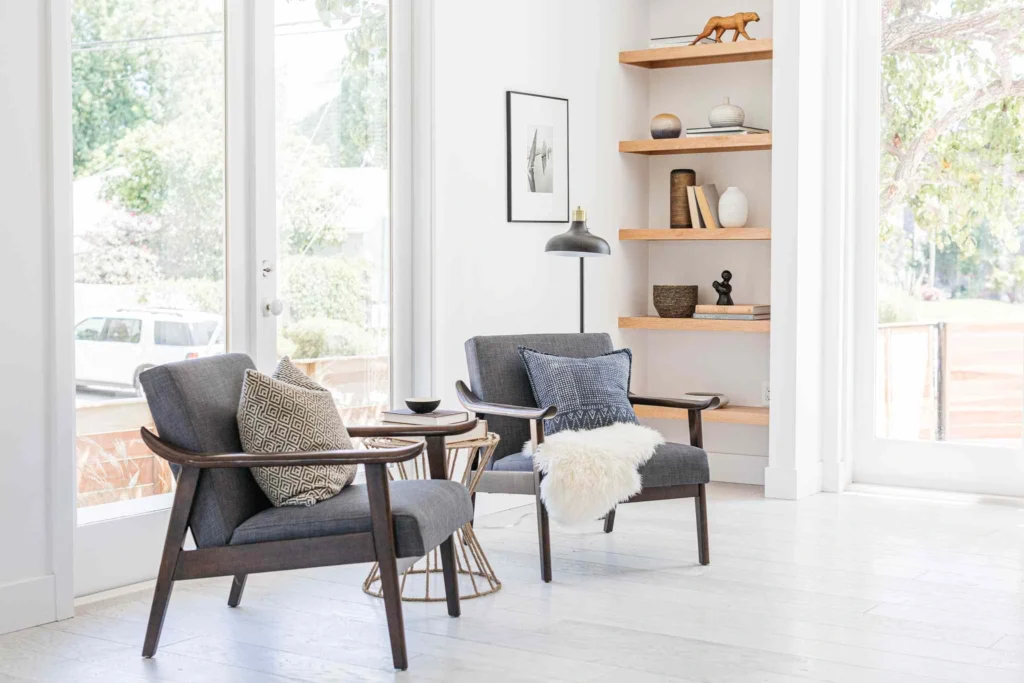
Reading Corners in Different Spatial Contexts
Urban Apartments
In metropolitan residences where space is a premium, reading nook ideas often emerge within underutilized niches. Custom millwork, floating shelves, and compact lounge chairs allow the modern reading corner to flourish without compromising circulation.
Luxury Villas and Waterfront Homes
In expansive properties, a cozy armchair corner often frames a view—ocean horizons, landscaped gardens, or city skylines. Here, scale shifts. Larger armchairs, sculptural floor lamps, and layered textiles ensure the space remains intimate despite generous proportions.
Hybrid Workspaces
As home offices evolve, designers are integrating reading nook ideas adjacent to work zones. This creates cognitive distinction between productivity and reflection. A thoughtfully placed modern reading corner supports mental restoration while maintaining aesthetic continuity.
The Emotional Value of a Cozy Armchair Corner
The phrase cozy armchair corner may sound simple, yet its resonance is profound. It evokes permanence, ritual, and belonging. In high-end real estate, such spaces subtly enhance property value by signaling lifestyle sophistication.
Design professionals recognize that emotional connection drives decision-making. A home that incorporates intentional reading nook ideas communicates depth and mindfulness. It suggests that the architecture was conceived not merely for display, but for lived experience.
Design Principles for Architects and Interior Designers
For professionals shaping next-generation residences, the modern reading corner offers an opportunity for nuanced differentiation.
Strategic Guidelines
- Integrate reading zones early in architectural planning.
- Balance openness with perceived enclosure.
- Select seating that prioritizes ergonomics and visual harmony.
- Layer lighting to avoid glare and shadow.
- Curate materials that age gracefully.
When executed with intention, reading nook ideas become architectural punctuation marks—quiet yet transformative.
The Return of Ritual in Contemporary Living
Modern luxury is shifting from spectacle to substance. The cozy armchair corner embodies this evolution. It is not performative; it is personal. It invites solitude without isolation, stillness without stagnation.
Within the modern reading corner, time slows. Pages turn. Light shifts. The surrounding architecture recedes, allowing thought to expand. In a world dominated by immediacy, this deliberate pause is a powerful design statement.
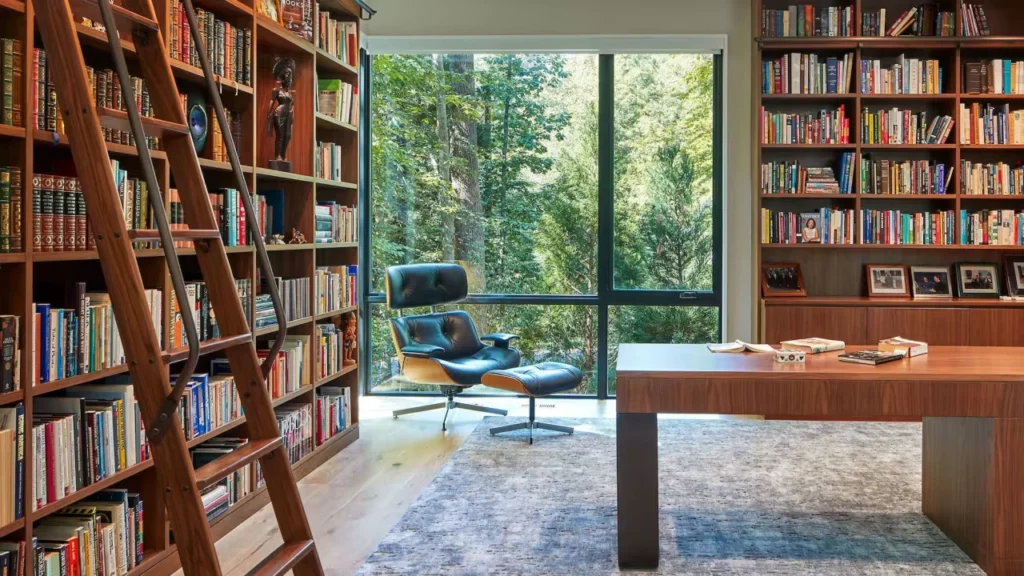
Conclusion: Designing for Intentional Comfort
The renewed emphasis on reading nook ideas reflects more than aesthetic preference. It signals a broader cultural movement toward intentional living. For architects, designers, and luxury homeowners, the modern reading corner is both practical and poetic—a testament to the enduring value of comfort crafted with precision.
As residential design continues to evolve, the cozy armchair corner will remain a quiet constant. Not simply a chair by a window, but a carefully orchestrated space where architecture meets introspection. In this return to intentional comfort, we rediscover something essential: the home as sanctuary, and reading as ritual.
In the most refined interiors, the future of design may not lie in grand gestures—but in the elegance of a single chair, perfectly placed.