

In contemporary interior architecture, seating is no longer an afterthought—it is a spatial strategy. The way we compose sectional sofas, integrate chaise lounge units, and position ottomans for living room settings directly influences circulation, visual balance, and social interaction. For architects, interior designers, and discerning homeowners alike, planning seating the right way means orchestrating comfort, proportion, and lifestyle in equal measure.
At Nolita Harbour, we observe a global shift toward flexible living environments—spaces that evolve from formal entertaining to intimate family gatherings without compromising aesthetic coherence. Modular thinking is at the heart of this transformation. Corner modules, chaise extensions, and sculptural ottomans are not merely components; they are the building blocks of modern domestic architecture.
The Evolution of Sectional Sofas in Contemporary Living
The rise of sectional sofas reflects a broader evolution in how we inhabit space. Open-plan living, once a radical architectural gesture, is now standard across luxury residences from Manhattan penthouses to Mediterranean villas. In these expansive interiors, a singular three-seat sofa rarely suffices.
Sectional configurations offer:
- Spatial zoning without physical partitions
- Greater seating capacity without visual clutter
- Customizable arrangements tailored to architectural constraints
- A cohesive aesthetic across large volumes
According to research published by the Architectural Digest editorial team, furniture placement in open-plan environments significantly affects perceived intimacy and functionality. Sectional sofas, when thoughtfully arranged, create psychological boundaries that define living, reading, or entertaining zones.
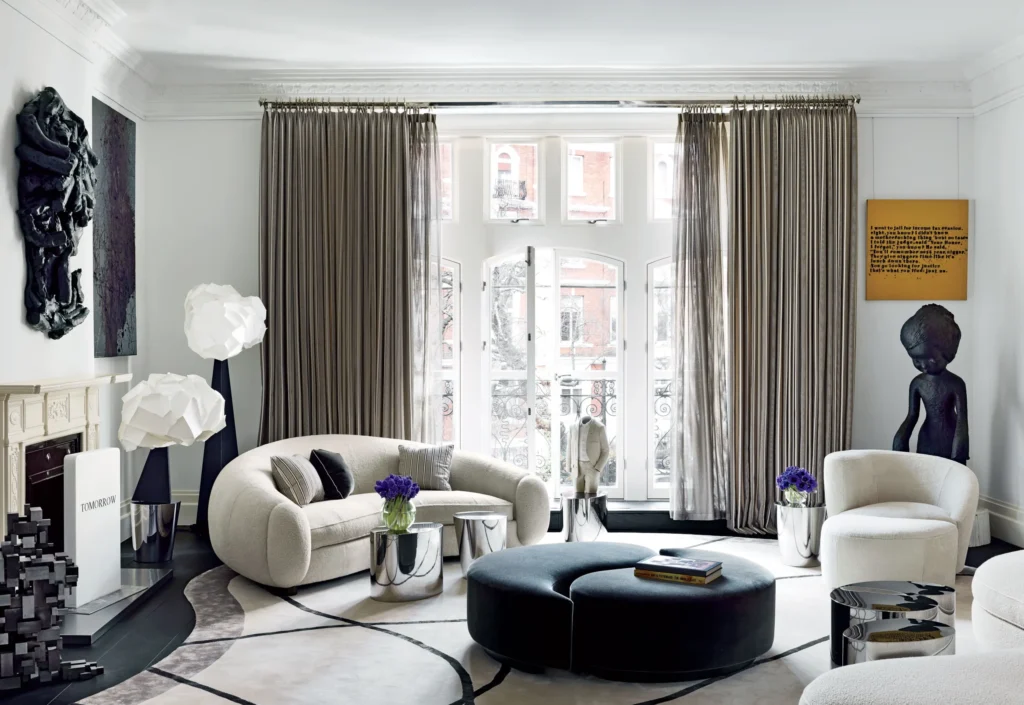
Understanding Corner Modules as Architectural Anchors
Corner modules are the structural heart of most sectional sofas. They dictate orientation and determine whether a configuration feels expansive or enclosed.
In spatial planning, corner elements serve three critical roles:
- Directional Control: They guide movement and frame focal points such as fireplaces, art walls, or panoramic windows.
- Volume Definition: They establish the perimeter of a seating island within open-plan interiors.
- Conversation Geometry: They create natural angles that encourage face-to-face interaction.
When specifying corner modules, consider the architectural grid. Aligning sectional sofas with window mullions, ceiling beams, or flooring patterns ensures visual harmony. Misalignment, by contrast, can subtly disrupt an otherwise refined interior.
Chaise Lounge Units: The Luxury of Extension
The chaise lounge units integrated into modern sectional sofas are more than decorative flourishes—they are statements of lifestyle. Historically associated with aristocratic leisure, the chaise has evolved into a contemporary essential that merges relaxation with design precision.
Placement Principles for Chaise Lounge Units
To plan chaise lounge units correctly, designers must evaluate:
- Primary sightlines within the room
- Access to natural light
- Proximity to circulation paths
- Balance with adjacent furnishings
In compact urban residences, a chaise positioned toward a window maximizes both daylight and perceived space. In expansive villas, chaise lounge units can orient toward landscape views, acting as transitional elements between interior and exterior living.
Importantly, chaise lounge units should not obstruct natural flow. Leave at least 70–90 cm of clearance for comfortable circulation, especially in hospitality-inspired homes where entertaining is frequent.
Material and Proportion Considerations
High-net-worth clients increasingly prioritize tactile sophistication. Upholstery choices for chaise lounge units—bouclé, velvet, full-grain leather, or performance textiles—must complement architectural finishes.
Proportionally, the chaise extension should neither dominate nor disappear. In balanced sectional sofas, the chaise typically represents one-third to one-half of the total composition, ensuring visual equilibrium.
Ottomans for Living Room Settings: Versatility Redefined
No discussion of intelligent seating planning is complete without considering ottomans for living room environments. Once perceived as secondary pieces, ottomans now operate as multifunctional design instruments.
Functional Roles of Ottomans
Ottomans for living room layouts can serve as:
- Coffee table alternatives
- Additional seating during gatherings
- Footrests integrated with chaise lounge units
- Soft spatial dividers in open-plan interiors
In luxury settings, designers often select oversized ottomans that mirror the scale of sectional sofas. This creates a cohesive, lounge-inspired atmosphere reminiscent of boutique hospitality spaces.
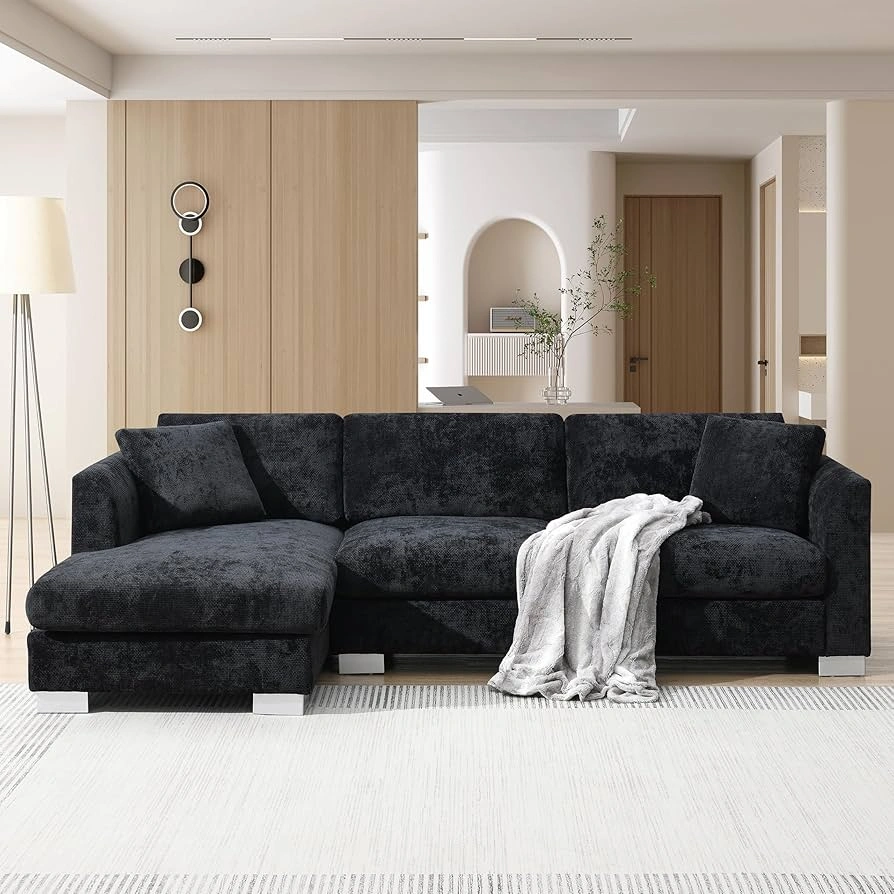
Design Harmony and Material Dialogue
To achieve aesthetic coherence, ottomans for living room arrangements should either:
- Match the upholstery of the sectional sofas for seamless continuity, or
- Introduce a contrasting yet complementary material to add depth and texture.
For example, pairing linen-upholstered sectional sofas with a leather ottoman introduces tactile contrast without disrupting tonal harmony. In monochromatic interiors, subtle stitching details or sculptural bases can elevate ottomans from accessory to focal point.
Planning Seating the Right Way: A Strategic Framework
Thoughtful seating design requires a structured approach. Whether specifying sectional sofas for a private residence or a luxury development project, the following framework ensures refined results.
1. Begin with Architecture
Analyze ceiling height, window placement, and structural axes. Corner modules should align with architectural cues, while chaise lounge units should enhance—not obstruct—natural light.
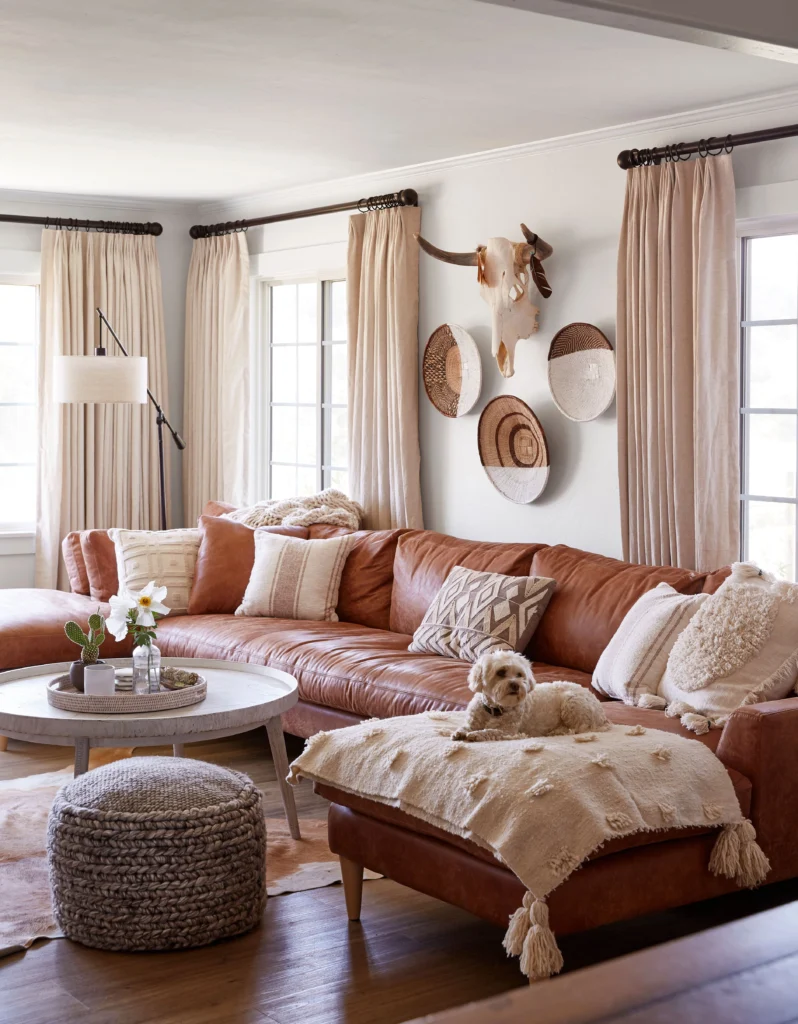
2. Define the Social Function
Is the space intended for formal entertaining, relaxed family living, or both? Larger sectional sofas with dual chaise lounge units encourage informal lounging, whereas a single chaise with structured seating may suit more formal environments.
3. Balance Density and Openness
While sectional sofas offer generous seating, overcrowding diminishes elegance. Ensure negative space around the arrangement to preserve visual breathing room.
4. Integrate Ottomans with Purpose
Select ottomans for living room compositions based on clear intent—mobility, storage, or sculptural presence. Modular ottomans that can shift position provide maximum flexibility.
Common Planning Mistakes to Avoid
Even experienced designers occasionally overlook subtle yet impactful details. Avoid these frequent missteps:
- Overscaling sectional sofas in modest rooms
- Placing chaise lounge units directly in circulation paths
- Using ottomans for living room areas without considering height alignment
- Ignoring the relationship between seating depth and ergonomic comfort
Seat depth should generally range between 55–65 cm for upright comfort, while lounge-oriented sectional sofas may extend deeper for a relaxed posture. Ottomans should align proportionally with seat height to ensure ergonomic cohesion.
The Cultural Dimension of Modular Seating
Seating arrangements subtly reflect cultural values. In Mediterranean homes, expansive sectional sofas encourage communal gatherings that stretch into the evening. In Scandinavian-inspired interiors, restrained configurations with carefully placed ottomans for living room spaces emphasize clarity and light.
Globally, sectional sofas have become symbols of adaptable luxury—pieces that accommodate evolving lifestyles. The inclusion of chaise lounge units acknowledges the increasing importance of wellness and personal retreat within domestic architecture.
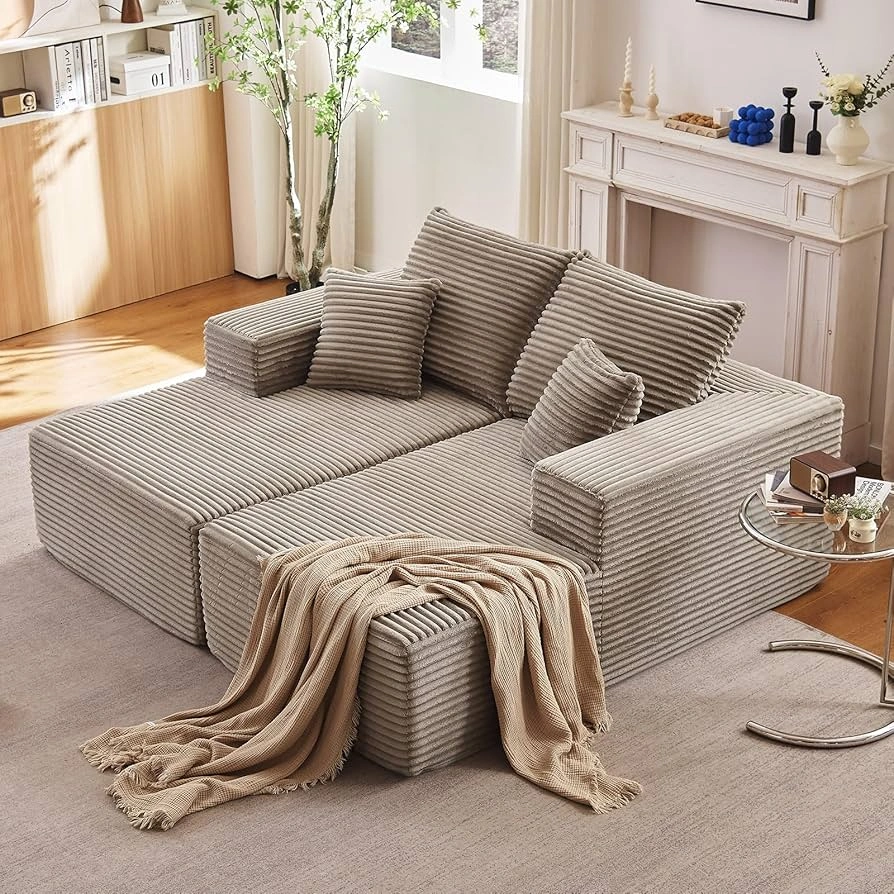
Sustainability and Longevity in Modular Design
Responsible luxury demands longevity. Investing in high-quality sectional sofas with modular flexibility reduces the need for frequent replacement. When layouts change, corner modules and chaise lounge units can be reconfigured rather than discarded.
Ottomans for living room settings also support sustainable living when crafted with durable materials and replaceable covers. This modular adaptability aligns with circular design principles increasingly embraced by architects and developers worldwide.
Designing Seating as an Architectural Statement
Planning seating the right way is both art and science. It requires understanding scale, movement, proportion, and lifestyle patterns. When carefully orchestrated, sectional sofas anchor the room, chaise lounge units extend comfort into sculptural elegance, and ottomans for living room compositions add versatile sophistication.
For architects and design professionals, these elements are not merely furnishings—they are instruments of spatial storytelling. In the hands of thoughtful planners, modular seating transcends utility to become an architectural statement, shaping how we gather, unwind, and experience home.
Ultimately, refined seating design is about harmony: between structure and softness, between openness and intimacy, between timeless craftsmanship and contemporary living. When these principles align, every corner module, chaise extension, and ottoman becomes part of a cohesive, elevated narrative of modern luxury.