

A New Design Intelligence for 2026
As architecture and interior design continue to converge with cultural, technological, and environmental intelligence, modern furniture has become far more than a visual complement to space. In 2026, architects are specifying furniture as an integral architectural layer—one that communicates values, enhances spatial narratives, and responds to evolving patterns of living, working, and hospitality.
Across residential, commercial, and mixed-use projects, contemporary furniture selections now reflect a sophisticated dialogue between material innovation, global craftsmanship, and emotional longevity. This shift is not about fleeting aesthetics, but about creating environments that feel intentional, intelligent, and enduring. For design professionals and discerning clients alike, furniture has become a strategic design decision—on par with structure, light, and proportion.
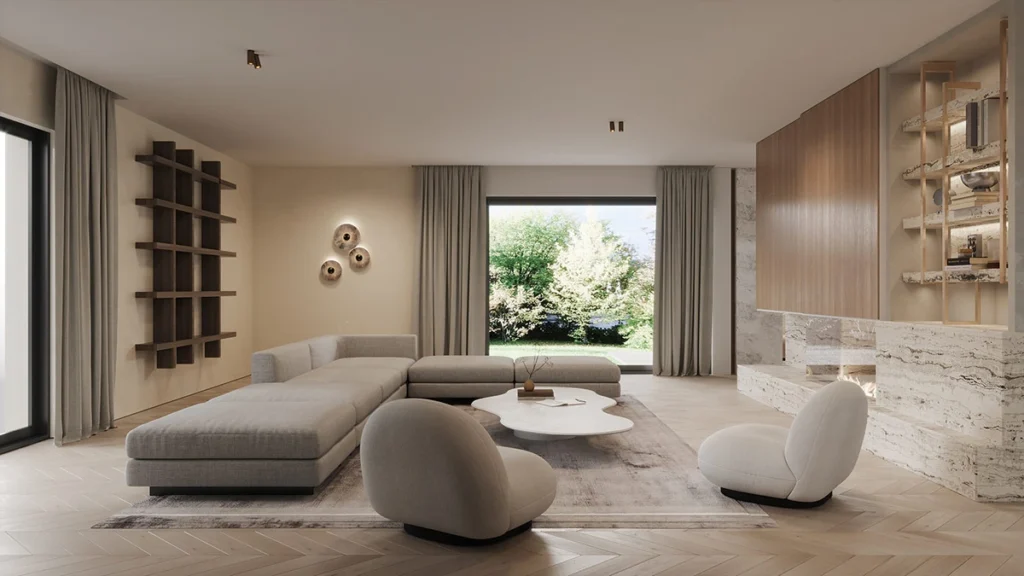
1. Architectural Minimalism with Expressive Depth
The minimalist language that has shaped architecture for decades is evolving. In 2026, architects are specifying furniture that appears restrained at first glance, yet reveals depth through proportion, texture, and detail. Clean silhouettes are paired with nuanced materiality, creating pieces that feel both calm and character-driven.
This new minimalism favors furniture that enhances architectural clarity while avoiding sterility. The result is designer furniture that supports spatial flow, allowing architecture to breathe while still offering visual and tactile richness.
- Low-profile seating that emphasizes horizontal lines
- Integrated joinery instead of visible hardware
- Subtle curvature softening rectilinear spaces
- Monochromatic palettes enriched through texture
2. Material Honesty and Sensory Surfaces
Material authenticity is one of the defining furniture trends architects are prioritizing in 2026. Rather than concealing imperfections, today’s modern furniture celebrates them—highlighting natural grain, mineral veining, and hand-finished surfaces.
This approach aligns with a broader architectural movement toward sensory design. Furniture is selected not only for how it looks, but for how it feels, ages, and interacts with light. Materials are expected to tell a story, reinforcing the emotional quality of a space.
- Solid woods with open-pore finishes
- Natural stone used structurally, not decoratively
- Textiles with tactile depth such as bouclé and woven leather
- Metals treated with patinas rather than high gloss
3. Furniture as Spatial Architecture
In 2026, furniture is increasingly specified as a spatial device rather than a movable accessory. Architects are designing interiors where furniture defines zones, circulation paths, and visual rhythms—particularly in open-plan residences, boutique hospitality, and hybrid work environments.
This trend has elevated contemporary furniture into an architectural tool. Modular systems, built-in seating, and sculptural tables are used to anchor spaces and guide experience without relying on walls.
- Freestanding storage acting as spatial dividers
- Custom dining and conference tables as focal points
- Integrated seating platforms that extend architecture
- Furniture aligned with structural grids and ceiling lines
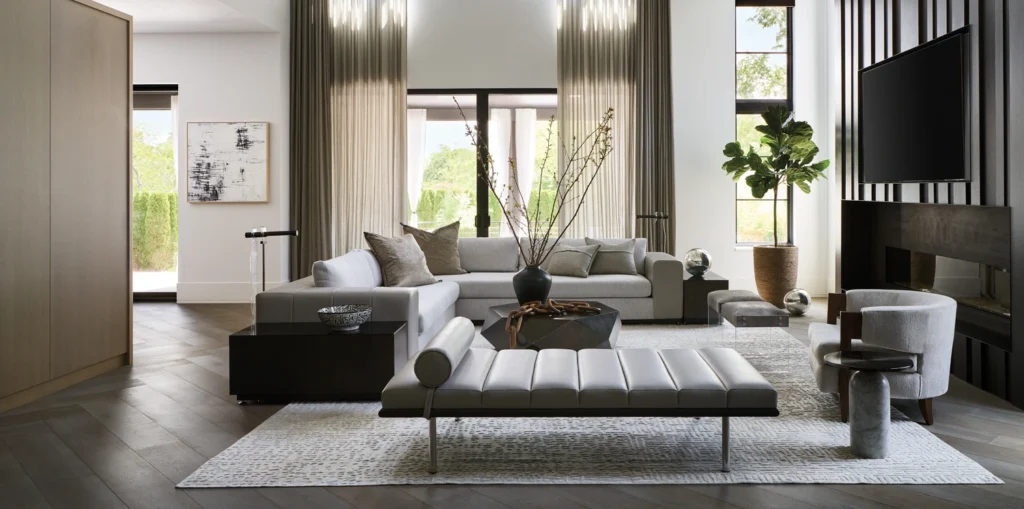
4. Quiet Luxury and Understated Elegance
The era of overt luxury has given way to a more discreet, design-literate expression. Architects are specifying designer furniture that conveys refinement through craftsmanship, proportion, and material quality rather than logos or ornamentation.
This philosophy of quiet luxury resonates strongly with high-net-worth clients seeking spaces that feel timeless and personal. Furniture is chosen for its ability to age gracefully and maintain relevance beyond seasonal trends.
According to Architectural Digest, this movement reflects a broader cultural shift toward intentional living, where quality and longevity outweigh visual excess.
5. Sustainability as a Design Standard
Sustainability is no longer an optional consideration—it is a baseline expectation. In 2026, architects are specifying modern furniture that aligns with environmental responsibility without compromising design integrity.
Rather than relying on overtly “green” aesthetics, sustainable furniture is defined by responsible sourcing, durable construction, and transparent production methods. The emphasis is on fewer, better pieces that reduce long-term environmental impact.
- Certified and responsibly sourced materials
- Furniture designed for repair and longevity
- Low-emission finishes and adhesives
- Timeless forms that resist obsolescence
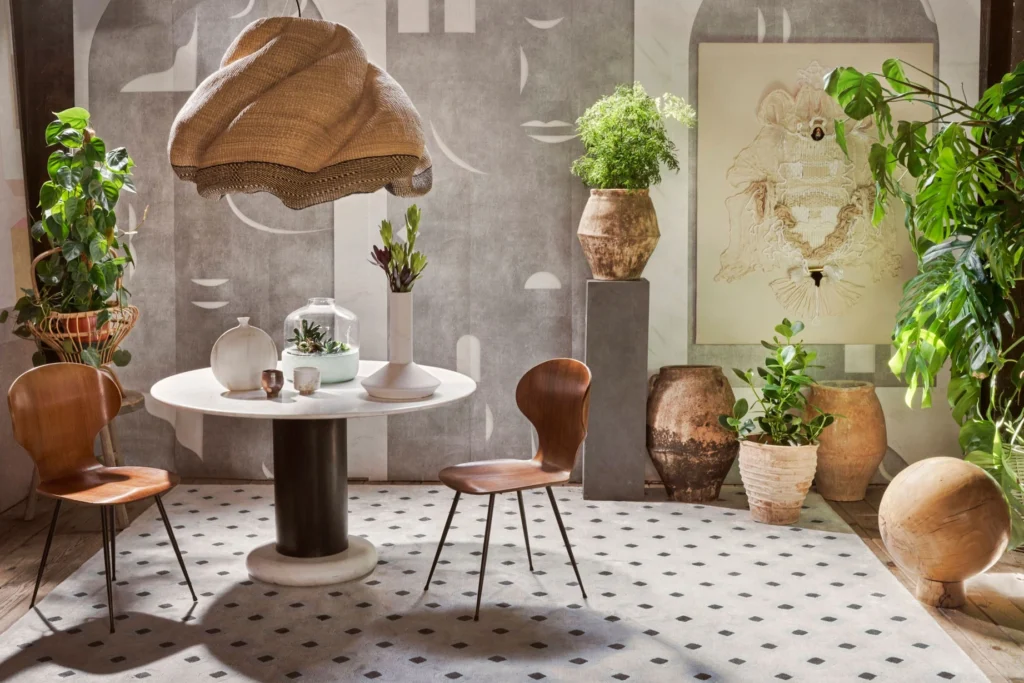
6. Human-Centered Comfort and Ergonomic Intelligence
As lifestyles continue to blur the boundaries between home, work, and leisure, furniture comfort has taken on renewed importance. Architects are prioritizing ergonomics that support extended use while maintaining visual sophistication.
The new generation of contemporary furniture balances softness with structure, ensuring that comfort does not compromise architectural clarity. This is particularly evident in seating, where sculptural forms now conceal advanced ergonomic engineering.
- Deeper seating proportions for relaxed living
- Supportive upholstery with layered cushioning
- Adaptive furniture suitable for multiple postures
- Designs that encourage both social interaction and solitude
7. Global Craft Meets Contemporary Form
Architects in 2026 are increasingly drawn to furniture that reflects a global design consciousness. Traditional craft techniques—from woodworking to weaving—are being reinterpreted through modern forms and refined detailing.
This fusion results in designer furniture that feels culturally rich yet internationally relevant. It allows spaces to feel rooted and distinctive without resorting to pastiche.
- Handcrafted details integrated into minimalist designs
- Regional materials used in contemporary applications
- Furniture that reflects cultural narratives subtly
- A balance between artisanal character and precision
8. Sculptural Statements with Purpose
While restraint defines much of 2026’s furniture landscape, architects are also embracing statement pieces—provided they serve a functional and spatial role. Sculptural furniture is specified sparingly, acting as a visual anchor rather than a decorative distraction.
These pieces often blur the line between art and utility, reinforcing the idea that modern furniture can be both expressive and purposeful.
- Monolithic tables with architectural presence
- Statement seating used as focal points
- Furniture that interacts dynamically with light
- Pieces designed to be viewed from multiple angles
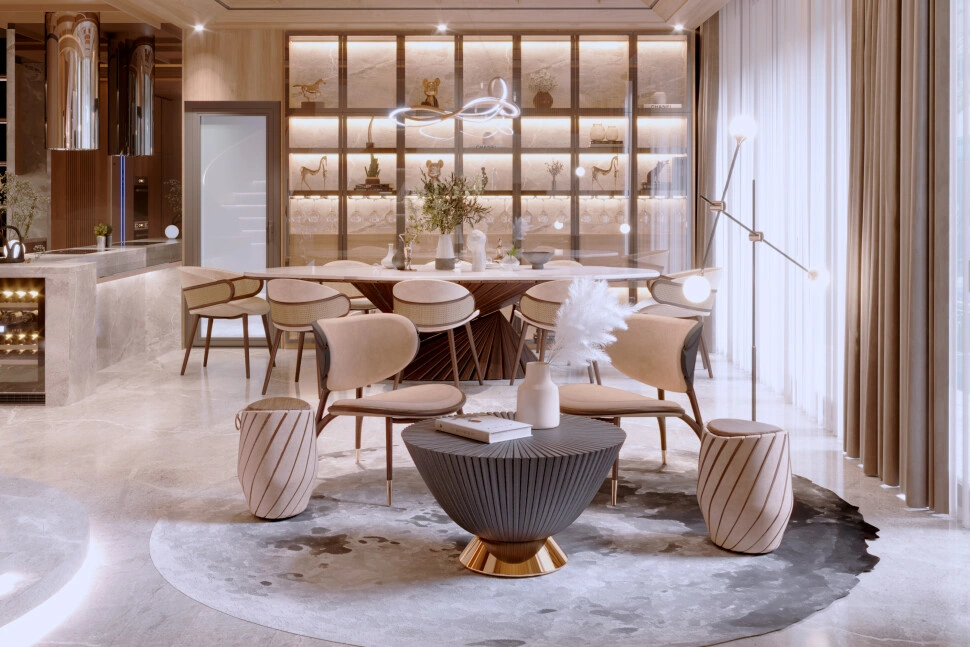
9. Adaptability and Modular Thinking
Flexibility is a defining requirement of contemporary interiors. Architects are specifying furniture systems that can evolve alongside changing needs, particularly in urban residences and mixed-use developments.
Modular contemporary furniture allows spaces to be reconfigured without sacrificing cohesion. This adaptability supports long-term use and reinforces sustainability through design.
- Reconfigurable seating and shelving systems
- Furniture that adapts to multiple room functions
- Designs that accommodate future spatial changes
- Consistency in material and form across modules
Furniture as Cultural and Architectural Language
The furniture architects are specifying in 2026 reflects a deeper understanding of space as a lived, evolving experience. Modern furniture, contemporary furniture, and designer furniture are no longer defined solely by style, but by intelligence—material, spatial, and emotional.
For architects, designers, and design-conscious clients, furniture has become a critical medium through which values are expressed: sustainability, craftsmanship, comfort, and quiet sophistication. The most compelling interiors of 2026 will not be those that follow trends blindly, but those that use furniture thoughtfully—creating environments that feel grounded, relevant, and enduring.