

The Art of Mixing Eras
In an age defined by speed, innovation, and constant renewal, the most compelling interiors often look backward as much as they look forward. Mixing eras—blending antique furniture with contemporary design—has become a hallmark of sophisticated, eclectic interior design. Far from being a trend, this approach reflects a deeper cultural shift: a desire for spaces that feel layered, meaningful, and timeless rather than fleetingly fashionable.
For architects, interior designers, and discerning homeowners alike, the challenge lies not in acquiring beautiful objects, but in orchestrating dialogue between centuries. How does a Louis XVI commode coexist with a minimalist sofa? How can patinated wood and modern steel share the same visual language? When done well, the result is a form of timeless interior design—spaces that feel rooted, personal, and intellectually engaging.
Why Eclectic Interior Design Resonates Today
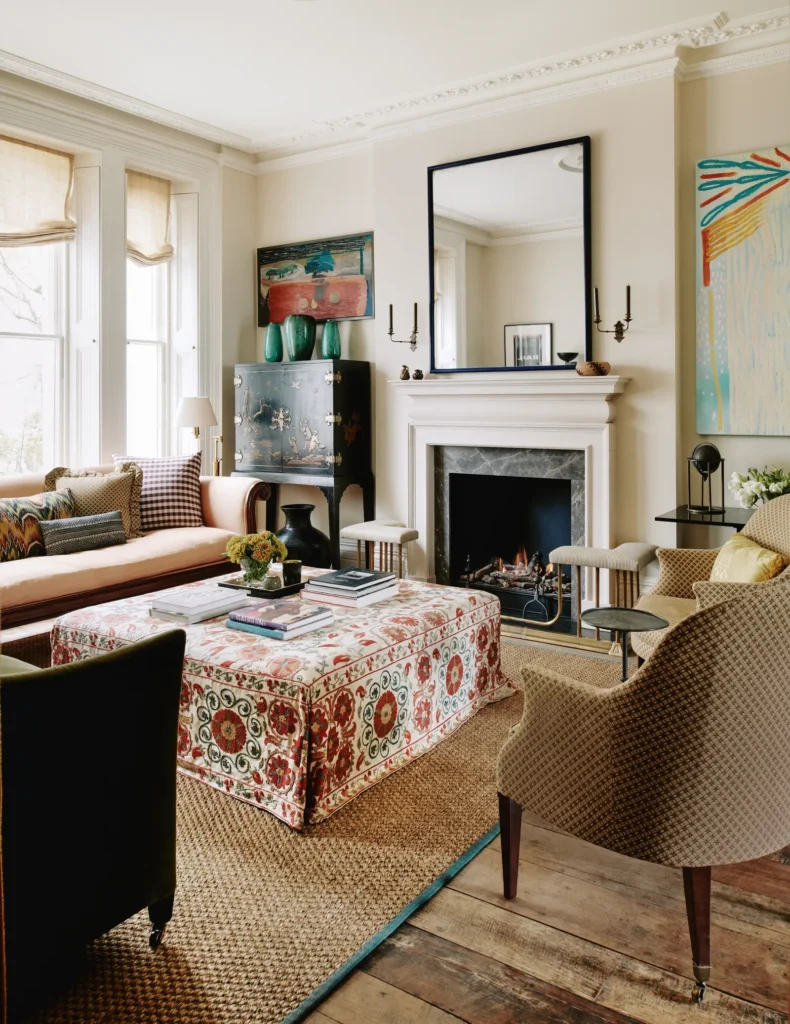
The resurgence of eclectic interior design is not accidental. In a globalized world where interiors can easily feel interchangeable, mixing antique furniture with contemporary pieces restores individuality and narrative depth. Antique objects carry history, craftsmanship, and cultural memory, while modern design offers clarity, comfort, and relevance.
This balance answers a growing appetite among high-net-worth individuals and design professionals for interiors that feel curated rather than styled. An eclectic space resists instant consumption; it rewards attention and evolves over time.
Beyond Style: A Cultural Statement
Blending eras is also a philosophical stance. It reflects sustainability—reusing and preserving antique furniture rather than discarding it—and celebrates longevity over disposability. In this sense, eclectic interiors align with broader conversations in architecture and design about responsible luxury and enduring value.
Understanding the Role of Antique Furniture
Antique furniture is not merely decorative; it is structural to the emotional intelligence of a space. Whether a 19th-century armoire, a sculptural console from the Art Deco period, or a rustic farmhouse table, antiques bring depth that no contemporary replica can truly replicate.
What Antiques Contribute to Modern Spaces
- Material richness: Solid woods, hand-carved details, and traditional joinery.
- Patina and imperfection: Surfaces shaped by time, use, and human touch.
- Historical context: Each piece carries a story that enriches the interior narrative.
In the context of timeless interior design, antiques function as anchors—elements that ground a space emotionally and aesthetically.
The Contemporary Counterpoint
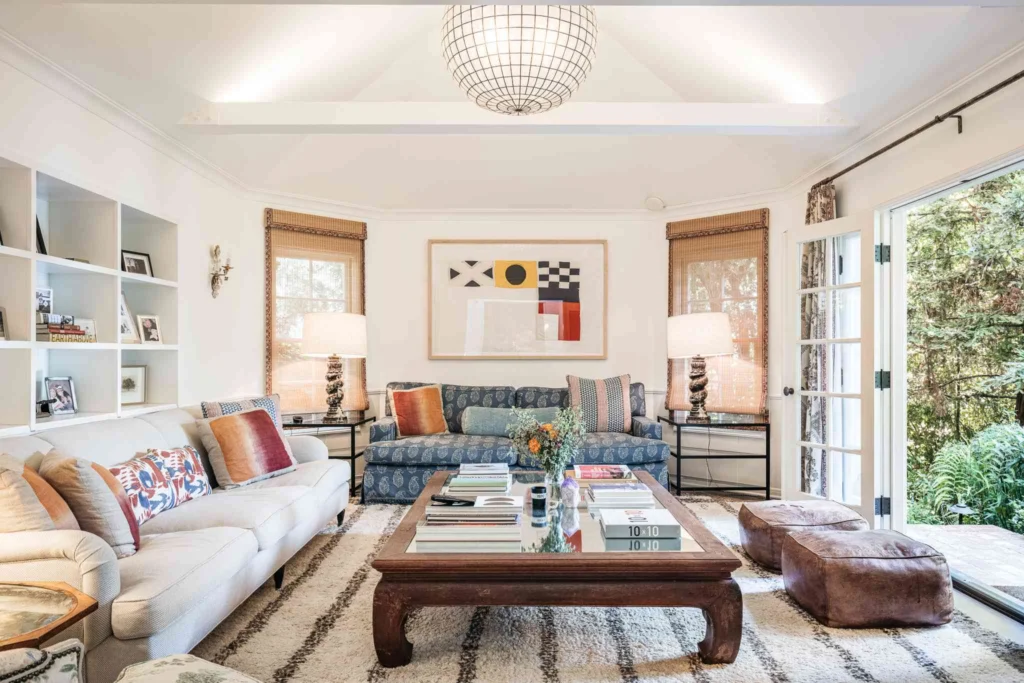
While antique furniture brings soul, contemporary design provides structure. Clean lines, restrained palettes, and modern proportions prevent eclectic interiors from feeling heavy or nostalgic. Contemporary pieces act as visual breathing space, allowing antiques to stand out rather than compete.
Why Contrast Matters
The success of eclectic interior design depends on contrast. A highly ornamented antique chair becomes more striking when placed against a pared-back architectural backdrop. Likewise, a minimalist dining table gains warmth and character when surrounded by vintage seating.
Principles for Blending Antique and Contemporary Furniture
Mixing eras is not about randomness. It requires discipline, intention, and a strong conceptual framework. The following principles offer guidance for achieving harmony rather than discord.
1. Establish a Cohesive Color Palette
Color is the most effective unifying tool in eclectic interiors. A restrained palette—neutrals, mineral tones, or muted earth shades—allows disparate styles to coexist seamlessly. Antique furniture often introduces darker woods or aged finishes, which can be balanced by lighter contemporary elements.
2. Prioritize Proportion and Scale
One of the most common mistakes when mixing eras is ignoring scale. Oversized antique pieces can overwhelm modern spaces, while delicate antiques may disappear among bold contemporary forms. Thoughtful proportion ensures visual equilibrium.
3. Let One Era Lead
Successful eclectic interior design typically designates a dominant era. Either the architecture and layout are contemporary with antique accents, or the space leans classical with modern interventions. This hierarchy prevents visual confusion.
4. Curate, Don’t Accumulate
Eclectic does not mean excessive. Each piece—antique or contemporary—should earn its place. A single, exceptional antique furniture item often has more impact than a room filled with historical references.
Room-by-Room Strategies
Applying these principles varies depending on function and context. Below are strategic approaches for key living spaces.
Living Rooms: Dialogue and Comfort
The living room is often the most effective space to explore eclectic interior design. A contemporary sofa paired with an antique coffee table or a vintage rug creates immediate contrast. The key is comfort—modern seating balances the formality of antiques.
Dining Rooms: Ceremony Meets Simplicity
An antique dining table surrounded by contemporary chairs is a classic example of mixing eras. The table becomes a ceremonial centerpiece, while modern seating introduces informality and ease.
Bedrooms: Subtlety and Atmosphere
In bedrooms, restraint is essential. An antique bedside table or a vintage bench at the foot of a minimalist bed introduces warmth without disrupting serenity. Here, timeless interior design relies on atmosphere rather than statement.
Materials as a Common Language
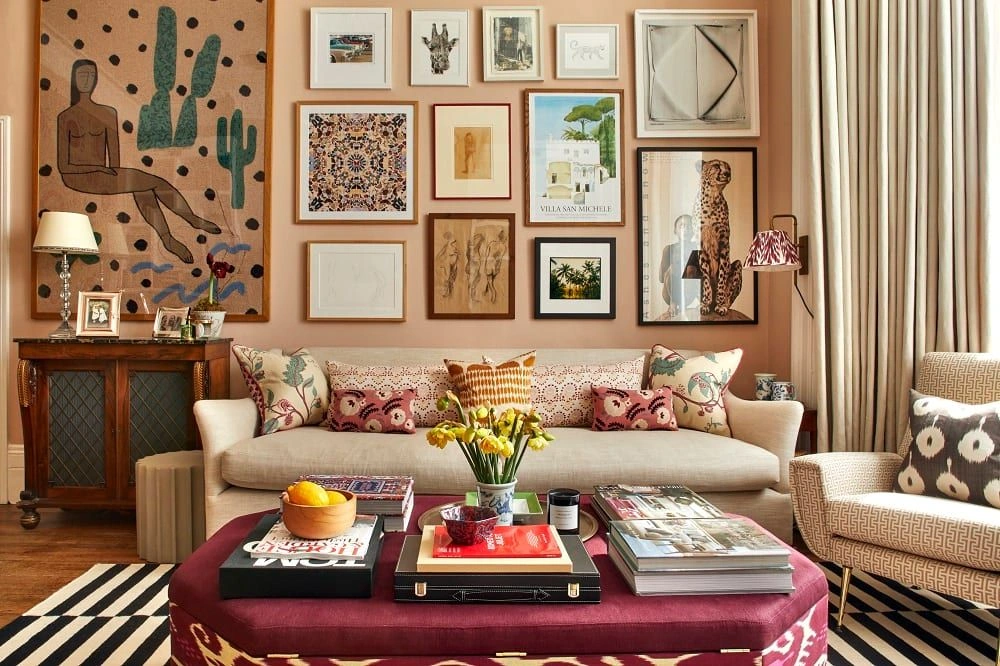
Material continuity is another powerful strategy. Natural materials—wood, stone, linen, leather—transcend stylistic boundaries. An antique oak cabinet feels entirely at home next to a contemporary stone console when both speak the same material language.
The Importance of Texture
Texture adds depth where styles diverge. Worn wood, aged brass, and handwoven textiles soften modern surfaces, while contemporary glass or steel can refresh traditional environments.
Lighting: The Silent Mediator
Lighting plays a crucial role in unifying mixed-era interiors. Contemporary lighting designs often complement antique furniture beautifully by highlighting form rather than ornament. Conversely, antique chandeliers can add drama to modern spaces when used sparingly.
Layered Illumination
Combining ambient, task, and accent lighting allows both antique and contemporary elements to be appreciated individually and collectively.
Common Pitfalls to Avoid
Even experienced designers can misstep when blending eras. Awareness of common pitfalls helps maintain clarity and sophistication.
- Over-theming: Avoid creating period “sets” that feel theatrical.
- Ignoring context: Architecture should guide furniture choices.
- False antiques: Poor reproductions undermine authenticity.
Eclectic Interior Design and Long-Term Value
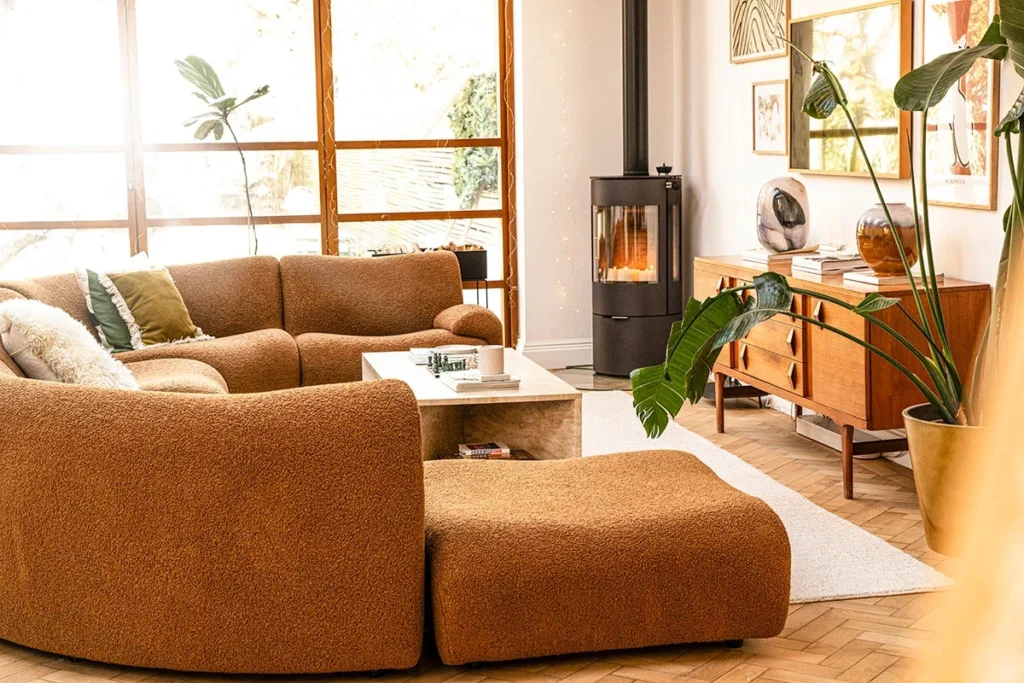
From a real estate perspective, interiors that combine antique furniture with contemporary design often age better than trend-driven schemes. They appeal to emotionally driven buyers who value character and quality, enhancing both experiential and financial value.
A Timeless Investment
Unlike purely contemporary interiors that may date quickly, eclectic spaces evolve gracefully. Antique furniture can be recontextualized, moved, or paired differently over time, reinforcing the concept of timeless interior design.
Learning from Design History
Many influential designers have long embraced the mixing of eras. Historical precedent shows that innovation often emerges from reinterpretation rather than rejection of the past. For further reading on the cultural value of antiques in modern living, the Victoria and Albert Museum offers valuable insights into decorative arts and interior history (https://www.vam.ac.uk/articles).
Curating a Personal Narrative
Mixing antique and contemporary furniture is ultimately an exercise in authorship. It requires confidence, restraint, and a clear vision. When approached thoughtfully, eclectic interior design transcends style and becomes storytelling—an expression of personal history, cultural awareness, and aesthetic intelligence.
In a world increasingly dominated by the new, choosing to integrate antique furniture is a radical act of continuity. It affirms that timeless interior design is not about perfection or novelty, but about balance, memory, and the enduring dialogue between past and present.