

Few design movements have achieved the rare balance of cultural relevance, aesthetic clarity, and enduring influence quite like mid-century architecture. Born from a post-war desire for progress, optimism, and functional beauty, mid-century modern design has transcended its historical moment to become a lasting blueprint for contemporary luxury. Today, its principles shape the way architects, designers, and discerning homeowners conceive modern residential architecture—where restraint, authenticity, and human-centered design define true sophistication.
Rather than existing as a nostalgic revival, mid-century modern continues to evolve, offering a conceptual framework for contemporary luxury that values proportion over excess, craftsmanship over ornament, and meaning over spectacle. For a global audience attuned to culture, design, and lifestyle, this legacy remains profoundly relevant.
The Philosophical Foundations of Mid-Century Modern
Emerging between the 1940s and 1960s, mid-century modern design was not merely a stylistic shift—it was a philosophical response to social change. Architects and designers sought to reconcile technological advancement with a renewed connection to nature and daily life. This ethos remains deeply embedded in modern residential architecture today.
Human-Centered Design as a Luxury Standard
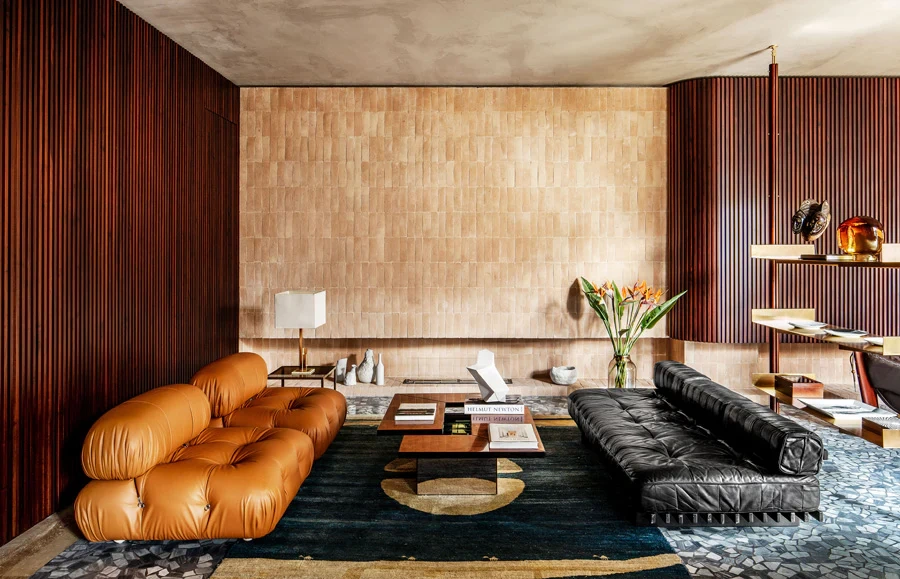
At its core, mid-century architecture prioritizes human experience. Homes were designed to support new ways of living—open plans encouraged social interaction, while seamless indoor-outdoor transitions fostered well-being. In contemporary luxury contexts, these principles translate into residences that feel intuitive, calm, and emotionally resonant.
Luxury, in this sense, is no longer defined by scale or opulence, but by how spaces support modern lifestyles—privacy balanced with openness, flexibility paired with permanence.
Form Follows Function, Refined
The modernist maxim “form follows function” found its most elegant expression during the mid-century period. Clean lines, structural honesty, and purposeful design eliminated excess, allowing materials and proportions to speak for themselves. Today’s contemporary luxury interiors reinterpret this approach through refined detailing, advanced materials, and bespoke craftsmanship.
Mid-Century Architecture and the Language of Space
Mid-century architecture introduced spatial concepts that continue to influence the world’s most desirable homes. From California Case Study Houses to European modernist villas, these structures redefined how architecture could respond to climate, landscape, and lifestyle.
Open Plans and Visual Continuity
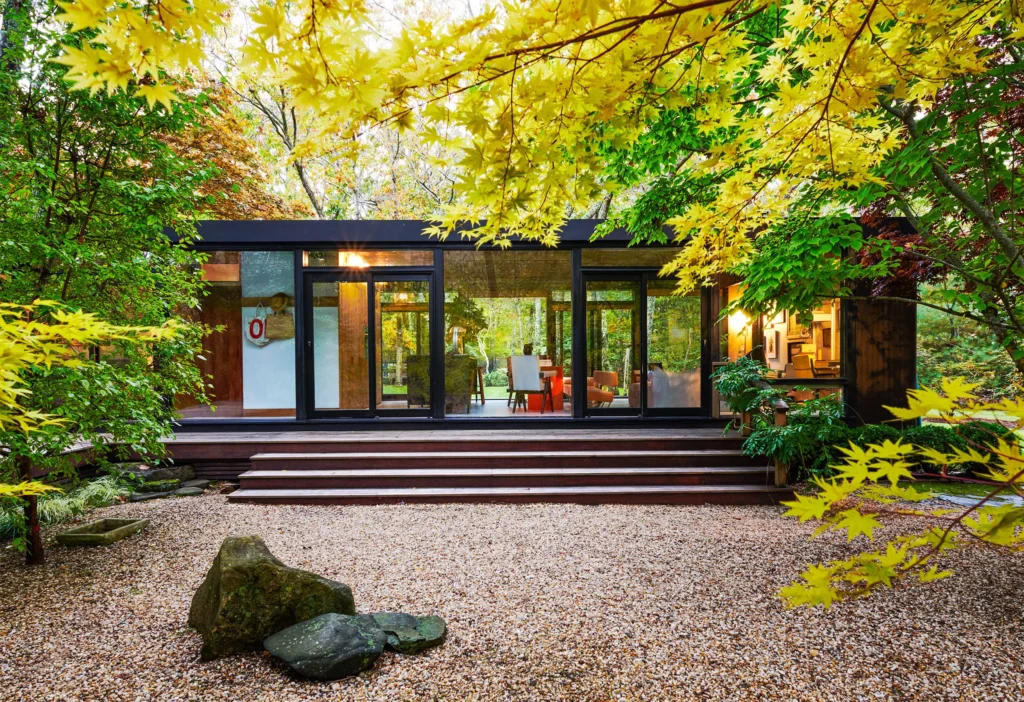
One of the most enduring contributions of mid-century architecture is the open-plan layout. By dissolving rigid room divisions, architects created fluid environments that encouraged movement and light. In contemporary luxury residences, this openness is elevated through:
- Generous ceiling heights that enhance spatial clarity
- Architectural glazing that frames curated views
- Subtle zoning achieved through furniture, lighting, and materials
The result is a sense of effortless grandeur—spaces that feel expansive yet composed.
Indoor-Outdoor Living Reimagined
Mid-century modern homes famously blurred the boundaries between interior and exterior. Courtyards, patios, and floor-to-ceiling windows established a dialogue with nature that remains central to modern residential architecture.
In contemporary luxury, this relationship is expressed through landscaped terraces, biophilic materials, and seamless transitions that extend living spaces outward, reinforcing a lifestyle of balance and connection.
Mid-Century Furniture as Cultural Artifacts
If architecture defined the spatial ethos of the mid-century era, mid-century furniture articulated its tactile and emotional language. These pieces were conceived as functional art—objects that combined innovation, comfort, and timeless beauty.
Craftsmanship Meets Industrial Innovation
Mid-century furniture designers embraced new manufacturing techniques while maintaining a deep respect for craftsmanship. Molded plywood, tubular steel, and refined upholstery allowed for sculptural forms without sacrificing usability.
In contemporary luxury interiors, original and reinterpreted mid-century furniture pieces serve as anchors of authenticity. Their presence signals discernment—an appreciation for design history and enduring quality.
Why Mid-Century Furniture Endures in Luxury Interiors
- Timeless proportions that transcend trends
- Material honesty aligned with modern sustainability values
- Versatility across architectural styles
Rather than dominating a space, mid-century furniture complements it, allowing architecture, light, and materiality to remain central.
Contemporary Luxury Through a Mid-Century Lens
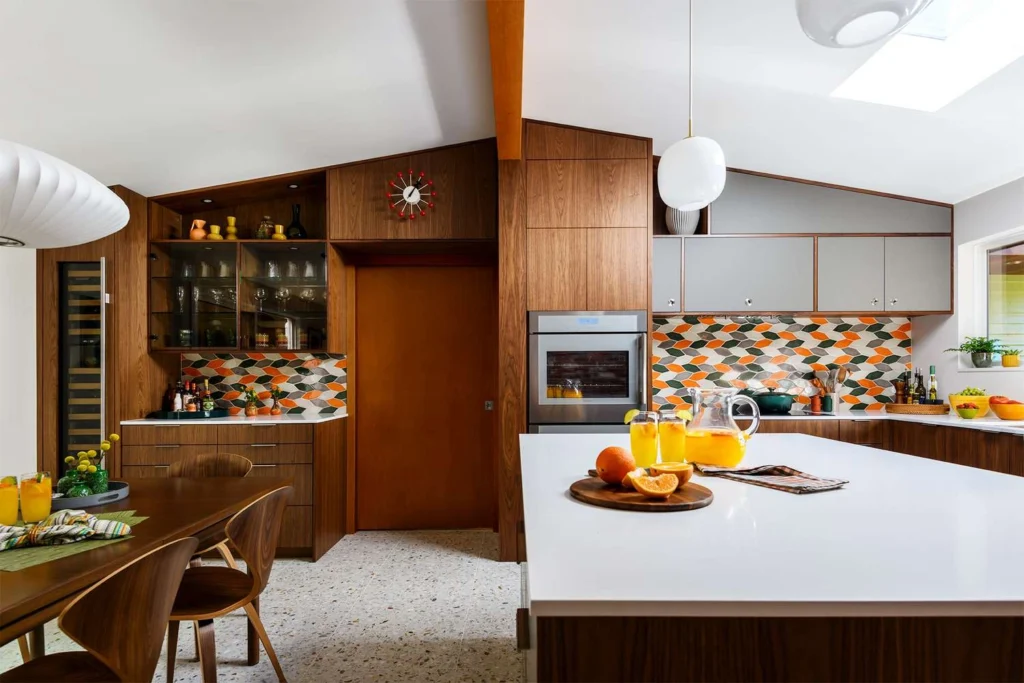
Today’s definition of contemporary luxury is increasingly informed by restraint, intentionality, and cultural depth—values inherently present in mid-century modern design. This alignment explains why the movement continues to shape high-end residential projects worldwide.
Material Integrity and Sensory Experience
Mid-century architecture emphasized natural materials such as wood, stone, and leather, chosen for their tactile and visual warmth. Contemporary luxury builds upon this foundation by incorporating advanced finishes while preserving material authenticity.
This approach aligns with broader shifts toward mindful living and sustainability, where luxury is measured by longevity and experience rather than excess.
Minimalism with Emotional Resonance
Unlike later minimalist movements that often feel austere, mid-century modern spaces retain a sense of warmth and personality. Carefully curated objects, art, and furniture introduce character without clutter.
This balance is particularly appealing to high-net-worth individuals seeking environments that feel both refined and lived-in.
Modern Residential Architecture: A Global Perspective
From North America to Europe, the Middle East, and Asia-Pacific, mid-century principles continue to inform modern residential architecture at the highest level. Architects reinterpret these ideas through local contexts, climates, and cultural narratives.
Global Adaptations of Mid-Century Principles
While the aesthetic language may vary, the underlying concepts remain consistent:
- Architecture integrated with landscape
- Spaces designed for flexibility and longevity
- A focus on light, proportion, and human scale
This universality reinforces mid-century modern as not merely a style, but a global design philosophy.
Mid-Century Influence in Urban Luxury Living
Even within dense urban environments, mid-century ideas inform contemporary luxury developments. Open layouts, modular planning, and expressive yet restrained façades echo the movement’s emphasis on livability.
For developers and real estate experts, this approach enhances long-term value by appealing to culturally literate, design-conscious buyers.
Mid-Century Modern and the Future of Luxury
As the design world continues to reassess notions of value, sustainability, and well-being, mid-century modern offers a compelling roadmap. Its principles align seamlessly with the future of contemporary luxury—one rooted in purpose, intelligence, and emotional connection.
Sustainability as a Natural Extension
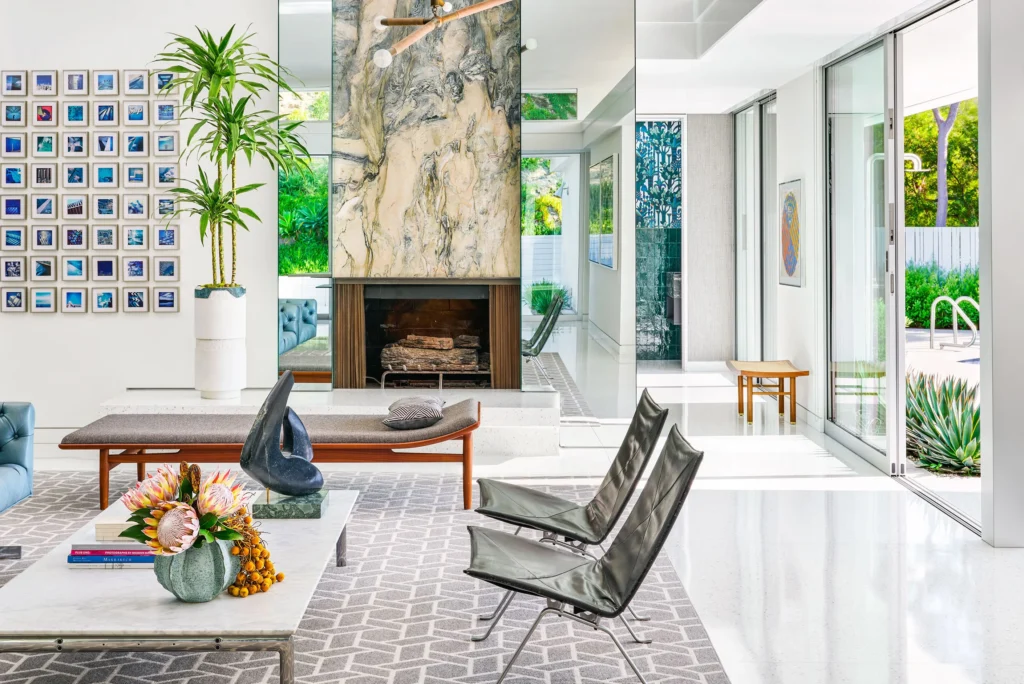
Long before sustainability became a global imperative, mid-century architecture embraced efficiency, durability, and climate responsiveness. These qualities resonate strongly with today’s environmentally conscious luxury market.
Design as Cultural Literacy
In an era where luxury is increasingly about narrative and meaning, mid-century modern represents cultural literacy. To understand and integrate its principles is to engage with a lineage of design thinking that prioritizes clarity, optimism, and humanism.
The Takeaway
Mid-century modern is not a chapter closed, but a living framework—one that continues to inform how we conceive modern residential architecture, select mid-century furniture, and define contemporary luxury. Its relevance lies in its restraint, its respect for the individual, and its belief that good design can elevate everyday life.
For architects, designers, and globally minded homeowners, mid-century modern remains a blueprint not only for beautiful spaces, but for thoughtful living—where luxury is quiet, intentional, and enduring.