

Mediterranean architecture and Mediterranean interior design represent far more than a stylistic vocabulary—they embody a lifestyle shaped by climate, culture, craftsmanship, and an enduring relationship with landscape. From the sun-washed villas of Marbella to the refined coastal residences of Miami, the Mediterranean aesthetic has evolved into a global design language synonymous with elegance, longevity, and effortless luxury.
For architects, interior designers, real estate professionals, and high-net-worth individuals, luxury Mediterranean homes offer a compelling balance between tradition and contemporary living. This design ethos privileges natural materials, architectural permanence, and spaces conceived for both privacy and conviviality. In an era increasingly defined by fast trends, Mediterranean design stands apart as timeless, resilient, and deeply human.
The Architectural DNA of the Mediterranean
Rooted in Southern Europe, North Africa, and the Levant, Mediterranean architecture developed in direct response to climate and topography. Thick walls, shaded courtyards, and fluid indoor-outdoor transitions are not aesthetic choices alone—they are intelligent architectural solutions refined over centuries.
Core Architectural Principles
- Climate-responsive design using thermal mass, cross-ventilation, and deep overhangs
- Organic integration with landscape, often through terracing and natural stone construction
- Human-scale proportions that favor harmony over monumentality
- Durable, local materials such as limestone, terracotta, lime plaster, and timber
These principles continue to guide contemporary interpretations of Mediterranean architecture, particularly in coastal luxury markets where sustainability, comfort, and authenticity are increasingly valued.
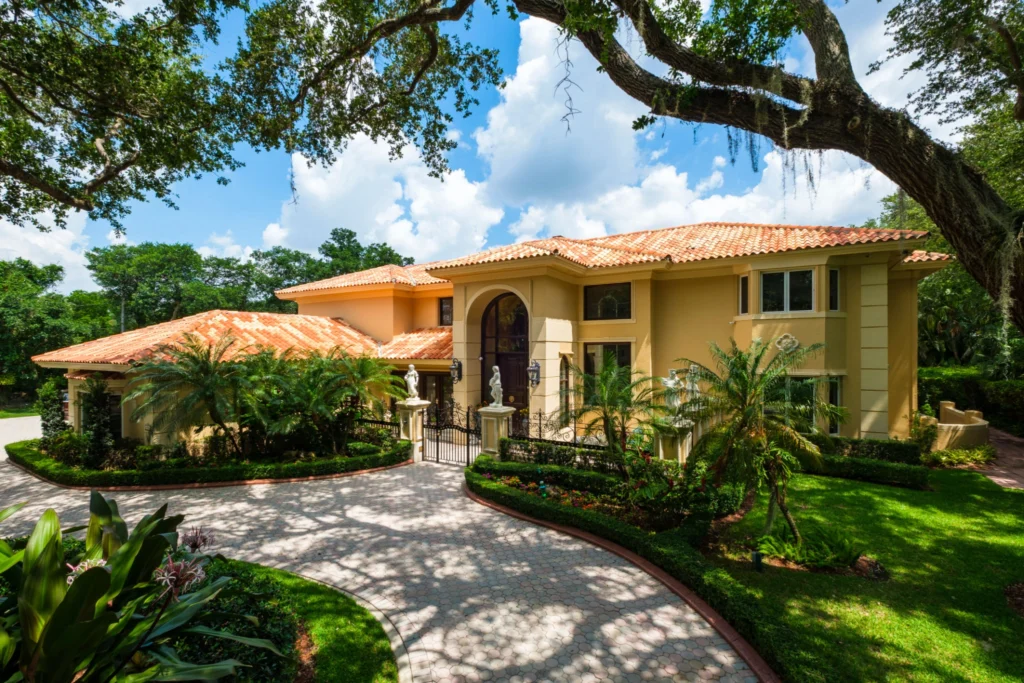
Marbella: Andalusian Heritage Meets Modern Luxury
Marbella stands as one of Europe’s most refined expressions of Mediterranean architecture. Influenced by Moorish, Roman, and Andalusian traditions, its residential architecture is characterized by whitewashed facades, inner patios, and an intimate relationship with light and shadow.
Architectural Characteristics of Marbella Homes
Luxury Mediterranean homes in Marbella often feature layered spatial sequences—entry courtyards leading to shaded loggias, gardens, and terraces that frame views of the sea or mountains. These homes are designed to unfold gradually, privileging experience over spectacle.
Contemporary architects working in the region have refined the language of Mediterranean architecture through minimalist forms, expansive glazing, and seamless indoor-outdoor living—without sacrificing regional identity.
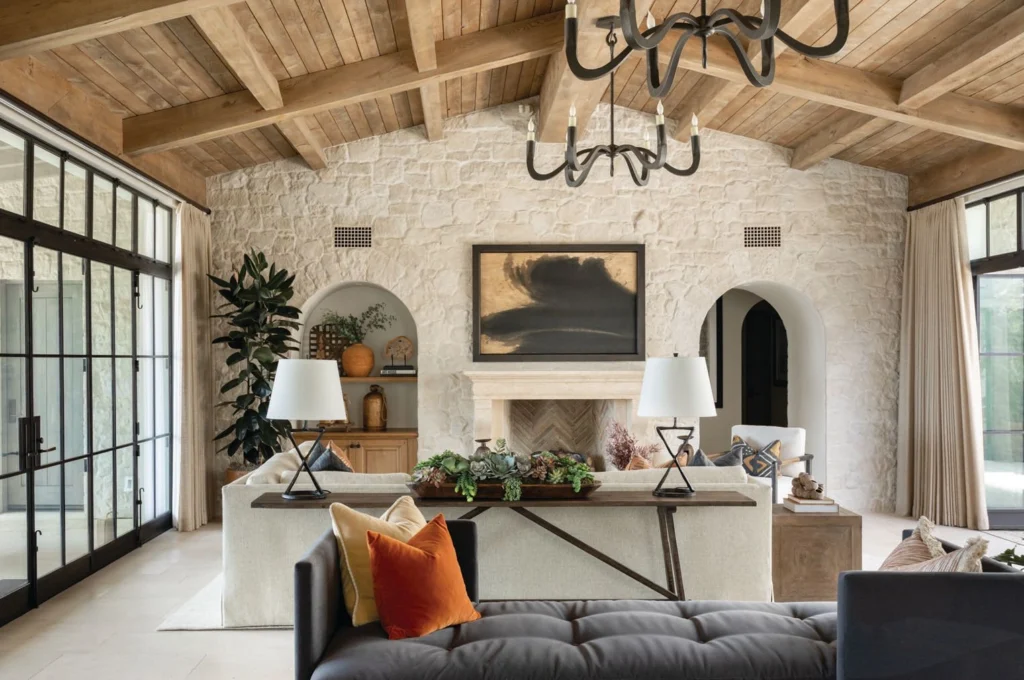
Mediterranean Interior Design: A Language of Calm and Craft
Mediterranean interior design is defined by restraint, material honesty, and an emphasis on tactile quality. Interiors are conceived as extensions of architecture, where furniture, finishes, and spatial flow work in quiet harmony.
Key Interior Design Elements
- Neutral, sun-faded palettes inspired by sand, stone, and sea
- Handcrafted furniture with sculptural yet understated profiles
- Textural layering using linen, wool, leather, and natural fibers
- Artisanal details such as plaster walls, ceramic tiles, and bespoke woodwork
Rather than overt decoration, Mediterranean interior design relies on proportion, material richness, and light to create atmosphere—an approach that resonates strongly with contemporary luxury sensibilities.
From the Mediterranean Basin to Miami: A Transatlantic Evolution
Miami has emerged as one of the most influential reinterpretations of Mediterranean architecture outside Europe. Historically inspired by Spanish Revival and Mediterranean Revival styles, the city has transformed these references into a modern luxury vernacular.
Why Mediterranean Architecture Thrives in Miami
The climatic parallels between Southern Europe and South Florida make Mediterranean architecture a natural fit. Courtyards, loggias, and shaded outdoor living areas align perfectly with Miami’s subtropical environment.
Today’s luxury Mediterranean homes in Miami blend classical proportions with contemporary detailing—open-plan interiors, floor-to-ceiling glass, and curated material palettes that reflect global sophistication while remaining regionally grounded.
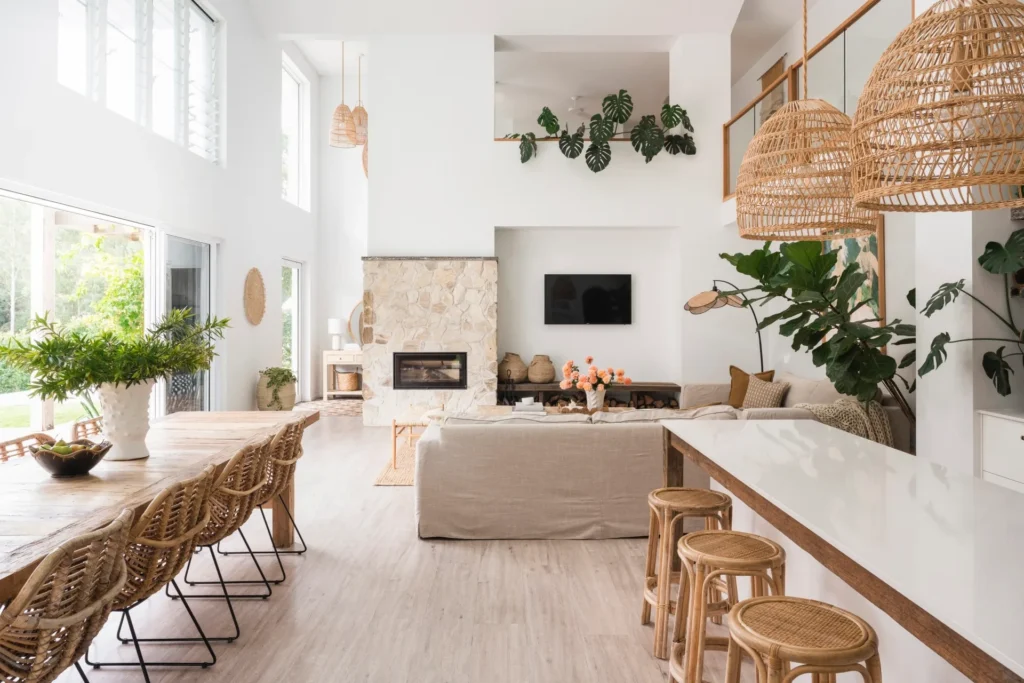
Designing for Lifestyle: Indoor–Outdoor Living
At the heart of Mediterranean architecture lies an unwavering commitment to lifestyle. Homes are not conceived as isolated interiors but as immersive environments where architecture, landscape, and daily rituals converge.
Signature Lifestyle Features
- Courtyards and patios that function as social and climatic centers
- Terraces and verandas designed for dining, lounging, and contemplation
- Water elements such as fountains and pools that cool and animate space
- Flexible living zones adaptable to seasonal and social rhythms
This lifestyle-centric approach is a defining reason why Mediterranean interior design continues to influence high-end residential projects worldwide.
Materiality and Permanence in Luxury Mediterranean Homes
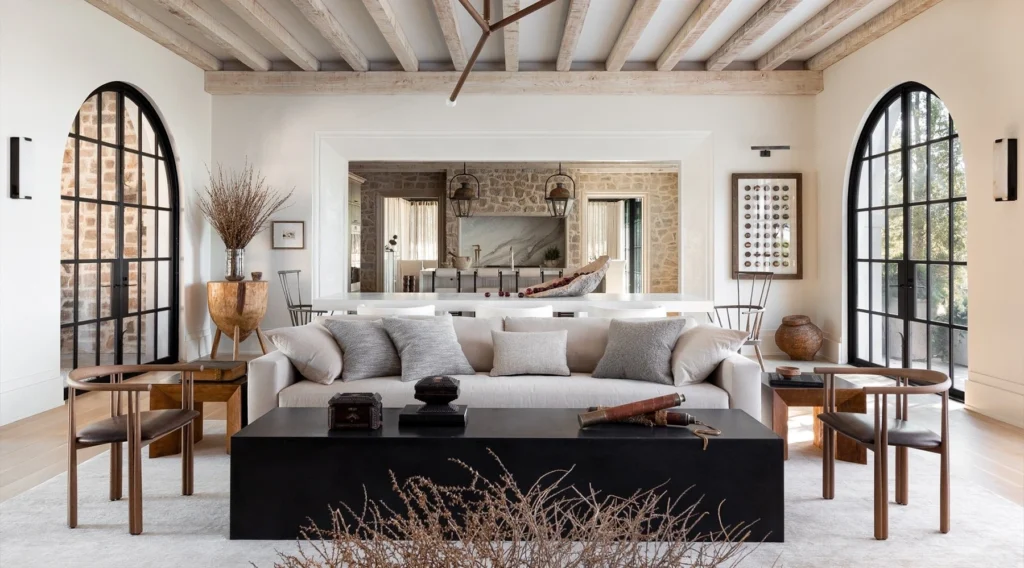
Material selection is fundamental to the authenticity of Mediterranean architecture. Stone floors that patinate with age, plaster walls that soften light, and solid wood elements that ground interiors in craftsmanship all contribute to a sense of permanence.
Unlike trend-driven interiors, luxury Mediterranean homes are designed to mature gracefully over decades, aligning perfectly with the long-term perspective of discerning property owners.
Sustainability Through Tradition
Many principles now associated with sustainable design have long been intrinsic to Mediterranean architecture. Passive cooling, local sourcing, and durability reduce environmental impact while enhancing comfort.
Mediterranean Design as a Global Investment Narrative
Beyond aesthetics, Mediterranean architecture carries strong cultural and financial value. Properties rooted in this architectural language consistently demonstrate enduring desirability in international luxury real estate markets.
For investors and private clients alike, Mediterranean interior design signals discernment—a preference for spaces that transcend fashion and offer lasting experiential value.
The Future of Mediterranean Architecture
As global design culture continues to favor authenticity, sustainability, and emotional resonance, Mediterranean architecture is poised not as a nostalgic reference, but as a forward-looking framework.
From Marbella to Miami, the evolution of Mediterranean design demonstrates its remarkable adaptability—capable of integrating contemporary technologies and lifestyles while preserving its essential soul.
Mediterranean architecture and Mediterranean interior design endure because they respond to fundamental human desires: light, comfort, beauty, and connection to place. In a world of rapid change, luxury Mediterranean homes offer something increasingly rare—timelessness grounded in culture, craftsmanship, and lived experience.
For architects, designers, and discerning clients, embracing this tradition is not a return to the past, but a confident investment in a design language that continues to define sophisticated living across continents.