

Across global capitals, luxury real estate trends are increasingly shaped by design intelligence rather than sheer scale or location alone. Today’s high-net-worth buyers—whether private individuals, family offices, or international investors—are seeking homes that articulate a refined lifestyle, cultural awareness, and architectural integrity. In this evolving landscape, Miami, New York, and London stand out as three distinct yet interconnected markets where design-first thinking is redefining value.
From Miami’s climate-responsive modernism to the crafted minimalism of New York luxury homes and the heritage-infused elegance of London luxury apartments, these cities reveal how architecture, interiors, and lifestyle aspirations intersect. This article explores the most influential luxury real estate trends across these global hubs, offering a comparative, design-led perspective tailored to professionals and discerning buyers alike.
Design as the New Currency of Luxury Real Estate
In the current global market, luxury is no longer defined solely by square footage or postcode prestige. Instead, it is increasingly measured by architectural authorship, material intelligence, and experiential quality. Design has become the primary differentiator in Miami luxury real estate, New York luxury homes, and London luxury apartments alike.
Key design-driven shifts shaping high-end residential markets include:
- Architect-led developments that foreground spatial quality and conceptual coherence.
- Interior architecture as identity, where bespoke detailing replaces generic finishes.
- Sustainability as sophistication, seamlessly integrated rather than overtly displayed.
- Lifestyle alignment, reflecting how residents live, work, and entertain globally.
These priorities are redefining what constitutes long-term value in luxury real estate trends worldwide.
Miami Luxury Real Estate: Tropical Modernism Meets Global Sophistication
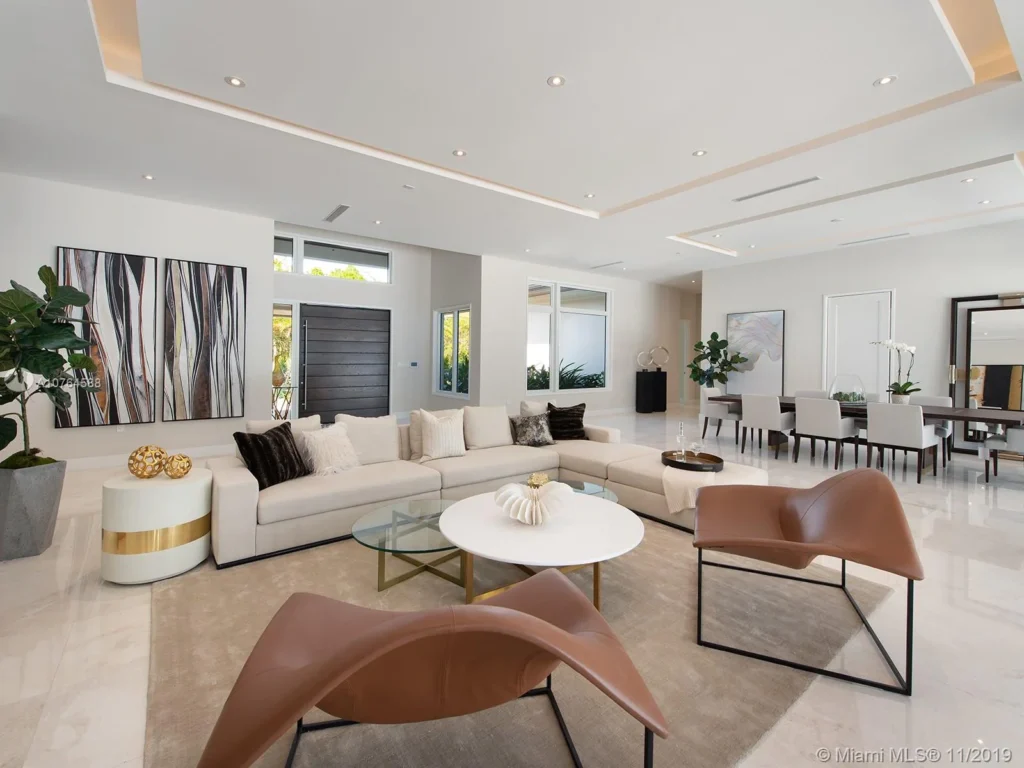
Miami has emerged as one of the most dynamic laboratories for contemporary luxury living. Fueled by international capital, cultural diversification, and a strong design narrative, Miami luxury real estate now commands global attention.
Architecture Shaped by Climate and Light
Design in Miami is inherently environmental. Residences are conceived to blur the boundary between interior and exterior, responding to climate through:
- Deep terraces and shaded loggias
- Floor-to-ceiling glazing with solar performance
- Natural ventilation strategies and cross-breezes
- Materials selected for durability and tactile warmth
Rather than ostentation, the most successful Miami projects express restraint—an architectural calm that enhances ocean views, light, and spatial flow.
Interiors as Curated Environments
In leading Miami luxury homes, interiors function as curated environments rather than decorative showcases. Neutral palettes, artisanal textures, and sculptural furnishings establish a sense of quiet confidence. European design influences—particularly Italian and Brazilian modernism—are increasingly visible, reinforcing Miami’s global design dialogue.
This design-forward approach has elevated Miami from a lifestyle-driven market to one of architectural credibility.
New York Luxury Homes: Precision, Provenance, and Personalization
New York remains the benchmark for urban luxury, where scarcity, heritage, and architectural innovation coexist. The city’s most compelling New York luxury homes are defined by a balance between rigor and refinement.
The Rise of Boutique and Bespoke Living
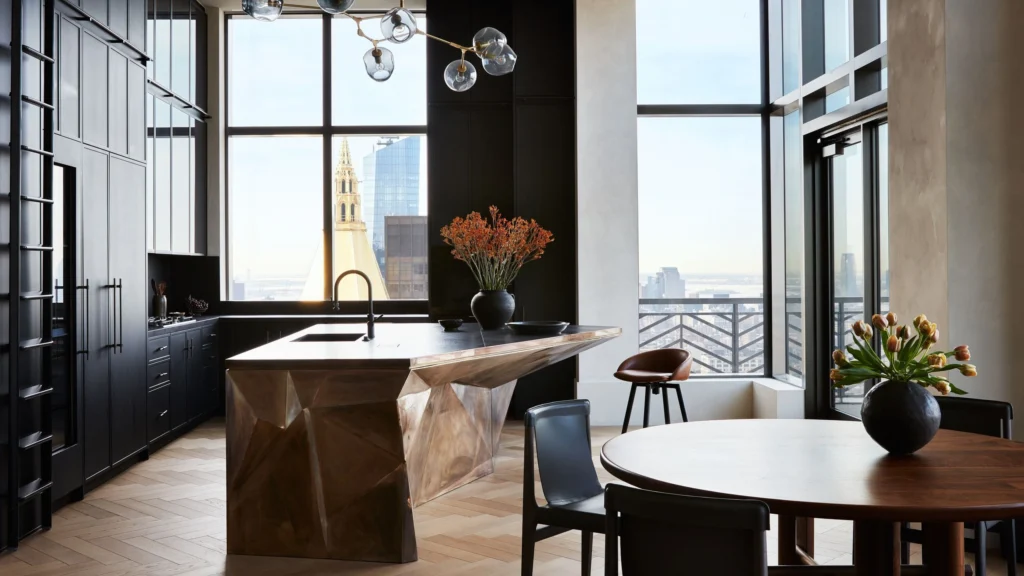
While ultra-tall towers still shape the skyline, demand is shifting toward boutique-scale developments that offer privacy, customization, and design distinction. Buyers increasingly favor residences that feel tailored rather than standardized.
- Limited-unit buildings with strong architectural identity
- Custom interior layouts and joinery
- Materials such as limestone, oak, and hand-finished metals
- Art-integrated spaces designed for collectors
These characteristics reflect a deeper appreciation for craft and permanence.
Interior Architecture as Cultural Expression
New York interiors are defined by proportion, detail, and narrative. Ceiling heights, millwork precision, and spatial sequencing matter profoundly. Increasingly, designers are referencing the city’s architectural lineage—pre-war elegance, mid-century rationalism, and contemporary minimalism—while reinterpreting them for modern living.
The result is luxury that feels intellectual, grounded, and quietly powerful.
London Luxury Apartments: Heritage Reimagined Through Contemporary Design
In London, luxury real estate is inseparable from history. Yet today’s London luxury apartments are less about preservation alone and more about intelligent reinterpretation.
Adaptive Reuse and Architectural Continuity
One of the defining luxury real estate trends in London is the adaptive reuse of historic buildings. Former townhouses, warehouses, and institutional structures are transformed into residences that respect their architectural DNA while offering modern comfort.
- Restored façades paired with contemporary interiors
- Original features such as moldings, brickwork, or staircases
- Modern spatial planning and discreet technology
This approach resonates strongly with international buyers who value authenticity as much as innovation.
Understated Interiors and Material Integrity
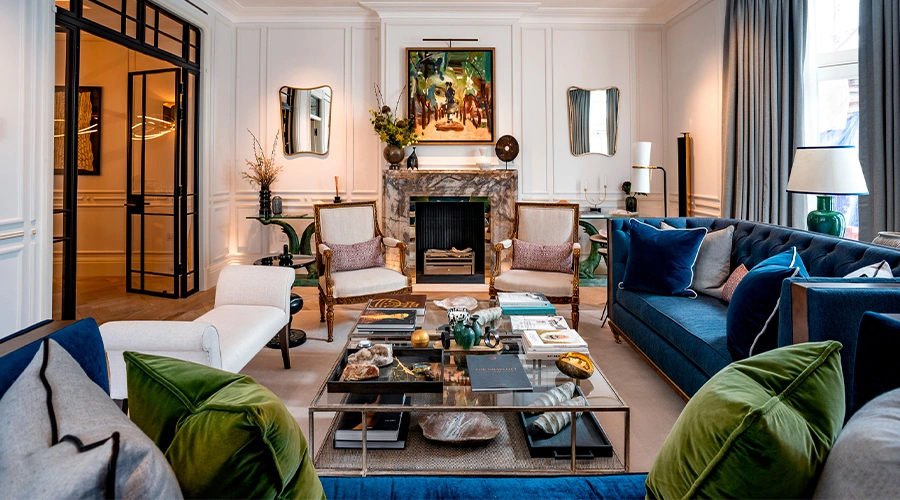
London interiors tend toward understatement. Luxury is conveyed through material integrity rather than visual excess. Natural stone, timber, wool, and metal finishes dominate, often in muted palettes that allow architectural details to take precedence.
This restrained elegance positions London as a counterpoint to more expressive global markets.
Comparative Insights: How Design Priorities Differ Across Markets
While Miami, New York, and London share a commitment to design excellence, their interpretations of luxury diverge in meaningful ways:
- Miami emphasizes openness, light, and lifestyle fluidity.
- New York prioritizes precision, customization, and spatial intelligence.
- London values heritage, craftsmanship, and contextual sensitivity.
For investors and end-users, understanding these nuances is essential when evaluating global luxury real estate trends.
Sustainability and Longevity as Design Imperatives
Across all three cities, sustainability has evolved from a technical requirement into a design philosophy. High-performance buildings now integrate:
- Energy-efficient façades and glazing systems
- Low-impact, responsibly sourced materials
- Passive design principles
- Wellness-oriented spatial planning
Importantly, sustainability is no longer aestheticized; it is embedded within architectural logic. According to the ArchDaily global architecture platform, long-term value in residential design increasingly correlates with adaptability and environmental performance.
The Role of Furniture and Interior Design in Value Creation
In design-first luxury real estate, furniture and interior elements are integral to architectural expression. Rather than afterthoughts, they are conceived as part of a holistic spatial narrative—enhancing proportion, circulation, and material coherence.
For buyers, this translates into residences that feel complete from the moment of entry, reinforcing emotional connection and long-term desirability.
A Design-Led Future for Global Luxury Living
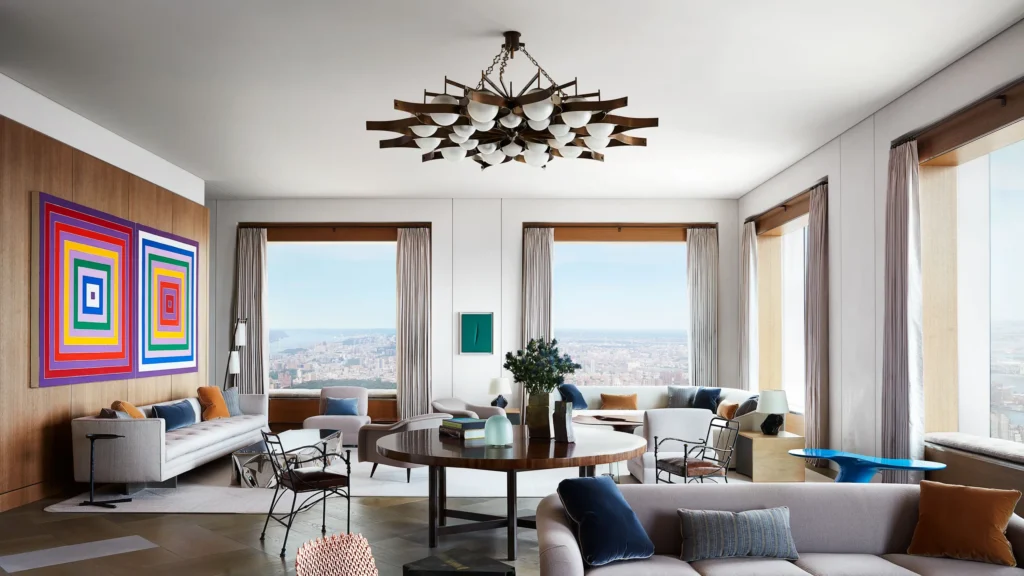
The most influential luxury real estate trends shaping Miami, New York, and London reveal a shared truth: design is no longer an added value—it is the foundation of luxury itself. Whether expressed through tropical modernism, urban precision, or heritage reinterpretation, design-first thinking defines how these cities compete and collaborate on the global stage.
For architects, designers, developers, and discerning buyers, the message is clear. Homes that prioritize architectural integrity, material intelligence, and lifestyle alignment will continue to command relevance and resilience. In a world where luxury is increasingly global, design remains its most universal language.