

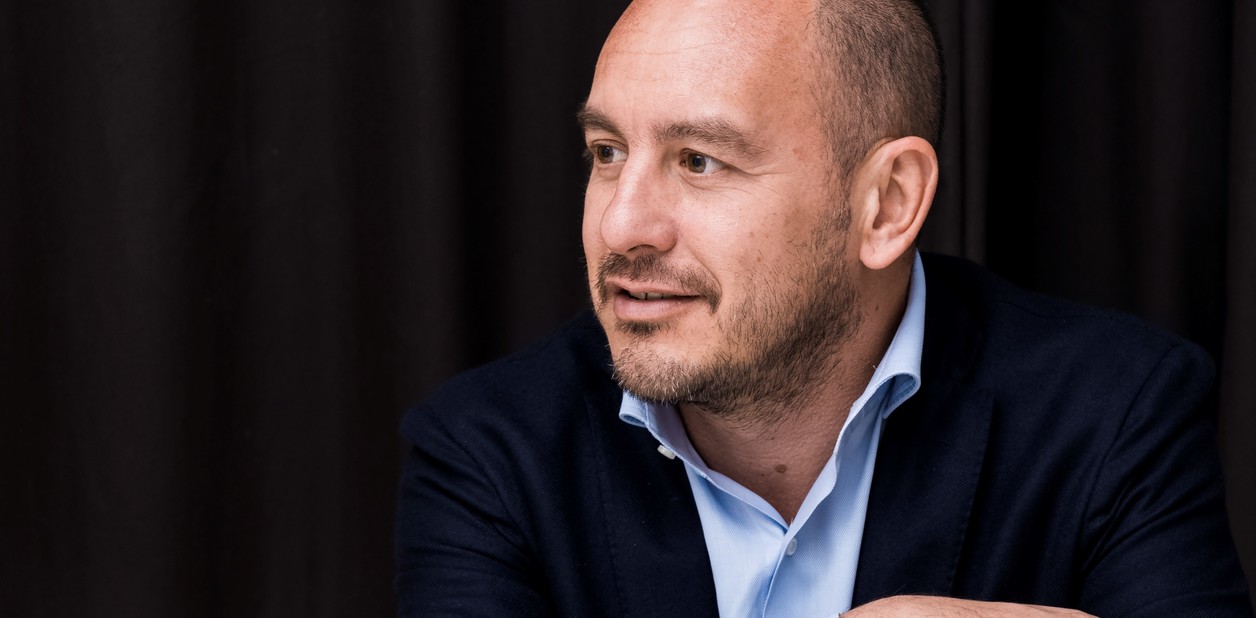
Luis Laplace is an Argentine-born architect and designer whose Paris‑based studio harmoniously blends art and architecture to create environments that feel like living galleries. Since founding Laplace with Christophe Comoy in 2004, Laplace has become renowned for merging contemporary minimalism with timeless craftsmanship, integrating artworks seamlessly into his spaces, and pioneering adaptive reuse of historic buildings. His projects—from private residences and art institutions like Hauser & Wirth to immersive exhibition spaces—embody a philosophy that elevates both form and function, illustrating how architecture can serve as a dynamic backdrop for art while enhancing human experience.
Early Life and Formation
Luis Martorano Laplace was born on December 31, 1969, in Buenos Aires, Argentina. He earned both bachelor’s and master’s degrees in architecture and urbanism from Universidad de Belgrano in 1995. Early in his career, Laplace worked for Selldorf Architects in Argentina and Mallorca before joining their New York office from 1999 to 2004 . In 2004, he co‑founded Laplace in Paris with Christophe Comoy, marking the beginning of his journey as a visionary who bridges art and architecture.
Philosophy: Art as Integral to Architecture
Human‑Centered Art Integration
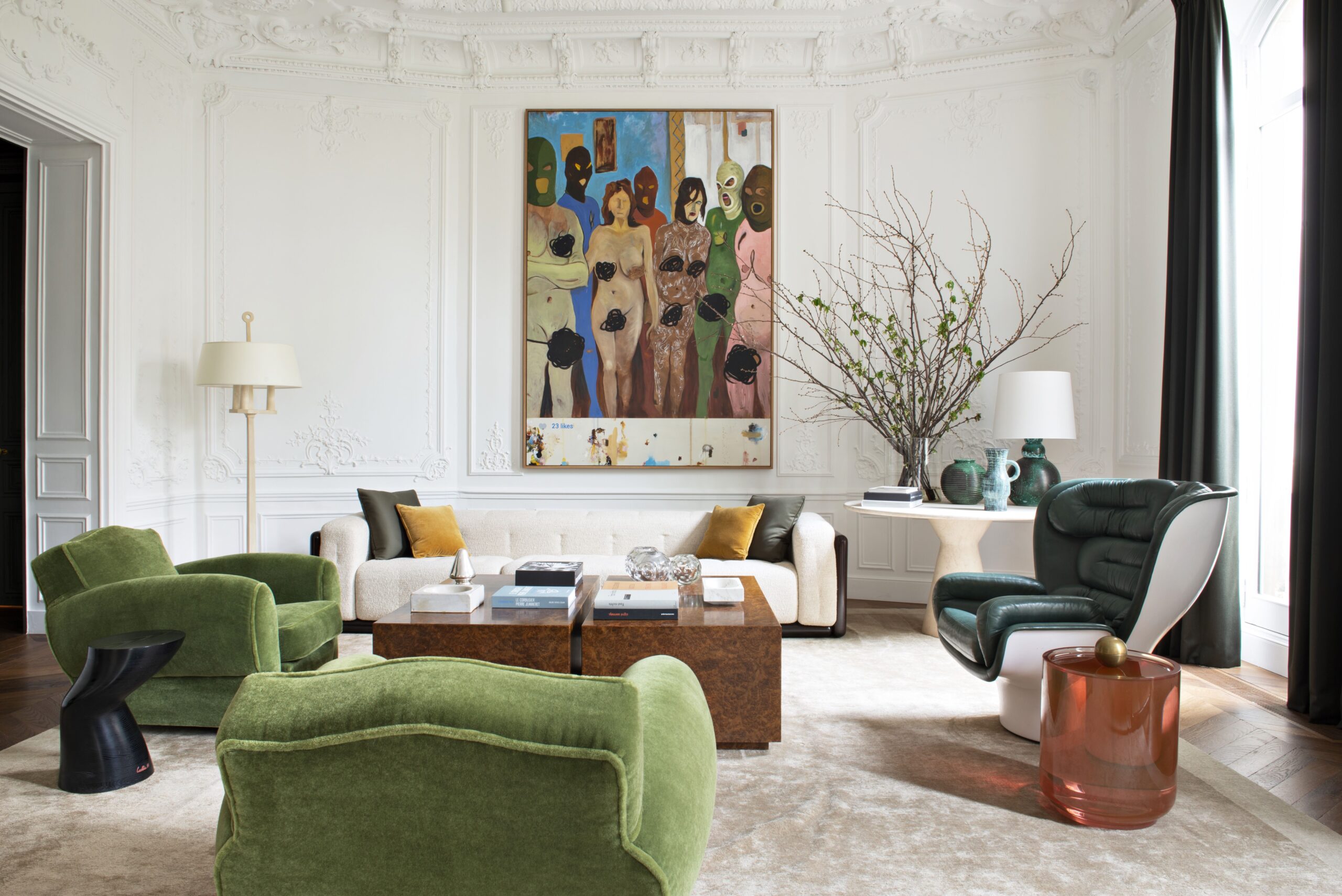
At the heart of Luis Laplace’s approach is the belief that architecture should not merely enclose art but interact with it. His projects “illustrate a unique approach to unite works of art in a living context,” deploying contemporary simplicity and timeless design to reveal “unexpected nuances, new interpretations, and readings” of each artwork. By designing spaces that respond to the scale, color, and texture of art pieces, Laplace creates environments where architecture amplifies artistic expression rather than competing with it.
Craftsmanship and Material Honesty
Luis Laplace emphasizes craftsmanship, atmosphere, and the “nuances of contemporary art,” selecting materials and finishes that honor both the building’s context and the artworks it houses. Whether restoring a 19th‑century hôtel particulier for a Hauser & Wirth gallery or renovating his own Paris atelier, he insists on high‑quality materials and meticulous detailing, ensuring that each surface and joint contributes to a cohesive narrative.
Signature Projects and Collaborations
Hauser & Wirth Art Institutions
Luis Laplace’s longstanding collaboration with Hauser & Wirth has resulted in transformative spaces—from Somerset and St. Moritz to Paris and Menorca—where historic structures are repurposed into contemporary art centers. The Menorca gallery, opened in 2021, won the Best Social Responsibility Initiative for its conservation of existing buildings and sustainable design principles.
Paris Atelier and Residence
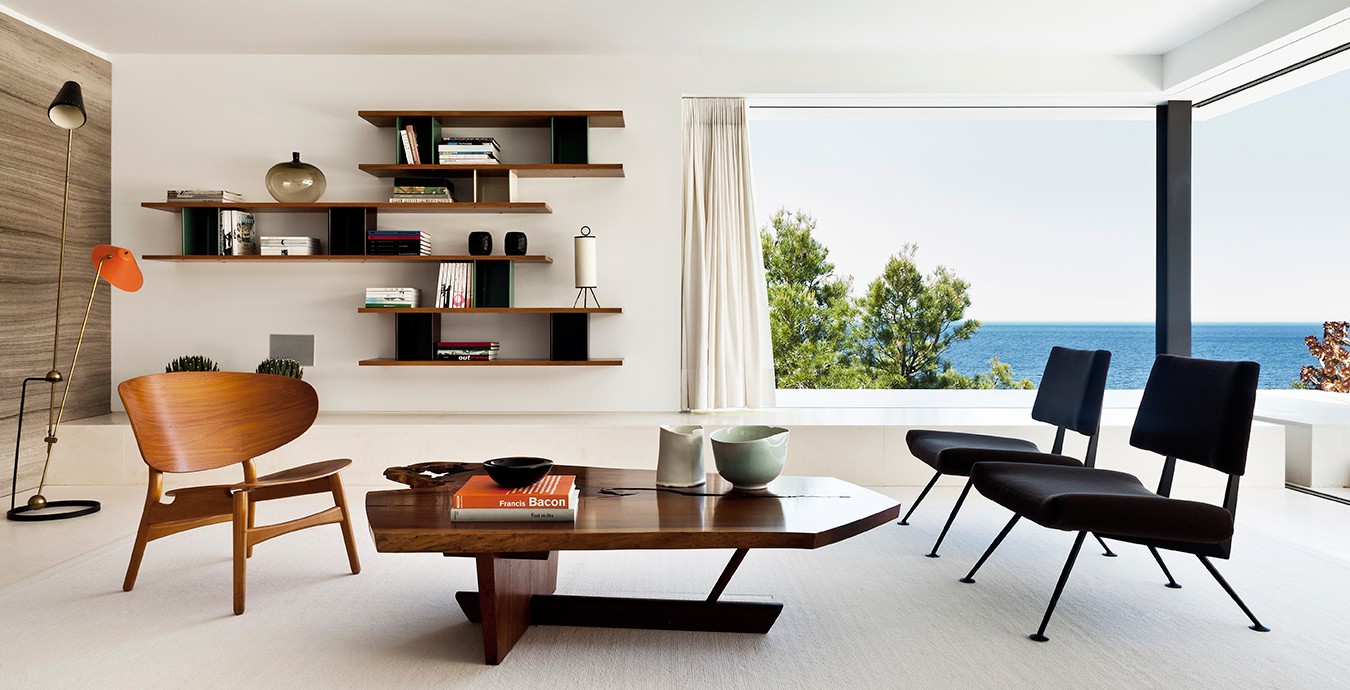
In a celebrated self‑initiated project, Laplace and Comoy transformed the ground floor of a Haussmannian building on Place Saint‑Georges into their Paris atelier. The 1,600 sq ft space, featuring a new entrance via the garden and restored period details, exemplifies Laplace’s respect for context and his ability to infuse residential warmth into a professional setting.
Private Commissions Worldwide
From a dreamy Mexico Pacific coastline retreat—Casa Luz, executed with regional materials like parota wood and lava stone—to bespoke urban pied‑à‑terres filled with Warhol and Ernst works, Laplace’s residential projects span the globe. His careful use of light, space, and locally sourced materials reflects his adaptive design ethos.
Defining Characteristics of Laplace’s Work
Seamless Adaptive Reuse
Luis Laplace excels at repurposing historic buildings for modern use, preserving original integrity while introducing contemporary interventions. His Paris gallery and atelier showcase how subtle changes—new circulation patterns and lighting—can revitalize heritage architecture without erasing its soul.
Bi‑Disciplinary Creativity
As both architect and interior designer, Laplace blurs disciplinary boundaries. His studio not only conceives building envelopes but also curates interiors and furniture, ensuring a unified vision where every element, down to the custom tableware, aligns with the overall concept.
Cultural and Material Sensitivity
Whether in Southern France or Hong Kong, Laplace responds to local context—be it climate, craft traditions, or cultural narratives. This global sensitivity is grounded in his Argentine roots and refined through Parisian practice, yielding spaces that feel both universal and site‑specific.
Legacy and Recognition
Luis Laplace has been named to Architectural Digest’s AD100 list multiple times, including in 2025, recognizing his enduring influence on design. His work exemplifies how architecture can serve as a dynamic canvas for art, elevating individual experiences and setting new standards for harmonizing form, function, and culture.
Final Thoughts
By harmonizing art and architecture, Luis Laplace pioneers a modern design language where spaces not only display art but embody it—engaging visitors in a dialogue between structure and artwork. His projects reveal how thoughtful materiality, context‑driven interventions, and collaborative craftsmanship can transform buildings into living galleries. As we look to the future of design, Laplace’s visionary approach offers a blueprint for creating environments that are both functionally innovative and profoundly poetic.
Why Nolita Harbour?
At Nolita Harbour, we understand the importance of design in creating memorable spaces. Explore our exclusive furniture collection to find pieces that bring the sophistication and elegance of world-class interior designs into your home. Let us help you design a truly unforgettable interior space.