

Few design decisions influence the atmosphere of a room as profoundly as the choice between leather armchairs and fabric-covered seating. For architects, interior designers, and discerning homeowners, the question is not merely aesthetic—it is strategic. How will the material age? How will it perform under daily use? And which option ultimately offers greater longevity for luxury armchairs in residential or hospitality environments?
In high-end interiors, materials are expected to mature with grace. A reading corner in a London townhouse, a penthouse overlooking Dubai Marina, or a Hamptons retreat all demand seating that transcends trend. Whether specifying upholstered armchairs in tactile bouclé or selecting full-grain leather for a sculptural lounge chair, professionals must consider durability, maintenance, environmental factors, and cultural perception.
This article offers a comprehensive comparison of leather armchairs and fabric upholstered armchairs, focusing on aging, performance, and long-term value—key considerations for those curating truly enduring luxury armchairs.
The Nature of Leather: A Living Material
Why Leather Ages Distinctively
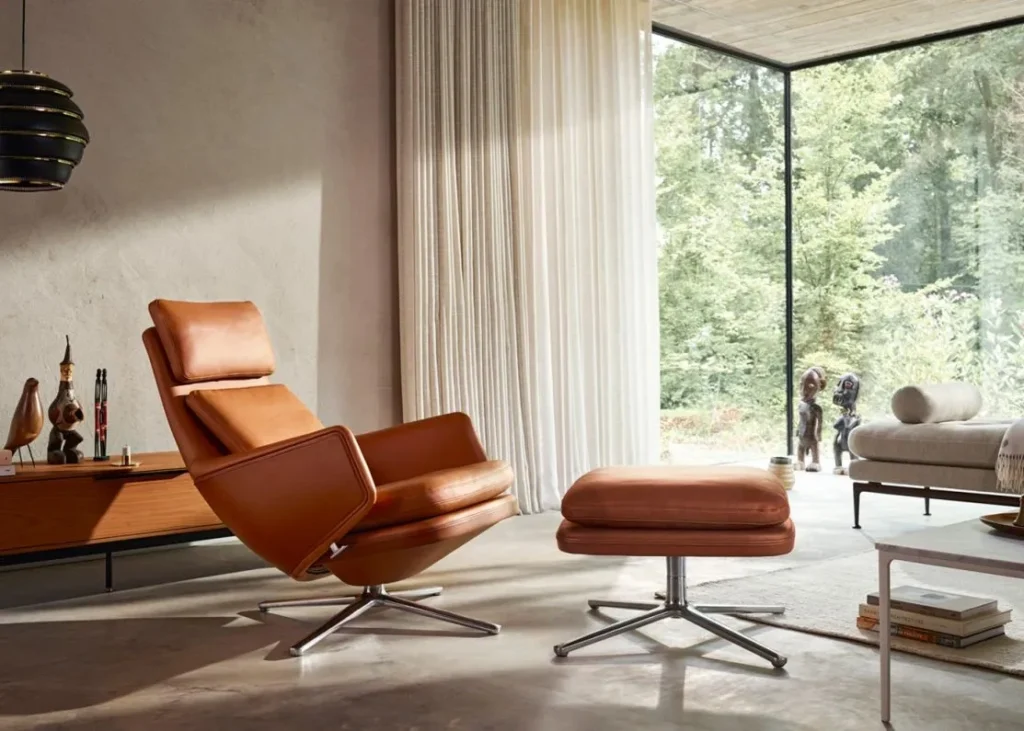
Leather is not static. It evolves. Over time, high-quality leather develops a patina—subtle variations in tone and sheen that reflect its environment and use. This organic transformation is often celebrated in premium leather armchairs, where aging becomes part of the narrative of the piece.
Full-grain and top-grain leathers, commonly specified in luxury armchairs, retain the hide’s natural structure. Rather than deteriorating, they soften and deepen in character. Scratches blend into the surface, and exposure to light enriches coloration. Unlike synthetic alternatives, genuine leather is breathable, adjusting to temperature and becoming more supple over years of use.
Longevity in Performance
From a technical perspective, leather offers impressive durability. According to material science research published by the Leather Research Laboratory, properly treated leather demonstrates high tensile strength and resistance to tearing, making it suitable for both residential and contract applications.
- High abrasion resistance, especially in corrected or protected finishes
- Ease of cleaning, particularly in hospitality settings
- Resistance to pilling, unlike many textiles
- Long lifecycle when conditioned regularly
For high-traffic living rooms or executive lounges, leather armchairs frequently outlast fabric alternatives when properly maintained.
Environmental Sensitivity
However, leather is sensitive to certain environmental conditions. Direct sunlight may cause fading or drying. Low humidity can lead to cracking if conditioning is neglected. In climates with significant seasonal variation, professional care protocols are essential to preserve the integrity of luxury armchairs crafted in leather.
The Appeal of Fabric Upholstery
Textile Innovation and Versatility
Fabric upholstered armchairs offer extraordinary diversity. From natural fibers such as linen, wool, and cotton to performance textiles engineered for stain resistance, fabric opens a vast design vocabulary.
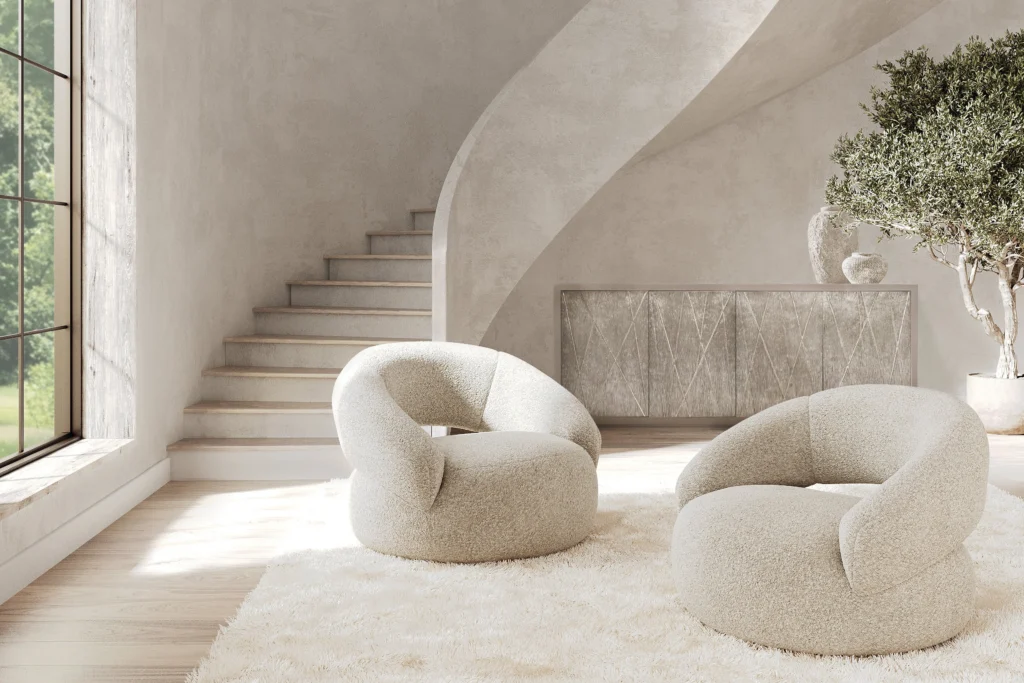
Contemporary luxury armchairs often feature bouclé, velvet, chenille, or high-performance blends designed to withstand commercial use. This versatility allows designers to calibrate color, texture, and acoustic softness within a space.
- Expanded color range beyond natural leather tones
- Acoustic absorption for quieter interiors
- Soft tactile comfort from the first use
- Seasonal adaptability in both warm and cool climates
How Fabric Ages Over Time
Unlike leather, fabric does not develop patina. Its aging is typically defined by wear patterns, fading, or fiber breakdown. In high-use scenarios, upholstered armchairs may exhibit pilling, seam stress, or compression in the padding beneath.
That said, technological advancements have significantly improved longevity. Performance fabrics—particularly those designed for luxury hospitality projects—are engineered to resist staining, UV damage, and abrasion. Many meet or exceed high double-rub counts in durability testing, making them suitable for long-term use.
For professionals specifying luxury armchairs in family homes or boutique hotels, fabric selection is critical. Fiber composition, weave density, and finish treatment determine whether an upholstered armchair will age elegantly or require premature reupholstery.
Leather vs. Fabric: A Comparative Analysis
1. Visual Evolution
Leather armchairs gain character through patina. Fabric upholstered armchairs maintain a more consistent appearance—until visible wear appears. Designers must decide whether they prefer a material that transforms or one that remains visually stable.
2. Maintenance and Care
- Leather armchairs: Require periodic conditioning, minimal vacuuming, and protection from excessive heat or sunlight.
- Upholstered armchairs: Demand regular vacuuming, occasional professional cleaning, and prompt stain treatment.
In households with children or pets, performance textiles may rival leather in practicality. In executive environments, leather often communicates gravitas and refinement.
3. Structural Longevity
When evaluating luxury armchairs, the upholstery is only one factor. Frame construction, suspension systems, and cushion cores influence lifespan significantly. However, leather’s structural integrity generally exceeds that of woven textiles under equivalent conditions.
4. Sensory Experience
The tactile dimension is central to design. Leather armchairs feel cool initially and warm quickly with body temperature. Fabric upholstered armchairs provide immediate softness and often greater breathability in humid climates.
For hospitality designers curating immersive guest experiences, material choice contributes subtly yet powerfully to comfort perception.
5. Sustainability Considerations
Sustainability remains a critical issue for international professionals. Responsibly sourced leather—particularly vegetable-tanned varieties—can be durable and biodegradable. Meanwhile, modern performance textiles increasingly incorporate recycled fibers and low-impact production methods.
The most sustainable luxury armchairs are those designed for longevity. A chair that endures for decades, regardless of material, reduces environmental impact through extended lifecycle.
Context Matters: Residential vs. Hospitality Applications
Private Residences
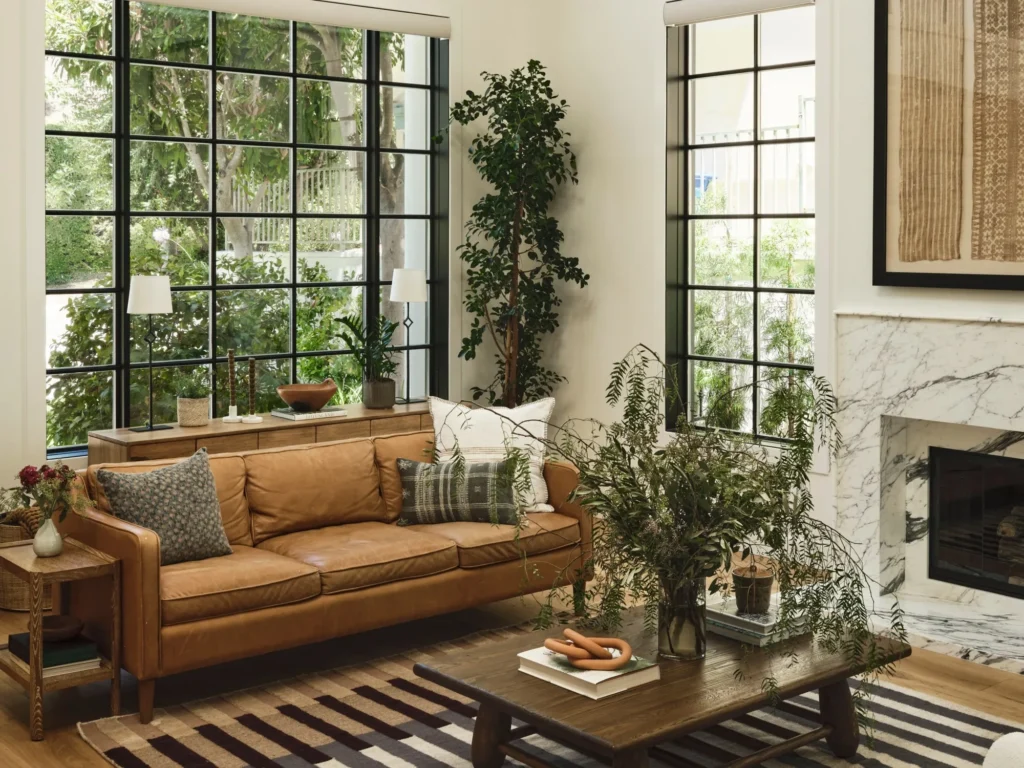
In private homes, leather armchairs often anchor studies, libraries, and living rooms with a sense of heritage. They suit interiors where aging is embraced—townhouses, alpine chalets, contemporary villas.
Fabric upholstered armchairs, conversely, excel in bedrooms, lounges, and layered seating arrangements where softness and color nuance are paramount.
Luxury Hospitality
In boutique hotels and executive suites, durability and maintenance efficiency shape material selection. Many high-end hospitality projects favor treated leather for lobby luxury armchairs due to ease of cleaning and perceived prestige. Guest rooms may feature textile upholstered armchairs to enhance acoustic comfort and visual warmth.
Investment Value and Cultural Perception
There is also a psychological dimension. Leather armchairs are historically associated with craftsmanship, authority, and tradition. Think of classic club chairs in European salons or executive seating in global headquarters. Fabric upholstered armchairs often signal modernity, softness, and residential intimacy.
For high-net-worth individuals building legacy properties, the investment calculus often favors luxury armchairs in premium leather. Their aging narrative can enhance perceived value over time. Conversely, textile pieces may be refreshed through reupholstery, offering design flexibility across decades.
How to Choose: A Strategic Framework
Key Questions for Designers and Specifiers
- What is the expected usage intensity?
- Is visible aging desirable or undesirable?
- What climatic conditions will affect the material?
- How frequently can maintenance be performed?
- Does the project prioritize tradition or innovation?
Answering these questions clarifies whether leather armchairs or fabric upholstered armchairs better align with the project’s vision and operational realities.
Designing for Time
The debate between leather armchairs and fabric upholstered armchairs ultimately centers on philosophy. Leather celebrates transformation; fabric celebrates adaptability. Both can achieve exceptional longevity when thoughtfully specified and meticulously crafted.
For architects, interior designers, and collectors investing in luxury armchairs, the objective is not merely durability—it is enduring relevance. Materials should mature alongside the architecture they inhabit, reflecting both use and intention.
In the most refined interiors, aging is not a flaw but a dialogue between material and time. Whether through the deepening patina of leather armchairs or the tailored elegance of textile upholstered armchairs, the right choice is the one that aligns with the life the space is meant to host.