In the evolving landscape of contemporary luxury interiors, few designers have managed to reinterpret classical elegance with the same intellectual rigor and aesthetic precision as Jean-Louis Deniot. Known for his ability to blend heritage, restraint, and subtle drama, Deniot’s work represents a masterclass in Parisian interior design. His interiors are layered, nuanced, and deeply atmospheric — spaces where tradition and modernity coexist with effortless harmony.
Across private residences, boutique hotels, and prestigious international commissions, Deniot has cultivated a recognizable signature: refined yet approachable, historically informed yet unmistakably contemporary. His work exemplifies layered luxury interior design, where every element — from architecture to textiles — contributes to a carefully orchestrated narrative. Rather than simply recreating historic aesthetics, he reinterprets them, shaping what many now consider a modern benchmark for classical interiors.
For architects, interior designers, and discerning homeowners, the work of Jean-Louis Deniot offers valuable insight into how historical language can be translated into modern spatial experiences. His projects demonstrate that true sophistication lies not in opulence alone, but in composition, balance, and depth.
The Philosophy Behind Jean-Louis Deniot’s Layered Aesthetic
At the core of Jean-Louis Deniot‘s work lies a philosophy rooted in nuance. Rather than adhering strictly to a single historical style, he composes interiors much like a curator assembles a collection — blending periods, materials, and references to create environments rich in texture and meaning.
This approach is deeply aligned with the traditions of Parisian interior design, where heritage architecture often becomes a canvas for contemporary reinterpretation. Deniot approaches each project as an exercise in balance: classical elements provide structure while modern interventions introduce clarity and freshness.
The result is a distinctive form of layered luxury interior design, characterized by:
- Subtle contrasts between antique and contemporary furniture
- Complex yet harmonious color palettes
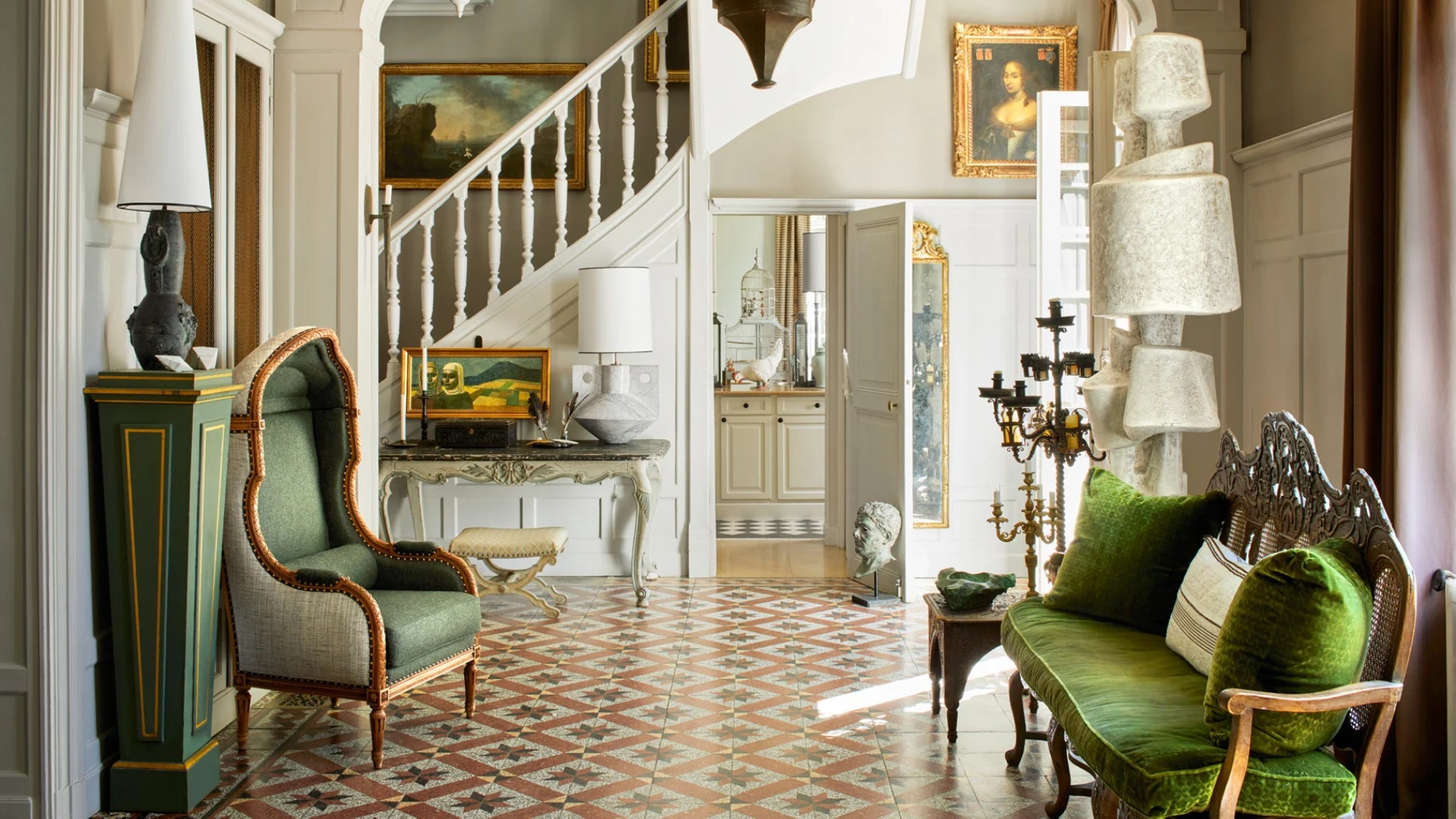
- Rich material compositions including stone, velvet, bronze, and lacquer
- Architectural detailing that respects historical proportions
- Custom-designed furnishings that echo classical geometry
Through these strategies, Jean-Louis Deniot demonstrates that classical interiors can feel timeless rather than nostalgic.
Parisian Roots: The Influence of French Decorative Heritage
Born and educated in Paris, Jean-Louis Deniot developed an early fascination with historical architecture and decorative arts. The city’s layered cultural landscape — from Haussmannian apartments to Art Deco landmarks — profoundly shaped his design vocabulary.
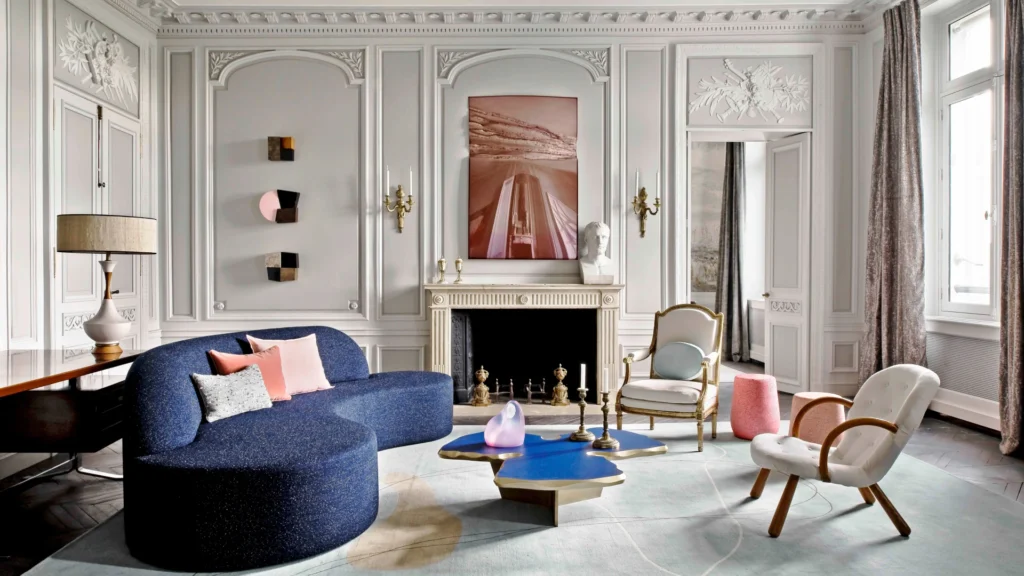
In many of his projects, the principles of Parisian interior design become evident through carefully preserved architectural frameworks. Moldings, boiseries, and grand proportions often remain intact, serving as the structural backbone for contemporary interventions.
Rather than overwhelming these architectural features, Deniot enhances them through restraint. Neutral palettes, sculptural lighting, and tactile surfaces reinforce the elegance of the original framework while introducing a contemporary sensibility.
This dialogue between old and new is a defining characteristic of modern classical interiors. As noted by Architectural Digest, Deniot’s work consistently demonstrates how historic references can be transformed into spaces that feel relevant to contemporary lifestyles.
Layered Luxury: The Art of Composition
The concept of layering sits at the heart of Jean-Louis Deniot‘s design methodology. In contrast to minimalist environments that rely on visual reduction, Deniot builds depth through subtle accumulation.
Each interior becomes a multi-dimensional composition where architecture, furniture, lighting, and art interact in carefully balanced harmony. This philosophy defines his interpretation of layered luxury interior design.
Material Sophistication
Material selection is fundamental to Deniot’s interiors. Natural stone, aged brass, silk textiles, and hand-finished wood surfaces introduce tactile richness without appearing excessive.
This sophisticated material language elevates classical interiors beyond decorative nostalgia, emphasizing craftsmanship and sensory experience.
Subtle Color Narratives
Color palettes within Parisian interior design often favor tonal complexity rather than stark contrasts. Deniot frequently works with layered neutrals — stone gray, ivory, taupe, muted blues, and antique gold.
These tones create calm, atmospheric spaces while allowing architectural features and furniture silhouettes to remain visually prominent.
Custom Furniture as Architectural Elements
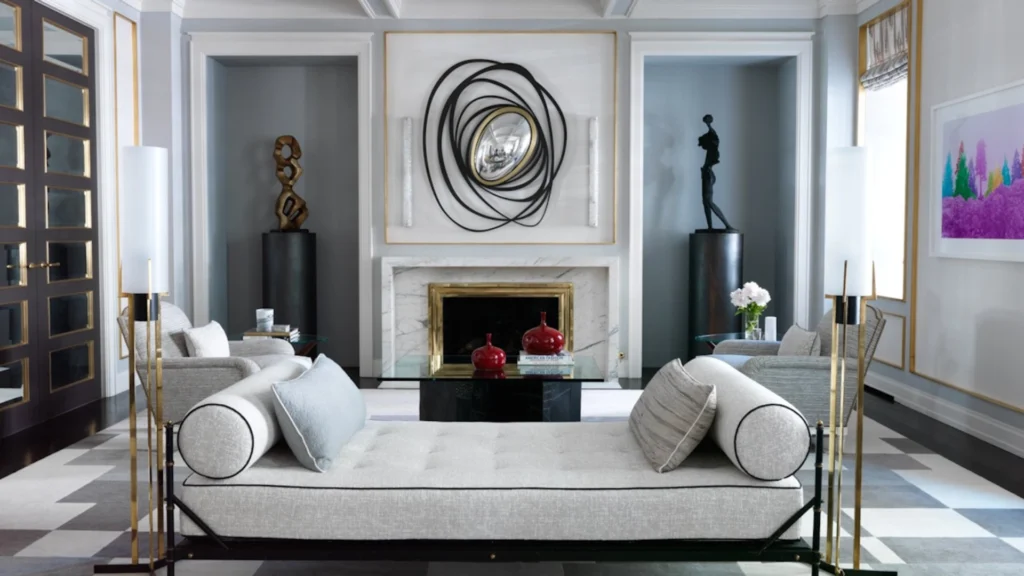
A defining element of Jean-Louis Deniot‘s interiors is the integration of bespoke furniture pieces. Rather than functioning solely as decorative objects, these pieces become architectural extensions within the room.
Curved sofas, sculptural consoles, and monumental lighting fixtures often echo the geometry of the surrounding architecture, reinforcing the coherence of the overall composition.
Global Residences: A Universal Language of Classicism
While deeply rooted in French tradition, the work of Jean-Louis Deniot transcends geography. His projects span New York penthouses, Palm Beach estates, Parisian apartments, and prestigious residences across Asia and the Middle East.
Across these diverse contexts, his interpretation of layered luxury interior design remains consistent: each project is tailored to its cultural and architectural setting while maintaining the refined principles of classical interiors.
This global adaptability has positioned Jean-Louis Deniot as one of the most sought-after figures in contemporary Parisian interior design.
High-net-worth clients are particularly drawn to the sense of timelessness embedded in his work. His interiors avoid fleeting trends, instead emphasizing proportion, craftsmanship, and visual longevity.
Lighting as Atmosphere
Lighting plays a critical role in the layered environments created by Jean-Louis Deniot. Rather than relying on a single dominant fixture, he orchestrates multiple lighting sources to create depth and ambiance.
- Sculptural chandeliers that anchor major spaces
- Custom wall sconces that emphasize architectural lines
- Discreet indirect lighting that highlights textures
- Table lamps that introduce warmth and intimacy
This carefully structured lighting approach enhances the emotional quality of layered luxury interior design, transforming rooms throughout the day as natural light shifts.
The Balance Between Opulence and Restraint
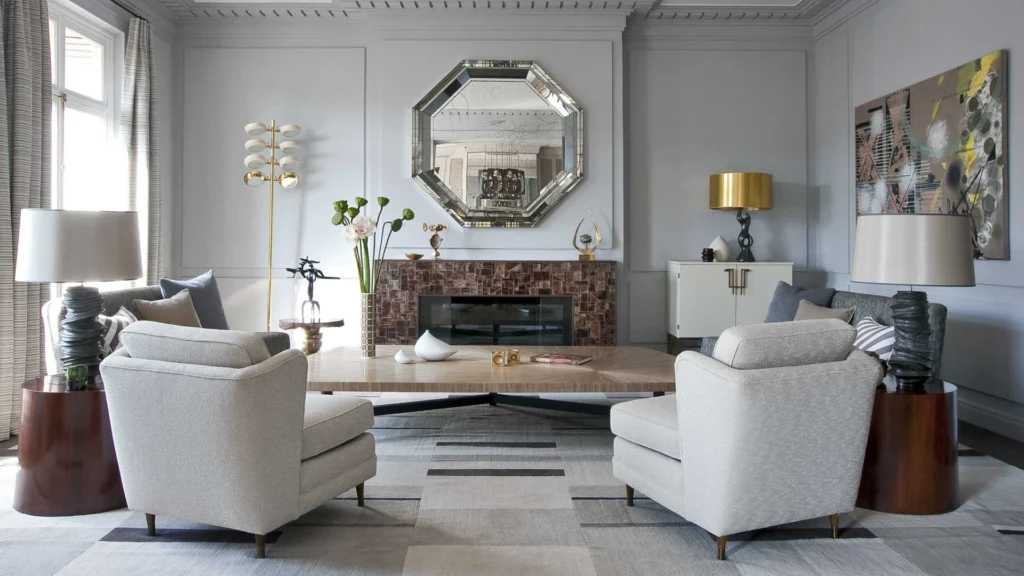
One of the most compelling aspects of Jean-Louis Deniot‘s work is his ability to balance luxury with restraint. While his interiors feature exceptional materials and bespoke craftsmanship, they rarely feel ostentatious.
Instead, the elegance emerges from proportion, symmetry, and carefully edited compositions — hallmarks of sophisticated classical interiors.
This disciplined approach is a defining characteristic of Parisian interior design. It reflects a cultural appreciation for refinement over excess, where beauty is expressed through detail, balance, and craftsmanship.
Lessons for Contemporary Designers
For professionals in architecture and interior design, the work of Jean-Louis Deniot offers several valuable lessons on how historical references can inform contemporary practice.
1. Respect Architectural Frameworks
Rather than competing with existing architecture, Deniot’s interiors enhance it. Moldings, paneling, and ceiling heights become integral components of the overall design composition.
2. Embrace Layered Complexity
Successful layered luxury interior design relies on subtlety. Materials, textures, and forms must interact harmoniously without overwhelming the space.
3. Design for Longevity
The most compelling classical interiors resist the pressures of short-lived trends. By focusing on timeless proportions and craftsmanship, designers can create spaces that remain relevant for decades.
4. Combine Art and Function
Furniture, lighting, and decorative elements should function both practically and aesthetically. In the work of Jean-Louis Deniot, every object contributes to the architectural narrative of the room.
The Enduring Appeal of Reimagined Classicism
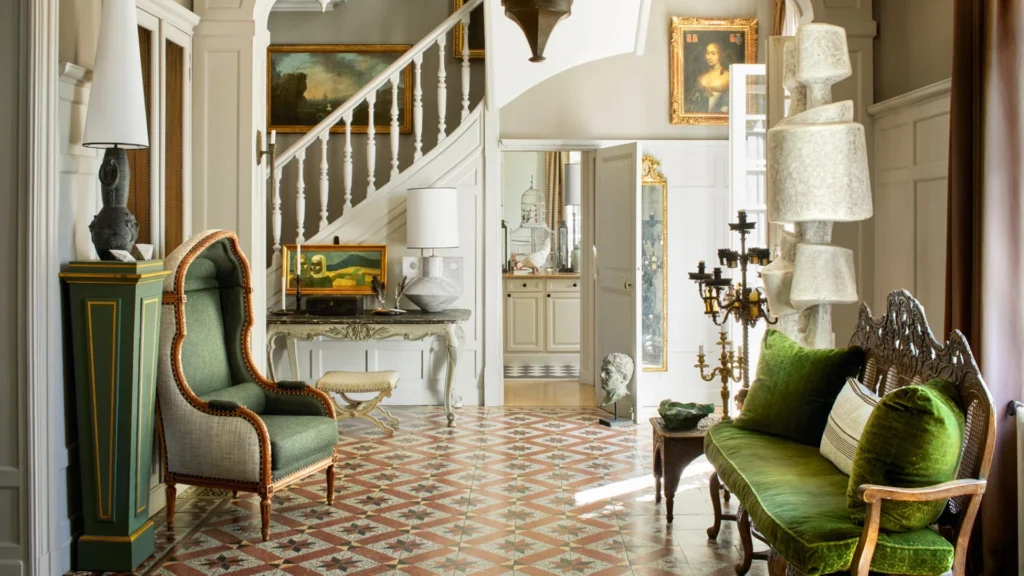
In an era where design trends evolve rapidly, the work of Jean-Louis Deniot demonstrates the lasting power of thoughtful reinterpretation. His interiors prove that classical interiors can evolve, adapting to contemporary lifestyles without losing their sense of heritage.
Through a refined approach to Parisian interior design, Deniot continues to shape a new vision of elegance — one that prioritizes balance, craftsmanship, and layered sophistication.
Ultimately, his work illustrates that layered luxury interior design is not defined by extravagance alone, but by depth, harmony, and the quiet confidence of timeless design.
For designers and discerning homeowners alike, the interiors of Jean-Louis Deniot serve as an enduring reminder that true luxury lies in thoughtful composition — where classical language is not merely preserved, but continually reimagined.