Set along Spain’s sun-drenched Costa del Sol, Marbella has evolved into a sophisticated hub for luxury living, architecture, and interior design. For interior designers, architects, and high-end furniture brands, Marbella offers a compelling mix of Mediterranean heritage, contemporary villas, and globally influenced aesthetics. This Interior Design Travel Guide to Marbella explores where to go, what to study, and how to experience the city through a design-focused lens.
Marbella: A Mediterranean Design Destination
Marbella stands out for its seamless integration of indoor and outdoor living. The region’s climate encourages open layouts, expansive terraces, and fluid transitions between architecture and landscape. Designers who visit quickly notice how natural light, textures, and spatial flow shape every environment.
Unlike more formal European capitals, Marbella embraces a relaxed luxury. Interiors prioritize comfort without sacrificing sophistication, making it a valuable reference point for residential and hospitality projects worldwide.
The Golden Mile: Luxury Living and Architectural Excellence
The Golden Mile represents Marbella’s most prestigious stretch, connecting the city center to Puerto Banús. This area showcases some of the most refined examples of contemporary Mediterranean architecture.
Villas along the Golden Mile often feature:
- Clean geometric forms balanced with warm materials
- Floor-to-ceiling glazing that maximizes natural light
- Neutral palettes accented with organic textures
Interior designers can study how these homes integrate custom furniture, bespoke lighting, and curated art collections. The emphasis on cohesion between architecture and interiors creates spaces that feel intentional and immersive.
Puerto Banús: Glamour and High-End Retail Design
Puerto Banús offers a different perspective—one rooted in glamour and lifestyle branding. This marina district blends luxury retail, hospitality, and residential design into a highly curated environment.
Retail spaces here function as experiential showrooms. Designers should pay attention to:
- High-impact window displays
- Sculptural fixtures and finishes
- Strategic lighting that enhances product presentation
For furniture brands, Puerto Banús provides insight into how physical spaces can elevate brand identity and customer engagement.
Old Town Marbella: Heritage and Texture
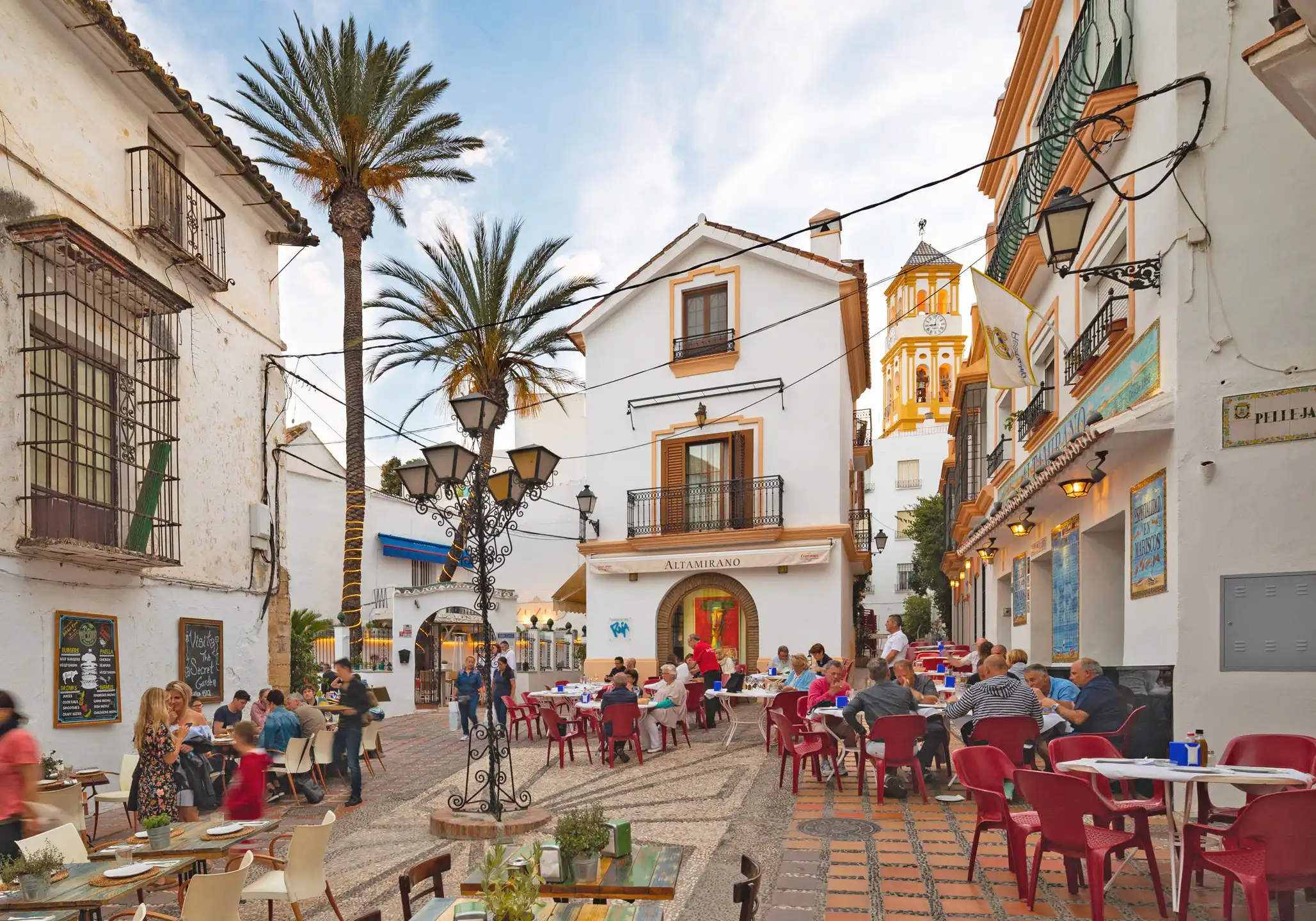
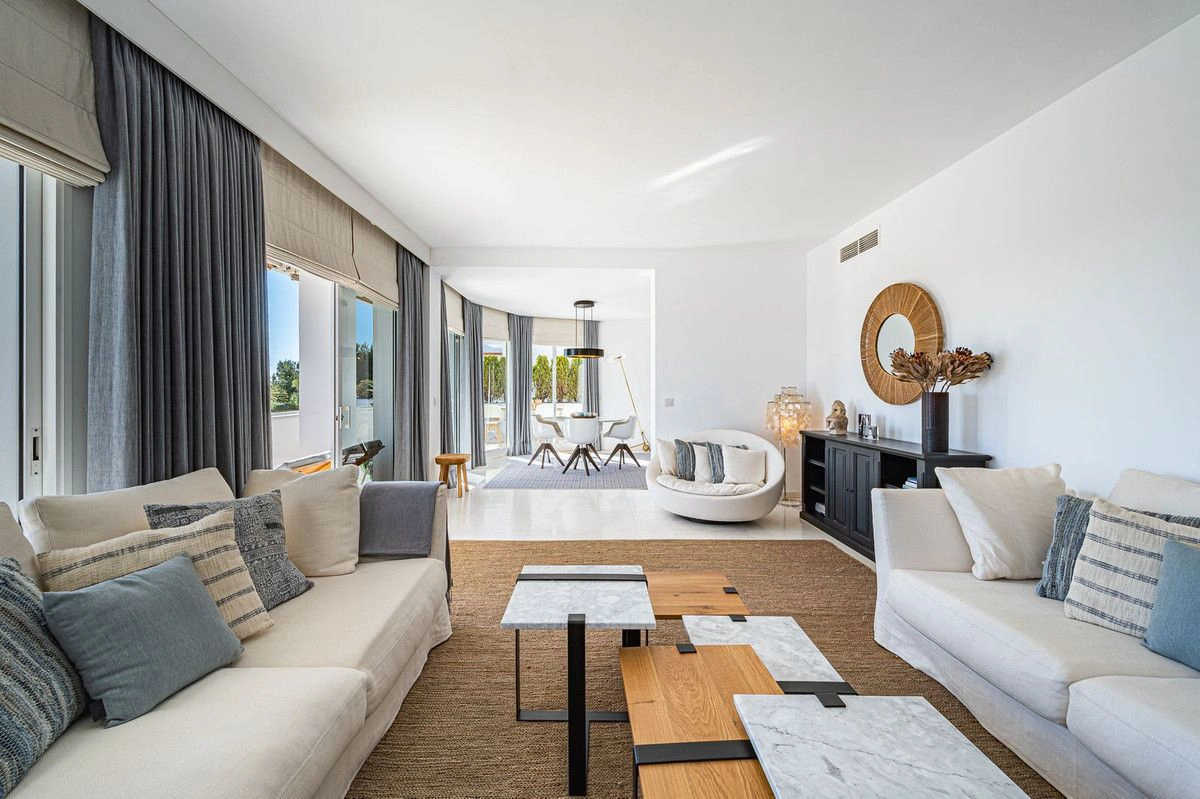
The historic center of Old Town Marbella (Casco Antiguo) offers a rich contrast to the city’s modern developments. Narrow streets, whitewashed walls, and traditional Andalusian details create an intimate and tactile environment.
Key design elements to observe include:
- Handcrafted ceramic tiles
- Wrought iron details
- Wooden doors with aged patina
These features highlight the importance of texture and material authenticity. Many boutique hotels and renovated residences in the Old Town reinterpret these traditional elements in contemporary ways, creating a dialogue between past and present.
Hospitality Design: Boutique Hotels and Beach Clubs
Marbella’s hospitality scene plays a major role in shaping its design identity. From boutique hotels to iconic beach clubs, each space offers a unique interpretation of luxury.
Marbella Club Hotel
Originally a private residence, this property has become a benchmark for Mediterranean luxury. Its interiors combine rustic charm with refined elegance. Expect to see:
- Natural materials like linen, wood, and stone
- Soft, layered color palettes
- Effortless indoor-outdoor transitions
Puente Romano Beach Resort
This resort takes a more contemporary approach while maintaining Andalusian influences. Designers can explore how the property balances vibrant social spaces with serene private areas.
Nikki Beach Marbella
Beach clubs like this one redefine casual luxury. They combine branding, spatial design, and lifestyle experiences into cohesive environments. Notice how furniture layout, textiles, and color palettes contribute to a relaxed yet upscale atmosphere.
Interior Design Studios and Showrooms
Marbella has attracted an international community of designers and studios. Many operate high-end showrooms that cater to luxury residential and hospitality projects.
These spaces often showcase:
- Custom furniture collections
- European and international brands
- Innovative material applications
Designers visiting Marbella should schedule appointments in advance, as many showrooms operate by consultation. This approach allows for deeper engagement with materials, craftsmanship, and sourcing opportunities.
Material Palette: Nature as the Foundation
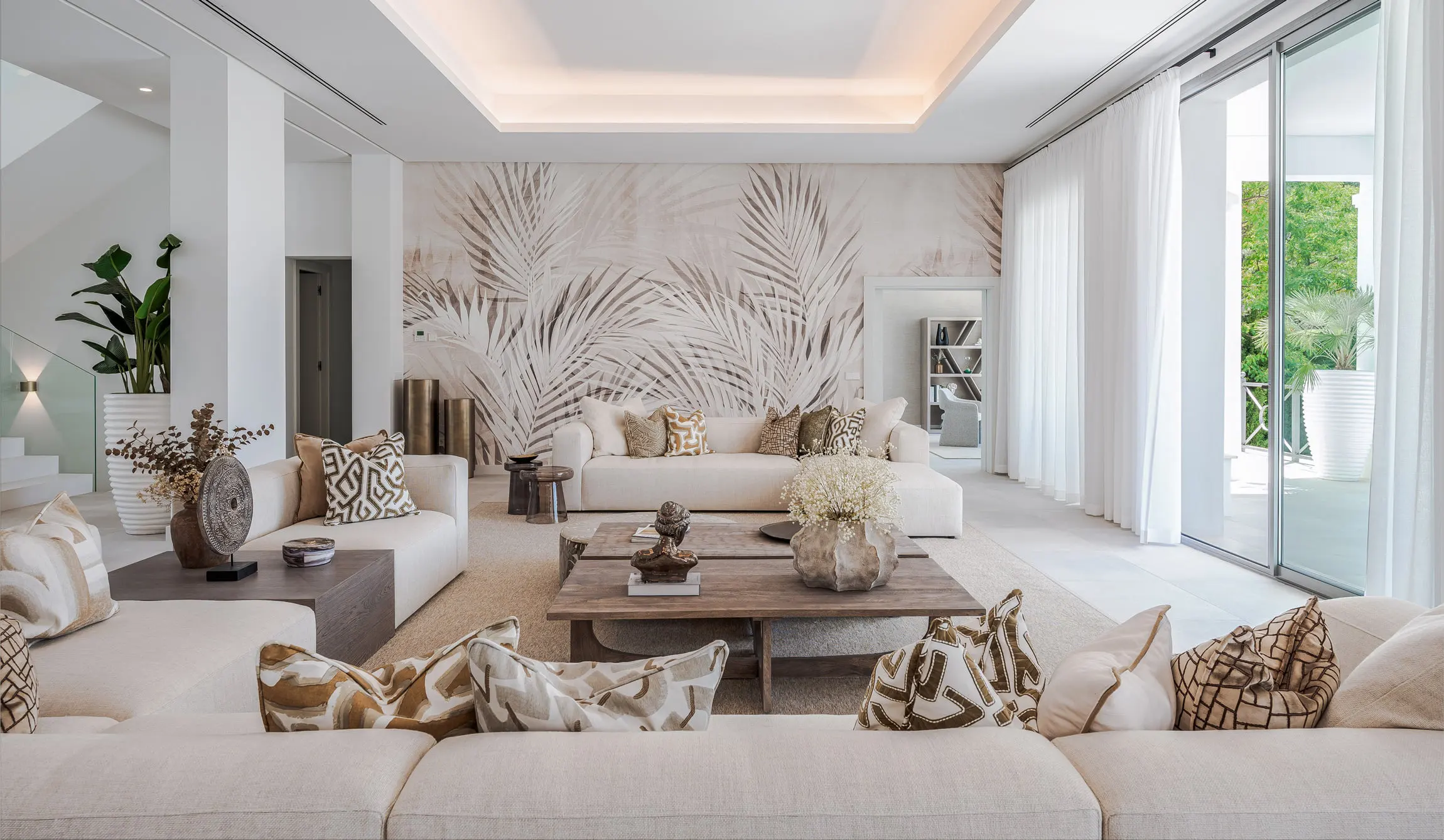
Marbella’s design language draws heavily from its natural surroundings. The Mediterranean landscape influences both color and material choices.
Common materials include:
- Limestone and marble
- Light oak and walnut
- Linen and cotton textiles
- Terracotta and ceramics
Color palettes tend to reflect the environment—soft whites, sandy beiges, muted greens, and ocean blues. These tones create calming interiors that emphasize light and space.
For architects and interior designers, Marbella provides a clear example of how regional context can shape cohesive design narratives.
Landscape and Outdoor Design
Outdoor spaces in Marbella carry as much importance as interiors. Gardens, terraces, and pool areas often function as extensions of the home.
Key elements to study include:
- Pergolas and shaded lounge areas
- Water features and infinity pools
- Integrated lighting for evening ambiance
Furniture selection plays a critical role here. Pieces must balance durability with aesthetic appeal, often featuring weather-resistant materials without compromising on design quality.
Day Trips and Surrounding Areas
While Marbella itself offers extensive inspiration, nearby destinations add further depth to your design exploration.
Benahavís
Known for its hillside villas and panoramic views, this area showcases how architecture adapts to challenging terrain. Designers can observe how elevation influences spatial planning and orientation.
Estepona
Estepona blends traditional Andalusian charm with contemporary development. Its revitalized town center offers colorful streets and thoughtful urban design interventions.
Planning Your Design-Focused Visit
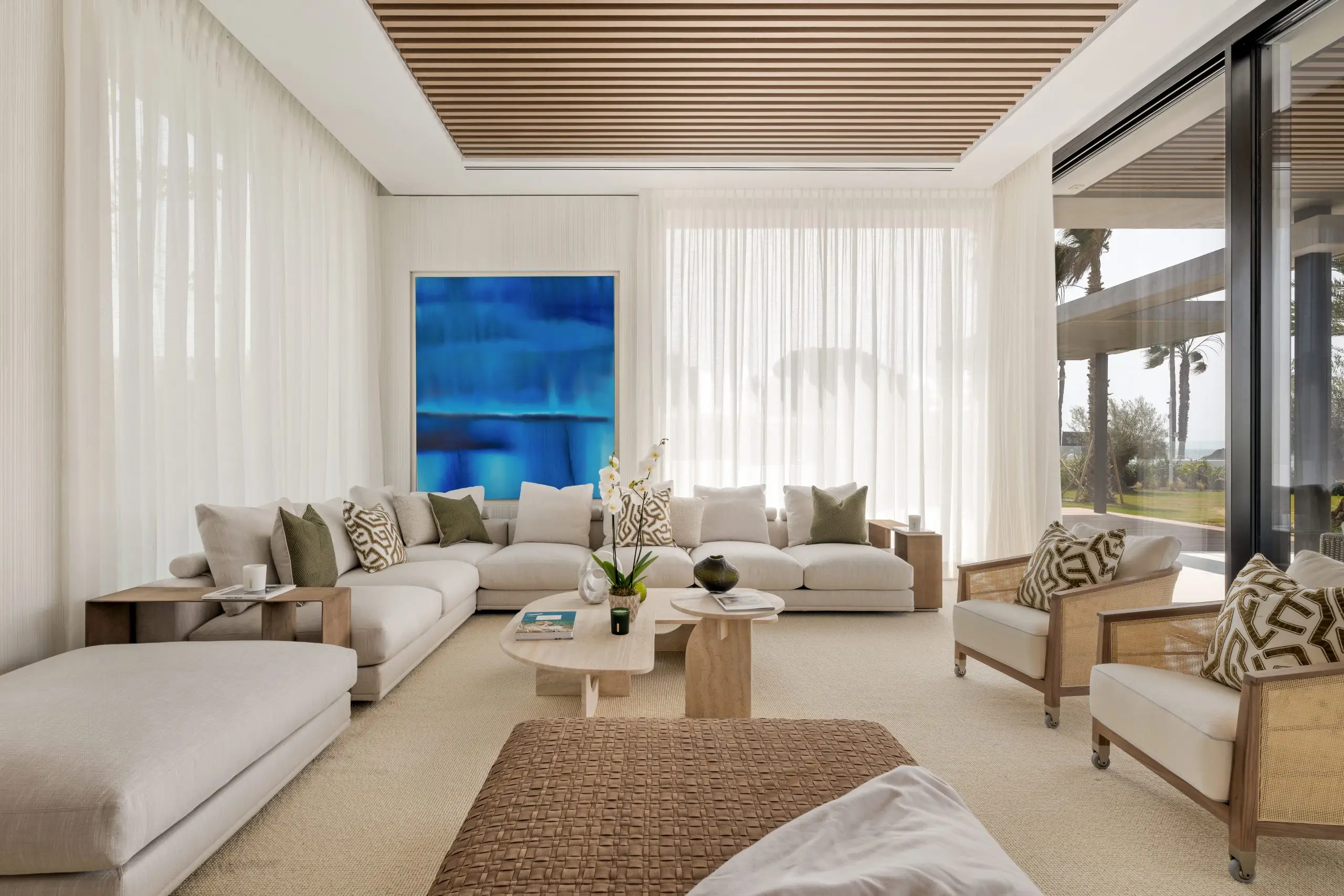
To get the most out of Marbella, approach your trip with intention:
- Spend time in both modern and historic areas
- Visit a mix of residential, hospitality, and retail spaces
- Schedule showroom visits in advance
- Capture details through photography and notes
Allow flexibility in your itinerary. Some of the most valuable insights come from unplanned discoveries—whether it’s a small boutique hotel or a hidden courtyard in the Old Town.
Why Marbella Matters for Design Professionals
Marbella’s appeal lies in its balance. It merges heritage with innovation, relaxation with sophistication, and local identity with global influence. For interior designers, architects, and luxury brands, this creates a dynamic environment where ideas evolve naturally.
This Interior Design Travel Guide to Marbella highlights a destination that continues to shape modern Mediterranean design. Whether you’re sourcing materials, exploring spatial concepts, or refining your aesthetic direction, Marbella offers a rich and immersive experience that extends far beyond its coastline.