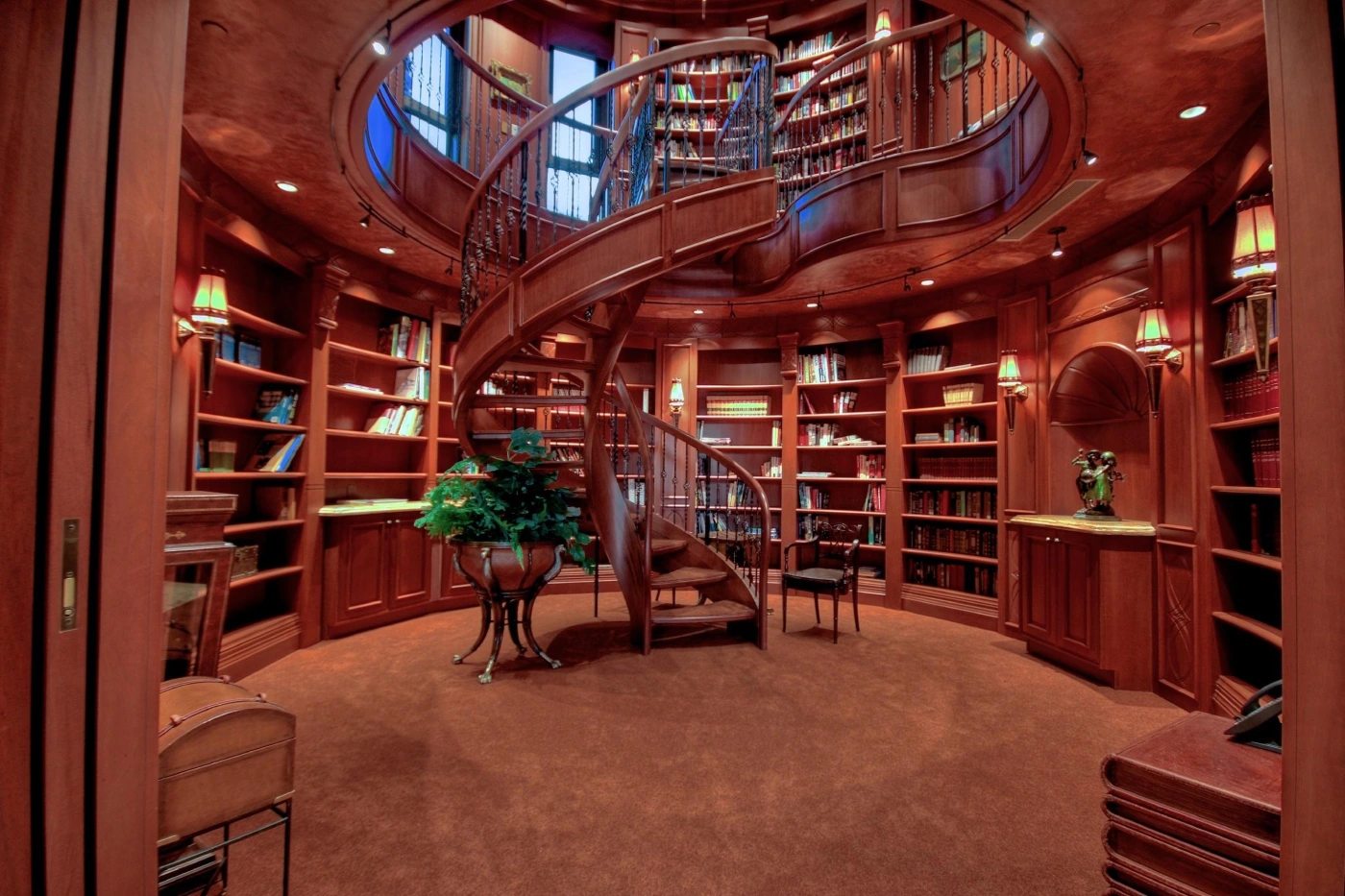

Interior design for luxury homes increasingly embraces private libraries as defining elements of refined living. These spaces go far beyond functionality, becoming intimate environments that reflect intellect, culture, and personal identity. In high-end residences, a library is not an afterthought but a carefully curated destination within the home. Moreover, it allows designers to explore spatial layering, material richness, and atmospheric lighting in a highly controlled setting. As lifestyles evolve, private libraries are re-emerging as symbols of quiet luxury, offering both retreat and sophistication within contemporary residential design.
Architectural Planning of Private Libraries
Designing a private library within a luxury home requires careful spatial planning. Key considerations include:
- Strategic placement to ensure privacy and minimal disruption
- Integration with adjacent spaces such as studies or lounges
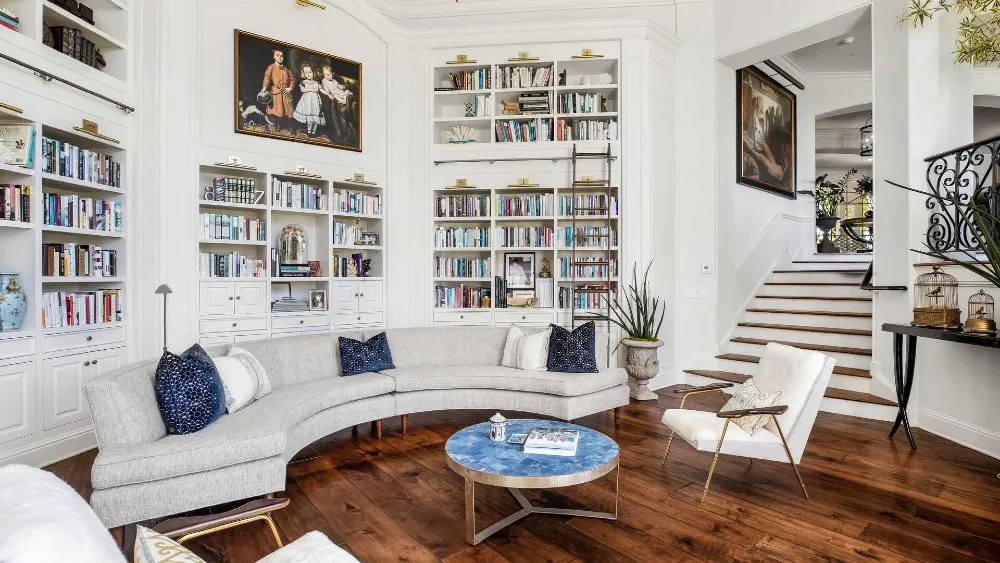
- Vertical shelving systems that maximize ceiling height
- Controlled natural light to protect books while enhancing ambiance
- Clear circulation paths that support both movement and comfort
These decisions ensure that the library functions efficiently while maintaining a strong architectural identity within the overall residence.
Spatial Experience and Atmosphere
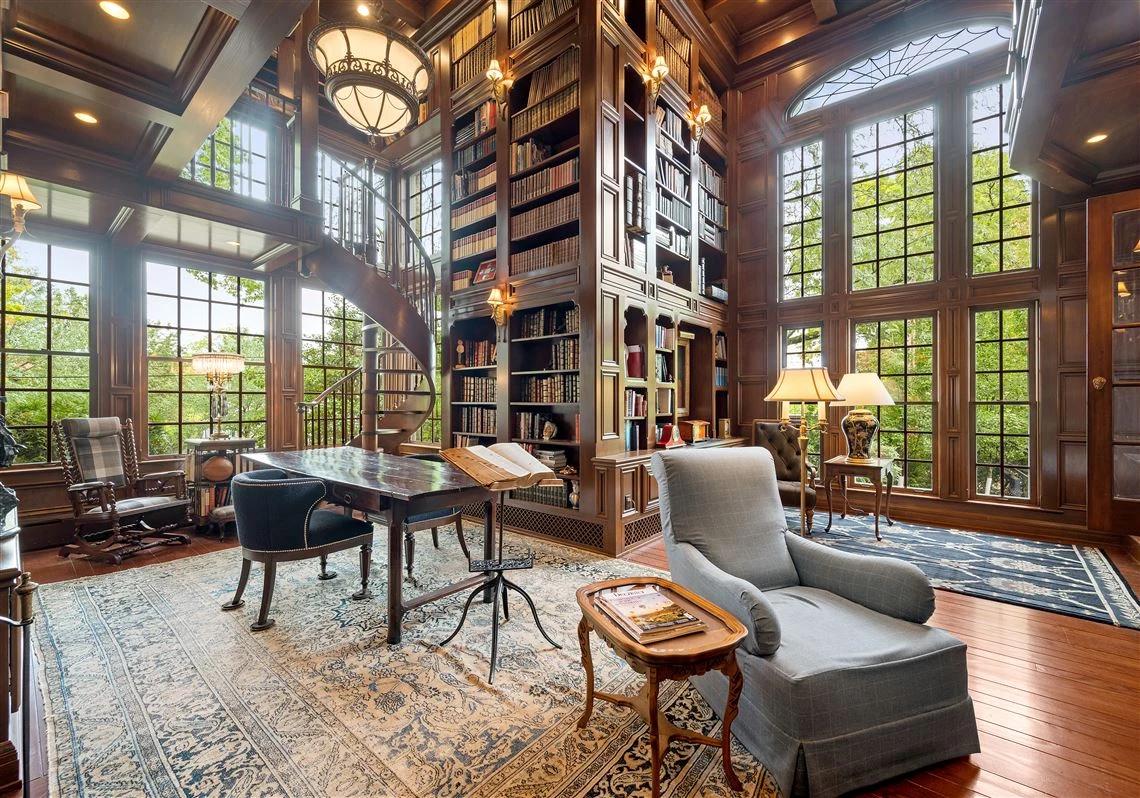
The spatial experience of a private library is defined by its ability to evoke calm and focus. In interior design for luxury homes, libraries are often conceived as cocoon-like environments that provide a sense of retreat. Proportions are carefully calibrated to balance intimacy with openness, ensuring comfort without confinement. Additionally, the layering of shelving, seating, and architectural features creates depth and rhythm. This careful orchestration allows the library to feel immersive and composed, offering a quiet contrast to more social areas of the home.
Material Selection and Craftsmanship
Material selection is essential in establishing the tone of a private library. Designers typically emphasize:
- Rich wood paneling such as walnut or oak for warmth and depth
- Leather surfaces that introduce tactile refinement
- Natural stone accents that provide subtle contrast
- Custom joinery that ensures precision and continuity
- High-quality textiles that enhance comfort and softness
Together, these materials create a cohesive environment that reflects durability, elegance, and a strong sense of craftsmanship.
Interior Design for Luxury Homes with Bespoke Libraries
Bespoke solutions are fundamental when integrating libraries into interior design. Each space must respond to the client’s collection, habits, and aesthetic preferences. Custom shelving is designed to accommodate varying book sizes while maintaining visual consistency. Moreover, integrated features such as reading niches, concealed storage, and display areas enhance usability without disrupting the design language. This level of customization ensures that the library feels personal and intentional, transforming it into a space that supports both function and identity within the home.
Furniture and Layout Strategies
Furniture selection within private libraries must support both comfort and visual harmony. Designers often focus on:
Ergonomic seating that encourages extended reading sessions
Statement desks that anchor the room visually
Accent tables that provide functional layering
Built-in seating that integrates seamlessly with shelving
Flexible layouts that adapt to different uses
These strategies ensure that furniture complements the architecture while enhancing the overall usability of the space.
Lighting Design for Private Libraries
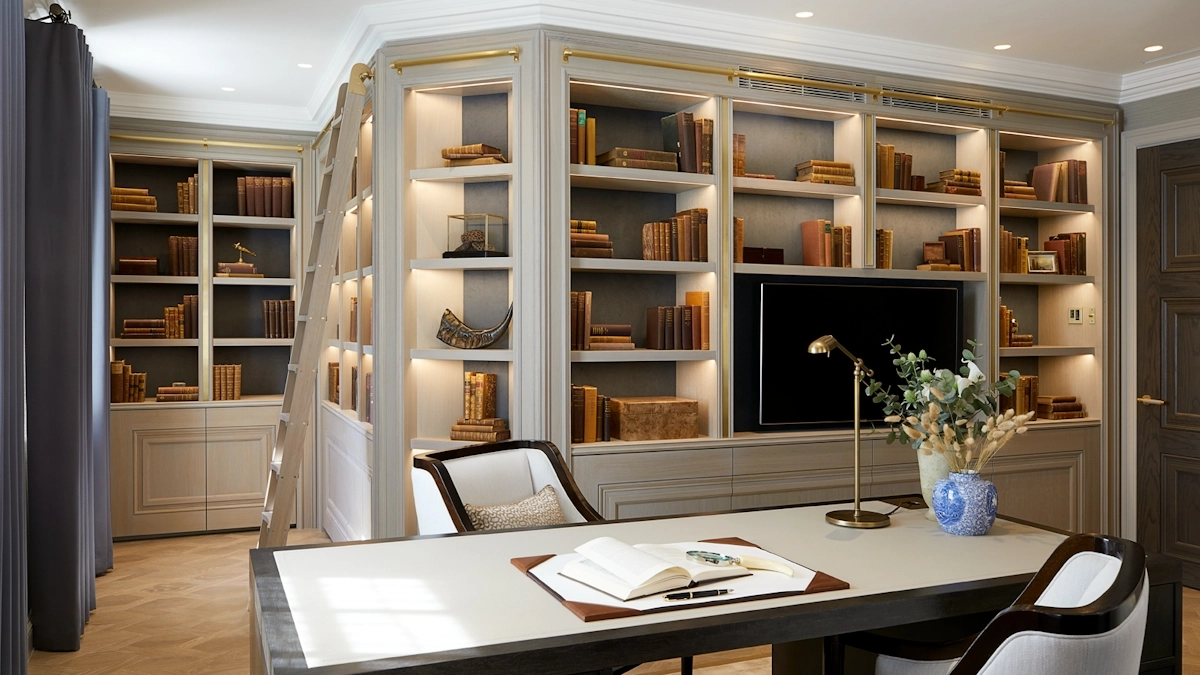
Lighting is a defining element in shaping the atmosphere of private libraries. In luxury interiors, a layered approach is essential to achieve both functionality and ambiance. Ambient lighting establishes a soft, even glow, while task lighting ensures visual comfort for reading. Accent lighting highlights architectural features and book collections, adding depth and focus. Natural light is carefully filtered to protect materials while enhancing spatial quality. This thoughtful combination allows the library to transition effortlessly throughout the day, maintaining a consistent sense of warmth and refinement.
Interior Design for Luxury Homes and Texture in Libraries
Texture plays a crucial role in elevating private libraries beyond functional spaces. Designers often incorporate:
- Layered textiles such as wool, velvet, and linen
- Textured wall finishes that add visual richness
- Contrasting materials to create subtle variation
- Handcrafted details that introduce authenticity
- Soft furnishings that enhance comfort and depth
These elements work together to create a multidimensional environment, where tactile and visual qualities enrich the overall experience.
Integrating Technology Discreetly
Modern private libraries often incorporate advanced technology while preserving a timeless aesthetic. Designers typically prioritize subtle integration to maintain visual clarity. Concealed systems allow for enhanced functionality without disrupting the overall design language. Whether through hidden speakers or integrated lighting controls, technology is seamlessly embedded into the space. This approach ensures that the library remains a place of calm and focus, while still meeting the expectations of contemporary living. Ultimately, technology supports the experience rather than dominating it.
Creating a Personal Narrative
Private libraries provide a unique opportunity to express personal identity within luxury homes. Designers curate books, objects, and artworks to reflect the client’s interests and experiences. The arrangement of these elements is carefully considered, ensuring balance and cohesion. Moreover, the inclusion of personal artifacts adds depth and meaning to the space. This narrative approach transforms the library into more than a functional room, allowing it to become a reflection of the individual’s lifestyle, values, and intellectual pursuits.
Acoustic Comfort and Privacy
Acoustic quality is essential in creating a serene library environment. Designers often focus on the following elements:
- Sound-absorbing materials such as rugs and upholstered furniture
- Thick walls that minimize external noise
- Strategic placement away from high-traffic areas
- Use of drapery to enhance acoustic softness
- Enclosed layouts that promote a sense of quiet
These strategies ensure that the library remains a peaceful and focused retreat, ideal for reading, reflection, and concentration.
The Role of Libraries in Contemporary Luxury Living
Private libraries are increasingly relevant in modern luxury homes, reflecting a shift toward more intentional living. Rather than purely decorative spaces, they serve as environments for focus, creativity, and relaxation. Designers are reimagining libraries to accommodate multiple functions, from reading to informal meetings. This adaptability ensures that the space remains relevant over time. Additionally, the emphasis on craftsmanship and materiality aligns with broader trends in luxury design, where quality and authenticity are prioritized over excess.
Conclusion
The concept of interior design for luxury homes continues to evolve through the integration of private libraries that combine craftsmanship, spatial intelligence, and personal expression. These spaces demonstrate how thoughtful design can transform a functional requirement into a defining feature of the home. As luxury living becomes more personalized, private libraries will remain central to creating environments that feel both refined and meaningful. For designers and architects, they offer an opportunity to explore depth, texture, and narrative, shaping interiors that resonate on both aesthetic and experiential levels.