

Ilse Crawford: Redefining Human-Centered Design
In the world of contemporary interior design, few names resonate as deeply as Ilse Crawford. Known for her human-centered approach, Crawford has created environments that transcend mere aesthetics, placing comfort, emotion, and atmosphere at the forefront of design. Her work has shaped not only private residences but also hospitality, retail, and cultural spaces across the globe, making her a defining figure for architects, designers, and tastemakers.
Who is Ilse Crawford?
Ilse Crawford is a British designer, academic, and creative director whose influence spans decades. Starting her career as the founding editor of Elle Decoration UK, Crawford transitioned into design practice, founding her studio, Studioilse, in 2001. Since then, she has become an authority in crafting spaces and objects that prioritize human experience over trends, setting new standards for how design interacts with daily life.
Ilse Crawford’s Design Philosophy
At the core of Crawford’s work lies the belief that design is about people. She champions a holistic approach that prioritizes well-being, sensory experience, and emotional resonance. Rather than treating interiors as static showcases, she views them as living, breathing ecosystems where people should feel nurtured and inspired.
- Human-Centered Focus: Every project is tailored to how people use, inhabit, and emotionally connect with a space.
- Emphasis on Materials: Natural, tactile, and timeless materials form the backbone of her aesthetic.
- Atmosphere over Ornament: She prioritizes mood and comfort over decorative excess.
- Sustainability and Longevity: Her designs reject fleeting trends, instead embracing durability and meaning.
Notable Works by Ilse Crawford
Crawford’s portfolio is as diverse as it is influential, spanning residences, hotels, restaurants, and cultural institutions. Each project reflects her commitment to creating meaningful, immersive experiences.
1. Ett Hem Hotel, Stockholm
Perhaps her most celebrated project, Ett Hem is a former arts-and-crafts house transformed into a boutique hotel. Crawford designed it to feel like a home rather than a hotel, with intimate spaces, communal dining tables, and cozy corners. The result is an atmosphere of understated luxury that invites guests to relax and connect.
2. Duddell’s, Hong Kong
A cultural and social destination, Duddell’s combines a Michelin-starred restaurant with an art gallery. Crawford curated the interiors to merge Cantonese tradition with modern sophistication, blending art, food, and design seamlessly.
3. Cathay Pacific Lounges, Hong Kong
In her work for Cathay Pacific, Crawford redefined what an airport lounge could be. By introducing natural materials, residential-style furnishings, and ambient lighting, she created havens of calm for travelers—a stark contrast to the stress of modern airports.
4. IKEA Collaborations
Her collaboration with IKEA brought her philosophy to the masses. Collections such as Sinnerlig feature cork, glass, and other tactile materials, demonstrating how accessible design can still elevate everyday life.
Style and Inspirations
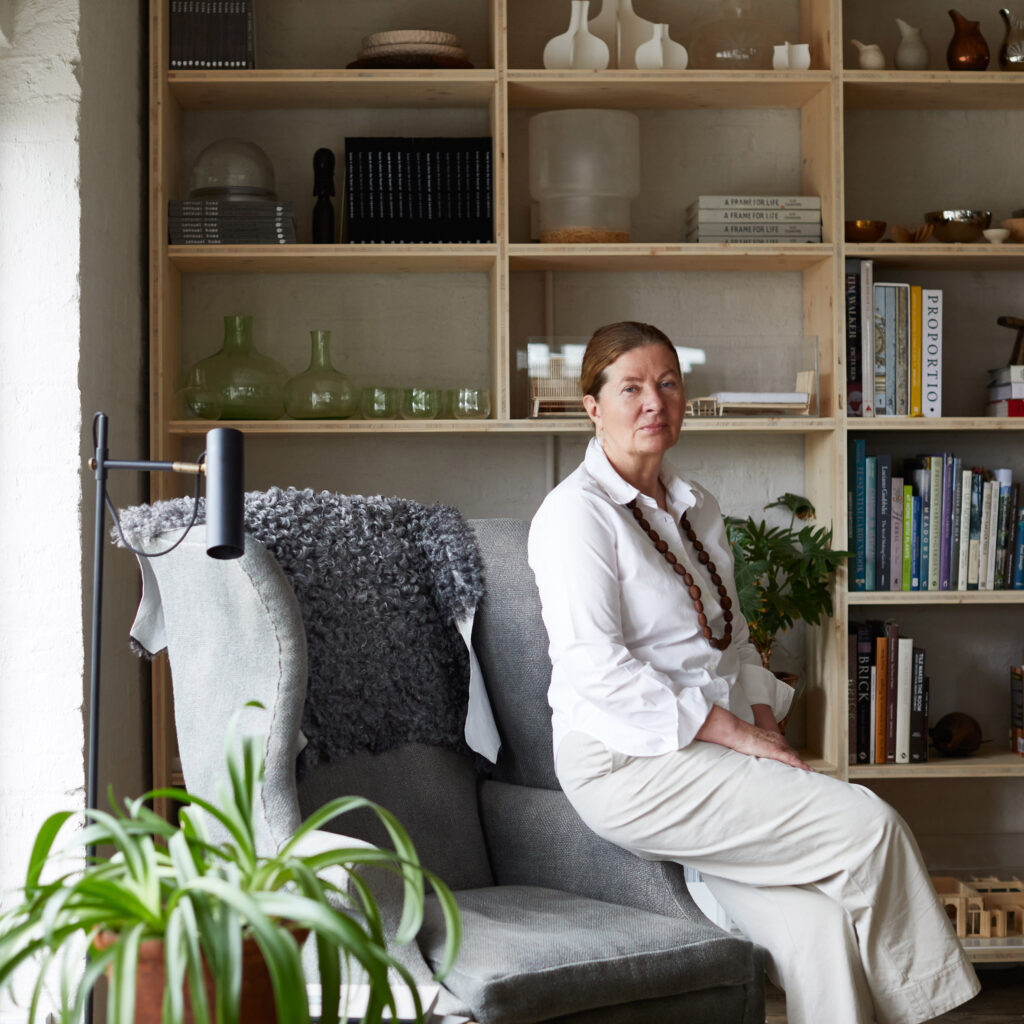
Crawford’s signature style can be described as understated, warm, and deeply sensory. She often draws inspiration from everyday rituals, cultural heritage, and the human need for belonging. This results in spaces that feel both refined and intimate.
- Neutral Palettes: Earthy tones dominate her interiors, fostering calm and balance.
- Tactile Experiences: From linen to leather, Crawford emphasizes touch as much as sight.
- Natural Light: Her designs maximize daylight, creating atmospheres that shift with time.
- Cultural Storytelling: Projects are often informed by local traditions and history.
Impact on Contemporary Design
Ilse Crawford has played a pivotal role in reshaping how we think about interiors. By bridging the gap between functionality and emotion, she has influenced not only luxury spaces but also everyday environments. Her work exemplifies how design can elevate lifestyles, encourage social interaction, and support mental well-being.
What Designers Can Learn from Ilse Crawford
For architects, interior designers, and real estate developers, Crawford’s approach offers valuable lessons:
- Prioritize People: Always consider the human experience first, not just visual impact.
- Design for Longevity: Choose materials and solutions that endure physically and emotionally.
- Create Atmospheres: Think beyond furniture and layout—focus on mood, light, and sound.
- Respect Context: Every space should reflect its cultural and geographic setting.
Ilse Crawford’s Influence Beyond Interiors
Crawford’s vision extends beyond physical spaces. Through her academic work at Design Academy Eindhoven, where she founded the Man and Well-being department, she has shaped future generations of designers. Her thought leadership has influenced industries from hospitality to retail, leaving a legacy that blends creativity, sustainability, and humanity.
Conclusion: The Lasting Legacy of Ilse Crawford
Ilse Crawford continues to inspire a global audience of professionals and design enthusiasts. Her humanistic philosophy proves that design is not only about what we see but also how we feel, interact, and belong. In an age where luxury often risks being detached from reality, Crawford’s work reminds us that true sophistication lies in creating spaces that embrace life itself.
Key Takeaways
- Ilse Crawford’s work prioritizes human experience, well-being, and atmosphere.
- Her portfolio spans hospitality, cultural institutions, retail, and collaborations with global brands.
- Her design philosophy emphasizes sustainability, materiality, and emotional resonance.
- Her influence extends beyond interiors, shaping education and thought leadership in design.
A Name That Defines Human-Centered Luxury
For those seeking inspiration in crafting timeless, meaningful, and human-centered spaces, Ilse Crawford stands as a guiding force. Her approach is a reminder that the ultimate measure of design is not only in how it looks but in how it makes us feel.