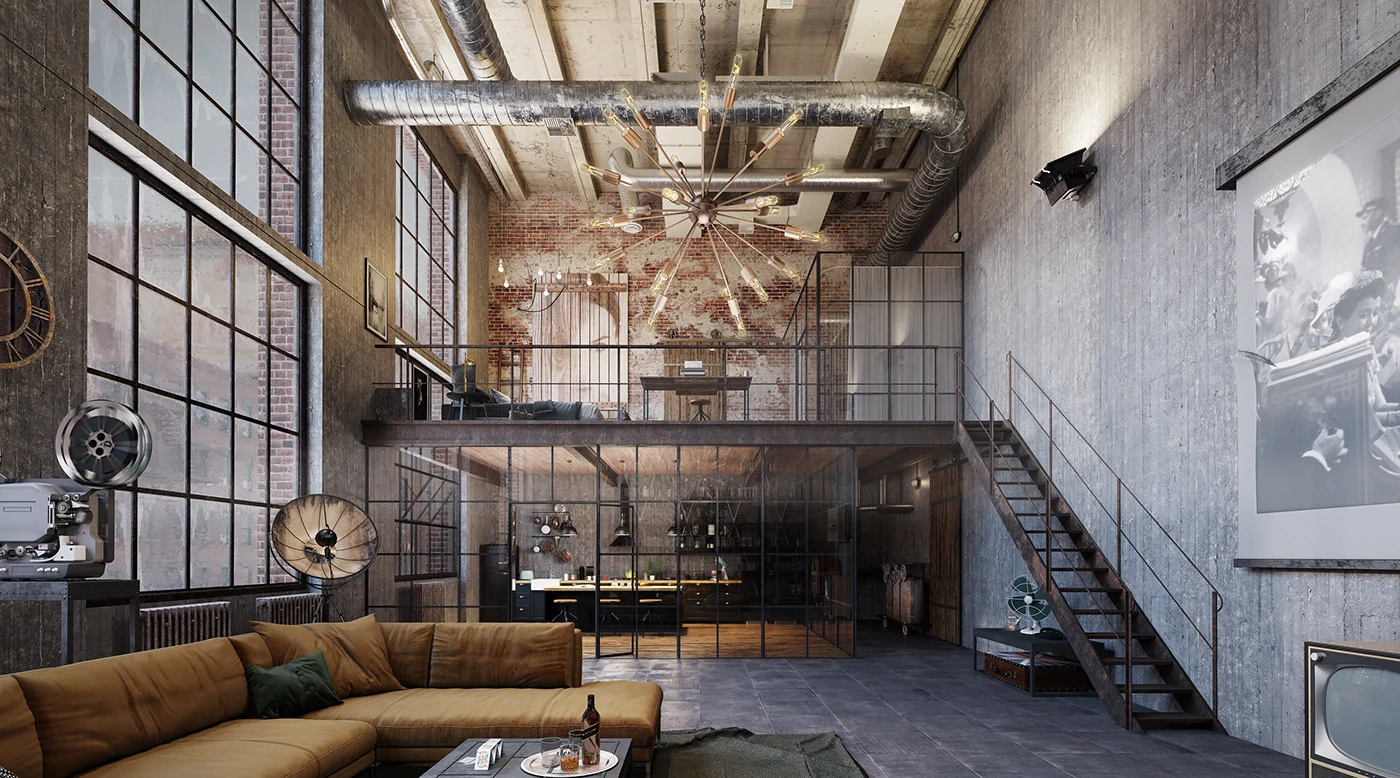

Industrial-Style Lofts in New York City represent one of the most influential spatial typologies in contemporary design. What began as a pragmatic reuse of abandoned factories has evolved into a global benchmark for luxury living, shaping the language of interior design, architecture, and high-end real estate.
For interior designers, architects, and furniture brands, New York’s lofts are more than residences—they are case studies in adaptive reuse, material authenticity, and spatial innovation. From cast-iron buildings in SoHo to expansive warehouse conversions in Tribeca, these environments continue to define the essence of industrial luxury.
The Origins of Industrial-Style Lofts in NYC
Industrial-style lofts emerged in the mid-20th century when artists began occupying vacant manufacturing buildings across Lower Manhattan. These structures, originally built in the late 19th and early 20th centuries, featured large open floors, high ceilings, and robust structural systems designed for production—not habitation.
Neighborhoods like SoHo were once dense industrial zones filled with cast-iron warehouses and factories. As industry declined, these spaces became underutilized, eventually attracting creatives who valued scale, affordability, and natural light.
By the 1970s and 1980s, this movement catalyzed a broader transformation. What started as informal live-work spaces evolved into a recognized residential typology—one that now commands some of the highest prices in the global real estate market.
Defining Characteristics of Iconic Industrial-Style Lofts
The most iconic Industrial-Style Lofts share a consistent architectural DNA, rooted in their utilitarian origins:
- Expansive open floor plans with minimal internal partitions
- Ceiling heights often exceeding 12–20 feet
- Exposed structural elements, including steel beams, columns, and ductwork
- Original materials such as brick walls, cast iron, and timber
- Oversized industrial windows that maximize daylight penetration
These features create a spatial language that feels both raw and refined—an ideal canvas for high-end interior design interventions.
SoHo: The Birthplace of Loft Culture
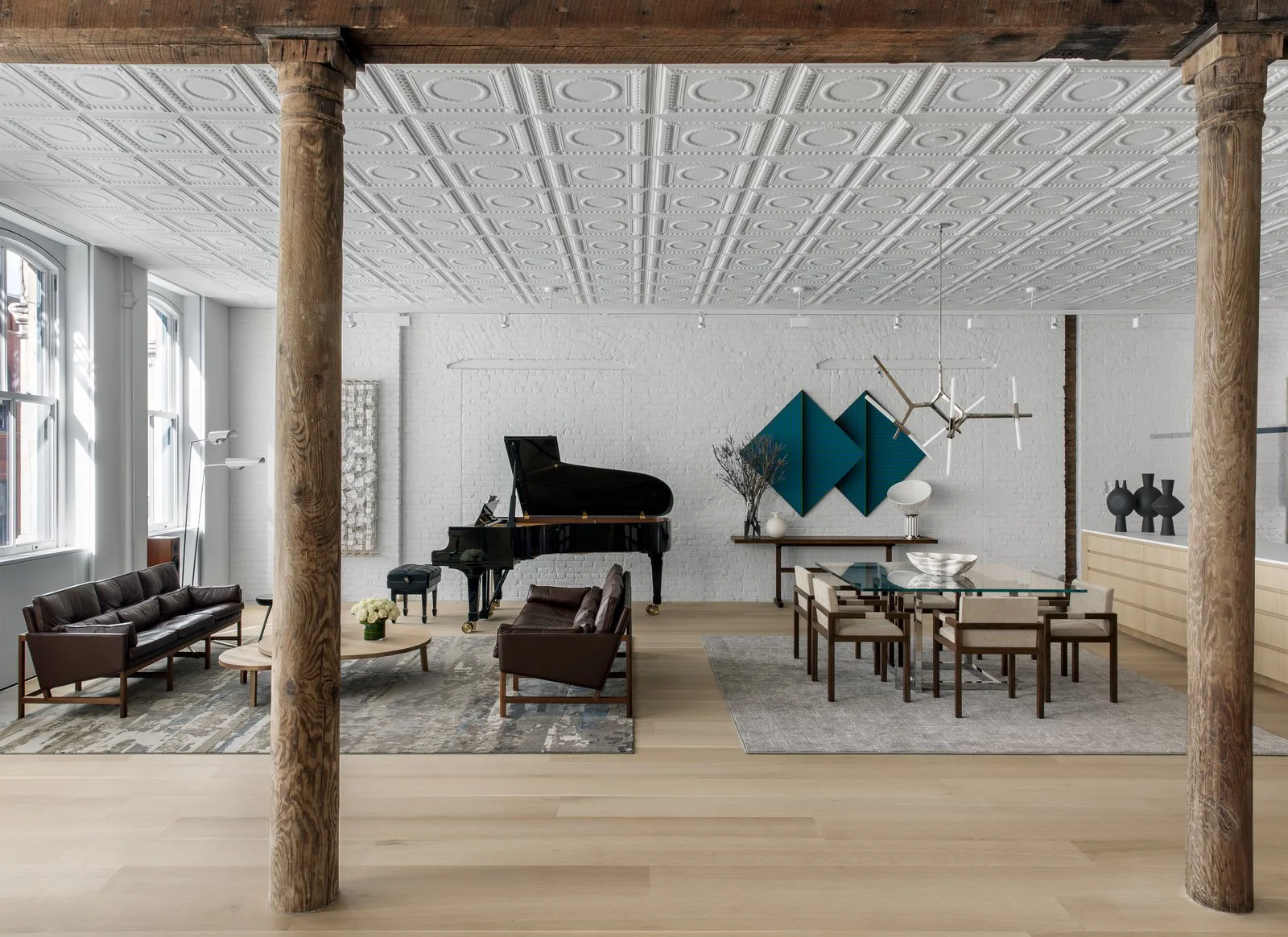
SoHo remains the most iconic district for Industrial-Style Lofts. Its historic cast-iron buildings, many dating back to the 1800s, define the visual identity of New York loft living.
Cast-Iron Architecture and Adaptive Reuse
SoHo’s architectural fabric is dominated by cast-iron facades—an innovation that allowed for large window openings and flexible interior layouts. These structures transitioned seamlessly into residential use, preserving their industrial integrity while accommodating modern lifestyles.
Many of the most sought-after lofts in SoHo feature:
- Full-floor residences in landmarked buildings
- Original columns and fireproof construction systems
- Minimal structural alterations, maintaining authenticity
The district’s designation as a historic area in 1973 ensured the preservation of these buildings, reinforcing their status as design icons.
Tribeca: Industrial Heritage Meets Ultra-Luxury
If SoHo established the loft typology, Tribeca elevated it to a new level of exclusivity.
Originally a hub for textile and warehouse industries, Tribeca features some of the largest and most structurally expressive loft buildings in Manhattan.
Mansion-Scale Loft Living
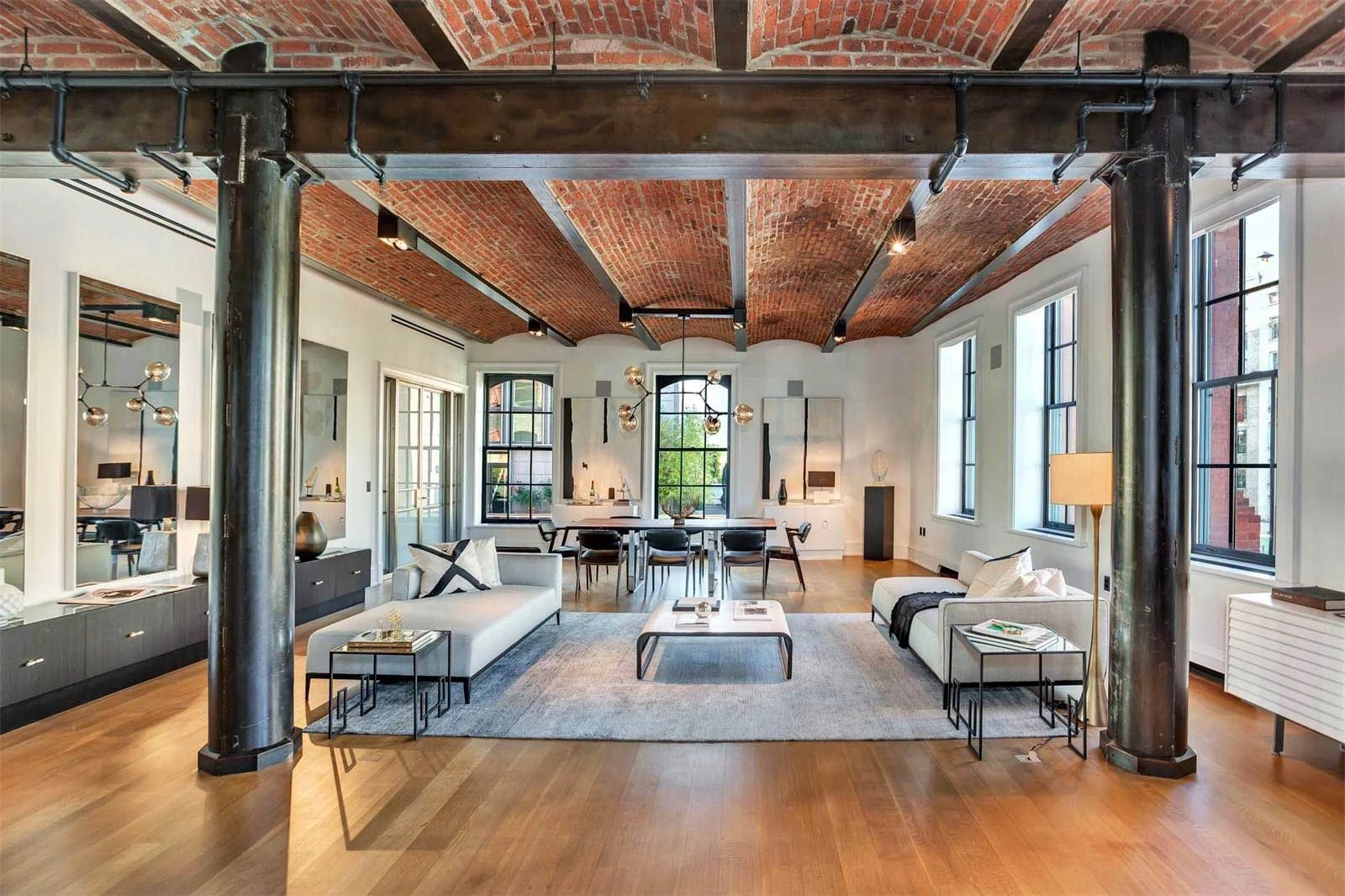
One standout example is the loft at 140 Franklin Street, where a single residence can span an entire floor, including a 100-foot-long living space with exposed steel beams and oversized windows.
Tribeca lofts often include:
- Multi-wing layouts within a single unit
- Custom millwork integrated into historic shells
- High-end materials layered over industrial frameworks
This fusion of raw structure and refined detailing defines contemporary luxury loft design.
The Roebling Building: Industrial Authenticity Preserved
Among Tribeca’s most notable structures, the Roebling Building exemplifies authentic industrial architecture.
Originally a warehouse for wire rope manufacturing, the building features:
- A classic brick façade with arched windows
- Robust structural systems designed for heavy industrial use
- Spatial proportions ideal for loft conversion
Its preservation highlights the enduring appeal of industrial materials and construction logic in modern residential design.
Beyond Manhattan: Expanding the Loft Typology
While SoHo and Tribeca remain the epicenters, Industrial-Style Lofts have expanded into neighborhoods like Chelsea and parts of Brooklyn. These areas reinterpret the typology through both historic conversions and new-build “soft lofts.”
However, the most iconic examples remain tied to original industrial structures—where authenticity cannot be replicated but only preserved and enhanced.
Why Industrial-Style Lofts Remain Design Icons
1. Spatial Freedom and Flexibility
Lofts offer unparalleled adaptability. Designers can define zones without traditional walls, using furniture, lighting, and material transitions to articulate space.
This flexibility aligns with contemporary demands for hybrid living—where residential, work, and social functions coexist seamlessly.
2. Material Authenticity
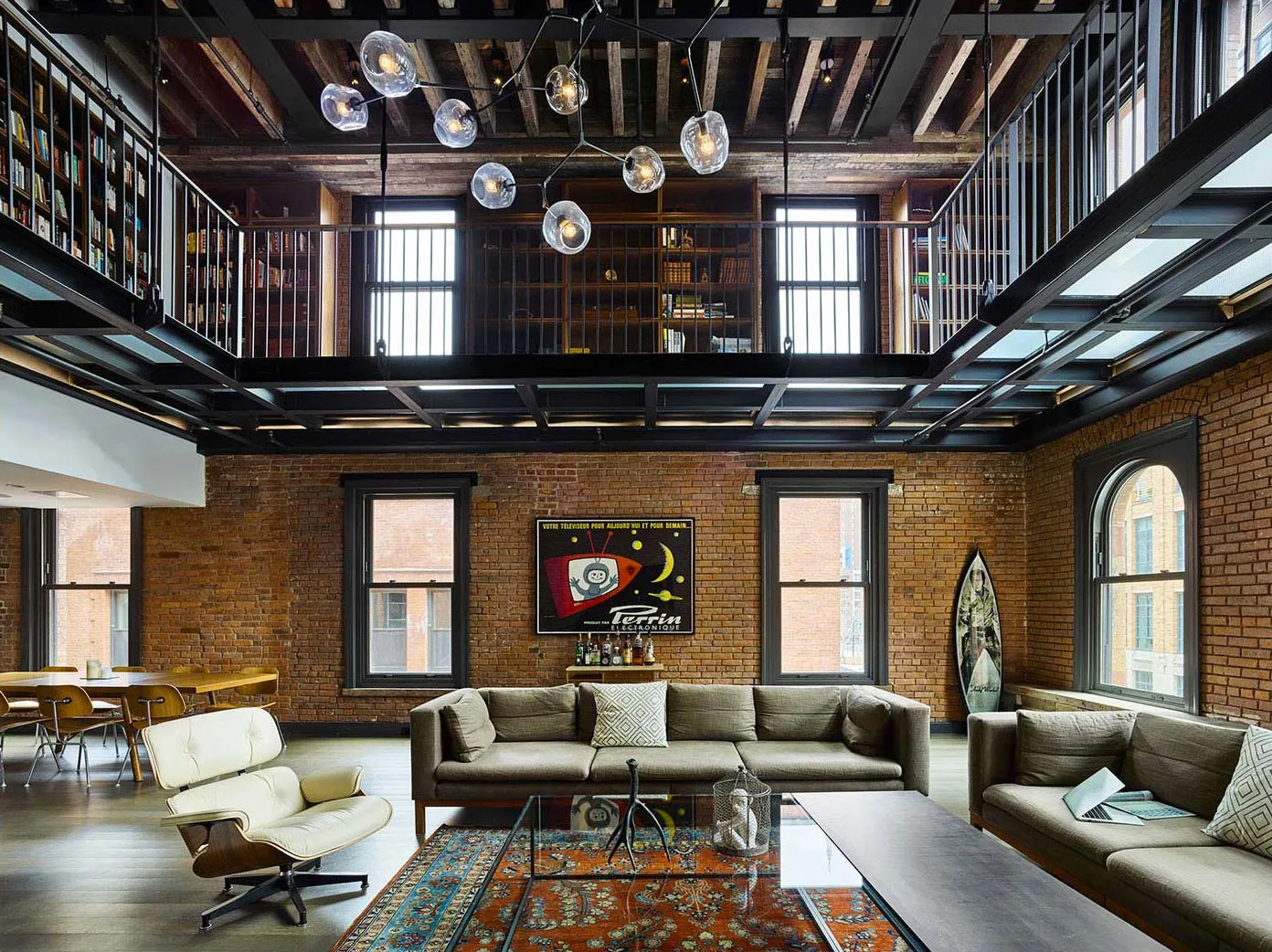
The appeal of Industrial-Style Lofts lies in their honesty. Exposed brick, aged timber, and visible steel structures create a tactile richness that contrasts with overly polished interiors.
For furniture brands, this context elevates the importance of material selection—each piece must stand up to the architectural character of the space.
3. Light and Volume
Large industrial windows and open volumes create dynamic lighting conditions throughout the day. This interplay of light and shadow enhances textures and reinforces spatial depth.
Architects often preserve these original apertures, recognizing their critical role in defining the loft experience.
The Evolution of Industrial Luxury
Today’s Industrial-Style Lofts balance preservation with innovation. While maintaining original architectural elements, designers integrate:
- Advanced climate systems
- Custom-built kitchens and millwork
- Smart home technologies
This evolution reflects a broader trend: industrial aesthetics no longer signify rawness alone—they now represent curated, high-performance environments.
In neighborhoods like Tribeca, this transformation has driven property values to the top tier of the global market, with lofts becoming synonymous with exclusivity and architectural prestige.
The Enduring Influence on Global Design
The impact of New York’s Industrial-Style Lofts extends far beyond the city. From London to Milan to Los Angeles, designers continue to reference:
- Open-plan layouts
- Exposed structural elements
- Adaptive reuse strategies
Yet the original New York loft remains unmatched in authenticity. Its cultural and architectural origins—rooted in necessity and creativity—give it a depth that cannot be easily replicated.
Industrial Beauty in NYC
The most iconic Industrial-Style Lofts in New York City are not defined by a single building or address, but by a collective architectural language born in SoHo and refined in Tribeca.
For interior designers, architects, and luxury design studios, these spaces continue to serve as a benchmark for spatial innovation, material authenticity, and timeless appeal. As the demand for meaningful, character-driven environments grows, the legacy of New York’s industrial lofts remains not only relevant—but essential.