

In an era defined by visual saturation and accelerated living, a quieter, more contemplative design language has emerged. At the forefront of this movement is a philosophy that privileges tactility over spectacle, restraint over excess, and material intelligence over formal novelty. This approach—often described as material-driven calm—has found one of its most eloquent expressions in the work of Norm Architects. Through their influence on contemporary seating design, they have reshaped how chairs, sofas, and lounge pieces are conceived, experienced, and inhabited.
For architects, interior designers, and discerning collectors, contemporary seating design is no longer merely about ergonomics or aesthetics. It is about emotional resonance, longevity, and cultural relevance. In this context, minimalist furniture design becomes a vessel for calm, offering spaces a sense of grounded elegance that transcends trends.
The Philosophy of Material-Driven Calm
Material-driven calm is not a style—it is an attitude. It begins with an understanding that materials possess intrinsic emotional qualities. Wood conveys warmth and memory; stone suggests permanence and gravity; textiles soften, absorb sound, and invite touch. Norm Architects have consistently explored these qualities, allowing materials to guide form rather than imposing form upon them.
This philosophy aligns closely with Scandinavian humanism, where design is measured not by visual impact alone but by how it supports everyday life. In contemporary seating design, this translates into pieces that feel intuitive, balanced, and quietly expressive.
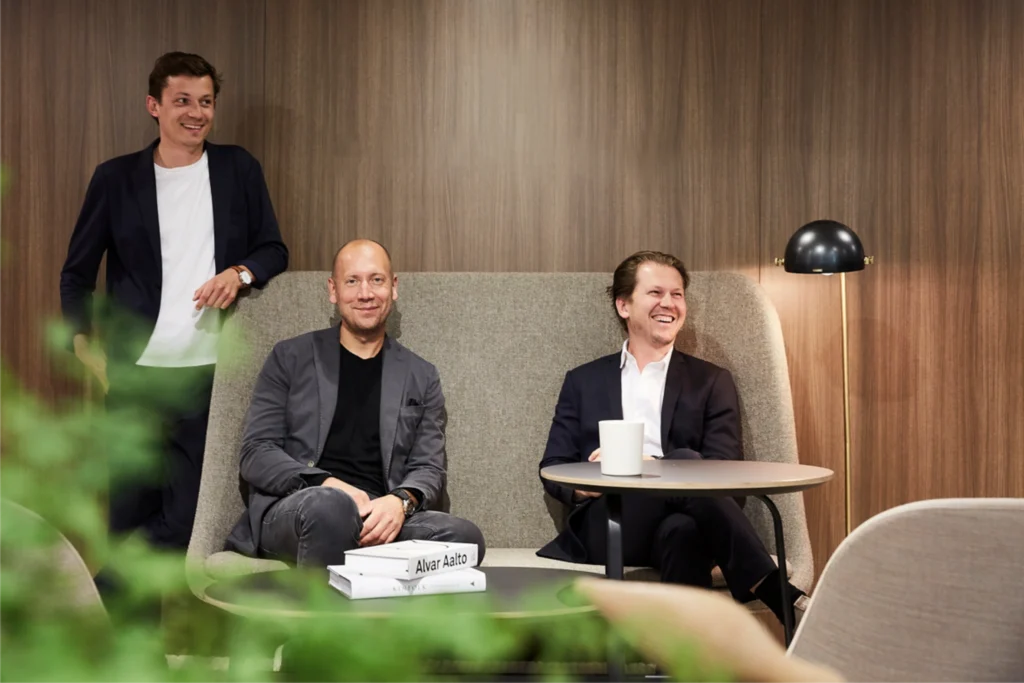
Why Calm Matters in Contemporary Interiors
As residential and hospitality interiors increasingly blur into hybrid environments—homes that function as workplaces, hotels that feel like private residences—calm has become a functional requirement. Seating, in particular, plays a central role in shaping these experiences.
- Psychological comfort: Calm forms reduce cognitive fatigue.
- Material honesty: Authentic textures create trust and familiarity.
- Timelessness: Minimalist furniture design resists visual aging.
Norm Architects and the Evolution of Contemporary Seating Design
Norm Architects have become a reference point for contemporary seating design precisely because they resist excess. Their work demonstrates how reduction can be emotionally rich rather than austere. Seating elements are stripped of superfluous gestures, allowing proportion, joinery, and material transitions to take precedence.
Rather than designing objects to be noticed, they design objects to be lived with. This subtlety has profoundly influenced how contemporary seating design is approached across residential, hospitality, and commercial interiors.
From Object to Atmosphere
One of the most significant contributions of Norm Architects to minimalist furniture design is the idea that seating should contribute to atmosphere, not dominate it. Chairs and sofas are conceived as architectural components—quiet anchors within a spatial composition.
This approach encourages designers to think beyond isolated products and instead consider how contemporary seating design interacts with light, acoustics, and spatial rhythm.
Material Intelligence as a Design Driver
At the core of Norm Architects’ influence lies an exceptional sensitivity to materials. Their projects demonstrate how material selection is not a decorative afterthought but the starting point of design.
Wood, Upholstery, and the Language of Touch
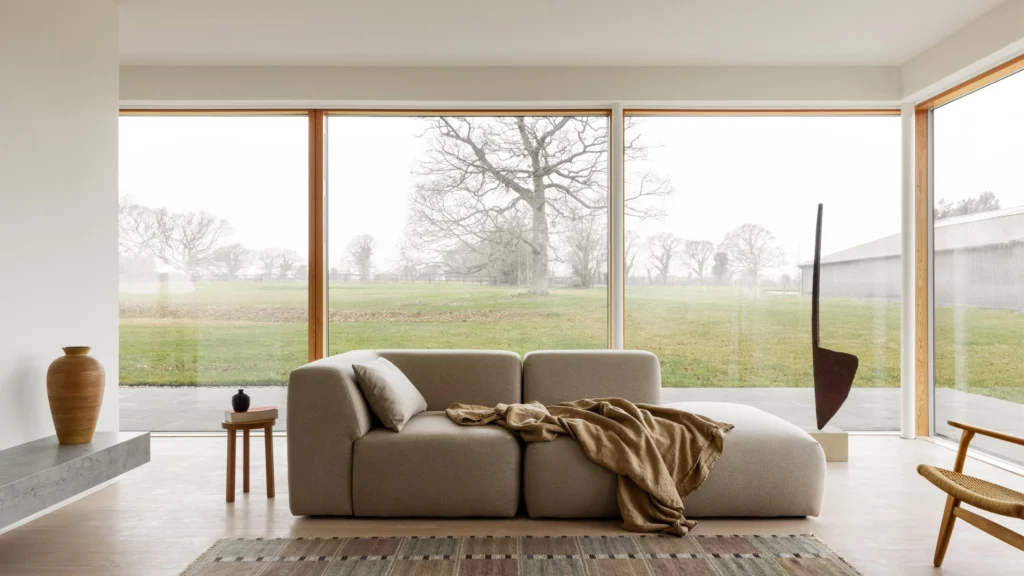
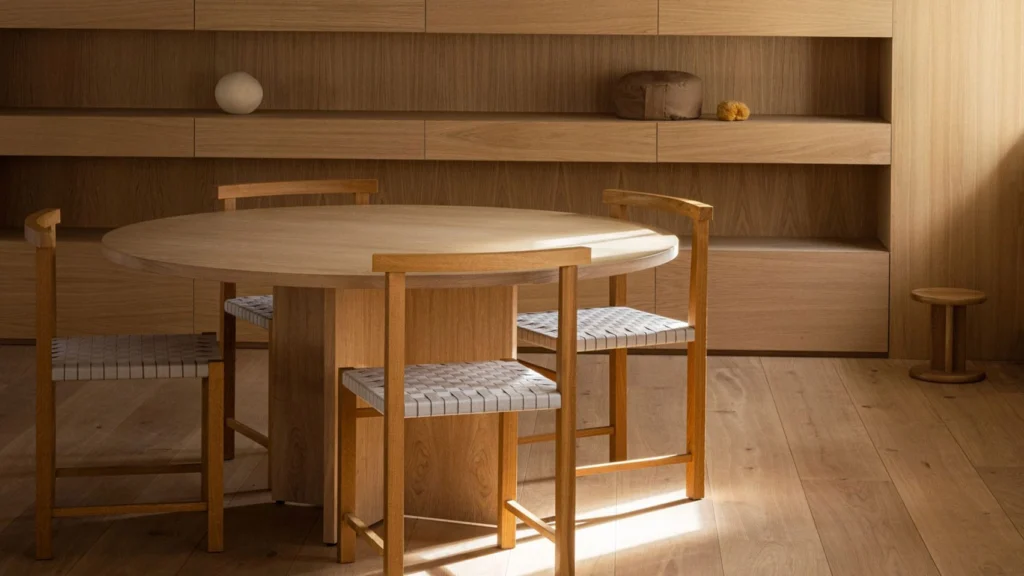
In contemporary seating design, wood is often used not as a structural necessity alone, but as a tactile narrative. Softly rounded edges, visible grain, and muted finishes invite interaction. Upholstery choices—linen, wool, leather—are equally restrained, favoring natural fibers that age gracefully.
This material restraint reinforces minimalist furniture design principles while ensuring comfort and durability. Seating becomes less about visual drama and more about sensory balance.
Craftsmanship and Longevity
Another defining characteristic of Norm Architects’ approach is an emphasis on craftsmanship. Joinery is often exposed, not to showcase virtuosity, but to communicate honesty. This respect for making elevates contemporary seating design from disposable object to long-term companion.
For high-net-worth individuals and design professionals alike, this focus on longevity aligns with a growing interest in sustainable, investment-grade interiors.
Spatial Harmony and Proportion
Minimalist furniture design is frequently misunderstood as purely reductive. In reality, it demands an advanced understanding of proportion. Norm Architects’ seating designs demonstrate how subtle shifts in scale, seat depth, and backrest angle can dramatically influence comfort and visual harmony.
In contemporary seating design, these proportional decisions are critical. A chair that is visually light but physically grounding can anchor a space without overwhelming it.
Seating as Architectural Element
By treating seating as an extension of architecture, Norm Architects have influenced how designers integrate furniture into spatial planning. Benches align with wall planes, sofas echo architectural grids, and lounge chairs relate directly to circulation patterns.
This architectural mindset reinforces the idea that contemporary seating design should support spatial clarity rather than compete with it.
Minimalist Furniture Design and Emotional Resonance
While minimalist furniture design is often associated with restraint, its true power lies in emotional resonance. Norm Architects demonstrate that minimalism can be warm, tactile, and deeply human.
Through muted palettes and material continuity, their influence on contemporary seating design fosters interiors that feel composed rather than curated. This distinction is subtle but significant: composed spaces invite long-term engagement, while overly curated spaces risk becoming static.
The Role of Neutrality
Neutral tones are a hallmark of Norm Architects’ work, but neutrality here is not absence—it is a framework. In contemporary seating design, neutral upholstery allows form and material quality to take precedence, while offering flexibility for evolving interiors.
- Supports layered, textural environments
- Enhances natural light conditions
- Encourages longevity and adaptability
Influence on Global Design Culture
The impact of Norm Architects extends far beyond individual projects. Their philosophy has shaped a broader movement within contemporary seating design, influencing manufacturers, specifiers, and interior stylists worldwide.
This influence is particularly evident in international design fairs and editorial platforms, where minimalist furniture design rooted in material authenticity continues to gain prominence.
Hospitality, Residential, and Hybrid Spaces
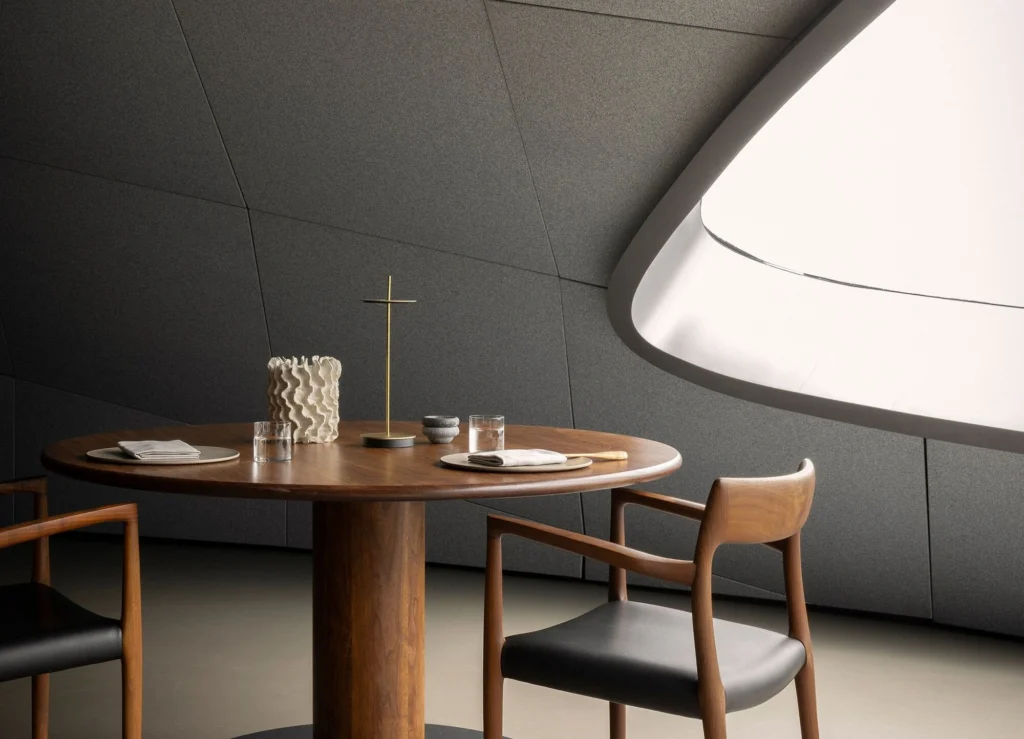
From boutique hotels to private residences and branded living environments, the principles championed by Norm Architects resonate across sectors. Seating designed with material-driven calm adapts effortlessly to diverse contexts, reinforcing its universal appeal.
For premium furniture brands such as Nolita Harbour, this philosophy aligns naturally with a commitment to refined materials, thoughtful proportions, and enduring design values.
Contemporary Seating Design as Cultural Expression
Beyond function and form, contemporary seating design increasingly reflects cultural values. Norm Architects’ work articulates a desire for slowness, tactility, and presence—qualities that counterbalance digital overload and transient trends.
In this sense, minimalist furniture design becomes a cultural statement: a preference for depth over immediacy, for quality over quantity.
Designing for the Long View
By prioritizing material honesty and emotional comfort, Norm Architects encourage a long-view approach to interiors. Seating is designed to age, to develop patina, and to remain relevant over decades rather than seasons.
This perspective is particularly compelling for collectors and real estate professionals seeking environments that retain both aesthetic and cultural value.
Frequently Asked Questions
What defines material-driven calm in contemporary seating design?
Material-driven calm emphasizes natural materials, restrained forms, and tactile comfort, allowing seating to create emotional balance rather than visual dominance.
How have Norm Architects influenced minimalist furniture design?
They have demonstrated that minimalism can be warm and human-centered, using materials and proportion to evoke comfort and longevity.
Why is contemporary seating design shifting toward restraint?
As interiors become multifunctional, restrained seating offers visual clarity, psychological comfort, and long-term adaptability.
A Quiet Legacy
The influence of Norm Architects on contemporary seating design is profound precisely because it is understated. Through material-driven calm and a deeply human interpretation of minimalist furniture design, they have redefined what it means for seating to belong in a space.
For today’s global design audience—architects, interior designers, and culturally attuned clients alike—this approach offers more than aesthetic guidance. It provides a framework for living with design that is thoughtful, enduring, and quietly transformative.
For further insight into their philosophy, see the official perspective shared by Norm Architects.