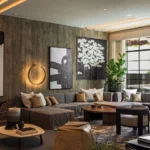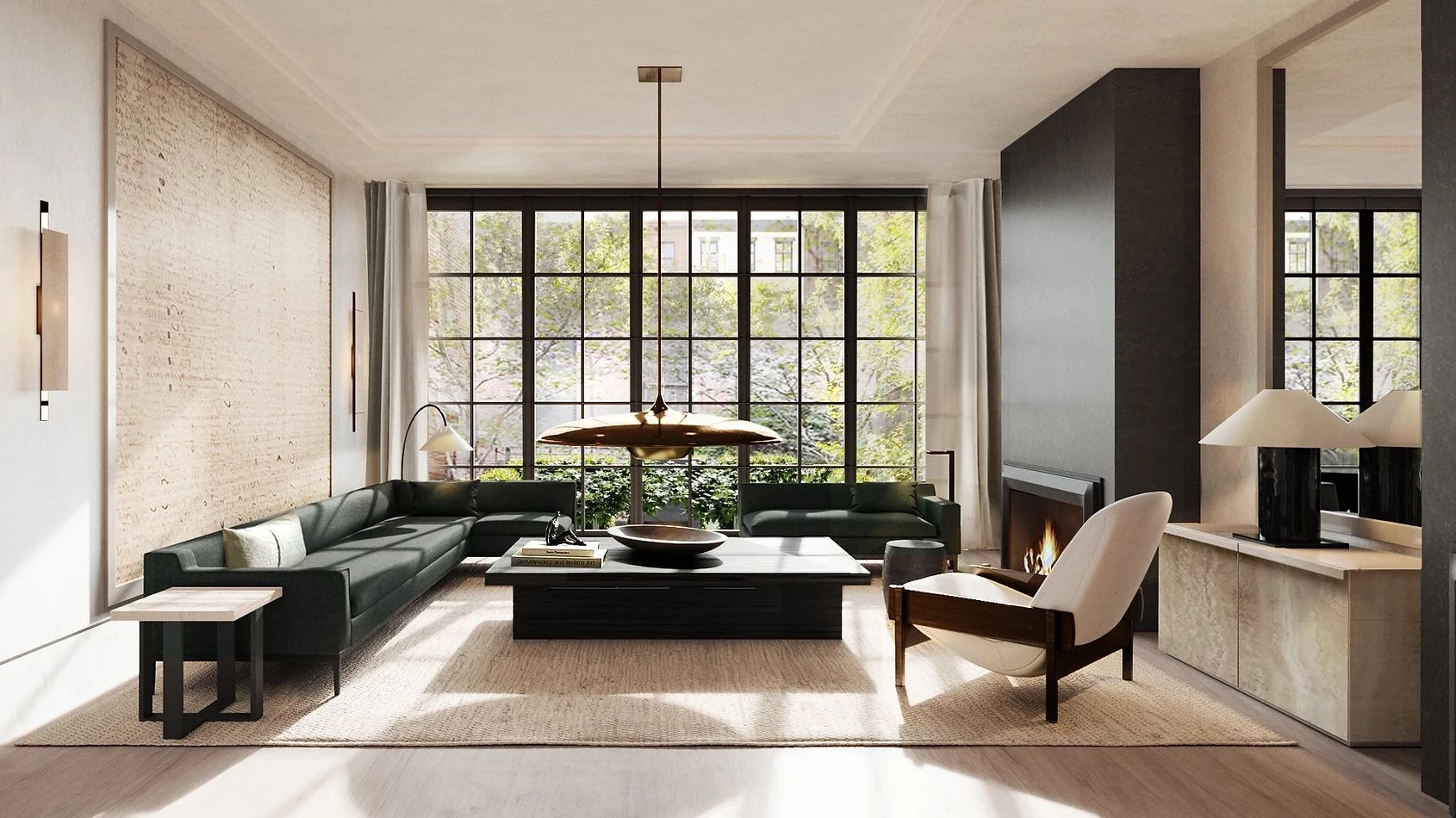

Over the last decade, minimalist interiors have emerged as one of the most influential expressions of contemporary luxury living. Once associated primarily with austerity and restraint, minimalism has evolved into a sophisticated design philosophy centered on spatial clarity, material authenticity, and emotional comfort. For interior designers, architects, and luxury design studios, minimalist interiors now represent a refined approach to luxury that prioritizes atmosphere over excess. Consequently, high-end residential projects increasingly embrace calm palettes, sculptural simplicity, and carefully curated materials to create environments that feel timeless, immersive, and deeply intentional.
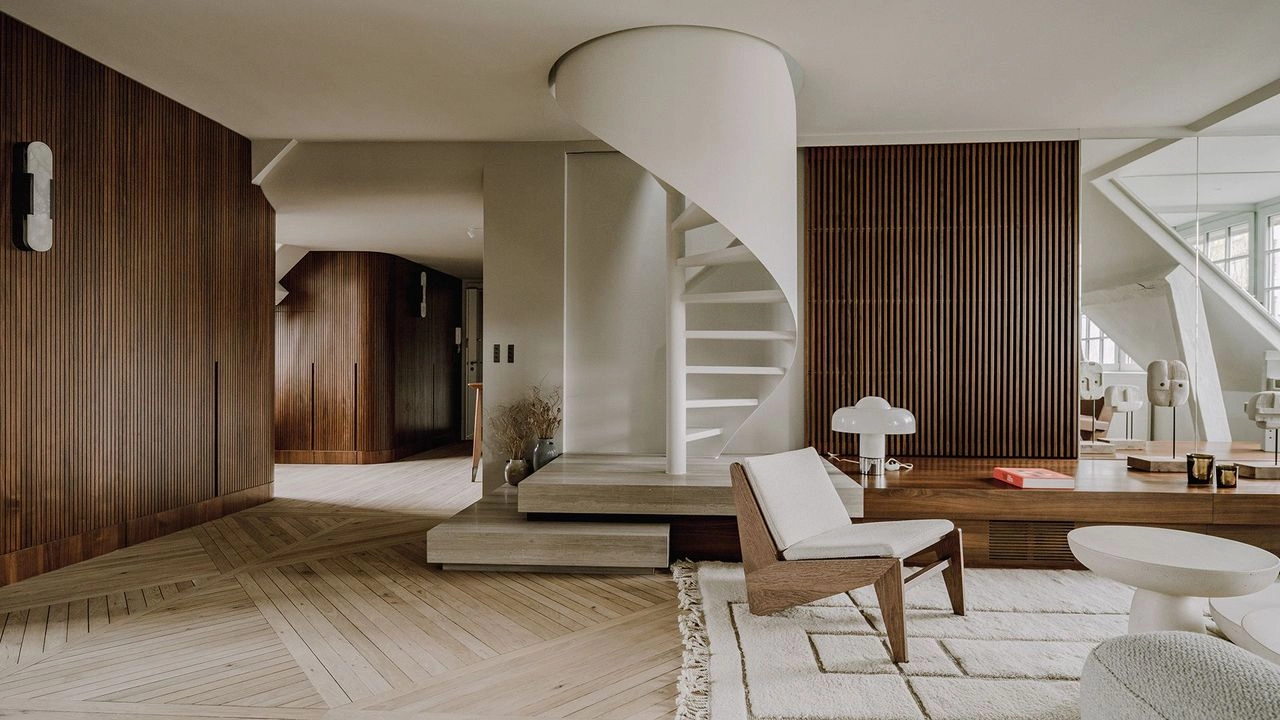
The Evolution of Luxury Aesthetics
Traditional luxury interiors were historically defined by ornamentation, layered decoration, and visual opulence. Grand chandeliers, elaborate moldings, and richly detailed furnishings symbolized status and exclusivity. However, contemporary luxury has shifted toward a more restrained aesthetic language.
This transformation reflects changing lifestyles and cultural values. Clients increasingly seek homes that promote calmness, balance, and wellness rather than visual excess. Minimalist interiors answer this demand by emphasizing proportion, light, and materiality instead of decorative complexity. As a result, simplicity itself has become a powerful marker of sophistication within modern luxury design.
Defining Characteristics of Minimalist Interiors
Several design principles consistently shape contemporary minimalist interiors:
- Open layouts with clear circulation paths
- Neutral palettes that enhance natural light
- Carefully curated furniture with sculptural forms
- Natural materials such as stone and wood
- Reduced visual clutter and integrated storage
Together, these elements create interiors that feel spacious, refined, and emotionally balanced while maintaining a strong architectural identity.
The Influence of Architecture on Minimalism
Minimalist interiors are deeply connected to architectural composition. Rather than treating decoration as the primary design focus, contemporary luxury homes emphasize spatial experience and structural clarity.
Architects increasingly use clean lines, geometric volumes, and uninterrupted surfaces to establish calm environments that feel cohesive and intentional. Large windows, seamless transitions between rooms, and integrated outdoor spaces further reinforce this architectural approach. Consequently, minimalist interiors often feel immersive because every element contributes to the same overarching spatial narrative. This integration between architecture and interior design has become central to modern luxury living.
Materiality as a Source of Luxury
In minimalist interiors, materials become the primary carriers of richness and visual depth:
- Travertine and marble surfaces with natural variation
- Warm woods that soften architectural rigidity
- Linen and wool textiles that add tactile comfort
- Matte finishes that diffuse light subtly
- Handcrafted details that emphasize authenticity
Because ornamentation is reduced, material quality becomes highly visible. This focus on craftsmanship elevates minimalist spaces beyond simplicity into refined luxury.
The Role of Light and Spatial Atmosphere
Natural light plays a defining role in shaping minimalist interiors. Expansive glazing, open layouts, and reflective surfaces allow daylight to become an active design element throughout the home.
As light shifts throughout the day, textures and materials reveal subtle variations that add depth without visual clutter. Designers often complement this effect with layered artificial lighting, ensuring warmth and intimacy during evening hours. This dynamic interaction between light and materiality creates spaces that feel serene yet emotionally engaging, reinforcing the sensory richness associated with contemporary luxury living.
Furniture and Sculptural Simplicity
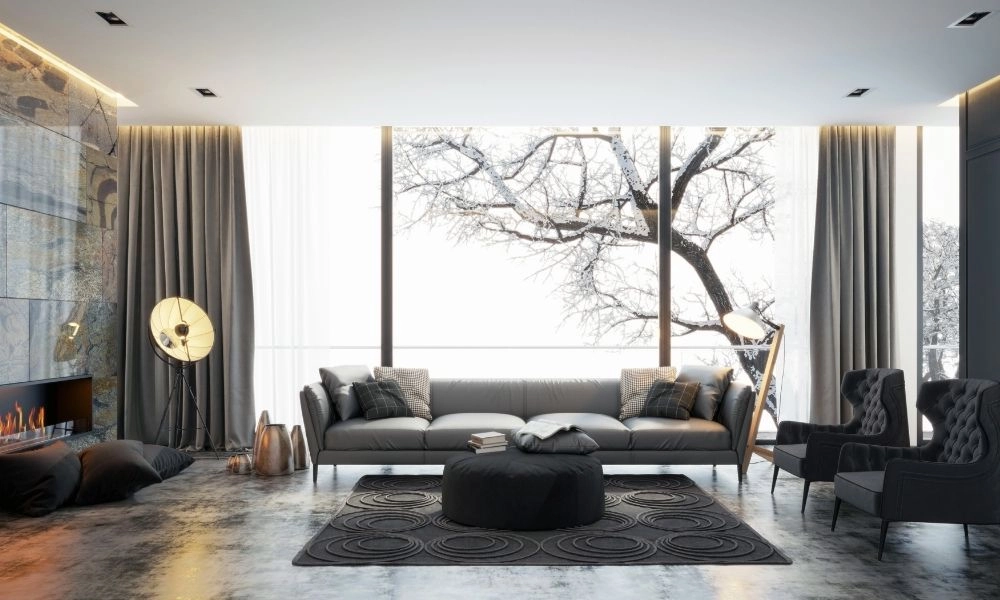
Furniture within minimalist interiors is carefully selected to support architectural clarity while maintaining comfort and functionality. Pieces are often sculptural in form, emphasizing proportion and craftsmanship rather than ornamentation.
Low-profile sofas, curved seating, and monolithic tables contribute to a sense of openness while reinforcing spatial balance. Upholstery tends to feature textured natural fabrics such as bouclé, linen, or wool, adding softness to restrained interiors. Importantly, furniture placement is highly intentional, allowing negative space to remain an active component of the overall composition.
Wellness and Emotional Comfort
The popularity of minimalist interiors is closely linked to the growing emphasis on wellness within residential design:
- Reduced visual clutter promotes mental calmness
- Open layouts encourage fluid movement and relaxation
- Natural materials enhance sensory comfort
- Neutral palettes create soothing atmospheres
- Integrated storage maintains spatial clarity
These qualities transform minimalist interiors into environments that support emotional well-being as much as aesthetic refinement.
Minimalism in Luxury Hospitality Design
Luxury hospitality has played a major role in popularizing minimalist interiors within residential design. Boutique hotels, wellness retreats, and contemporary resorts increasingly prioritize calm, immersive environments over traditional decorative grandeur.
This hospitality influence is evident in modern homes that incorporate spa-inspired bathrooms, uncluttered living spaces, and seamless indoor-outdoor transitions. Clients now expect residences to provide the same emotional atmosphere found in high-end hospitality environments. Consequently, minimalist interiors have become closely associated with experiential luxury and lifestyle-driven design.
Technology and Invisible Design
Contemporary minimalist interiors often rely on advanced technology that remains visually discreet. Integrated lighting systems, concealed storage, hidden appliances, and flush architectural detailing contribute to a clean and uninterrupted aesthetic.
Rather than displaying technology prominently, designers prioritize invisible integration that supports comfort without disrupting spatial harmony. This approach reinforces the idea that true luxury lies in effortless functionality and seamless living experiences. As technology continues to evolve, invisible design strategies will likely become even more influential within minimalist luxury interiors.
The Global Appeal of Minimalist Interiors
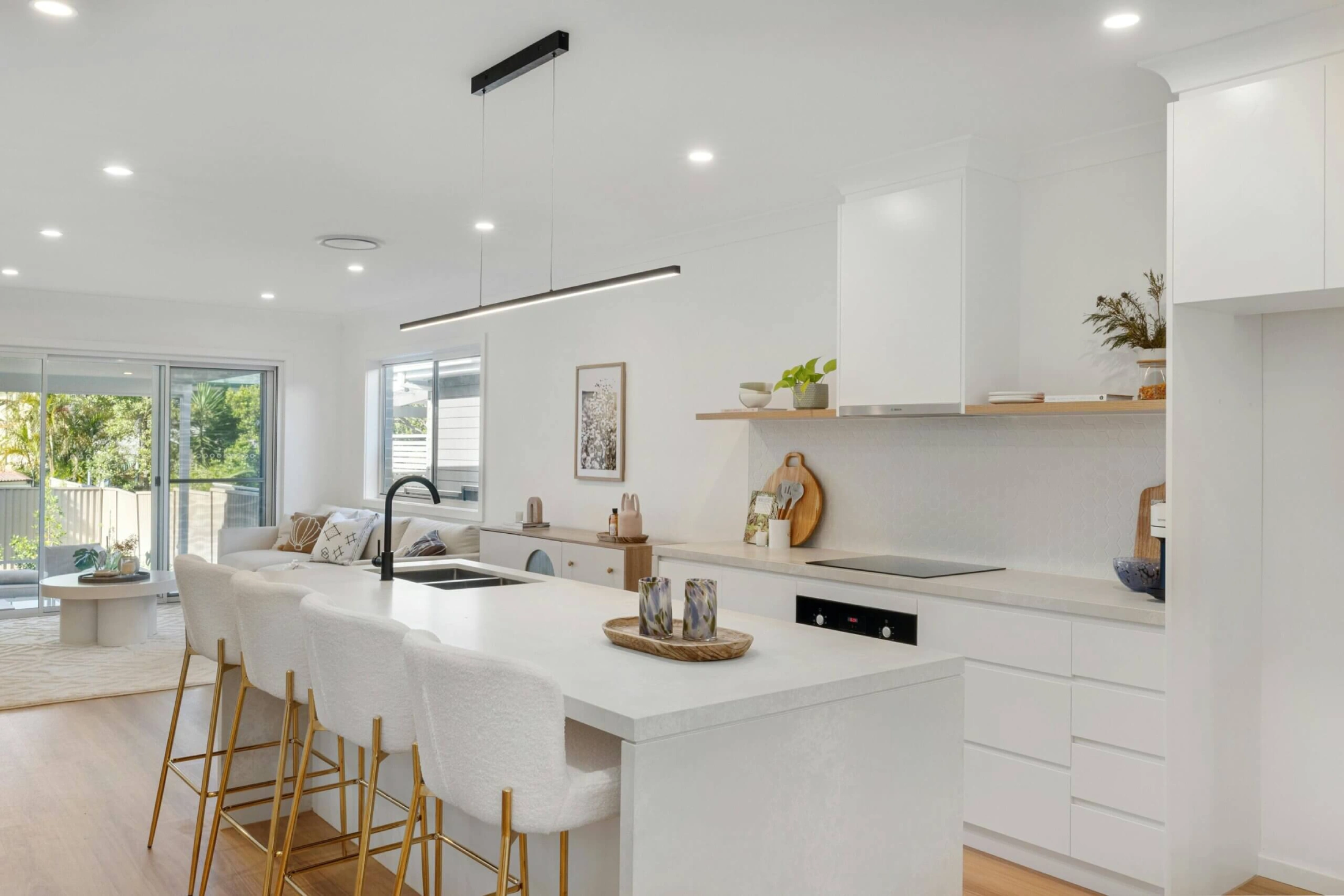
Minimalist interiors have achieved global relevance because they adapt easily across cultural and architectural contexts. From coastal residences in the Mediterranean to urban penthouses in Asia and mountain retreats in North America, minimalism provides a versatile framework for luxury living.
The emphasis on light, proportion, and natural materials allows designers to interpret minimalism differently depending on location and climate. This adaptability explains why minimalist interiors continue to dominate contemporary luxury design while remaining timeless rather than trend-driven.
Lessons for Interior Designers and Architects
Minimalist interiors offer several valuable principles for luxury design professionals:
- Prioritize spatial experience over decoration
- Use materials to create emotional depth
- Allow natural light to shape atmosphere
- Integrate storage seamlessly into architecture
- Balance restraint with warmth and comfort
These strategies demonstrate how simplicity, when executed thoughtfully, can create highly sophisticated and enduring luxury environments.
Conclusion
The rise of minimalist interiors reflects a broader transformation in how luxury living is understood today. Contemporary luxury is no longer defined by visual excess, but by clarity, authenticity, and emotional resonance. Through refined material palettes, architectural simplicity, and carefully curated spaces, minimalist interiors create environments that feel calm, timeless, and deeply immersive.
For interior designers, architects, and luxury design studios, minimalism offers an enduring framework for shaping the future of high-end residential design. As lifestyles continue to evolve, the ability to create spaces that balance restraint with sensory richness will remain central to the next generation of luxury living.