

Luxury is often discussed in terms of materiality — rare marbles, handwoven textiles, bespoke joinery — yet the true language of refinement lies in scale. The way furniture occupies space, the dialogue between mass and void, and the subtle calibration of volume determine whether a room feels monumental or merely oversized. For architects, interior designers, and collectors of exceptional homes, understanding proportion in interior design is not a stylistic preference but a strategic discipline.
In expansive residences, penthouses, and hospitality-inspired villas, the question is rarely “What is beautiful?” but rather “What belongs here?” Selecting the correct furniture size for large rooms transforms cavernous interiors into composed environments. When scale is misjudged, even the finest pieces appear diminished. When it is mastered, a luxury living room layout achieves quiet authority — the kind that feels effortless yet is rigorously considered.
The Psychology of Scale in Luxury Interiors
Spatial perception is psychological before it is aesthetic. Humans instinctively measure space against their own bodies. Oversized volumes without proportional anchors create disorientation; conversely, thoughtfully scaled furnishings provide rhythm and reassurance.
Proportion in interior design operates on three essential levels:
- Human scale — how furniture relates to the body.
- Architectural scale — how furnishings correspond to ceiling height, wall expanses, and structural rhythm.
- Compositional scale — how individual pieces relate to one another within a luxury living room layout.
True sophistication emerges when these three scales align seamlessly.
When Large Rooms Feel Small — And Why
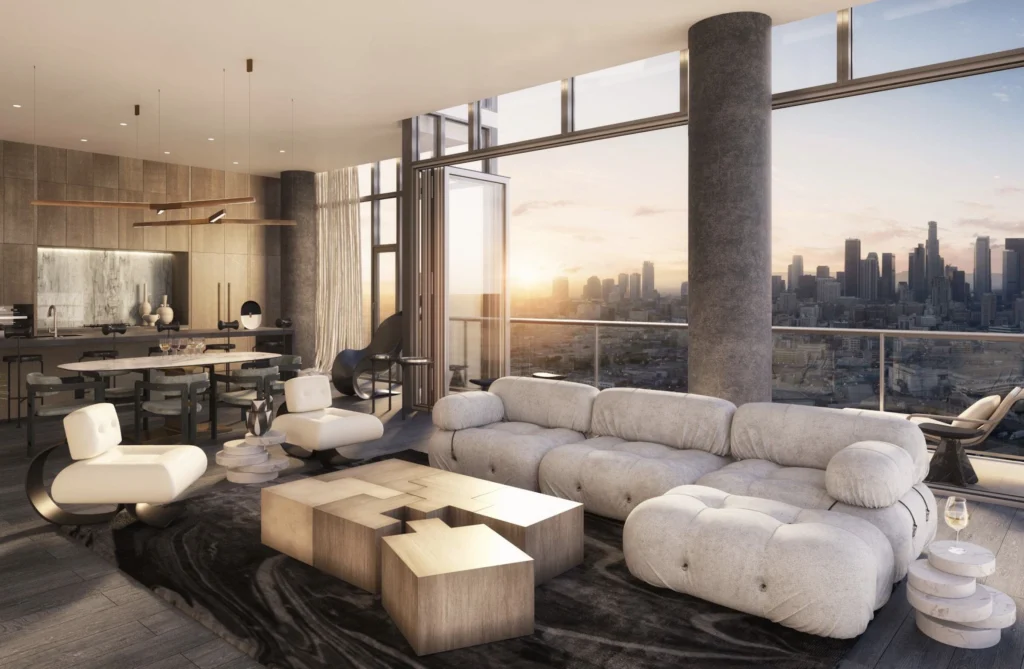
It may seem paradoxical, but grand rooms frequently feel constrained. The cause is often underscaled furniture dispersed timidly across the floor plan. In large residences, selecting standard-sized sofas and occasional chairs creates visual fragmentation. Negative space dominates, and the room appears unfinished rather than expansive.
The solution is not clutter but calibration. Thoughtful furniture size for large rooms restores equilibrium. Generous sofas, extended sectionals, or deeply proportioned lounge chairs establish visual weight. Substantial coffee tables and console pieces reinforce structure. Scale, not quantity, defines luxury.
Key Indicators of Underscaled Interiors
- Sofas that float awkwardly within oversized floor areas.
- Coffee tables that appear miniature relative to seating arrangements.
- Artwork hung too high to compensate for disproportionate wall height.
- Rugs that fail to anchor primary seating zones.
Each of these missteps disrupts proportion in interior design, diminishing the perception of refinement.
The Mathematics of Grandeur: Understanding Proportion
Historically, proportion has been central to architectural excellence — from Renaissance villas to contemporary minimalism. The Golden Ratio, classical symmetry, and modular grids have informed spatial composition for centuries. In interiors, these principles translate into furniture dimensions that respect architectural geometry.
In a double-height salon, for example, a low-profile sofa may emphasize verticality, but its length and depth must still command presence. Choosing the correct furniture size for large rooms ensures that horizontal and vertical lines converse harmoniously.
Within a luxury living room layout, designers often apply proportional strategies such as:
- Aligning sofa length to at least two-thirds of the primary wall.
- Selecting coffee tables approximately two-thirds the length of the sofa.
- Layering rugs that extend beyond seating footprints to create visual continuity.
- Balancing tall architectural elements with sculptural lighting or statement cabinetry.
These decisions reinforce proportion in interior design while preserving spatial clarity.
Ceiling Height as a Determinant of Luxury
Ceiling height dramatically influences perception. In residences with ceilings above three meters, vertical emptiness can either inspire awe or induce coldness. The distinction lies in scale management.
Appropriate furniture size for large rooms includes not only broader seating but also taller case goods, elongated drapery, and layered lighting installations. A carefully orchestrated luxury living room layout considers upward movement as deliberately as horizontal flow.
Strategies for Double-Height Spaces
- Incorporate tall bookcases or architectural shelving.
- Use vertically scaled artwork or curated gallery walls.
- Select chandeliers proportionate to ceiling volume.
- Anchor seating clusters with substantial rugs to prevent visual drift.
Such measures preserve proportion in interior design while celebrating architectural ambition.
Negative Space: The Most Misunderstood Element of Luxury
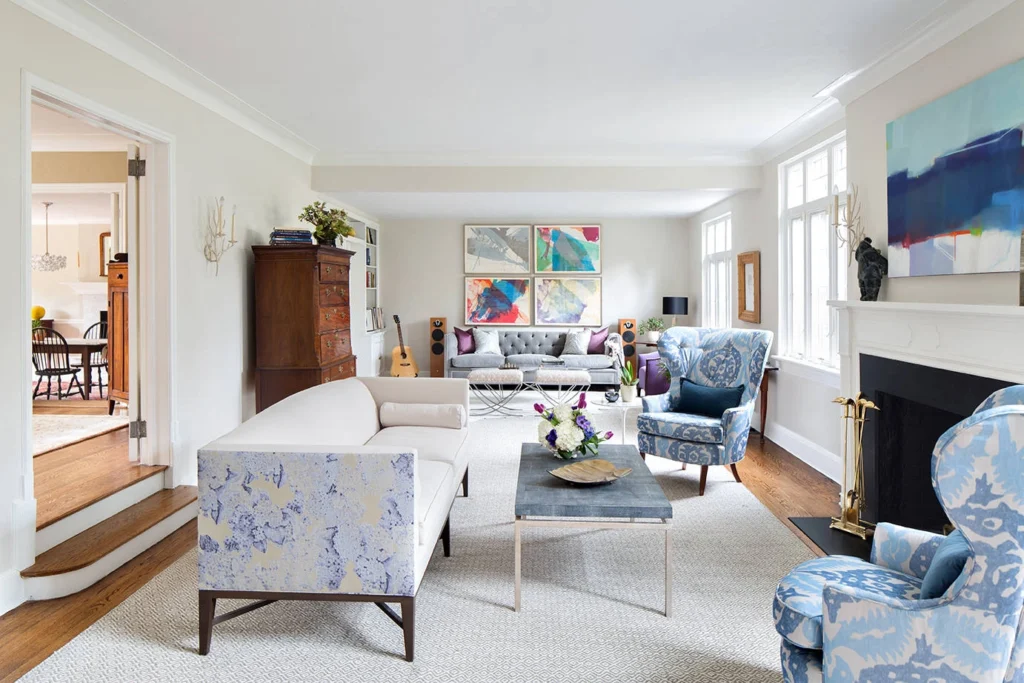
Luxury is not excess. It is precision. Negative space — the intentional absence of objects — amplifies the presence of each chosen piece. However, negative space only feels luxurious when surrounding elements are properly scaled.
An expansive living area furnished with appropriately sized seating communicates serenity. The same area furnished sparingly with underscaled pieces appears vacant. Therefore, determining the correct furniture size for large rooms is fundamental to preserving intentional emptiness without sacrificing intimacy.
Within a luxury living room layout, negative space should:
- Frame focal points rather than isolate them.
- Guide circulation fluidly through the room.
- Highlight craftsmanship and material richness.
Mastery of proportion in interior design allows emptiness to feel curated rather than accidental.
Furniture as Architectural Counterpoint
In high-end residences, furniture functions as movable architecture. Large-scale sofas can soften rectilinear volumes; monolithic tables can ground open-plan expanses. The dialogue between built form and furnishing scale defines the room’s character.
For professionals specifying furniture size for large rooms, the process often begins with architectural analysis:
- Wall-to-wall dimensions
- Window placement and rhythm
- Structural columns or beams
- Primary sightlines upon entry
A compelling luxury living room layout responds to these architectural cues rather than competing with them. The outcome feels integrated, not decorated.
Zoning Grand Interiors with Scale
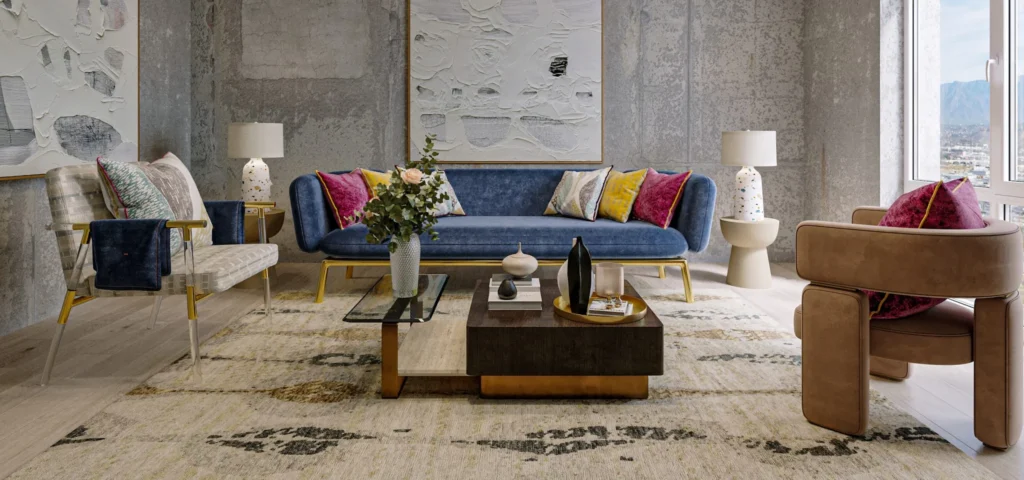
Open-plan environments require subtle spatial division. Rather than erecting partitions, designers rely on scaled furnishings to create zones. A generously proportioned sectional may define the primary lounge, while a secondary seating cluster establishes an intimate conversation area.
Effective zoning depends on proportion in interior design. Each zone must feel complete in itself while contributing to a cohesive whole. Selecting the correct furniture size for large rooms ensures that each area holds visual authority without overwhelming adjacent spaces.
Guidelines for Zoning Large Living Areas
- Position seating groups at least 90–120 cm apart to preserve circulation.
- Use rugs to delineate each functional zone.
- Maintain consistent scale language across all groupings.
- Balance visual weight evenly throughout the luxury living room layout.
Such orchestration reinforces architectural clarity and experiential comfort.
Material Weight and Visual Mass
Scale is not purely dimensional; it is perceptual. A glass table appears lighter than a solid stone equivalent of identical size. Upholstery texture, leg profile, and color density all influence how furniture reads within space.
When selecting furniture size for large rooms, designers must evaluate visual mass alongside physical measurements. Darker fabrics, thicker bases, and continuous silhouettes amplify presence. In contrast, slender metal frames reduce perceived volume.
A refined luxury living room layout balances these visual weights carefully. Overscaled pieces in overly heavy materials can feel oppressive; lighter materials may require greater dimensions to assert themselves. Understanding this nuance elevates proportion in interior design from calculation to artistry.
The Collector’s Perspective: Investment and Permanence
For high-net-worth individuals curating legacy homes, furniture is rarely transient. Pieces are commissioned, inherited, or acquired through international fairs and ateliers. Scale becomes a long-term decision, intertwined with architecture and lifestyle.
Choosing the appropriate furniture size for large rooms safeguards investment. Well-scaled pieces adapt gracefully as art collections evolve or layouts shift. An intelligently conceived luxury living room layout allows for seasonal transformation without structural compromise.
Ultimately, disciplined proportion in interior design ensures that spaces remain relevant, dignified, and timeless.
Common Misconceptions About Scale
“Bigger Always Means More Luxurious”
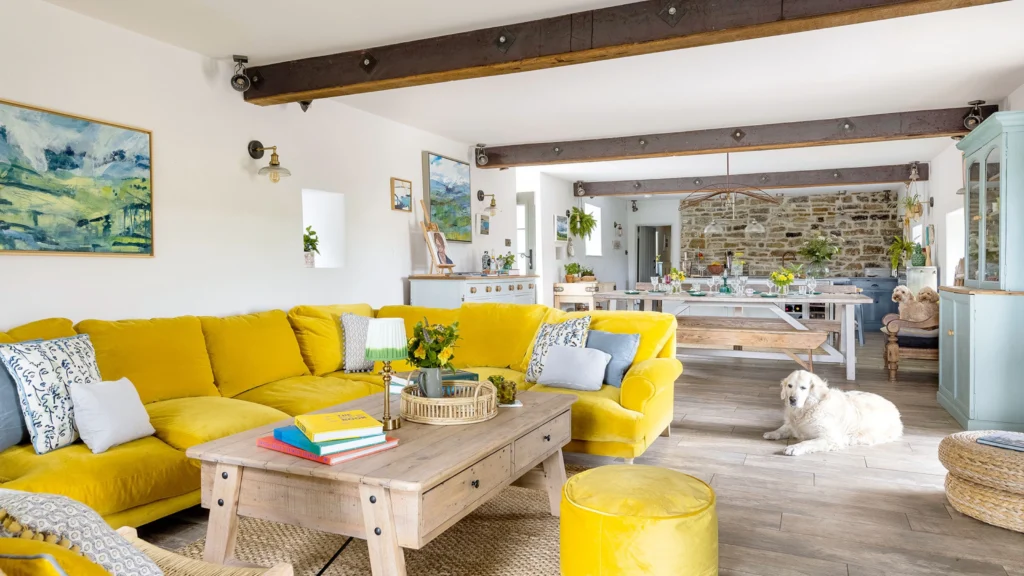
Excessive scale without relational harmony results in imbalance. True luxury lies in measured grandeur.
“Minimalism Requires Smaller Furniture”
On the contrary, minimal environments often demand bold proportions. Fewer elements mean each must command presence within the luxury living room layout.
“Open Plans Eliminate the Need for Proportion Rules”
Open plans intensify the importance of proportion in interior design, as there are fewer architectural boundaries to rely upon.
Scale as the Signature of Sophistication
In the world of high design, scale is the silent signature. It determines whether a space whispers elegance or declares distinction. Mastering proportion in interior design transforms expansive rooms into environments of coherence and depth.
For architects, designers, and discerning homeowners alike, the careful selection of furniture size for large rooms is not merely technical — it is philosophical. It reflects an understanding that luxury is spatial intelligence made visible.
When a luxury living room layout aligns architectural ambition with calibrated furnishings, the result transcends decoration. It becomes an experience — immersive, balanced, and enduring. And in that balance lies the true perception of luxury.