

In the rarefied world of Mayfair luxury apartments, expectations extend far beyond square footage and postcode prestige. For international buyers—whether financiers from New York, entrepreneurs from the Gulf, or cultural patrons from Asia—acquiring one of the most coveted luxury properties in London is both a strategic investment and a lifestyle declaration. Interiors must reflect global sophistication while respecting the heritage context of one of the capital’s most distinguished neighborhoods.
Mayfair, bordered by Hyde Park, Bond Street, and Berkeley Square, represents the pinnacle of London high-end interior design. Yet today’s buyers are not merely purchasing residences; they are commissioning environments that mirror cosmopolitan living, art connoisseurship, and discreet opulence. For architects, developers, and interior designers working at this level, understanding what international clientele truly expect is essential.
The Global Allure of Mayfair
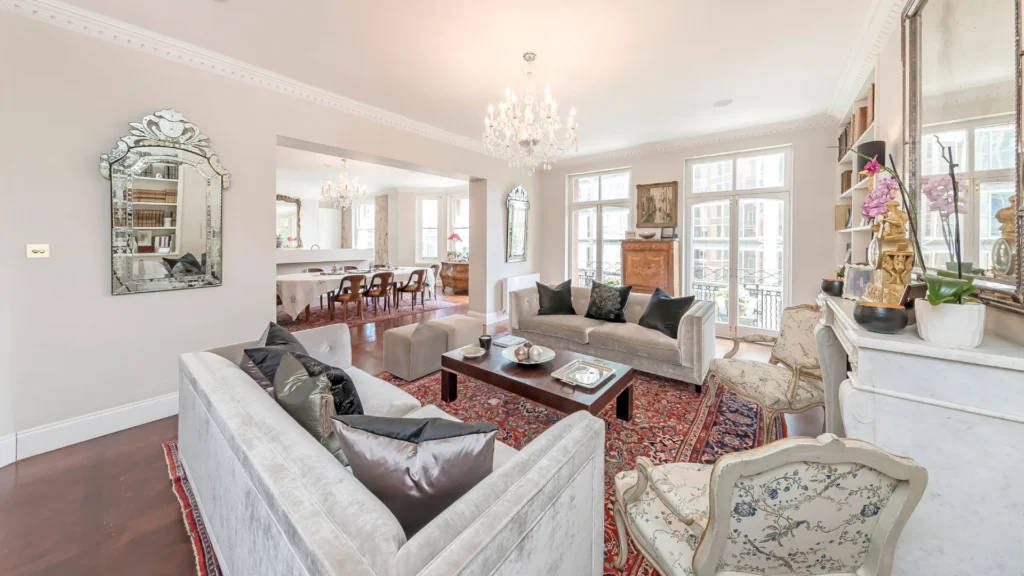
Mayfair’s architectural identity—Georgian townhouses, Edwardian façades, and meticulously restored mansion blocks—forms the foundation upon which modern Mayfair luxury apartments are curated. The neighborhood’s proximity to Michelin-starred dining, private members’ clubs, and haute couture boutiques enhances its global desirability.
According to data published by Knight Frank Research, prime central London continues to attract resilient international capital due to legal stability, educational access, and long-term value retention. This macroeconomic confidence shapes the micro-level detailing of interiors: buyers expect permanence, craftsmanship, and design longevity.
What Distinguishes Mayfair from Other Luxury Districts?
- Heritage architecture combined with contemporary refinement
- Discrete security and concierge services
- Walkability to Hyde Park and Bond Street
- Proximity to galleries, auction houses, and cultural institutions
- Limited supply of trophy luxury properties in London
In short, Mayfair is not simply a location—it is a global benchmark.
Understanding the International Buyer Profile
The clientele acquiring Mayfair luxury apartments typically share three characteristics: global mobility, cultural literacy, and investment acumen. Many maintain multiple residences in cities such as Dubai, Monaco, Singapore, or New York. Consequently, their expectations for London high-end interior design are shaped by comparative experience.
Key Priorities for International Buyers
- Timeless aesthetic value rather than trend-driven décor
- Exceptional material authenticity
- Smart home integration with discreet technology
- Spatial efficiency without compromising grandeur
- Furniture and finishes that hold long-term value
Designers furnishing luxury properties in London must therefore balance British architectural heritage with international contemporary standards.
The Role of Architecture in Interior Identity
Unlike newly built skyscraper residences, many Mayfair luxury apartments are embedded within listed or historically sensitive buildings. Ceiling heights, cornicing, sash windows, and original fireplaces form an architectural narrative that cannot be ignored.
International buyers often seek interiors that:
- Respect original detailing while introducing modern functionality
- Enhance natural light through considered spatial planning
- Use proportionally scaled furnishings suited to period volumes
The most successful examples of London high-end interior design in Mayfair are those that neither mimic the past nor erase it. Instead, they create dialogue between eras.
Materiality: The Language of Discreet Luxury
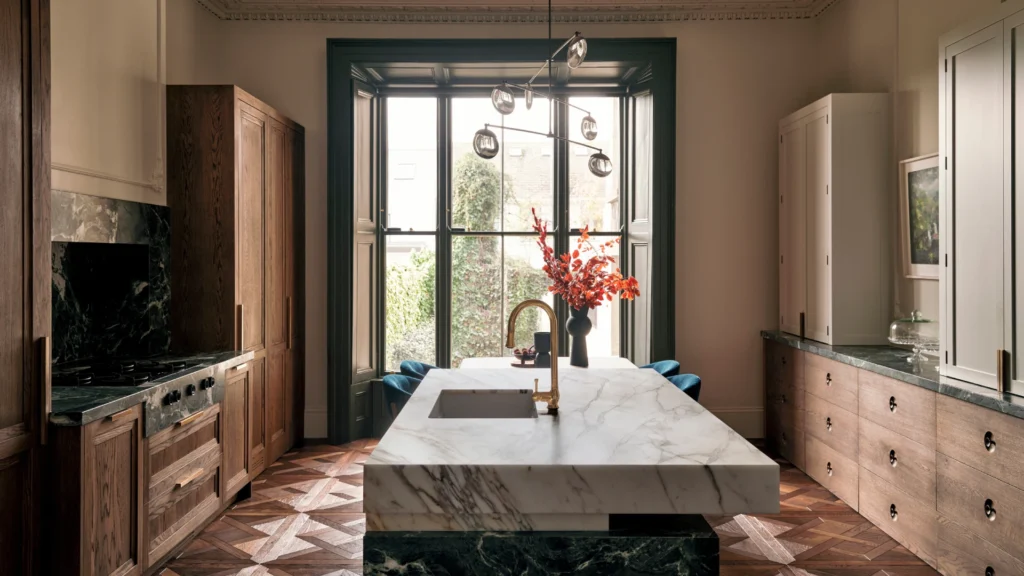
In Mayfair luxury apartments, materials speak before ornamentation does. International buyers expect authenticity—real marble rather than composite imitations, solid timber rather than veneers, hand-finished metal rather than industrial plating.
Preferred Material Palette
- Calacatta and Arabescato marble
- European oak and walnut flooring
- Bronze and brushed brass detailing
- Handwoven silk and wool textiles
- Natural stone bathrooms with bespoke joinery
This emphasis on craftsmanship aligns with the broader ethos of luxury properties in London: permanence over novelty. The sensory experience—texture underfoot, weight of a door handle, acoustic softness—becomes integral to perceived value.
Furniture Selection: Investment Pieces Over Ornament
International buyers furnishing Mayfair luxury apartments rarely approach interiors as temporary arrangements. Furniture is viewed as collectible capital—pieces that travel between residences and retain intrinsic value.
In the realm of London high-end interior design, this translates into:
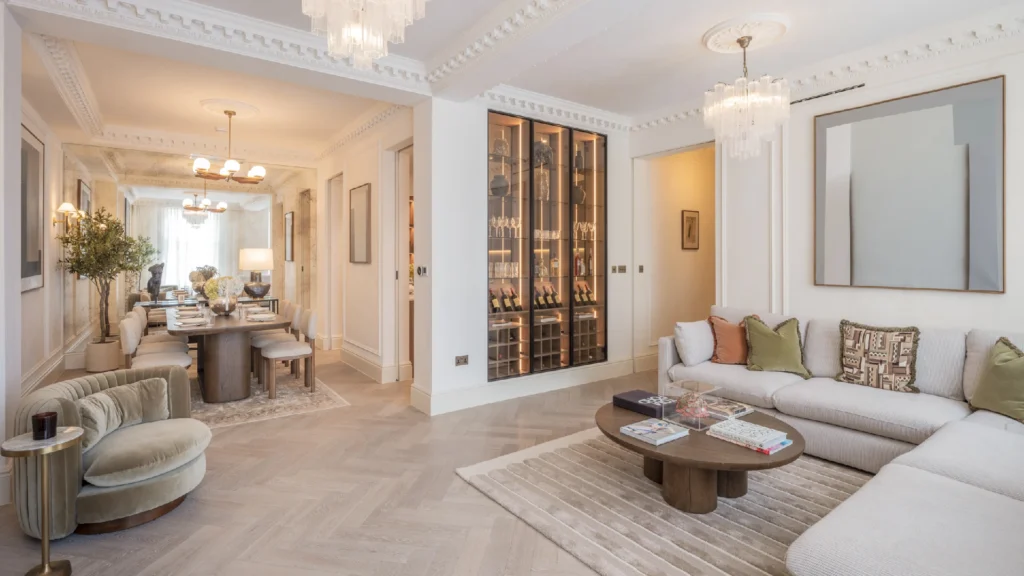
- Custom-designed sofas with architectural silhouettes
- Sculptural dining tables in natural stone or solid timber
- Limited-edition lighting pieces
- Gallery-quality art placement with museum-grade lighting
- Bespoke cabinetry integrated seamlessly into period architecture
Proportion is critical. Oversized furniture can disrupt Georgian harmony, while underscaled pieces dilute gravitas. The art lies in calibration.
Technology: Invisible Yet Integral
Today’s luxury properties in London must function as seamlessly as private yachts or Gulf penthouses. However, in Mayfair, technology must remain visually discreet.
Essential Technological Expectations
- Fully integrated smart home systems
- Climate and humidity control for art collections
- Advanced security infrastructure
- Acoustic insulation from urban noise
- Hidden audiovisual systems
The integration of technology without visual intrusion defines contemporary London high-end interior design in heritage contexts.
Cultural Sensitivity and Global Aesthetics
Because buyers of Mayfair luxury apartments come from diverse cultural backgrounds, interiors often incorporate subtle international references. A Middle Eastern client may request a formal majlis-inspired seating arrangement. An Asian collector may prioritize feng shui alignment. A European patron may focus on gallery walls for contemporary art.
The designer’s role is not to impose a singular aesthetic but to orchestrate a refined synthesis that aligns with Mayfair’s architectural framework.
Sustainability and Ethical Luxury
Increasingly, international purchasers of luxury properties in London expect sustainability without aesthetic compromise. Environmental responsibility has become synonymous with intelligent wealth.
Sustainable Expectations in Mayfair Interiors
- FSC-certified timber
- Low-VOC finishes
- Energy-efficient lighting systems
- Locally sourced craftsmanship
- Longevity-driven furniture design
Sustainability in London high-end interior design is less about overt eco-statements and more about enduring quality and reduced lifecycle waste.
Spatial Zoning for Modern Lifestyles
While historic Mayfair layouts often feature formal reception rooms, contemporary buyers of Mayfair luxury apartments request flexible spatial zoning. Open-plan living may be introduced subtly, maintaining period integrity while enhancing flow.
Key spatial priorities include:
- Grand yet intimate entertaining spaces
- Private wellness areas or spa-inspired bathrooms
- Dedicated dressing rooms rivaling boutique showrooms
- Home offices with executive gravitas
These adjustments reflect global lifestyle standards found across premier luxury properties in London and beyond.
Art, Collectibles, and Personal Narrative
Art curation frequently becomes the emotional anchor of Mayfair luxury apartments. Many international owners are collectors who require:
- Museum-grade lighting schemes
- Climate control for delicate works
- Architectural sightlines that frame installations
In high-level London high-end interior design, walls are never an afterthought—they are curated backdrops for cultural capital.
The Investment Perspective
For global buyers, acquiring luxury properties in London is as much about capital preservation as lifestyle. Interior quality directly influences valuation, rental desirability, and resale performance.
Professionally furnished Mayfair luxury apartments typically command stronger market positioning than minimally finished units. Bespoke interiors signal readiness and exclusivity—two critical drivers in ultra-prime real estate.
Design Elements That Enhance Long-Term Value
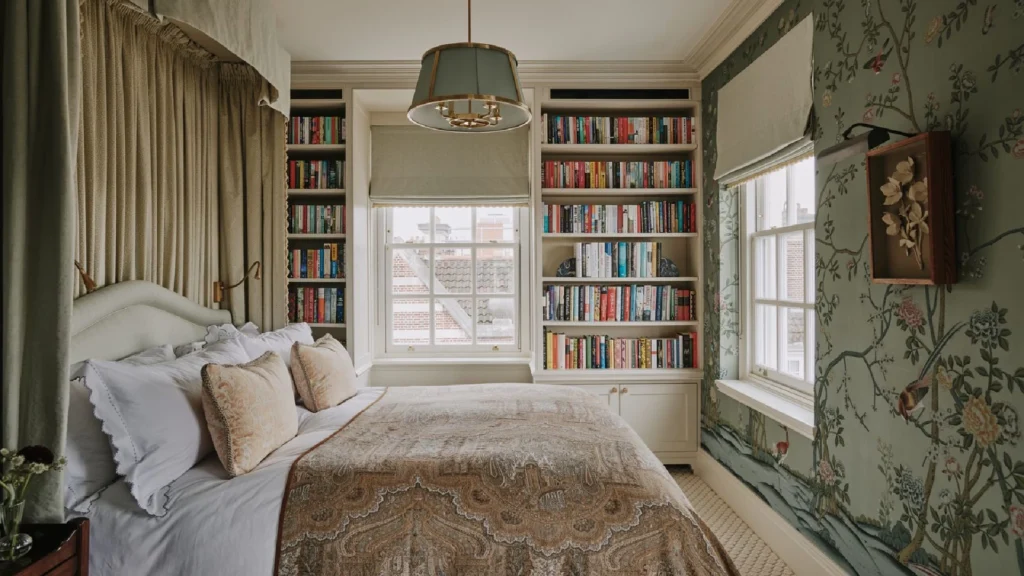
- Architecturally integrated storage
- Neutral yet luxurious color palettes
- Statement entrance halls
- High-spec kitchens with concealed appliances
- Consistent material language throughout the residence
Curating Mayfair’s Future Heritage
Furnishing Mayfair luxury apartments requires a nuanced understanding of heritage architecture, global lifestyle standards, and investment foresight. International buyers expect more than aesthetic beauty—they demand environments that embody permanence, discretion, and cultural fluency.
In the sphere of London high-end interior design, success lies in restraint, craftsmanship, and contextual sensitivity. The finest luxury properties in London are those where architecture, materiality, and furnishings align seamlessly—creating interiors that feel both globally informed and intrinsically Mayfair.
For designers, architects, and developers, the challenge is not simply to furnish a residence, but to curate a lasting narrative within one of the world’s most storied districts. In Mayfair, design does not chase trends; it defines legacy.