

From Milan to Miami, the global language of design is shaped by culture, climate, craftsmanship, and an ever-evolving dialogue between tradition and innovation. Today’s most compelling interiors no longer belong to a single geography. Instead, they emerge at the intersection of European refinement and American experimentation, where historic savoir-faire meets contemporary lifestyle-driven design.
For architects, interior designers, real estate professionals, and discerning private clients, understanding these cross-continental perspectives is no longer optional—it is essential. Milan interior design continues to define the intellectual and artisanal foundations of luxury, while Miami interior design reflects a new, expressive vision of modern living. Together, they outline a global blueprint for luxury interior design in the 21st century.
Milan: The Intellectual Capital of Interior Design
Milan interior design occupies a singular position in the global design ecosystem. Rooted in centuries of craftsmanship and elevated by rigorous architectural thinking, Milan has long functioned as the testing ground for ideas that later resonate worldwide. Design here is not decorative—it is cultural, architectural, and deeply considered.
Design as Cultural Continuity
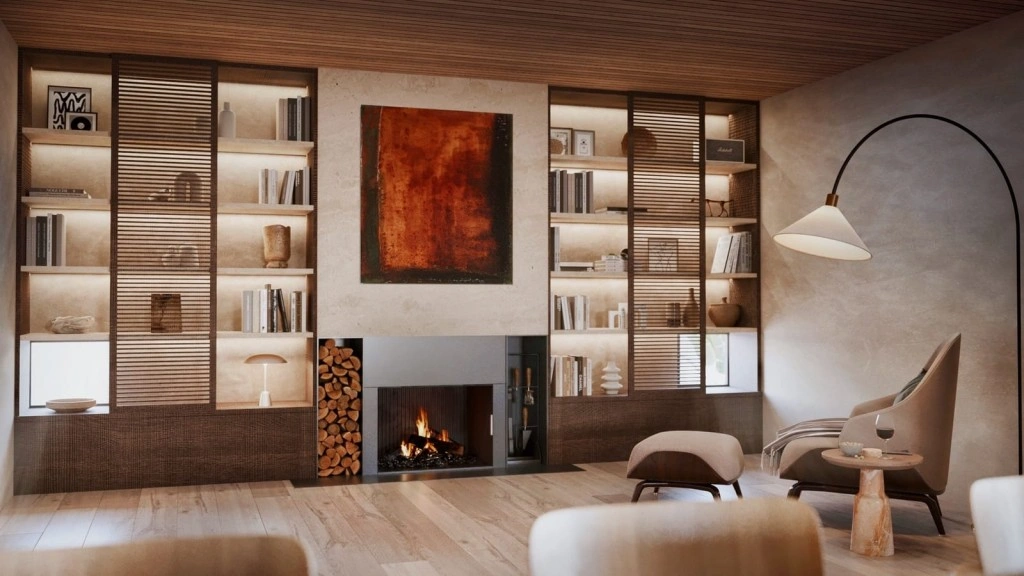
Italian interiors are shaped by an enduring respect for proportion, material integrity, and historical continuity. From rationalist architecture to postwar modernism, Milan interior design demonstrates how innovation can coexist with heritage. Luxury interior design in this context is subtle, restrained, and intellectually grounded.
Key characteristics include:
- Architectural coherence between furniture, space, and structure
- Noble materials such as marble, walnut, travertine, and brushed metals
- Timeless silhouettes designed to endure beyond trends
The Influence of Salone del Mobile
No discussion of Milan interior design is complete without acknowledging Salone del Mobile, the world’s most influential design fair. Each year, it sets the tone for global luxury interior design, introducing new materials, sustainability strategies, and spatial philosophies.
According to Salone del Mobile.Milano, the fair increasingly emphasizes design as a social and environmental responsibility—an ethos now reflected in residential and hospitality interiors worldwide.
Miami: Where Design Meets Lifestyle
If Milan is defined by intellectual rigor, Miami interior design is driven by lifestyle, light, and emotion. Positioned at the crossroads of North America, Latin America, and the Caribbean, Miami offers a unique cultural synthesis that has reshaped contemporary luxury interior design.
Climate as a Design Driver
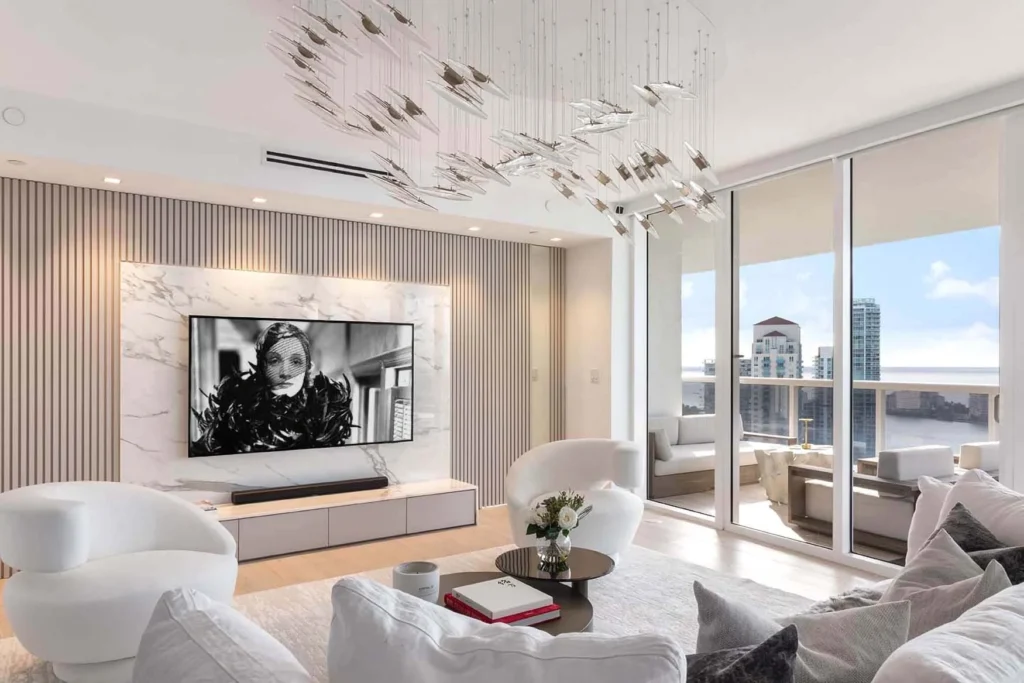
Miami interior design is inseparable from its environment. Abundant natural light, oceanfront vistas, and indoor-outdoor living dictate spatial planning and material choices. Interiors are conceived not as enclosed sanctuaries but as fluid extensions of the surrounding landscape.
Common elements include:
- Open-plan layouts that prioritize flow and flexibility
- Natural textures such as stone, linen, and light woods
- Soft, luminous palettes inspired by sand, sky, and sea
A New Expression of Luxury
Luxury interior design in Miami is expressive rather than restrained. While craftsmanship remains essential, there is greater freedom in scale, color, and form. Art plays a central role, often functioning as a focal point within the interior narrative.
This approach resonates strongly with high-net-worth individuals seeking spaces that feel personal, optimistic, and experiential rather than formal or inherited.
From Heritage to Experimentation: A Transatlantic Dialogue
The most compelling interiors today are born from a dialogue between Milan interior design principles and Miami interior design sensibilities. Rather than imitation, this exchange produces hybrid spaces that combine European discipline with American ease.
Material Intelligence Meets Spatial Freedom
Italian mastery of materials—stone, leather, metal, and wood—finds new expression in Miami’s expansive, light-filled spaces. The result is luxury interior design that feels both grounded and liberating.
Examples of this convergence include:
- Architectural furniture with sculptural presence in open Miami residences
- Neutral Italian palettes animated by Miami’s natural light
- Precision detailing paired with relaxed spatial planning
The Globalization of Taste
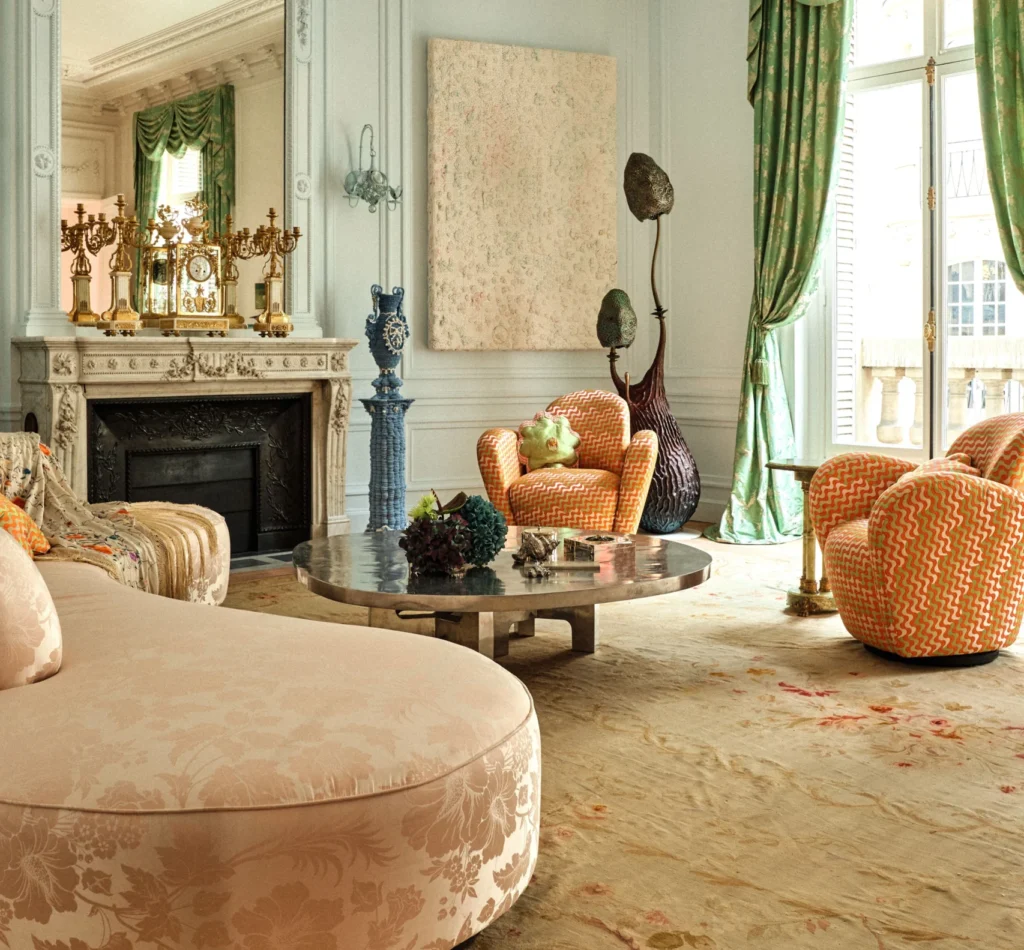
Today’s clients are globally mobile and culturally fluent. A penthouse in Miami may reflect Milanese restraint, while a European residence might incorporate the openness and warmth associated with Miami interior design. Luxury interior design has become borderless, informed by travel, art fairs, and international design events.
Luxury Interior Design for a New Generation
The convergence of Milan and Miami also reflects a broader generational shift. Contemporary luxury is less about formality and more about authenticity, sustainability, and emotional resonance.
Designing for Experience
Both Milan interior design and Miami interior design increasingly prioritize how spaces are lived in. Furniture is ergonomic, layouts are intuitive, and interiors support wellness, creativity, and social interaction.
Key priorities shaping luxury interior design today include:
- Longevity over trend-driven aesthetics
- Sustainable sourcing and responsible production
- Customization that reflects individual identity
The Role of Craft in Contemporary Luxury
Despite advances in technology, craftsmanship remains central. Milan continues to champion artisanal excellence, while Miami embraces bespoke solutions tailored to climate and lifestyle. Together, they redefine luxury interior design as something personal, intentional, and enduring.
Real Estate, Architecture, and Global Design Value
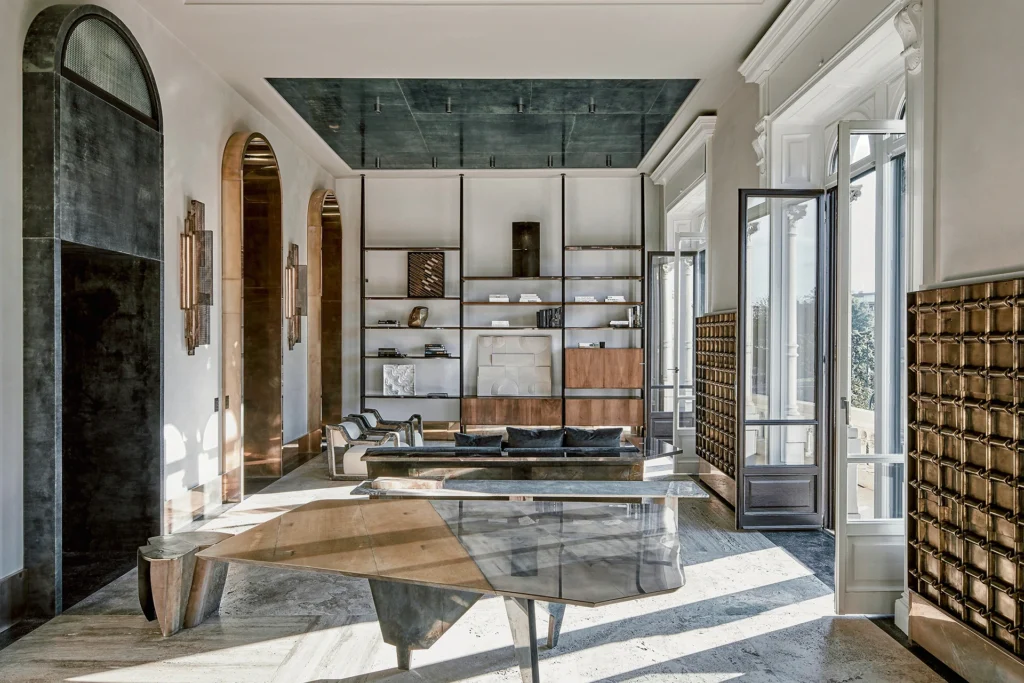
For real estate developers and investors, understanding these global design perspectives is a strategic advantage. Properties that successfully integrate Milan interior design principles with Miami interior design appeal achieve stronger international relevance and long-term value.
Design as an Asset
Luxury interior design directly influences perception, marketability, and emotional connection. A residence that reflects global sophistication speaks to an international clientele seeking more than location—they seek meaning, quality, and vision.
A Blueprint for the Future
As cities continue to compete on a global stage, design becomes a defining factor. Milan offers the intellectual framework; Miami provides the experiential canvas. Together, they shape the future of luxury interior design across residential, hospitality, and mixed-use developments.
A Global Design Mindset
From Milan to Miami, interior design tells a story of convergence rather than contrast. It is a narrative shaped by heritage and innovation, discipline and freedom, craftsmanship and lifestyle. For professionals and private clients alike, embracing these global perspectives allows for interiors that are not only beautiful, but culturally relevant and future-focused.
In an increasingly interconnected world, Milan interior design and Miami interior design are no longer separate chapters—they are part of the same global conversation, redefining what luxury interior design means today and tomorrow.