

In the rarefied air of global prime real estate, design is never incidental. From sculptural terraces overlooking Central Park to discreet Haussmannian apartments tucked behind carved oak doors, the dialogue between architecture and furnishing increasingly shapes not only aesthetic identity, but asset performance. Luxury interior design has evolved beyond ornamentation; it is now an intrinsic component of property valuation, liquidity, and legacy.
This is particularly evident in two emblematic typologies: Manhattan penthouse interiors and Paris pied-à-terre design. Though separated by geography and cultural codes, both represent apex expressions of urban refinement. In these environments, furniture is not a mere accessory. It is a strategic investment—curating narrative, reinforcing provenance, and influencing long-term value.
For architects, developers, and high-net-worth owners, the question is no longer whether furniture matters, but how profoundly it shapes both lifestyle and return on investment.
The Convergence of Design and Asset Performance
Historically, property value was calculated through location, square footage, and architectural pedigree. Today, particularly in ultra-prime markets, curated interiors significantly impact market perception and transaction velocity. As highlighted in research published by Knight Frank Research, lifestyle differentiation increasingly drives premium pricing in global cities.
In this landscape, luxury interior design becomes a financial strategy. A thoughtfully furnished residence:
- Enhances perceived architectural coherence
- Creates emotional resonance during private viewings
- Elevates media and marketing imagery
- Shortens time-to-sale in competitive markets
- Strengthens long-term brand identity for developers
Furniture, particularly bespoke or limited-edition pieces, operates as both cultural capital and tangible asset.
Manhattan Penthouse Interiors: Monumentality and Modernity
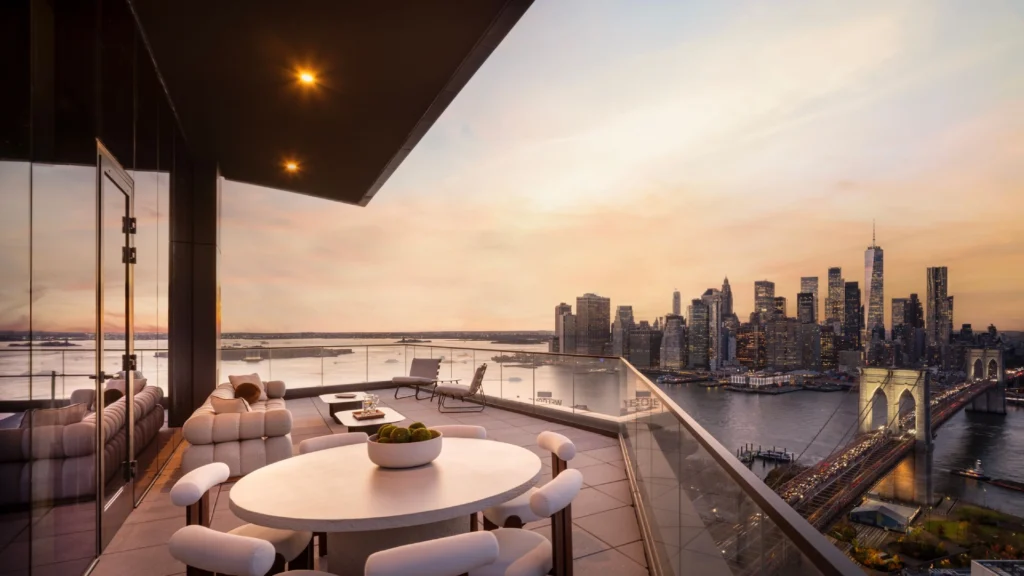
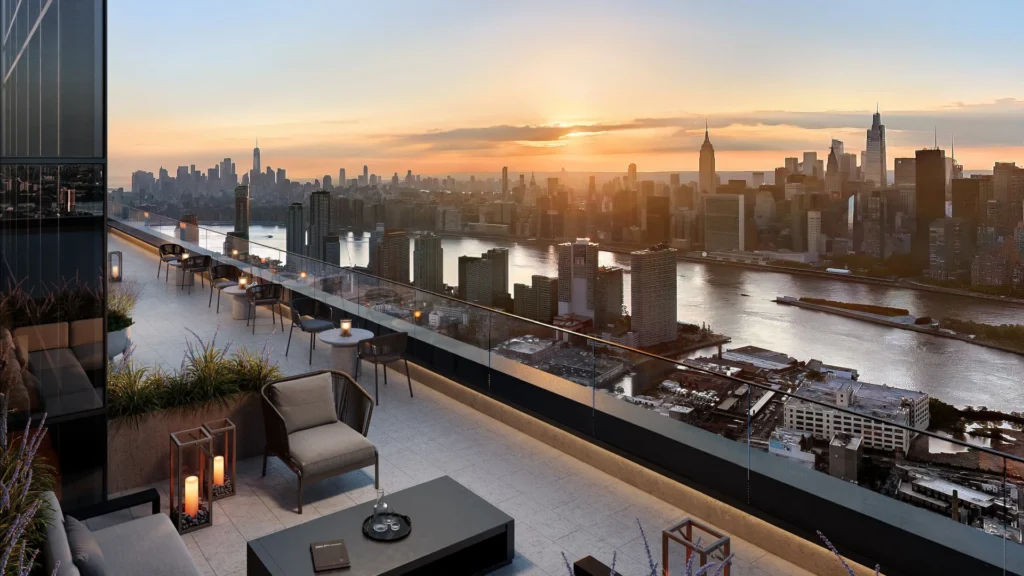
Few residential formats communicate status as immediately as the penthouse. Suspended above the Manhattan grid, these residences combine skyline drama with architectural ambition. Manhattan penthouse interiors are defined by scale—double-height ceilings, panoramic glazing, expansive terraces—and demand furnishings that match their spatial authority.
Spatial Proportion and Statement Pieces
In these vertical sanctuaries, furniture must command volume without overwhelming it. Generous sectional sofas, sculptural dining tables in stone or solid wood, and art-forward lighting installations anchor the space. The role of luxury interior design here is to balance monumentality with intimacy.
Key considerations for Manhattan penthouse interiors include:
- Architectural Dialogue: Furniture should echo structural geometry—clean lines for glass towers, warmer textures for limestone-clad buildings.
- Material Integrity: Natural stone, solid walnut, brushed brass, and hand-stitched leather reinforce permanence.
- Investment Pieces: Limited production furnishings with documented craftsmanship increase both aesthetic and collectible value.
Because these residences frequently serve as primary homes for global executives or investors, the furniture must withstand daily use while projecting enduring sophistication. Durability and design pedigree are equally weighted.
Resale and Legacy Value
In the upper tiers of the Manhattan market, turnkey properties often command premiums. When Manhattan penthouse interiors are furnished with cohesive, architecturally aligned collections, buyers perceive reduced friction and enhanced lifestyle immediacy. The furniture becomes part of the narrative—and sometimes part of the sale.
Well-curated interiors can:
- Increase perceived exclusivity
- Differentiate within new development towers
- Position the property within a specific cultural tier
- Support appraisal through quality documentation
Here, luxury interior design functions as both aesthetic expression and strategic positioning tool.
Paris Pied-à-Terre Design: Intimacy, Heritage, and Cultural Fluency
Where Manhattan penthouses celebrate expansiveness, Paris pied-à-terre design revolves around proportion, history, and atmosphere. Often located within historic Haussmann buildings in the 6th, 7th, or 8th arrondissements, these residences privilege craftsmanship and subtlety over spectacle.
Architectural Context as Guiding Principle
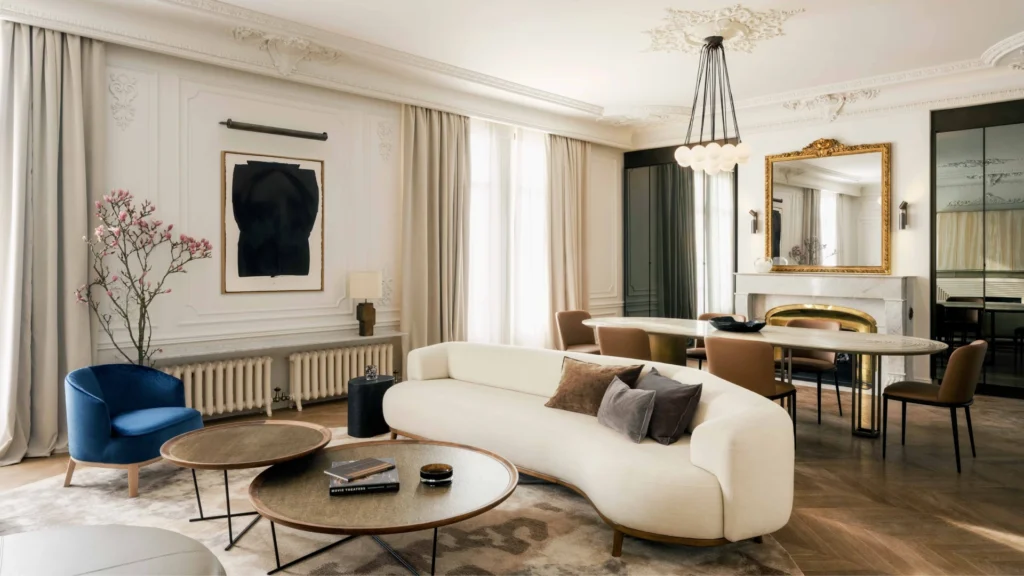
Original parquet floors, ornate moldings, marble fireplaces, and tall windows define the Parisian framework. Successful Paris pied-à-terre design respects these elements while introducing contemporary clarity.
Furniture selection in this context typically emphasizes:
- Scaled silhouettes suited to intimate salons
- Refined finishes—matte lacquers, brushed metals, natural linens
- Understated luxury rather than overt display
- Objects that bridge modernity and heritage
Unlike Manhattan penthouse interiors, where panoramic views dominate, Paris pied-à-terre design is inward-facing. The emphasis lies on curated detail, intellectual layering, and tactile nuance.
Furniture as Cultural Investment
In Paris, provenance carries exceptional weight. Pieces referencing European craftsmanship traditions—or produced by respected ateliers—enhance not only aesthetic coherence but cultural value. In these settings, luxury interior design becomes a quiet declaration of connoisseurship.
For international owners who utilize these apartments seasonally, furniture also contributes to liquidity. Turnkey Paris pied-à-terre design solutions reduce renovation risk for prospective buyers and maintain architectural integrity.
Furniture as an Asset Class
Across both typologies, a notable shift is occurring: high-quality furnishings are increasingly viewed as complementary assets rather than depreciating accessories.
Criteria That Influence Investment Value
Not all furniture appreciates or retains value equally. The following characteristics influence long-term performance:
- Craftsmanship: Hand-finished details and artisanal processes.
- Material Longevity: Solid wood, natural stone, and high-grade metals age gracefully.
- Limited Production: Scarcity enhances desirability.
- Brand Reputation: Established design houses or respected ateliers provide traceability.
- Design Timelessness: Avoiding trend-driven aesthetics protects future relevance.
When integrated into Manhattan penthouse interiors or Paris pied-à-terre design, such pieces contribute to an ecosystem of value—financial, cultural, and experiential.
Designing for Global Mobility
High-net-worth individuals increasingly maintain multiple residences. This global lifestyle requires consistency in quality and identity across continents. Whether furnishing a glass tower overlooking the Hudson or a Left Bank apartment steps from Saint-Germain, luxury interior design must translate seamlessly.
Consistency Without Replication
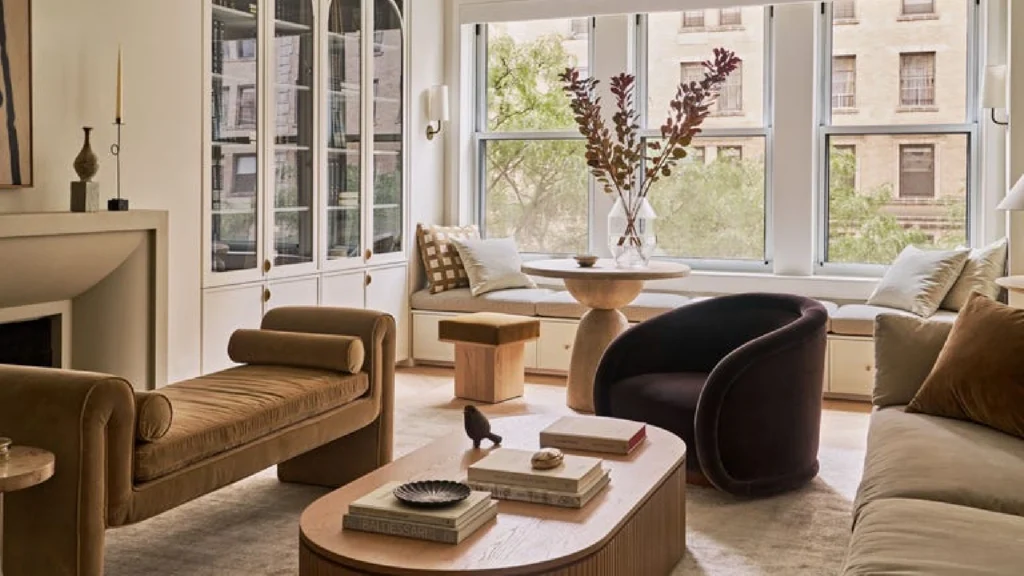
The most sophisticated collectors avoid duplicating interiors. Instead, they cultivate thematic continuity—shared material palettes, consistent craftsmanship standards, or signature silhouettes—while adapting to architectural context.
For example:
- A sculptural walnut dining table anchors expansive Manhattan penthouse interiors.
- A refined, scaled version in oak complements Paris pied-à-terre design.
- Custom upholstery fabrics provide subtle continuity across both residences.
This approach reinforces personal identity while respecting local architectural codes.
Sustainability and Long-Term Relevance
Sustainability is no longer peripheral in luxury interior design. For globally aware owners, environmental responsibility intersects directly with asset preservation.
Enduring furniture reduces replacement cycles, minimizes waste, and strengthens the narrative of thoughtful ownership. In prime real estate markets, sustainability credentials increasingly influence valuation and buyer perception.
In both Manhattan penthouse interiors and Paris pied-à-terre design, choosing responsibly sourced materials and durable construction supports long-term financial prudence as well as ethical positioning.
The Emotional Dividend
While metrics and market reports matter, one cannot overlook the emotional dividend. In high-value transactions, decision-making often transcends spreadsheets. A residence that feels complete—where luxury interior design articulates architecture rather than competes with it—creates emotional certainty.
In Manhattan, that might mean a living area oriented toward sunset views, anchored by sculptural seating that frames the skyline. In Paris, it could be a salon arranged around a marble cheminée, layered with refined textures that soften historic grandeur.
In both cases, furniture orchestrates experience. And experience drives value.
Strategic Recommendations for Investors and Designers
1. Align Furniture with Architectural DNA
Whether curating Manhattan penthouse interiors or refining Paris pied-à-terre design, furniture should amplify architectural intention rather than mask it.
2. Prioritize Timeless Over Trend-Driven
Investment-grade luxury interior design resists seasonal fads. Neutral palettes, noble materials, and balanced proportions endure.
3. Document Provenance
Maintain detailed records of materials, artisans, and production methods. Documentation enhances resale narratives.
4. Consider Turnkey Strategy Early
Developers and private owners alike benefit from integrating furnishing strategy during architectural planning. Cohesive Manhattan penthouse interiors and curated Paris pied-à-terre design solutions are most successful when conceived holistically.
Designing Beyond the Present Moment
From the vertical ambition of Manhattan to the intellectual intimacy of Paris, furniture is no longer a finishing touch—it is an investment instrument. Luxury interior design shapes perception, protects architectural integrity, and contributes meaningfully to asset performance.
In Manhattan penthouse interiors, furnishings translate scale into sophistication. In Paris pied-à-terre design, they mediate between heritage and modernity. Across both, they articulate discernment.
For architects, designers, and internationally mobile owners, the imperative is clear: curate with foresight. Select pieces that honor craftsmanship, align with architecture, and transcend ephemeral trends. In doing so, furniture becomes more than décor. It becomes part of the property’s enduring value—and part of its legacy.