

New York Interiors as a Living Design Laboratory
Few cities narrate the evolution of interior design as vividly as New York. From the geometric glamour of early twentieth-century Art Deco interiors to today’s softer, more human-centered organic modern interior design, the city’s residential and commercial spaces reflect shifting cultural values, technological progress, and lifestyle aspirations. New York interior design has never been static; it is a living, breathing dialogue between past and present, heritage and innovation.
For architects, designers, developers, and high-net-worth individuals, understanding how New York interiors are evolving offers more than aesthetic insight—it reveals how design responds to social change, urban density, and the growing desire for wellbeing-driven spaces. This evolution is not a rejection of history, but a reinterpretation of it, layered with contemporary sensibilities.
Art Deco Interiors: The Foundation of New York’s Design Identity
Art Deco interiors emerged in New York during the 1920s and 1930s as an expression of optimism, industrial progress, and metropolitan confidence. Influenced by advances in engineering and mass production, this movement celebrated symmetry, luxury materials, and bold geometries.
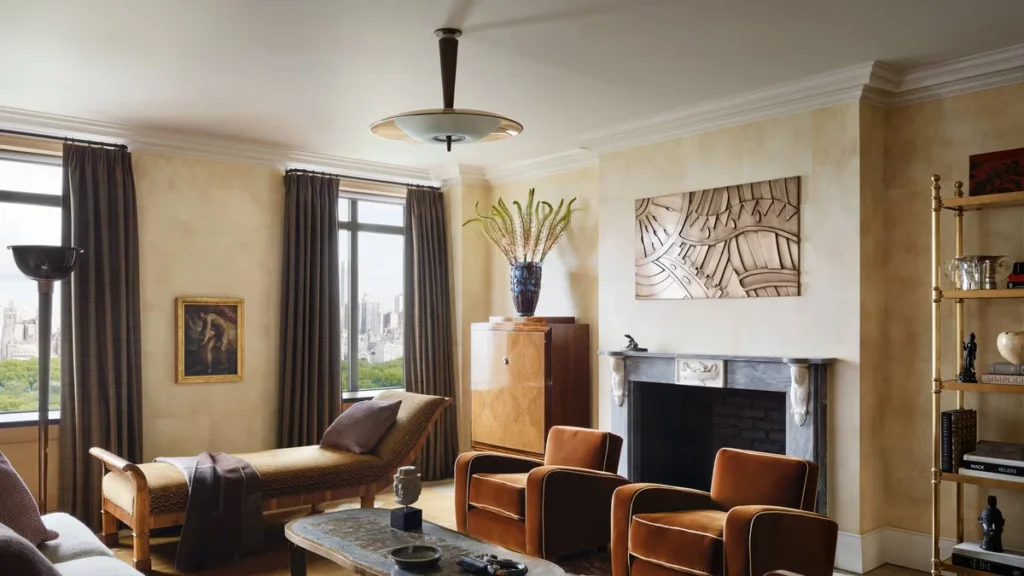
The Hallmarks of Art Deco Interiors
In classic New York interior design, Art Deco manifests through a precise visual language that remains instantly recognizable. These interiors were designed to impress, projecting status and modernity within apartments, hotels, theaters, and corporate spaces.
- Geometric patterns in floors, wall paneling, and decorative screens
- Luxurious materials such as marble, brass, lacquer, and exotic woods
- Streamlined forms that echo the rise of skyscraper architecture
- Ornamental lighting used as sculptural focal points
Buildings such as the Chrysler Building and Rockefeller Center set the tone not only architecturally but also for interiors that embodied confidence and permanence. Even today, Art Deco interiors continue to influence luxury apartments and hospitality projects, particularly those seeking a sense of timeless prestige.
Why Art Deco Still Resonates
The enduring appeal of Art Deco interiors lies in their ability to communicate order and sophistication in a fast-paced urban environment. In contemporary New York interior design, original Deco details are often restored or reinterpreted to add character and historical depth to modern spaces.
Mid-Century Transitions: A Bridge Between Ornament and Simplicity
Following World War II, New York interiors began to shift away from heavy ornamentation toward cleaner lines and functional layouts. This period introduced a more restrained aesthetic that laid the groundwork for today’s organic modern interior design.
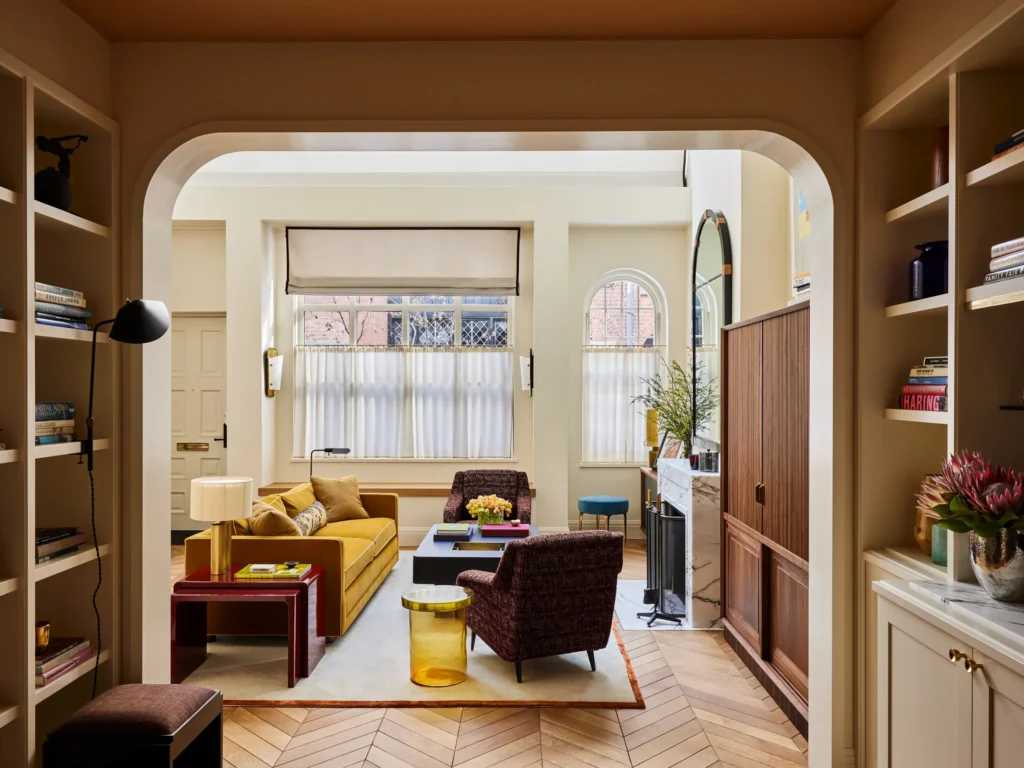
Modernism Meets Urban Living
Mid-century interiors prioritized efficiency and comfort, responding to changing demographics and lifestyles. Open-plan layouts, modular furniture, and an emphasis on natural light became increasingly common in New York apartments.
This era also introduced a closer relationship between interior spaces and city views. Floor-to-ceiling windows and minimal window treatments allowed the urban landscape to become part of the interior experience—an idea that continues to define New York interior design today.
The Rise of Organic Modern Interior Design in New York
In recent years, organic modern interior design has emerged as a defining force in the evolution of New York interiors. This approach blends the clean lines of modernism with natural materials, tactile surfaces, and a softer, more intuitive spatial flow.
Defining Organic Modern Interior Design
Unlike the bold assertiveness of Art Deco interiors, organic modern spaces are understated and emotionally resonant. They prioritize wellbeing, sustainability, and a connection to nature—qualities increasingly valued by global clients and urban residents alike.
- Natural materials such as wood, stone, linen, and clay
- Neutral palettes inspired by earth tones and natural light
- Curved forms that soften architectural rigidity
- Layered textures to create depth without excess decoration
In the context of New York interior design, organic modernism offers a counterbalance to the city’s intensity. It transforms apartments into retreats, fostering calm without sacrificing sophistication.
Wellbeing as a Design Driver
The growing influence of organic modern interior design reflects a broader cultural shift toward wellness-focused living. Post-pandemic lifestyles have heightened awareness of how interiors affect mental and physical health.
Designers are now integrating biophilic principles, improved acoustics, and flexible spaces that adapt to work, leisure, and social life. This evolution aligns New York interiors with global design priorities while maintaining the city’s distinctive edge.
Blending Art Deco Interiors with Organic Modernism
One of the most compelling trends in New York interior design is the thoughtful fusion of historic Art Deco interiors with contemporary organic modern elements. Rather than choosing between past and present, designers are layering them to create spaces rich in narrative and contrast.
Adaptive Reuse and Design Continuity
Many luxury renovations preserve original Deco features—such as chevron floors or decorative moldings—while introducing organic materials and modern furnishings. This approach respects architectural heritage while aligning interiors with current lifestyles.
- Restore original Art Deco elements as architectural anchors
- Introduce organic textures to soften formal geometries
- Use contemporary lighting to bridge eras seamlessly
This design strategy appeals strongly to international buyers who value authenticity and craftsmanship alongside contemporary comfort.
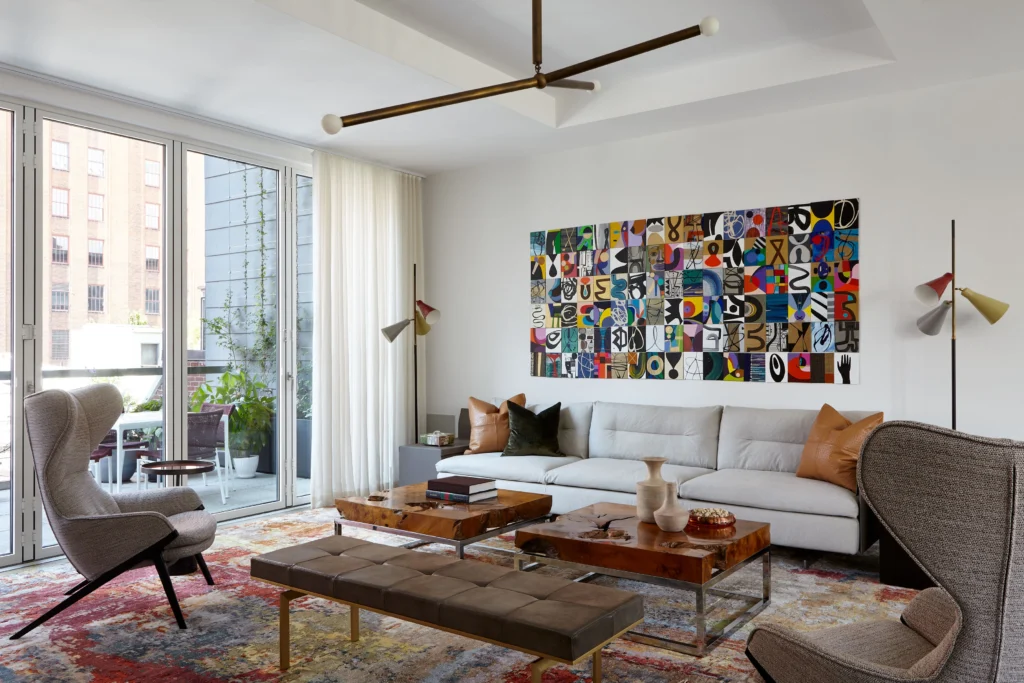
New York Interior Design as a Global Influence
New York has long served as a reference point for interior design worldwide. Its ability to absorb global influences while maintaining a strong identity makes it uniquely influential.
A City Shaping International Design Language
From Paris to Miami, London to Dubai, designers draw inspiration from New York’s evolving interiors. The transition from Art Deco interiors to organic modern interior design mirrors a global movement toward balanced luxury—spaces that are refined yet livable.
According to Architectural Digest, New York remains a testing ground for design innovation, where historical context and contemporary experimentation coexist.
Luxury Real Estate and the Future of New York Interiors
In the luxury real estate market, interior design has become a decisive factor in property value and desirability. High-end developments increasingly reflect organic modern interior design principles while referencing New York’s architectural legacy.
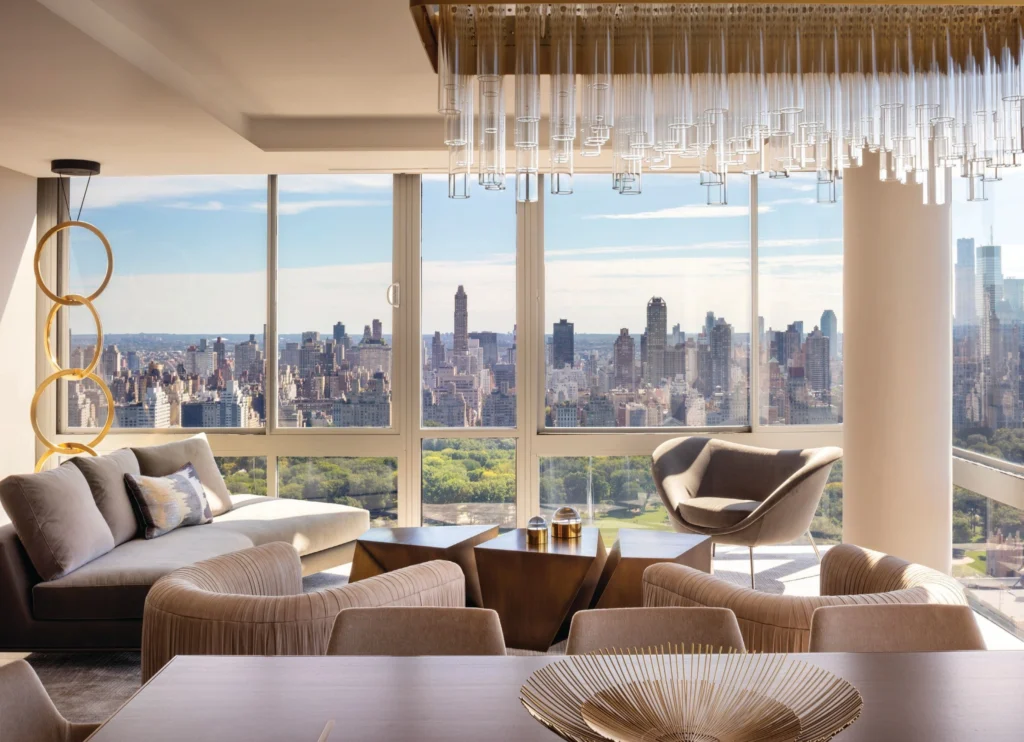
What High-Net-Worth Buyers Are Seeking
- Timeless aesthetics rooted in historical context
- Custom craftsmanship and natural materials
- Flexible layouts for evolving lifestyles
- Discreet luxury rather than overt opulence
Art Deco interiors, when thoughtfully updated, continue to signal prestige, while organic modern design answers contemporary expectations of comfort and sustainability.
An Ongoing Evolution
The evolution from Art Deco interiors to organic modern interior design illustrates how New York interior design continually adapts without losing its soul. Each era builds upon the last, creating interiors that are layered, expressive, and deeply connected to the city’s cultural rhythm.
For professionals and design-conscious individuals, New York offers a masterclass in how interiors can honor history while embracing change. As the city moves forward, its interiors will continue to reflect not only aesthetic trends, but also the values and aspirations of those who inhabit them.