
Faye Toogood and Experimental Interiors: Exploring Craft and Materiality in the UK
Faye Tooogood stands at the forefront of experimental interiors, redefining how designers engage with craft, materiality, and spatial storytelling. Operating from London, her multidisciplinary studio challenges conventional boundaries between art, furniture, and architecture. Her work resists stylistic repetition, instead embracing intuitive processes and tactile exploration.
For interior designers and architects, Tooogood’s approach offers a compelling alternative to trend-driven design. By prioritizing raw materials, handmade processes, and sculptural form, she demonstrates how interiors can evoke emotion, narrative, and physical presence—key factors in luxury and collectible design sectors.
A Brief Biography of Faye Tooogood
- Born in the United Kingdom in 1977
- Studied Art History at the University of Bristol
- Former Interiors Editor at The World of Interiors
- Founded Studio Toogood in London in 2008
- Works across interiors, furniture, sculpture, and fashion
- Collaborated with brands such as Hermès, Comme des Garçons, and Carhartt
- Exhibited internationally, including the Victoria & Albert Museum and major U.S. institutions
- Works held in permanent museum collections worldwide
This trajectory—from editorial styling to globally recognized designer—has shaped her highly visual and narrative-driven design language.
The Philosophy of Materiality and Craft
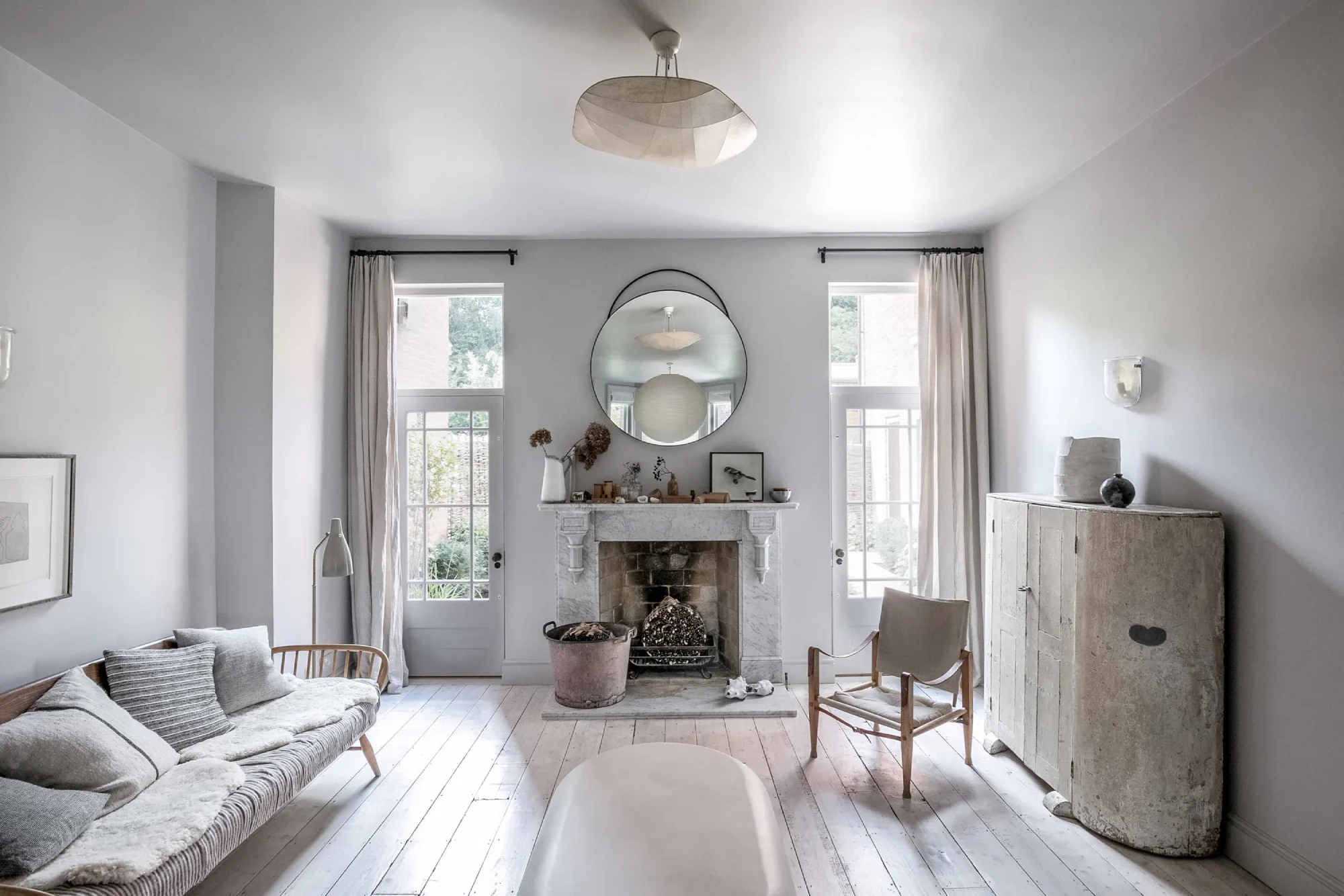
At the core of Faye Tooogood’s practice lies a deep commitment to material honesty. Rather than concealing imperfections, her work celebrates irregularity, texture, and the inherent qualities of each medium. This philosophy aligns closely with contemporary movements in collectible design and sustainable craftsmanship.
Her studio collaborates with small-scale fabricators and traditional artisans, ensuring that each piece retains a sense of human touch. Materials such as clay, resin, bronze, and raw textiles are often used in their most expressive forms, emphasizing tactility over polish.
This approach is particularly relevant for luxury interiors, where authenticity and uniqueness increasingly outweigh mass production.
Key Characteristics of Tooogood’s Experimental Interiors
Material-first design: Concepts emerge from physical exploration rather than sketches
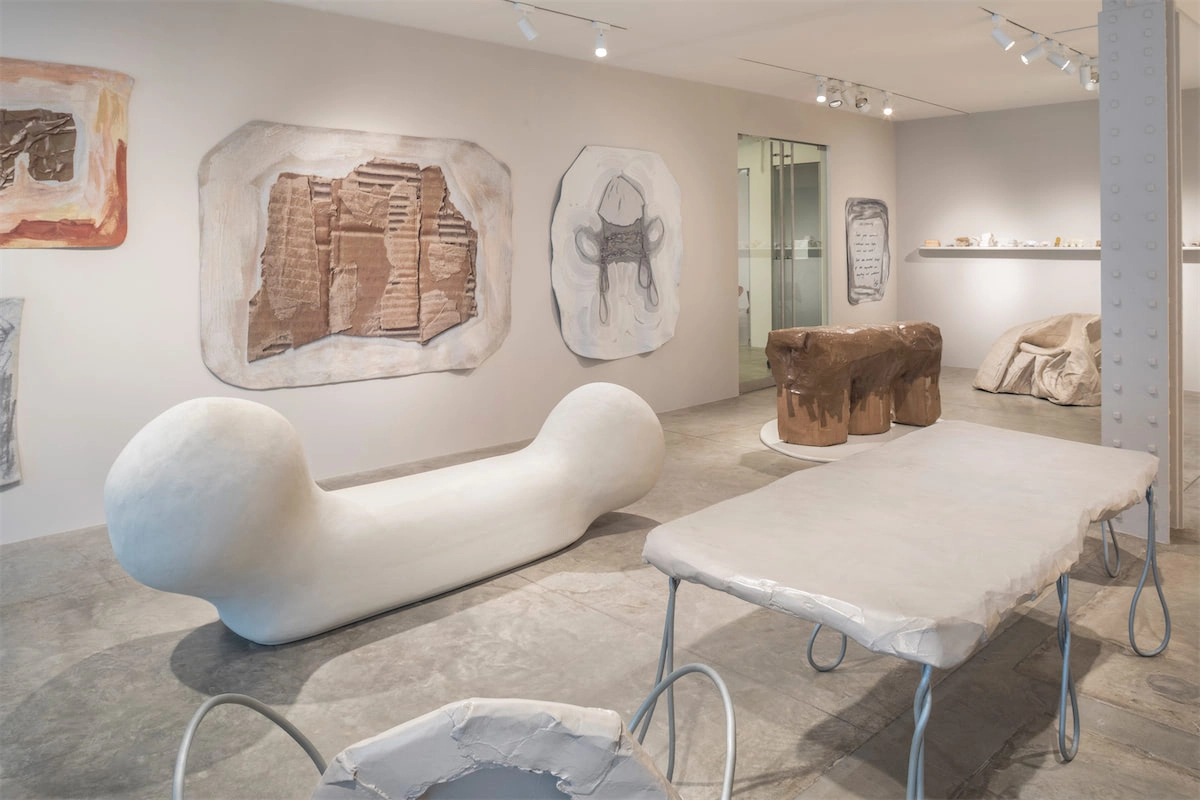
Sculptural forms: Furniture often reads as art objects
Assemblage methodology: Projects are grouped into thematic “chapters”
Cross-disciplinary practice: Interiors, fashion, and objects inform one another
Handmade processes: Collaboration with artisans ensures uniqueness
Emotional resonance: Spaces are designed to evoke feeling, not just function
These characteristics make her work particularly influential among high-end residential and gallery-based interior projects.
Assemblage as a Design System
One of Tooogood’s most distinctive contributions is her “Assemblage” framework. Rather than producing isolated pieces, she develops collections that function as cohesive ecosystems of objects, materials, and spatial narratives.
Each Assemblage explores a specific conceptual or material theme, allowing for deeper experimentation. This method frees designers from linear product development, encouraging a more holistic approach to interiors.
For architects and designers, this strategy offers a blueprint for creating immersive environments where furniture, finishes, and spatial design are conceived simultaneously—resulting in stronger conceptual coherence.
Materials and Techniques Frequently Used
- Sand-cast aluminum for raw, industrial textures
- Hand-molded clay for organic, imperfect forms
- Crystal resin and glass for translucency and light play
- Textile layering and appliqué techniques
- Painted surfaces inspired by fine art practices
- Experimental composites developed in studio settings
These techniques reinforce her commitment to pushing the boundaries of traditional furniture and interior fabrication.
The Role of Nature and Landscape in Her Work
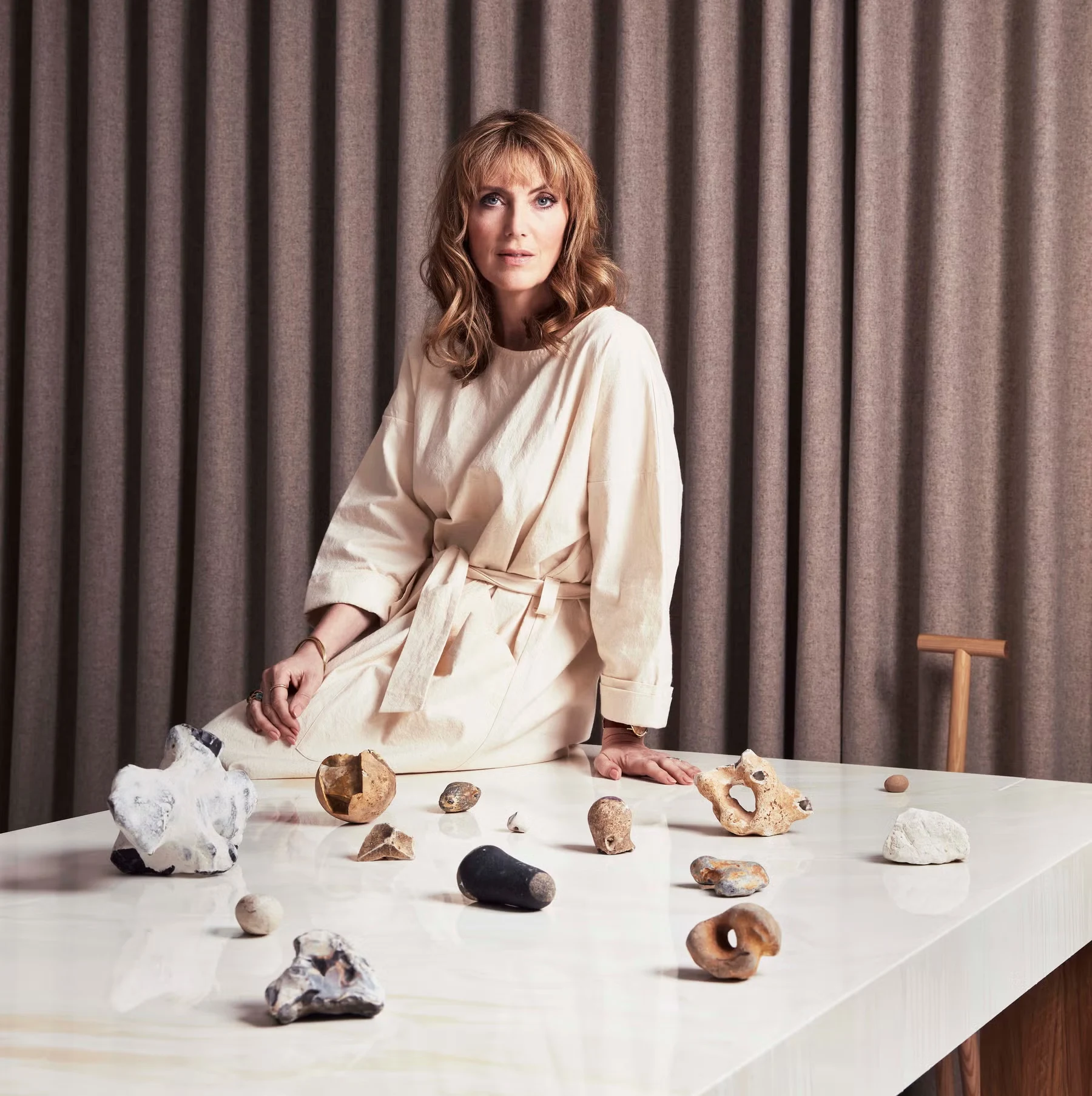
Faye Tooogood’s upbringing in rural England continues to shape her aesthetic sensibility. Her early habit of collecting stones, shells, and organic fragments evolved into a lifelong design methodology rooted in observation and curation.
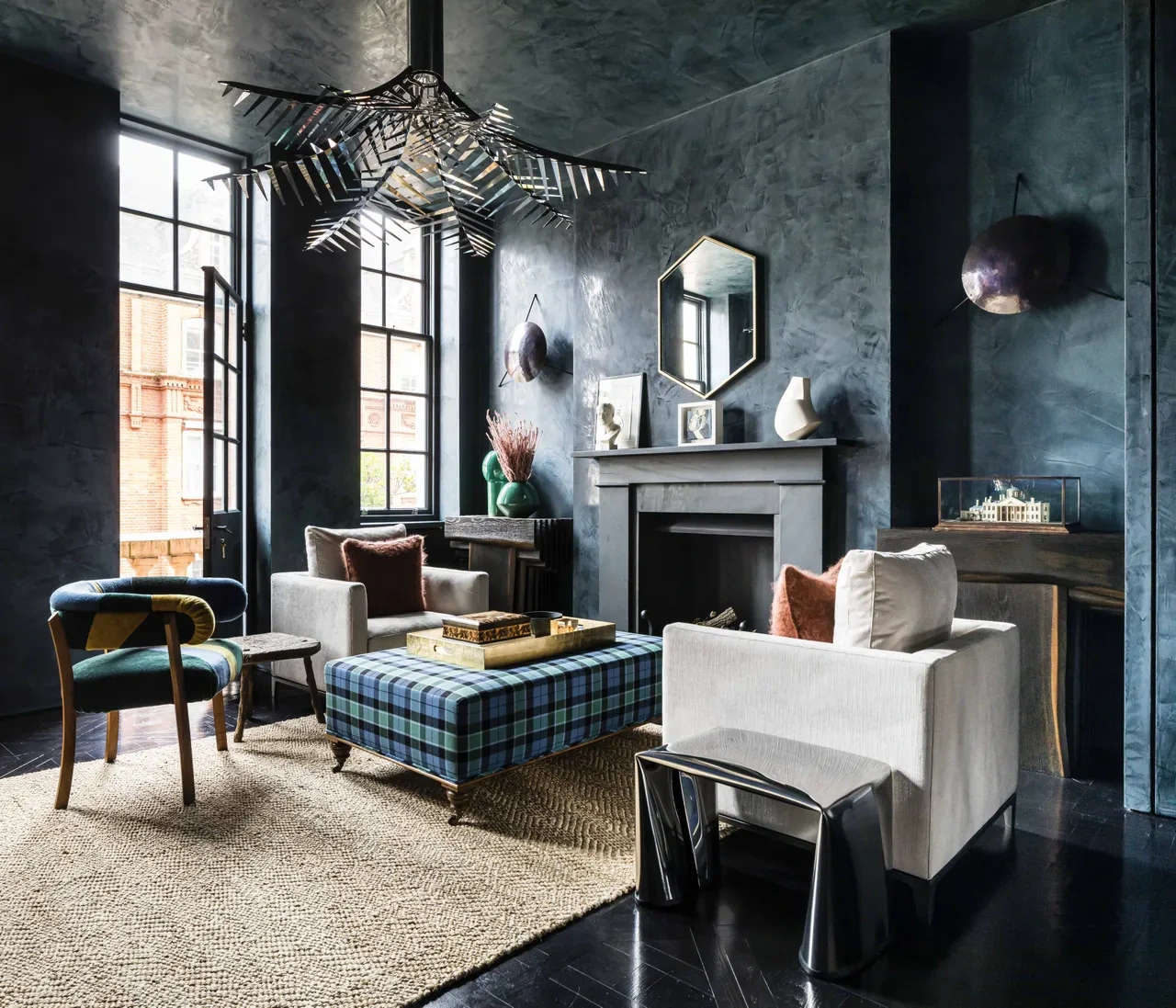
Nature is not merely referenced—it is translated into material language. Earthy palettes, tactile surfaces, and irregular geometries evoke landscapes rather than replicate them. This approach allows interiors to feel grounded and atmospheric without relying on literal motifs.
For luxury design studios, this nature-driven abstraction offers a sophisticated alternative to biophilic clichés, emphasizing emotional connection over visual imitation.
Signature Works and Iconic Pieces
- Roly-Poly Chair: Sculptural seating with exaggerated, rounded legs
- Spade Chair: Minimal yet expressive form in cast metal
- Assemblage collections: Conceptual series exploring material themes
- Experimental installations: Immersive environments blending art and design
- Textile and fashion collaborations: Extending spatial ideas into wearable form
These works demonstrate her ability to create objects that function simultaneously as furniture and sculpture.
Experimental Interiors: Beyond Functionality
Tooogood’s interiors challenge the traditional hierarchy of function over form. Instead, she treats space as a medium for artistic expression, where objects, textures, and volumes interact dynamically.
Her projects often blur boundaries between installation art and interior architecture. Furniture may appear oversized, abstract, or intentionally “unfinished,” inviting users to engage with space in unconventional ways.
This philosophy is particularly valuable in high-end retail and gallery environments, where experiential design drives engagement and brand identity.
Lessons for Interior Designers and Architects
- Embrace material experimentation early in the design process
- Collaborate with artisans to elevate craftsmanship
- Develop cohesive narratives rather than isolated objects
- Allow imperfections to enhance authenticity
- Integrate art and design disciplines for richer outcomes
- Prioritize emotional impact alongside functionality
These principles can help professionals create interiors that stand out in competitive luxury markets.
The Intersection of Art, Fashion, and Interiors
A defining aspect of Faye Tooogood’s work is her seamless movement between disciplines. Her fashion line, developed with her sister Erica, reflects the same sculptural and material-driven ethos seen in her interiors.
This cross-pollination enables a holistic design language, where garments, furniture, and spaces share a common conceptual foundation. For design studios, this approach opens opportunities for brand storytelling across multiple touchpoints.
It also reinforces the growing convergence between fashion and interior design within the luxury sector.
Intellectual Property Considerations in Experimental Design
- Sculptural furniture may qualify for design rights or copyright protection
- Unique material processes can be protected as trade secrets
- Limited-edition pieces enhance exclusivity and legal defensibility
- Documentation of creative process supports IP claims
- Cross-disciplinary work requires careful licensing agreements
For designers working in collectible or experimental fields, protecting originality is essential. Tooogood’s practice illustrates how strong authorship and recognizable form language can reinforce intellectual property value.
The Future of Material-Driven Interiors in the UK
Faye Tooogood’s influence extends beyond her own studio, shaping a broader movement toward material-led design in the UK. As sustainability, craftsmanship, and authenticity become increasingly important, her approach offers a roadmap for future practice.
Emerging designers are adopting similar methodologies, focusing on local production, experimental processes, and interdisciplinary collaboration. This shift signals a move away from mass-produced interiors toward more meaningful, tactile environments.
For architects and luxury studios, this evolution presents both a challenge and an opportunity to rethink how spaces are conceived and executed.
Conclusion: Redefining Interior Design Through Craft
Faye Tooogood’s work represents a fundamental shift in how interiors are designed and experienced. By prioritizing craft, materiality, and experimentation, she challenges conventional notions of functionality and aesthetics.
Her multidisciplinary approach offers valuable insights for designers seeking to create distinctive, emotionally resonant spaces. In an industry increasingly driven by authenticity and storytelling, Tooogood’s philosophy provides a powerful framework for innovation.
Ultimately, her work reminds us that interiors are not just spaces to inhabit—they are mediums for expression, exploration, and human connection.