

Entertaining has evolved beyond formal dining rooms and reserved salons. In contemporary homes, social living unfolds across fluid interiors where conversation, cuisine, and culture intersect. Designing for entertaining today is as much about atmosphere as it is about architecture—an intentional choreography of space, material, and furniture that supports connection. At the center of this evolution stands luxury furniture, not as ornament, but as an essential framework for modern hospitality.
For architects, interior designers, real estate professionals, and globally minded homeowners, the question is no longer how a room looks in isolation, but how it performs socially. Modern furniture design plays a defining role in shaping these experiences, translating design intelligence into environments that feel generous, intuitive, and enduring.
The Social Architecture of Contemporary Living
Entertaining spaces today are rarely confined to a single room. Open-plan living, indoor-outdoor continuity, and multifunctional layouts reflect a broader cultural shift toward informal sophistication. Furniture must respond to this openness by providing structure without rigidity.
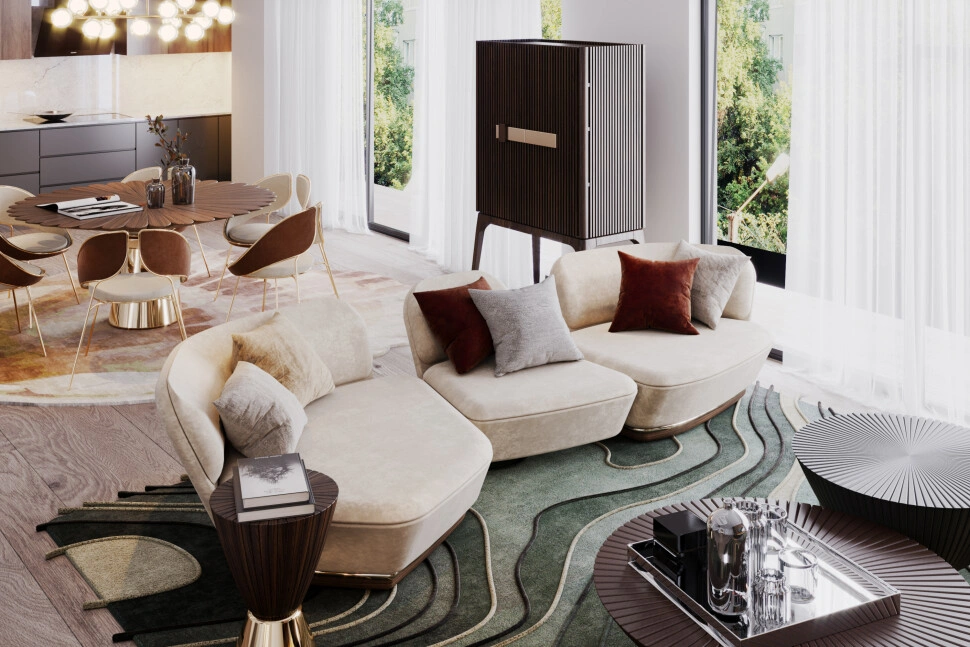
In this context, luxury furniture is distinguished by its ability to anchor space while remaining adaptable. Modular seating systems, sculptural tables, and mobile accent pieces allow interiors to transform effortlessly—from intimate gatherings to larger social occasions—without sacrificing aesthetic coherence.
From Fixed Rooms to Flexible Scenarios
The most successful entertaining environments anticipate movement. Guests circulate, conversations shift, and activities overlap. Modern furniture design embraces this dynamism through thoughtful proportions and fluid configurations.
- Low-profile seating encourages relaxed interaction.
- Expandable dining tables accommodate evolving guest lists.
- Lightweight occasional furniture supports spontaneous reconfiguration.
This flexibility is not casual—it is carefully designed. When furniture adapts seamlessly, hosting becomes intuitive rather than orchestrated.
Seating as a Catalyst for Connection
Seating defines the emotional tone of any social space. Whether in a private residence or a luxury hospitality setting, the arrangement of sofas, chairs, and benches determines how people engage with one another.
Well-considered luxury furniture prioritizes comfort without indulgence, offering ergonomic support while maintaining visual restraint. Deep seating invites lingering conversations; structured silhouettes maintain architectural clarity.
The Rise of Conversational Layouts
Linear seating aligned with walls has given way to more inclusive compositions. Curved sofas, sectional arrangements, and opposing chairs foster dialogue and eye contact.
Modern furniture design increasingly favors organic geometries that soften interiors and dissolve hierarchies within social groups. These forms subtly guide interaction, encouraging guests to engage rather than observe.
Dining Spaces Reimagined for Social Rituals
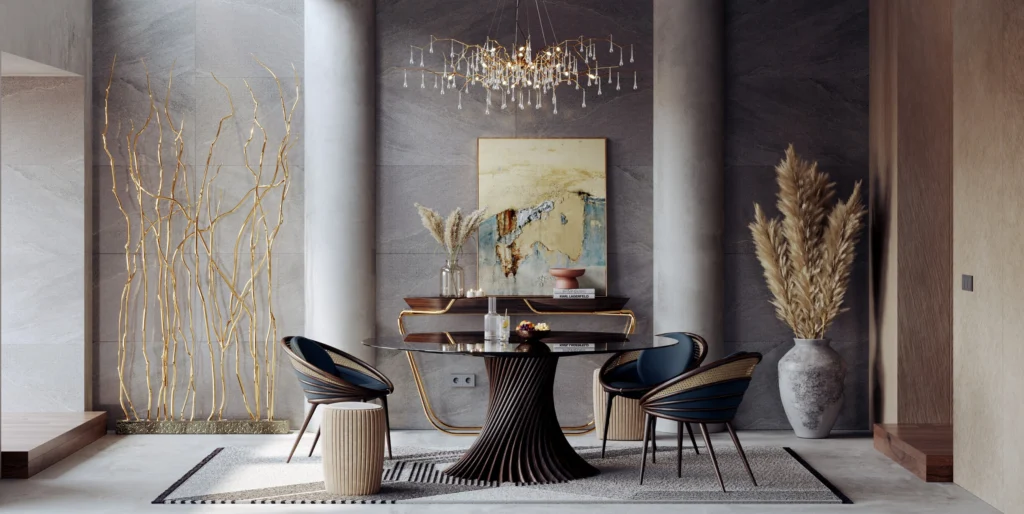
Dining remains the ceremonial heart of entertaining, yet its role has expanded. Meals blend into discussions, work sessions, and cultural exchange. The dining table is no longer a static object but a social platform.
In refined interiors, luxury furniture elevates dining through materiality and proportion rather than excess. Tables crafted from solid wood, stone, or innovative composites offer tactile richness while grounding the space.
Designing the Table as a Gathering Point
Successful dining furniture balances presence and restraint. Overscaled tables communicate generosity; slender profiles maintain elegance.
- Rounded edges promote ease of movement and intimacy.
- Integrated extensions preserve visual continuity.
- Comfortable dining chairs encourage guests to linger.
These considerations reflect the essence of modern furniture design: thoughtful solutions that enhance lived experience.
Material Intelligence and Sensory Experience
Entertaining is inherently sensory. Beyond visual appeal, the materials that define a space influence acoustics, tactility, and atmosphere. In high-end interiors, material choices communicate cultural literacy and environmental awareness.
Luxury furniture distinguishes itself through authenticity of materials and precision of craftsmanship. Natural woods, refined upholstery, and stone surfaces age gracefully, acquiring character through use.
Balancing Durability and Refinement
Entertaining furniture must withstand frequent use without appearing utilitarian. Modern furniture design addresses this challenge through advanced finishes, performance textiles, and resilient construction techniques.
According to Architectural Digest, material selection is increasingly central to creating interiors that feel both luxurious and livable, reinforcing the importance of thoughtful specification in social spaces.
Lighting, Accessories, and the Supporting Cast
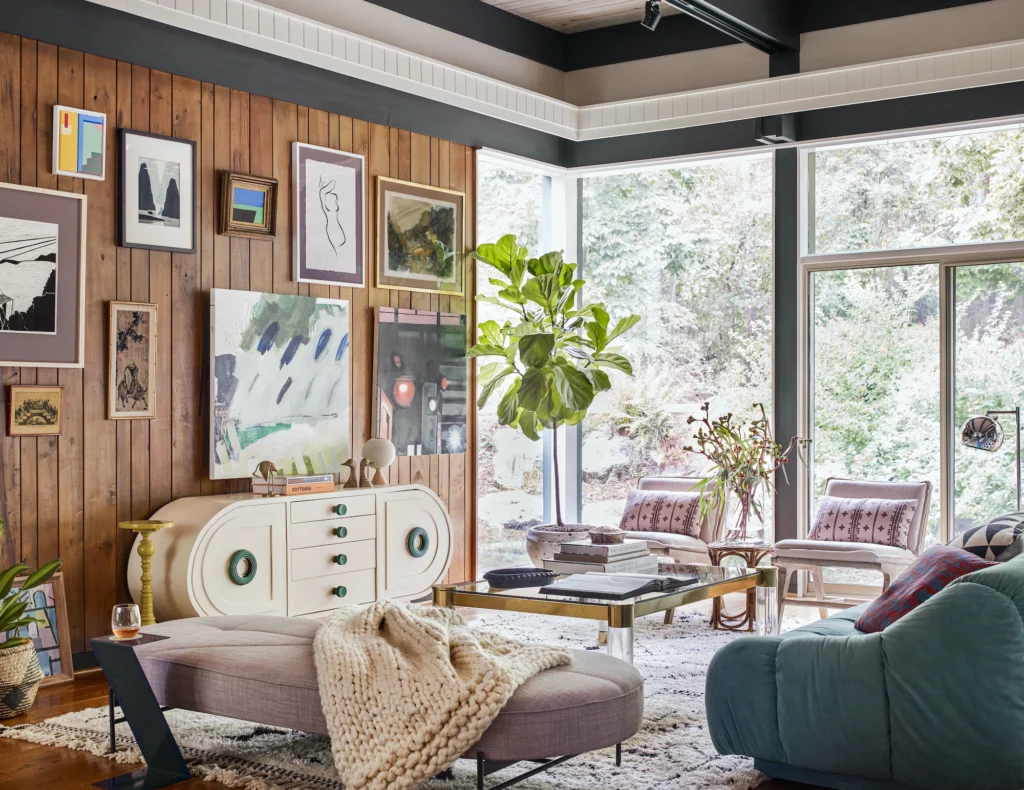
While primary furniture establishes the framework, secondary elements refine the experience. Side tables, consoles, and lighting act as facilitators—supporting hospitality without demanding attention.
In curated interiors, luxury furniture extends to these pieces through consistency of language and material. Cohesion ensures that no element disrupts the social rhythm of the space.
The Role of Accent Furniture
Accent pieces introduce moments of flexibility and surprise. A sculptural stool becomes extra seating; a console transforms into a bar during gatherings.
Modern furniture design excels when these objects serve multiple purposes while maintaining aesthetic integrity.
Entertaining Across Cultures and Contexts
Globalization has reshaped how we entertain. Homes increasingly reflect multicultural influences, blending traditions and contemporary lifestyles. Furniture becomes a universal language—bridging cultures through shared values of comfort, beauty, and craftsmanship.
For international clients and design professionals, luxury furniture offers a means of expressing cultural fluency. Pieces that feel equally at home in New York, Milan, or Dubai reflect a cosmopolitan approach to living.
Designing for Global Lifestyles
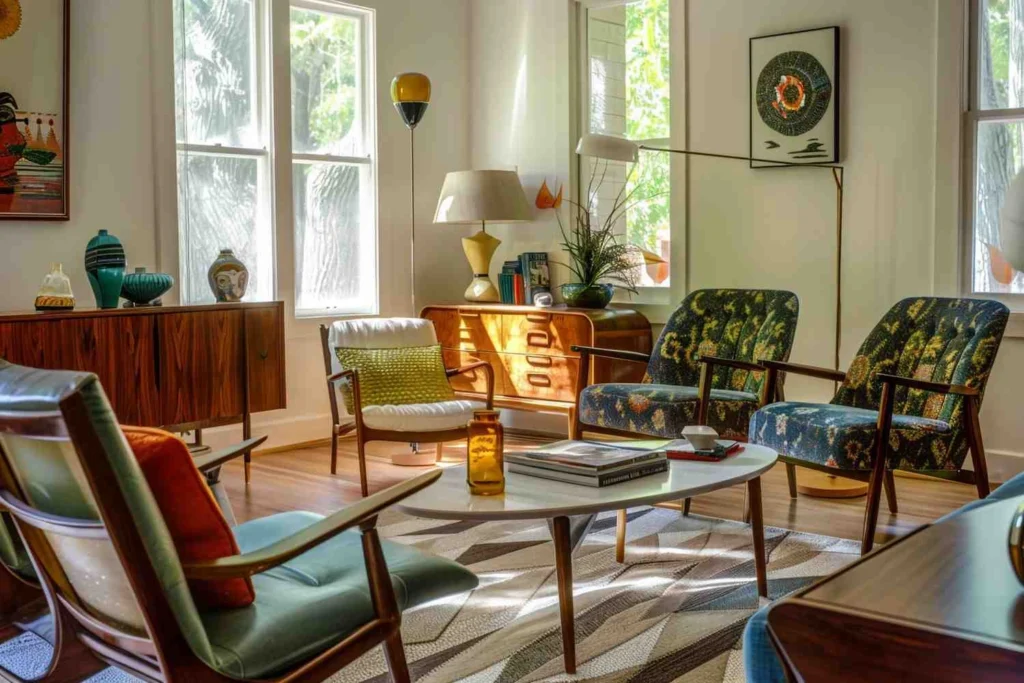
Entertaining styles vary—from formal dinners to relaxed aperitifs—yet the underlying need remains the same: spaces that welcome and adapt. Modern furniture design responds by emphasizing versatility and timelessness over trend.
Sustainability as a New Standard of Luxury
Today’s definition of luxury is inseparable from responsibility. Entertaining furniture must not only perform socially but also ethically. Sustainable sourcing, longevity, and adaptability are increasingly valued by discerning clients.
Luxury furniture designed for longevity reduces the need for frequent replacement, aligning environmental consciousness with aesthetic permanence.
Timeless Design Over Disposable Trends
Furniture that transcends fashion supports evolving lifestyles and reduces environmental impact. Modern furniture design grounded in proportion, material honesty, and craftsmanship remains relevant across decades.
Designing Spaces That Bring People Together
Entertaining is ultimately about connection—between people, cultures, and ideas. Furniture shapes these interactions quietly yet profoundly. When thoughtfully designed, it transforms interiors into places of generosity and exchange.
For professionals and private clients alike, investing in luxury furniture is not about display but about experience. Modern furniture design that prioritizes adaptability, material intelligence, and social flow creates environments where hosting feels effortless and meaningful.
In an era where homes are increasingly central to our social lives, designing for entertaining is no longer optional—it is essential. The most compelling interiors are those that invite people to stay, connect, and return.