

Where Ritual Meets Refinement
Across the globe, the most revered luxury restaurants are not merely places to dine; they are immersive cultural experiences shaped by ritual, memory, and meticulous design. In an era where gastronomy and aesthetics are inseparable, luxury restaurant design has evolved into a sophisticated discipline—one that blends architecture, interior design, craftsmanship, and storytelling. For architects, designers, and culturally attuned patrons alike, these spaces reveal how ritualized design decisions elevate dining into an art form.
From hushed Parisian dining rooms to theatrical Tokyo counters and sun-drenched Mediterranean terraces, the world’s most beautiful restaurant interiors are defined by intentional sequences—how one arrives, sits, observes, and ultimately remembers. This article explores the design rituals behind iconic fine dining spaces, decoding how fine dining design trends are shaped by culture, materiality, and emotional resonance.
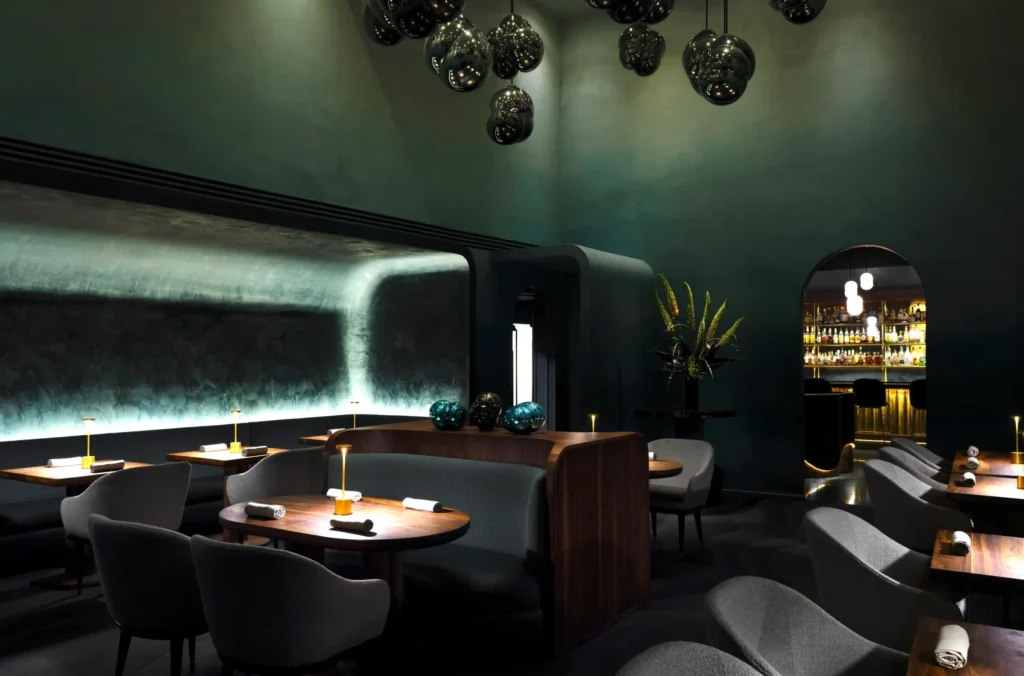
The Ritual of Arrival: Setting the Emotional Tone
In luxury hospitality, arrival is a carefully orchestrated moment. It is the threshold where exterior context dissolves and a curated world begins. The finest luxury restaurant design treats this transition as ceremonial, using spatial compression, lighting shifts, and tactile materials to heighten anticipation.
Many celebrated restaurants employ discreet entrances, often devoid of signage, reinforcing exclusivity and discovery. This ritual of arrival mirrors traditional cultural practices—from Japanese tea houses to European private clubs—where the act of entering is itself a form of respect.
- Architectural sequencing that slows movement and sharpens awareness
- Material contrasts between exterior and interior to mark transition
- Controlled lighting that guides the guest inward
Spatial Choreography: Designing the Flow of Experience
At the heart of beautiful restaurant interiors lies spatial choreography. Unlike residential or retail design, fine dining spaces must balance intimacy with performance. The layout becomes a silent conductor, directing sightlines, acoustics, and human interaction.
Contemporary fine dining design trends favor fluid zoning over rigid separation. Dining rooms often unfold as a series of connected atmospheres rather than a single grand space, allowing guests to experience progression without distraction.
According to insights shared by the Architectural Digest, today’s leading restaurant interiors prioritize experiential flow as much as visual impact, ensuring that each spatial moment feels intentional and unforced.
Open Kitchens as Modern Ritual
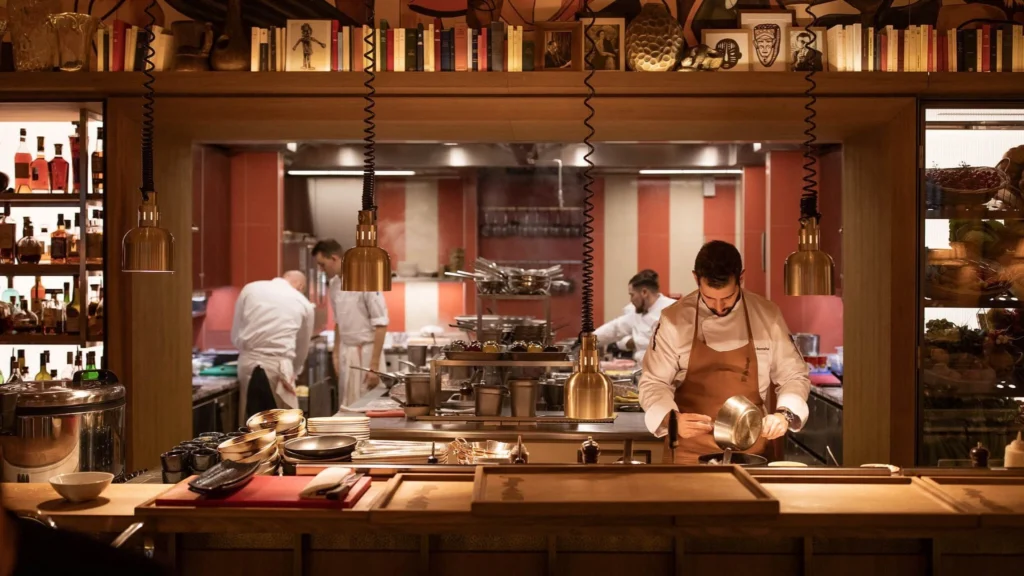
The open kitchen has become a defining element of modern luxury restaurant design. Far from a functional choice alone, it reflects a cultural shift toward transparency, craftsmanship, and performance. Watching chefs work is now part of the dining ritual, transforming preparation into theatre.
Designers respond by framing kitchens as sculptural centers, often using bespoke materials, custom lighting, and refined acoustics to maintain elegance without sacrificing authenticity.
Materiality and Craft: The Language of Luxury
Materials speak before menus are read. In the world’s most beautiful restaurant interiors, material selection is never arbitrary. Stone, wood, metal, and textiles are chosen not only for durability but for their emotional and cultural symbolism.
Natural materials dominate current fine dining design trends, reflecting a broader return to authenticity and tactility. Hand-finished surfaces, visible joinery, and artisanal details create a sense of permanence and trust—qualities deeply aligned with luxury.
- Stone and marble for gravitas and timelessness
- Natural woods to introduce warmth and rhythm
- Textiles that soften acoustics and enhance comfort
Local Craft as Global Language
One of the most influential rituals in luxury restaurant design is the integration of local craftsmanship. Whether through custom ceramics, handwoven fabrics, or regionally sourced stone, these elements root a restaurant in its cultural context while appealing to an international audience.
This approach resonates strongly with globally mobile diners who seek authenticity over replication, making locality a cornerstone of modern beautiful restaurant interiors.
Lighting Rituals: From Day to Night
Lighting defines mood, pace, and perception. In fine dining, it is among the most ritualized aspects of design. The best luxury restaurant design schemes treat lighting as a dynamic narrative rather than a static solution.
Daylight is often filtered and framed, while evening lighting becomes layered and intimate. Designers increasingly use indirect sources, warm temperatures, and programmable systems to adapt throughout service.
These strategies align with emerging fine dining design trends that prioritize comfort, privacy, and emotional nuance over dramatic excess.
Furniture as Ceremony
Seating is not simply functional—it is ceremonial. Chairs, banquettes, and tables determine posture, duration, and interaction. In the most refined beautiful restaurant interiors, furniture is often custom-designed to align with the spatial concept.
Proportions are generous but controlled, ensuring comfort without encouraging haste. Materials are tactile yet resilient, reinforcing the sense of considered luxury.
- Ergonomic dining chairs that support long experiences
- Banquette seating for intimacy and spatial efficiency
- Statement tables as anchors of the room
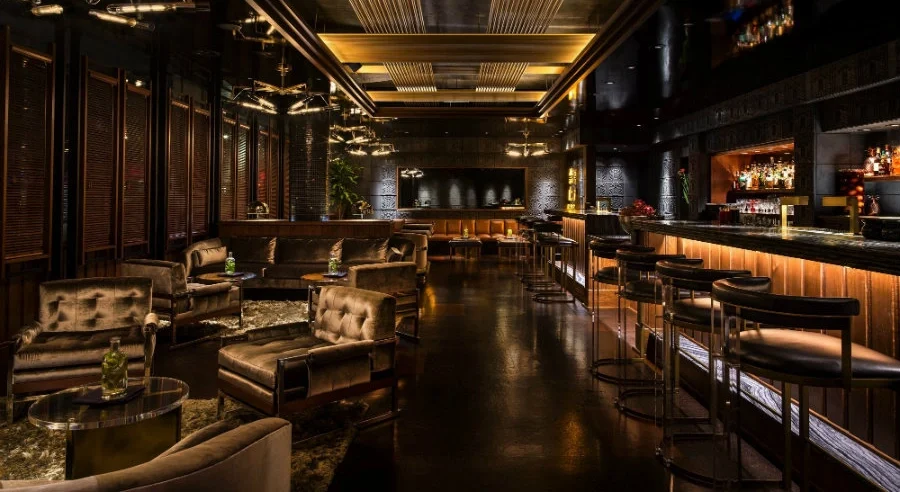
Cultural Narratives Embedded in Design
What distinguishes the world’s most iconic luxury restaurant design is narrative depth. These interiors tell stories—of place, heritage, or philosophy—without overt theming. The narrative is embedded in proportion, material choice, and spatial rhythm.
In Asia, restraint and negative space often reflect philosophical values. In Europe, historical references are reinterpreted through contemporary craftsmanship. In the Middle East, hospitality rituals inspire generous layouts and layered textures.
Such narratives elevate beautiful restaurant interiors beyond trend, positioning them as cultural artifacts.
Acoustics and Atmosphere: The Invisible Ritual
True luxury is felt as much as it is seen. Acoustics play a critical yet often overlooked role in fine dining design trends. Soft surfaces, spatial buffers, and ceiling treatments ensure conversations remain private and ambient noise remains controlled.
The result is an atmosphere that feels calm, focused, and emotionally generous—an essential quality for high-end dining environments.
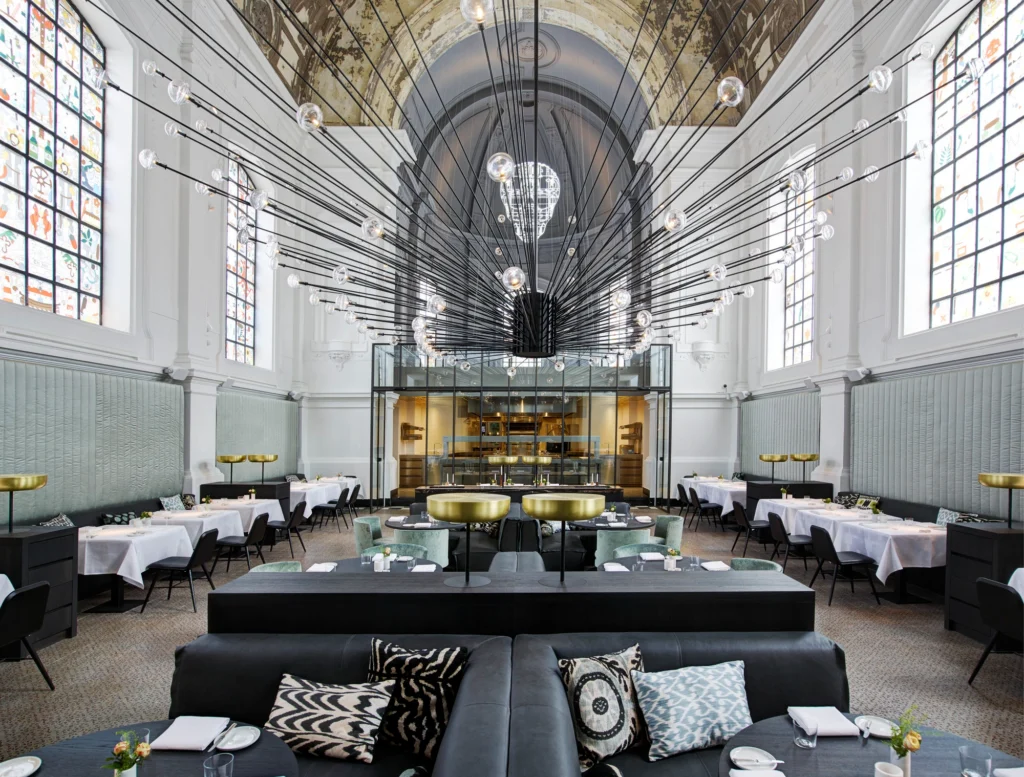
Sustainability as a New Luxury Ritual
Today’s luxury restaurant design increasingly integrates sustainability not as a statement, but as a quiet ritual of responsibility. Durable materials, local sourcing, and energy-efficient systems reflect a shift in how luxury is defined.
For discerning guests, sustainability enhances rather than detracts from the perception of quality. It signals foresight, intelligence, and cultural relevance—key values in contemporary beautiful restaurant interiors.
Designing Memory Through Ritual
The most extraordinary luxury restaurants endure not because of novelty, but because of memory. Through carefully considered rituals—of arrival, seating, lighting, and materiality—designers craft environments that linger long after the final course.
As fine dining design trends continue to evolve, one principle remains constant: meaningful design is never accidental. In the hands of visionary architects and interior designers, luxury restaurant design becomes a quiet yet powerful form of cultural expression, shaping how the world dines, gathers, and remembers.