Few cities influence global design culture as strongly as Los Angeles. The city blends architecture, art, landscape design, and luxury residential living in a way that few places in the world can match. For interior designers, architects, furniture brands, and luxury design studios, exploring the most important destinations in Los Angeles offers a unique opportunity to experience cutting-edge creativity alongside historic architectural heritage.
From iconic modernist homes to world-renowned museums and experimental cultural spaces, Los Angeles provides an immersive design landscape that continues to shape global design trends.
Below are some of the most influential design destinations in Los Angeles that every design professional should experience.
The Getty Center: Architecture Meets Landscape
One of the most remarkable cultural landmarks in Los Angeles is the Getty Center, designed by renowned architect Richard Meier. Located in the hills above the city, the complex stands as a masterclass in architectural composition, material precision, and landscape integration.
The campus features a series of pavilions built with Italian travertine and white metal panels, arranged along terraces that overlook the city and the Pacific Ocean. Carefully designed circulation routes guide visitors through galleries, gardens, and plazas while framing panoramic views of the surrounding landscape.
For architects and designers, the Getty Center demonstrates how large cultural institutions can balance monumental architecture with human-scale experience. The project also highlights the power of material consistency in creating a recognizable architectural identity.
The Eames House: Mid-Century Modern Innovation
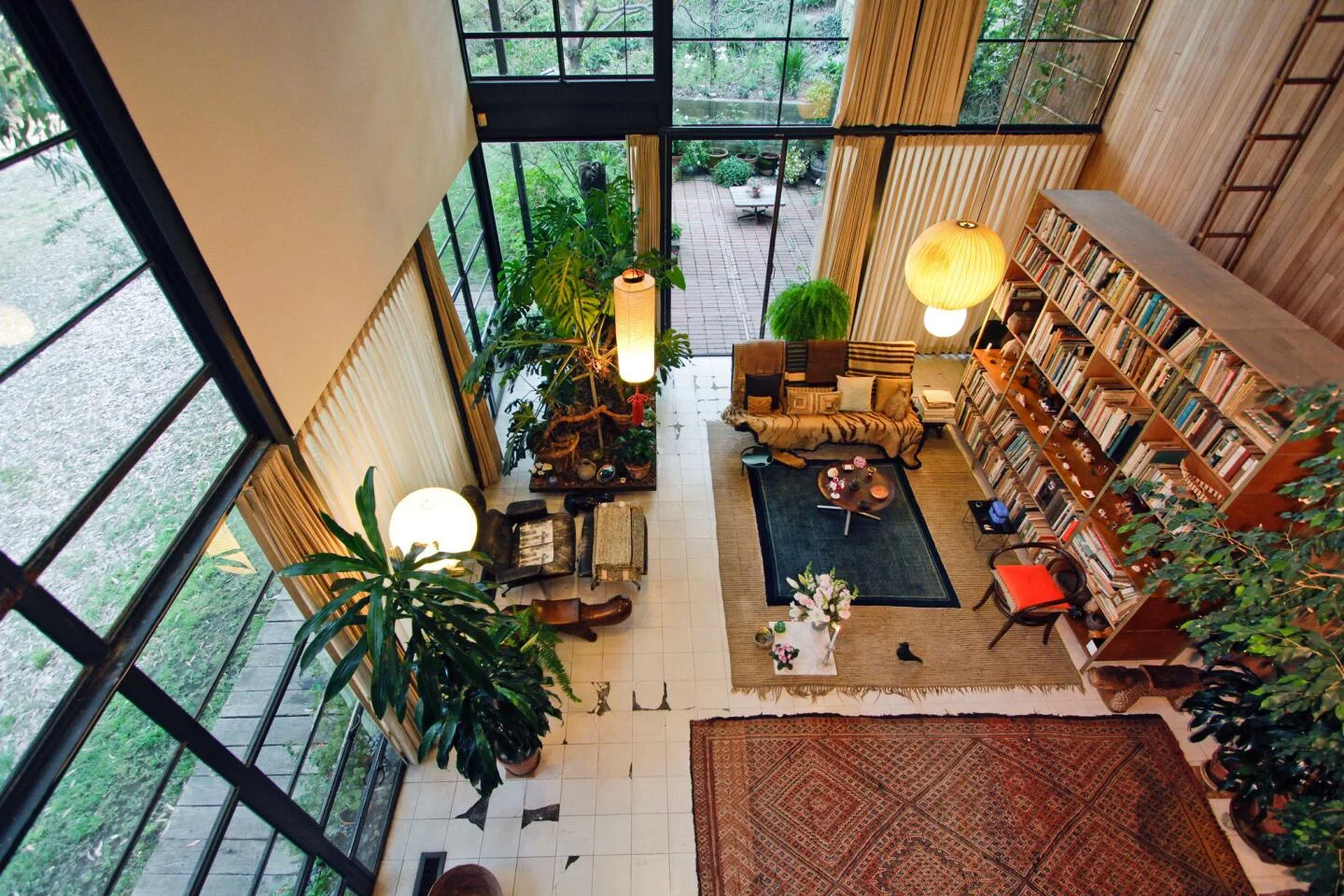
Among the most influential Destinations in Los Angeles for design professionals is the Eames House, also known as Case Study House No. 8. Designed by legendary designers Charles Eames and Ray Eames, the residence remains one of the most celebrated examples of mid-century modern architecture.
Completed in 1949 as part of the Case Study House program, the home introduced a new approach to residential design. The structure uses a steel frame combined with prefabricated industrial materials, creating a flexible and efficient living space.
The interior reflects the Eames philosophy of playful modernism. Furniture prototypes, art objects, and everyday items coexist within a vibrant and highly personal environment. For interior designers and furniture brands, the house illustrates how architecture and product design can merge seamlessly within a residential space.
Hollyhock House: Frank Lloyd Wright in Los Angeles
Another essential architectural landmark among the design destinations in Los Angeles is Hollyhock House, designed by iconic architect Frank Lloyd Wright.
Built between 1919 and 1921 for arts patron Aline Barnsdall, the residence reflects Wright’s early exploration of what he called “California Romanza.” The design incorporates geometric ornamentation inspired by the hollyhock flower, which appears throughout the building’s decorative elements.
The house integrates interior and exterior spaces through terraces, courtyards, and open circulation areas. Wright’s use of horizontal lines and sculptural concrete forms also anticipated many aspects of modern residential architecture.
For contemporary architects, Hollyhock House provides valuable insight into the evolution of early modernist thinking in the United States.
Los Angeles County Museum of Art (LACMA)
No list of major design destinations in Los Angeles would be complete without the Los Angeles County Museum of Art, widely known as LACMA.
As the largest art museum in the western United States, LACMA hosts an extensive collection that spans centuries of global artistic production. The campus also features several architectural landmarks that attract designers and architects from around the world.
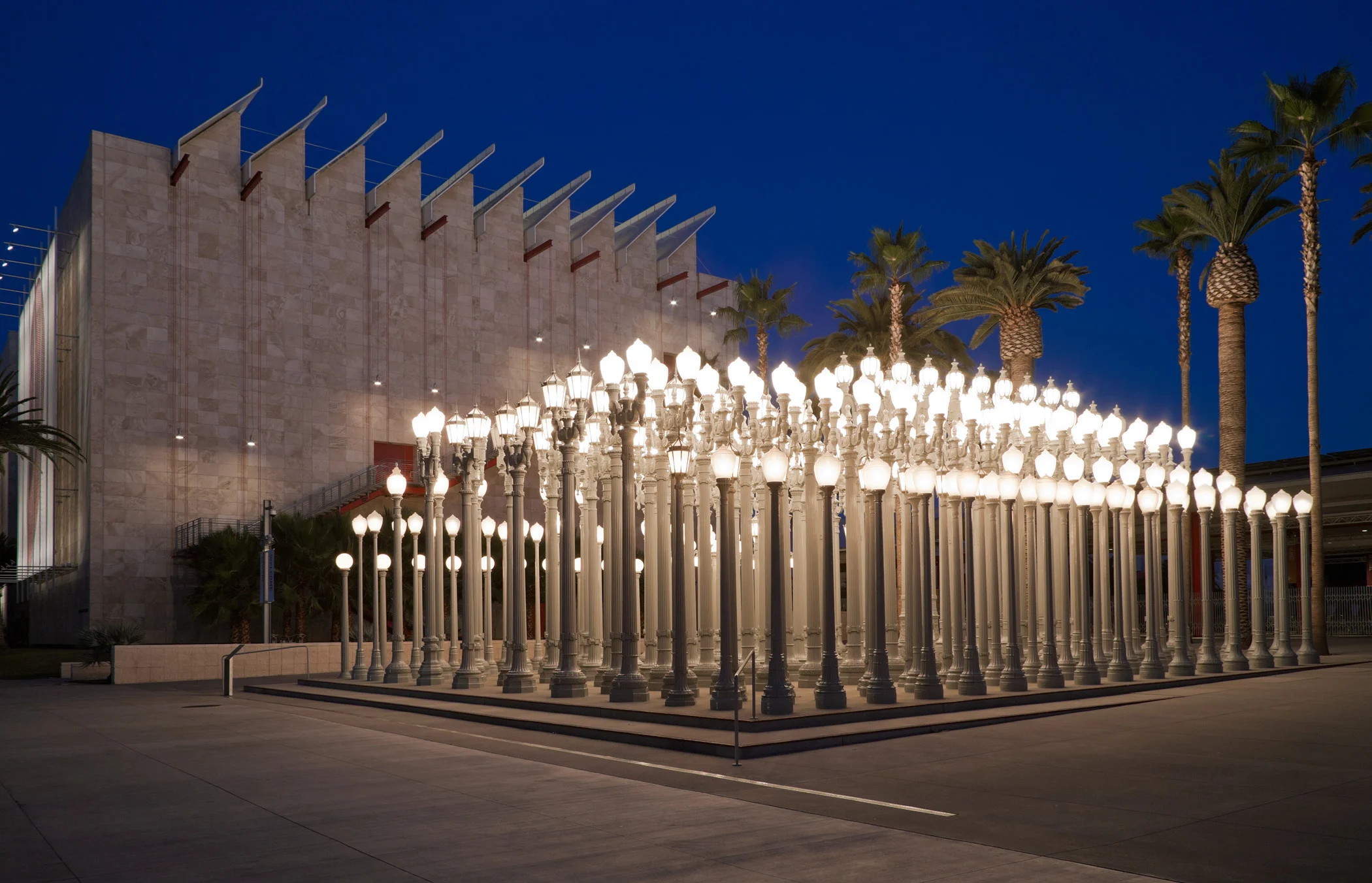
Perhaps the most recognizable installation is Urban Light by artist Chris Burden, a field of restored historic street lamps arranged in a geometric grid. The installation demonstrates how public art can transform urban space while creating an iconic visual identity for a cultural institution.
The museum continues to evolve through new architectural developments, reinforcing its role as a dynamic design hub.
The Broad: Contemporary Art and Bold Architecture
Another important cultural destination is The Broad, a contemporary art museum designed by the architecture firm Diller Scofidio + Renfro.
The building’s distinctive façade, often described as a “veil,” features a honeycomb-like structure that filters natural light into the gallery spaces. This innovative design strategy balances the need for daylight with the preservation requirements of contemporary artworks.
Inside, visitors encounter large-scale installations and works by some of the most influential artists of the past several decades. For architects and designers, The Broad illustrates how architecture can create a dramatic urban presence while supporting the functional needs of a museum.
The Stahl House: Icon of Modern Residential Architecture
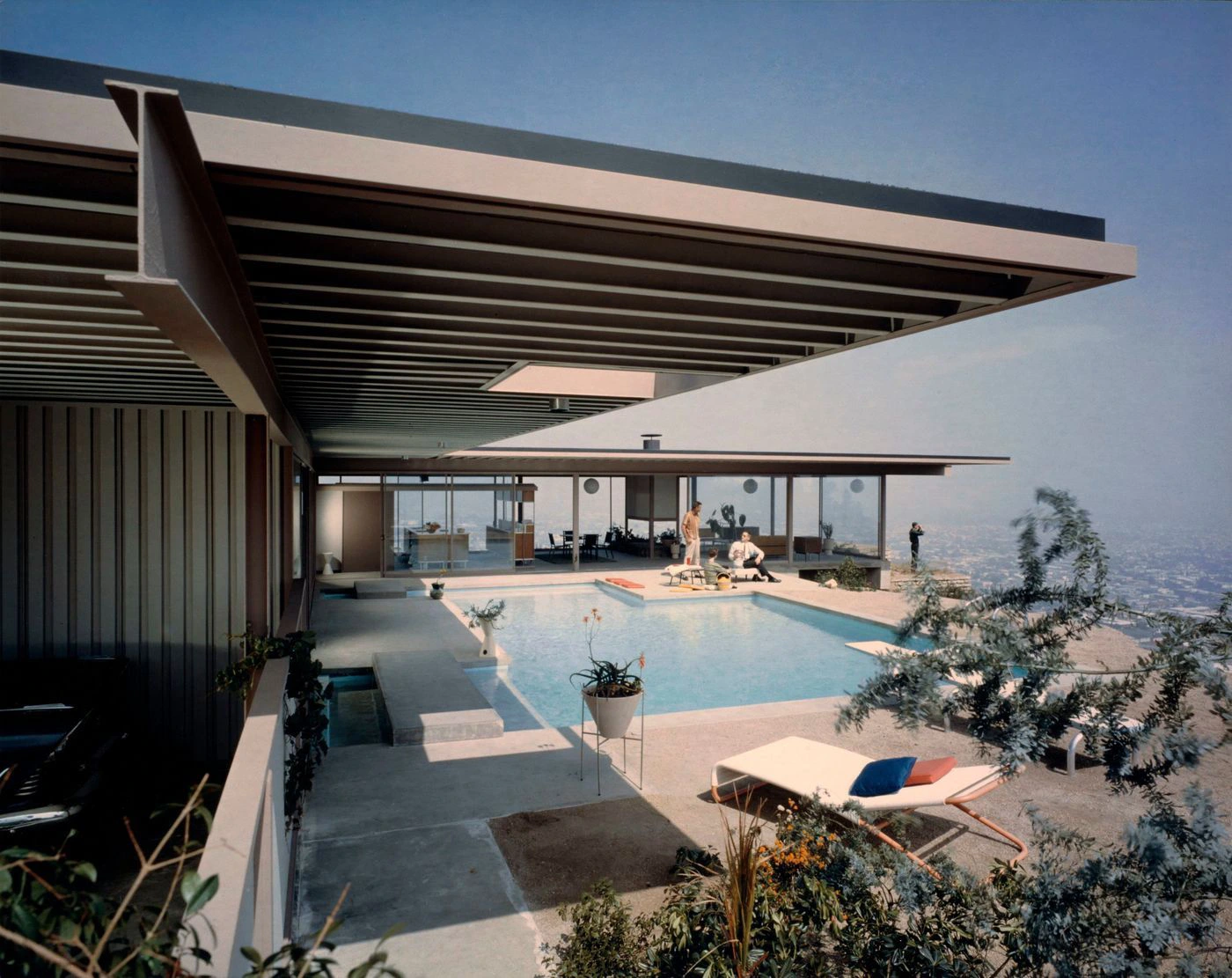
Few private residences represent Los Angeles modernism as clearly as the Stahl House, also known as Case Study House No. 22.
Designed by architect Pierre Koenig in 1960, the house sits dramatically on a hillside overlooking the Los Angeles basin. Its minimalist steel-and-glass structure creates a transparent living environment that blurs the boundaries between interior space and the surrounding cityscape.
The residence gained international fame through photographs by architectural photographer Julius Shulman, which captured the house’s dramatic nighttime views.
For interior designers and architects, the Stahl House represents the ultimate expression of modernist residential living.
Luxury Residential Neighborhoods as Design Laboratories
Beyond its cultural landmarks, Los Angeles also offers some of the most innovative luxury residential architecture in the world. Neighborhoods such as Beverly Hills, Bel Air, and the Hollywood Hills serve as laboratories for high-end architectural experimentation.
Developers and architects frequently collaborate on custom homes that combine advanced engineering, sustainable design strategies, and bespoke interiors.
Many luxury residences feature:
- Large glass façades with panoramic city views
- Indoor–outdoor living spaces
- Custom furniture and art collections
- Landscape architecture integrated with hillside terrain
These projects provide inspiration for design professionals seeking innovative residential concepts, and aslo result in some of the most attractive destinations in Los Angeles.
Why Los Angeles Remains a Global Design Destination
The diversity of design experiences makes Los Angeles one of the most important cultural and architectural capitals in the world. Few cities offer such a wide spectrum of influences—from early modernist experimentation to contemporary museum architecture and ultra-luxury residential design.
For interior designers, furniture brands, and architects, exploring the most influential Destinations in Los Angeles provides valuable insight into evolving design trends, material innovation, and the integration of art and architecture.
As the city continues to attract international creatives and visionary developers, Los Angeles will likely remain a central stage for architectural innovation and luxury residential design for decades to come.