Design Authorship has become a central topic of debate within the modern luxury real estate and global travel sectors. In previous decades, urban developments and boutique hotels frequently relied on mass-produced, anonymous furniture collections to fill their public spaces.
Today, however, sophisticated global travelers and premium property developers actively demand original, signature urban pieces that carry a distinct artistic identity. This major shift redefines how we evaluate the commercial and cultural worth of high-end interior architecture. Because these custom street furniture designs, premium lobby benches, and lighting sculptures require extensive creative research, they possess immense legal value. Therefore, protecting original concepts has become an absolute necessity for preserving the future of international design.
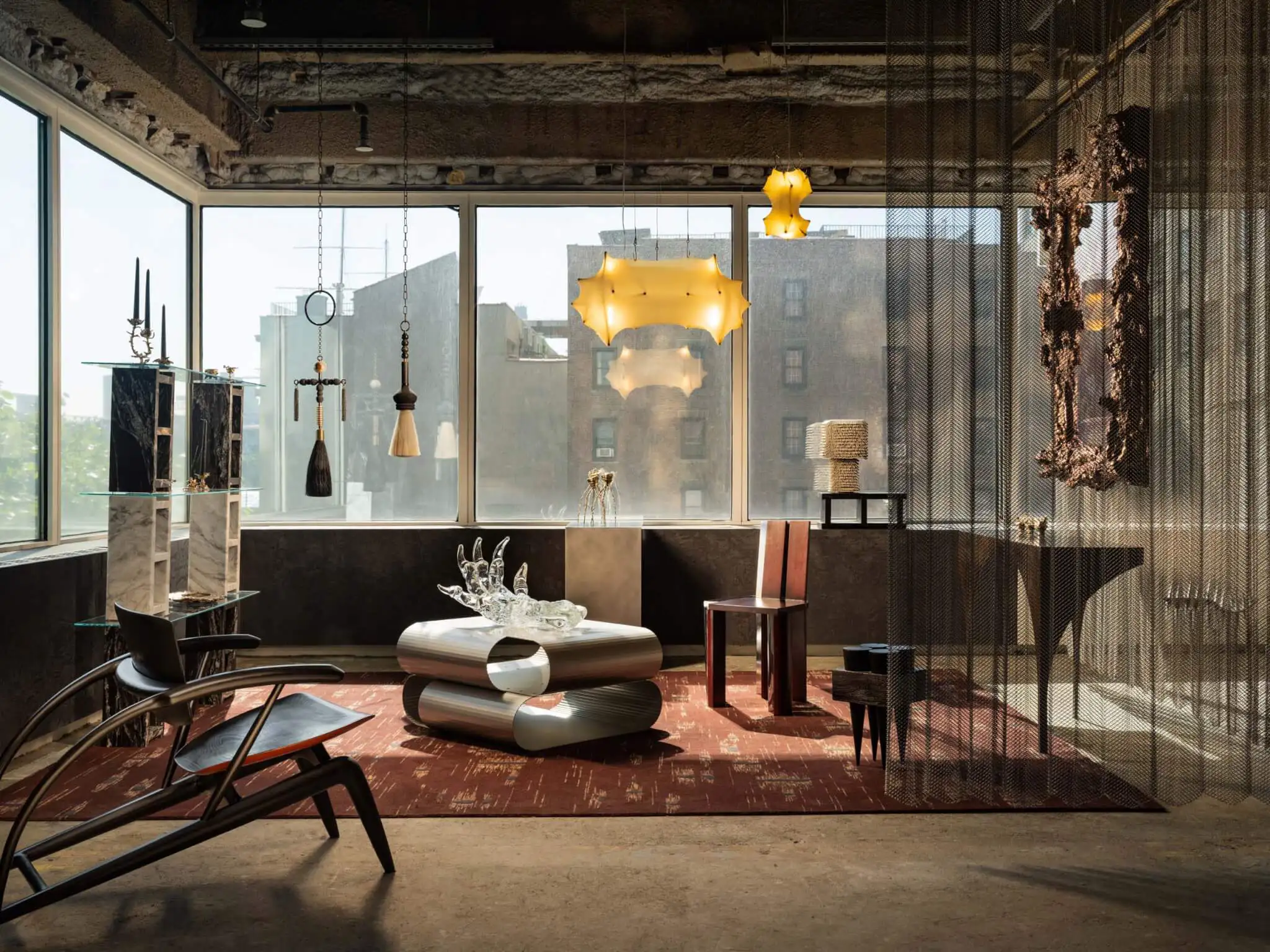
The True Premium of Creative Originality
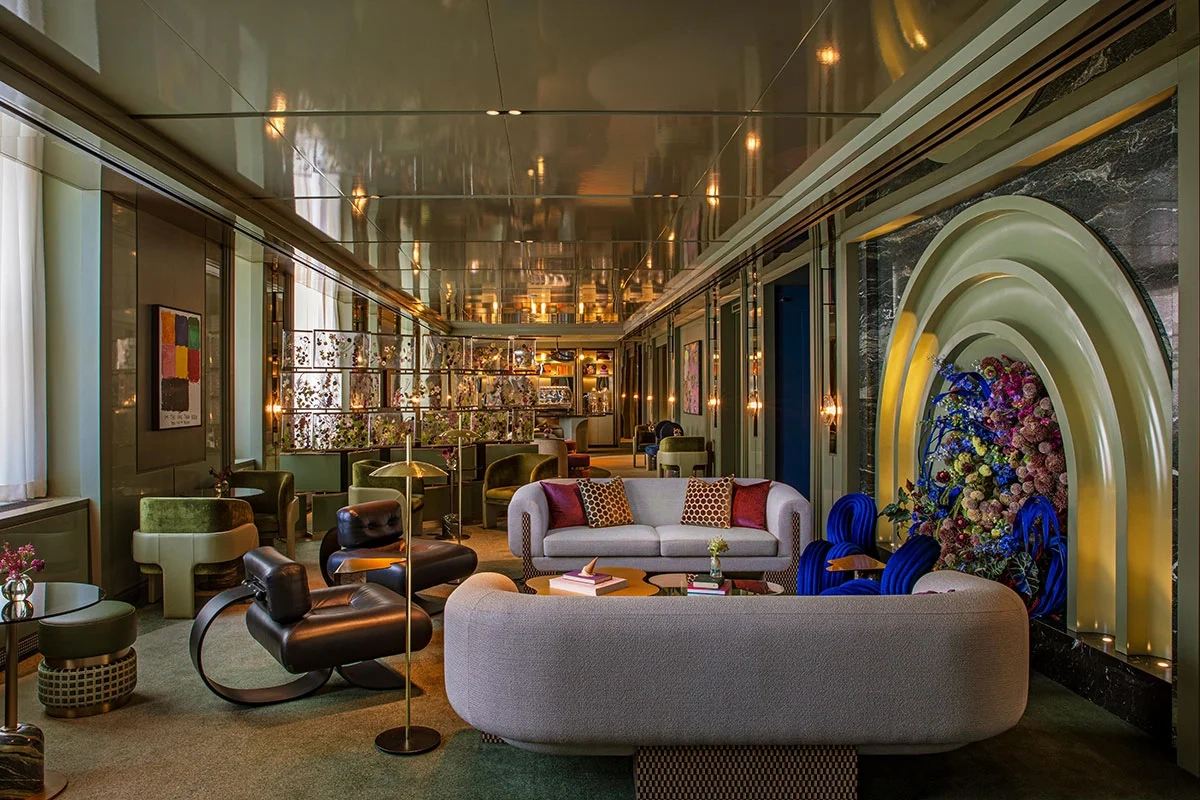
In the elite hospitality market, unique furniture serves as a primary driver for brand recognition and customer loyalty. Discerning guests easily distinguish between authentic architectural masterworks and cheap, unoriginal layout formulas during their global journeys.
Consequently, generic environments fail to establish a memorable emotional connection or a distinct sense of place. This lack of artistic depth devalues the luxury travel experience, reducing the property’s competitive edge. For that reason, world-class urban retreats must invest heavily in exclusive pieces that tell a profound story. Securing original creations guarantees that an establishment maintains its elite market positioning for decades.
Rising Vulnerabilities in Digital Portfolios
However, the high visibility of modern digital showcases introduces severe plagiarism risks for independent industrial architects. High-end urban furniture and interior concepts are frequently photographed, shared on design platforms, and cataloged by global copycat industries.
As a result, low-cost manufacturers often replicate these custom shapes and structural innovations without obtaining proper legal permission. This unauthorized copying completely dilutes the luxury market exclusivity of the original design project. Moreover, it directly damages the financial standing and professional reputation of the pioneering studio. Without immediate copyright strategies, these highly specialized technical blueprints remain completely exposed to global exploitation.
Implementing Copyright Security for Urban Objects
To defend their business models, forward-thinking industrial designers are now utilizing advanced copyright frameworks to protect structural objects. While standalone decor elements can be difficult to monopolize, securing a complete furniture concept is highly achievable with a proactive legal plan. Design Authorship can be officially registered when a studio documents the precise combination of geometric lines, raw material mixtures, and custom utility assets as a single artistic expression. This comprehensive legal registration builds an undeniable barrier against copycat manufacturing corporations. Ultimately, it allows creators to maintain absolute control over their signature urban statements.
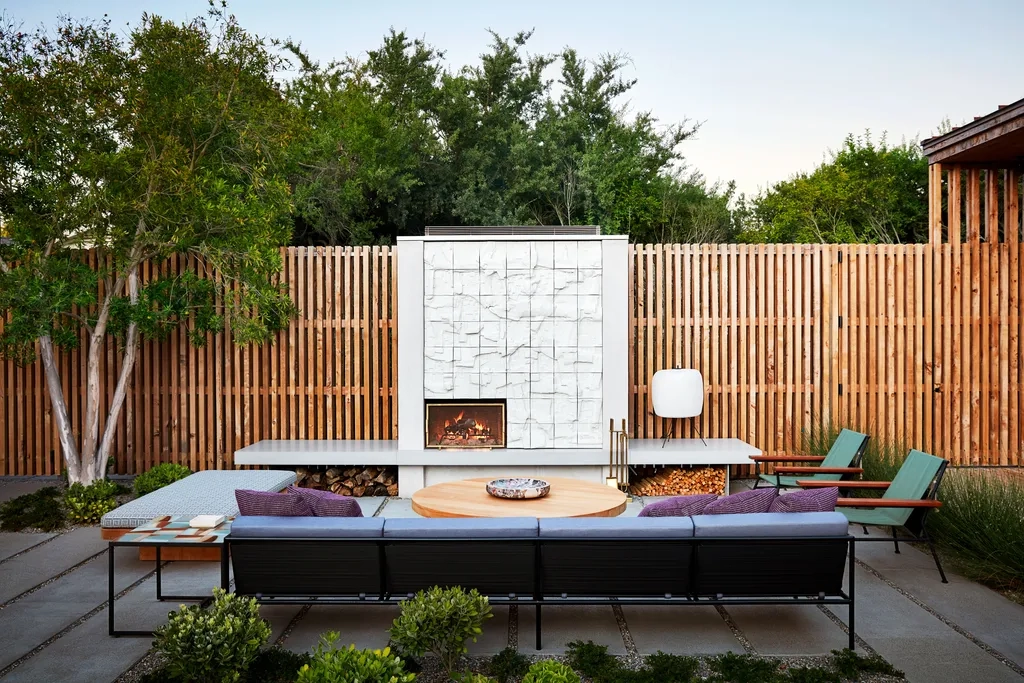
Empowering Design Studios in Commercial Negotiations
Providing creative firms with a structured portfolio of registered spatial assets completely changes their leverage in the international marketplace. When a studio legally owns its behavioral design formulas, it can negotiate commercial partnerships from a position of absolute strength. This autonomy allows creators to license their high-end urban pieces to boutique hospitality brands or premium developers on their own strict terms. Therefore, they can secure fair royalties while successfully preventing the corporate misappropriation of their creative concepts. Legal protection successfully transforms creative architectural ideas into tangible, enforceable business equity.
The Role of International Exhibitions in Preserving Integrity
Global design exhibitions are essential platforms for introducing these protected, original concepts to affluent international buyers and collectors. For instance, prominent events like Milan Design Week allow studios to showcase physical prototypes of enduring, sustainable urban furniture. When managed correctly, these exhibitions highlight the verified legal authorship behind the eco-luxury pieces on display.
They do not merely present the architecture as a passing seasonal trend. Highlighting the intellectual property rights behind Design Authorship at global fairs raises consumer awareness significantly. It builds a premium marketplace that rewards true structural innovation over cheap imitation.
Balancing Contemporary Luxury with Ancestral Wisdom
Integrating modern luxury demands into historic public spaces requires a delicate balance between new engineering and ancestral craftsmanship. Many creators look to historic European layouts, such as classic ironwork or traditional stone carving, to achieve visual permanence. In addition, they must respect the cultural roots of these spatial traditions. This respectful, collaborative approach allows contemporary urban structures to evolve naturally without destroying the cultural fabric of the space. Consequently, environments adopt advanced sustainable technologies without losing their grounding, human-centric essence. When protected by clear trade secret agreements, these hybrid construction methods become invaluable corporate assets.
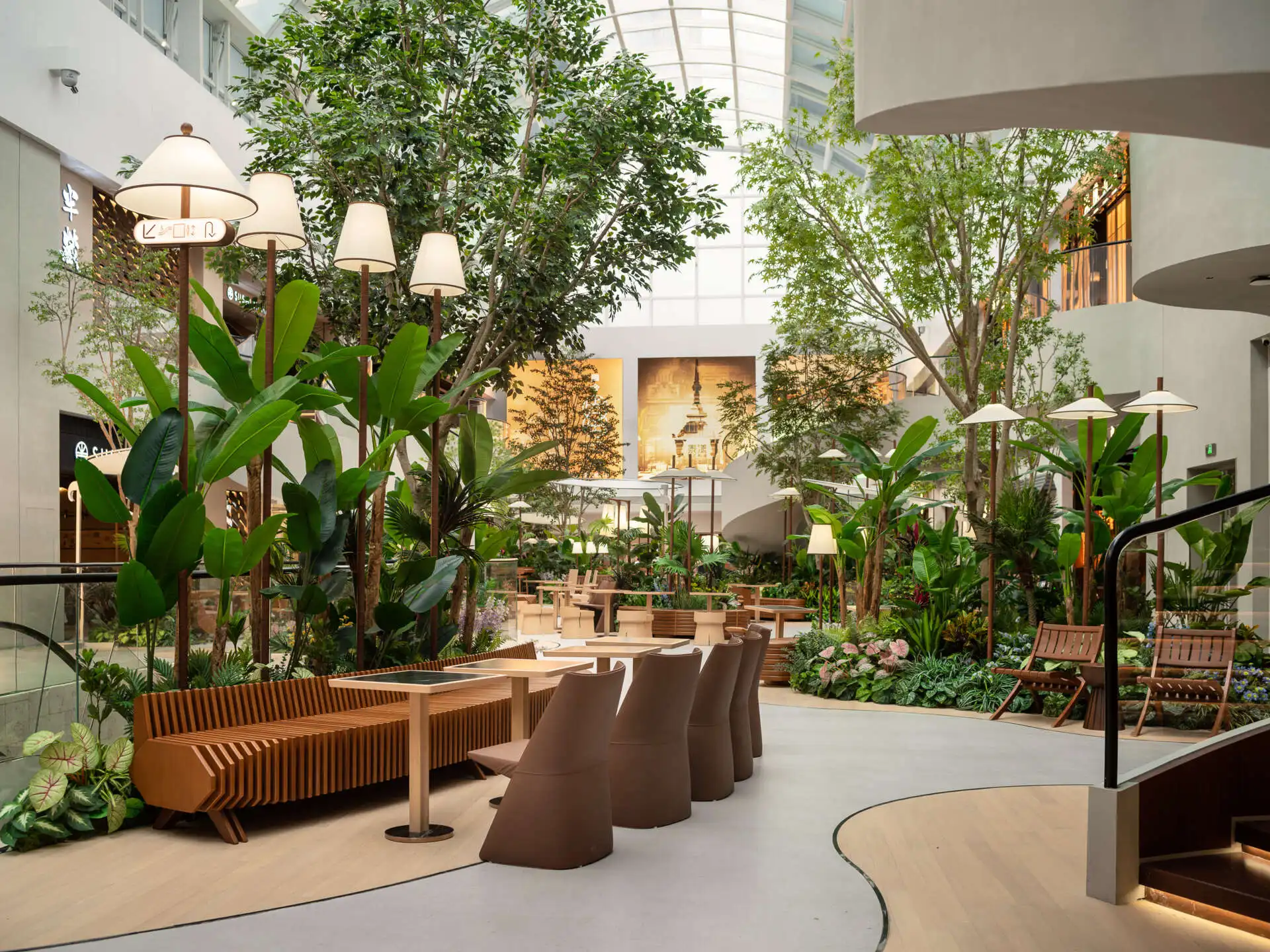
Sustaining the Global Slow Design Movement
The legal preservation of unique public objects is deeply connected to the global rise of the slow design movement. This architectural shift champions environmental sustainability, low-impact construction, and the protection of natural materials like certified metals and regional stone. By investing in properties designed specifically to endure for generations, affluent buyers actively support environmental preservation.
This conscious choice reduces industrial waste. Furthermore, it establishes a more meaningful, permanent connection with our domestic and urban surroundings. Legal protections guarantee that creating these deep architectural sanctuaries remains a highly respected and profitable career path for future generations.
Conclusion: Securing the Future of Creation
In conclusion, treating the design of our urban environments as a protected intellectual asset is essential for the future of global design. When intellectual property laws and strict copyright frameworks shield Design Authorship, they secure the financial survival of creative visionaries. Concurrently, they maintain a high standard of design authenticity within the international real estate market. Prioritizing legal safety allows the luxury design industry to push creative boundaries ethically and with absolute confidence. Ultimately, defending the rights of the spatial author ensures that our cities and hospitality destinations will continue to inspire, protect, and connect us for centuries to come.