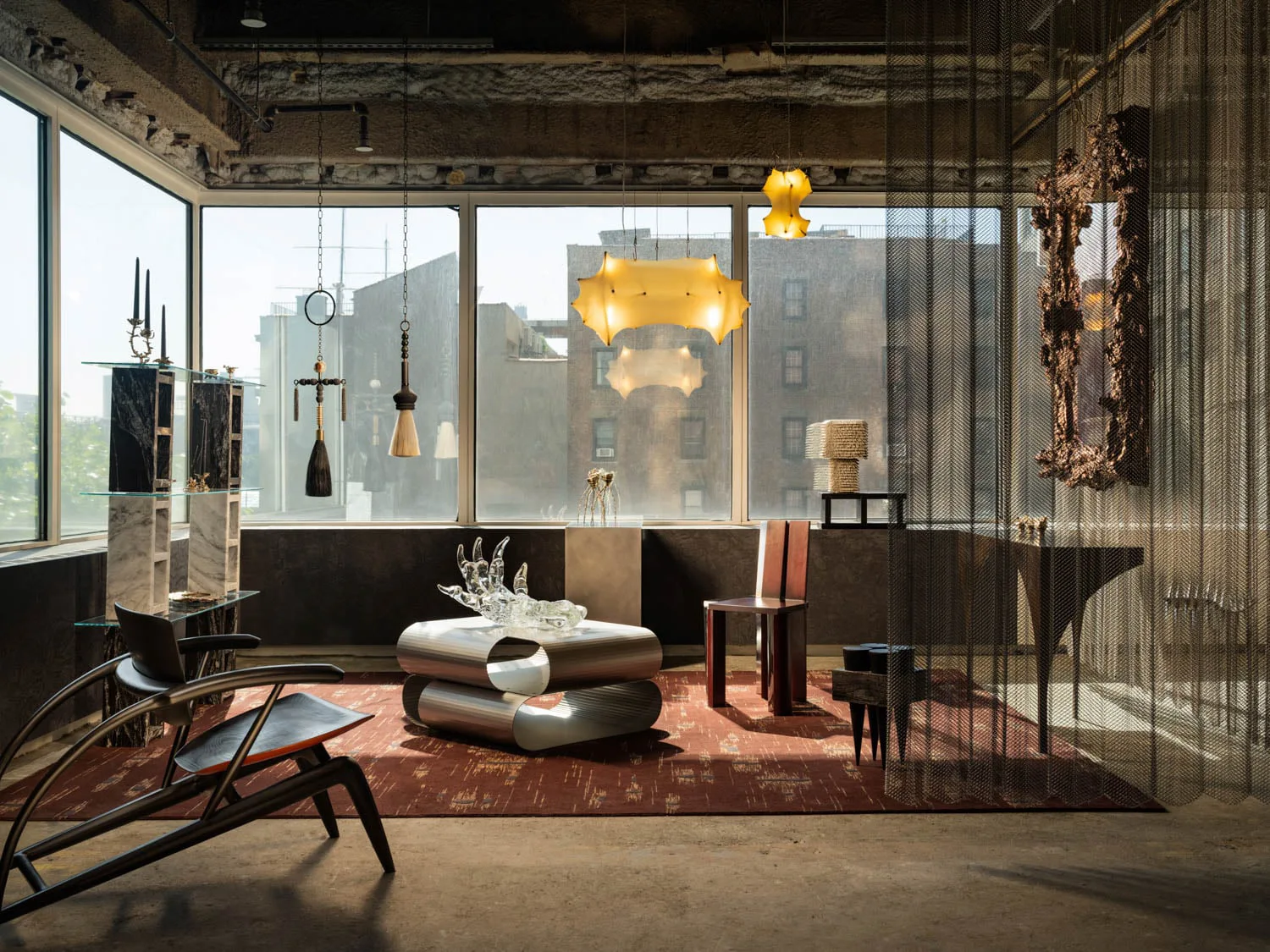

The concept of collectible design has gained significant traction in luxury interior spaces, redefining how furniture and objects are perceived. No longer limited to functionality, design pieces are now valued as works of art with cultural and financial significance.
For interior designers and architects, this shift introduces new opportunities to curate spaces that are both visually compelling and investment-driven. Collectible design allows interiors to transcend traditional boundaries, creating environments that reflect individuality, exclusivity, and a deep appreciation for craftsmanship and artistic expression.
Key Characteristics of Collectible Design
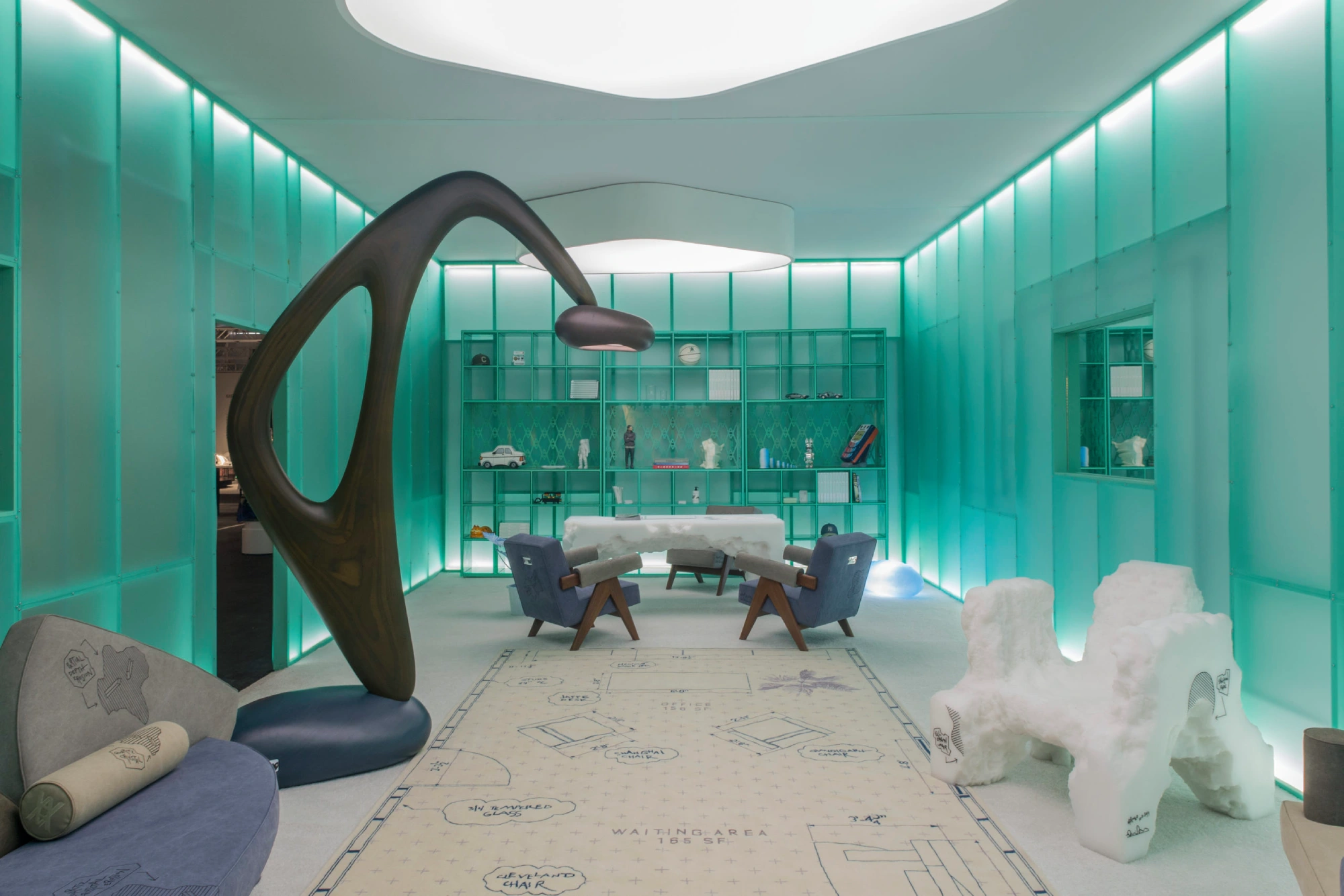
Collectible design is defined by several distinctive attributes:
- Limited-edition or one-of-a-kind pieces
- High level of craftsmanship and detailing
- Strong conceptual or artistic narratives
- Use of rare or innovative materials
- Collaboration with galleries and collectors
- Long-term value as design investments
These features position collectible design as a key element in luxury interiors.
The Influence of Art on Interior Design
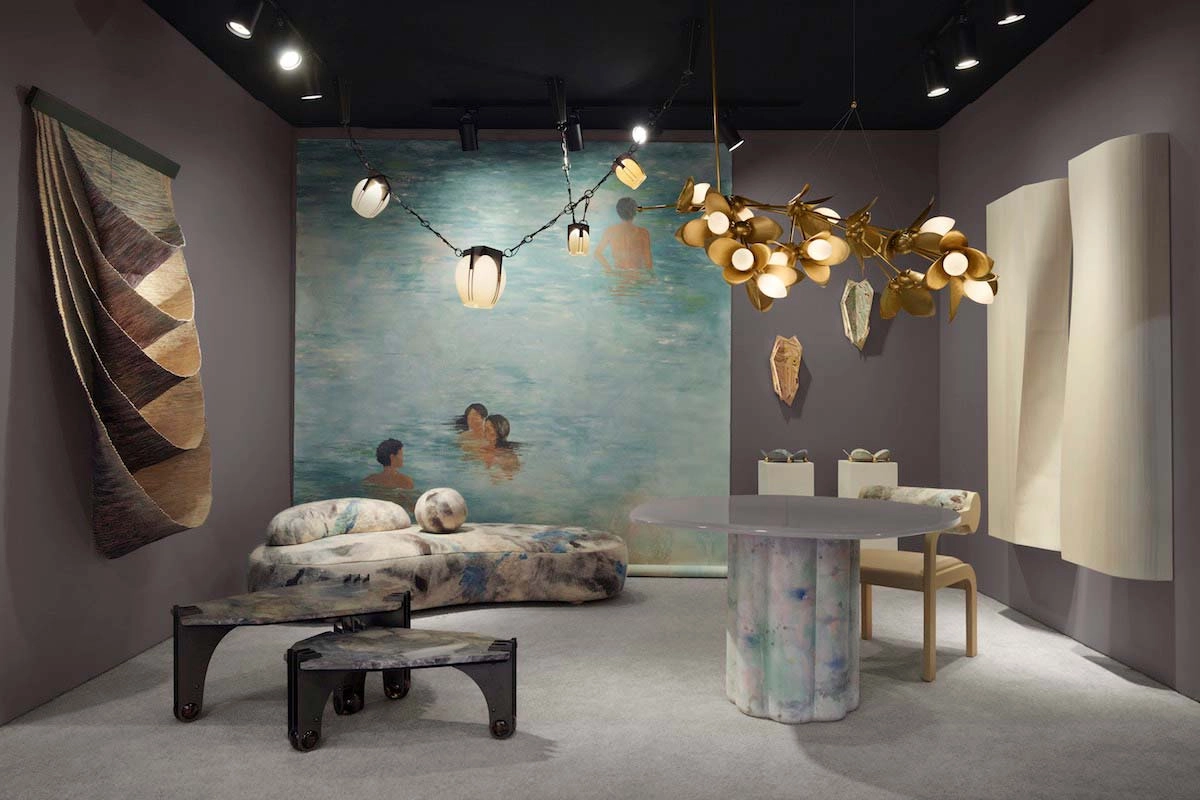
The rise of collectible design is closely tied to the growing intersection between art and interior design. Designers are increasingly drawing inspiration from contemporary art, creating furniture that functions as sculptural pieces.
This approach transforms interiors into curated environments where each object contributes to a larger narrative. By incorporating collectible pieces, designers elevate the aesthetic and cultural value of a space. The integration of art and design reflects a broader trend toward personalization and storytelling in luxury interiors.
How Art Shapes Collectible Design
The relationship between art and design is expressed through:
- Sculptural furniture acting as focal points
- Abstract forms inspired by contemporary art
- Use of color and texture as artistic elements
- Collaboration with artists and galleries
- Emphasis on narrative and concept
- Creation of immersive, gallery-like interiors
These elements define the artistic dimension of collectible design.
The Role of Design Fairs and Galleries
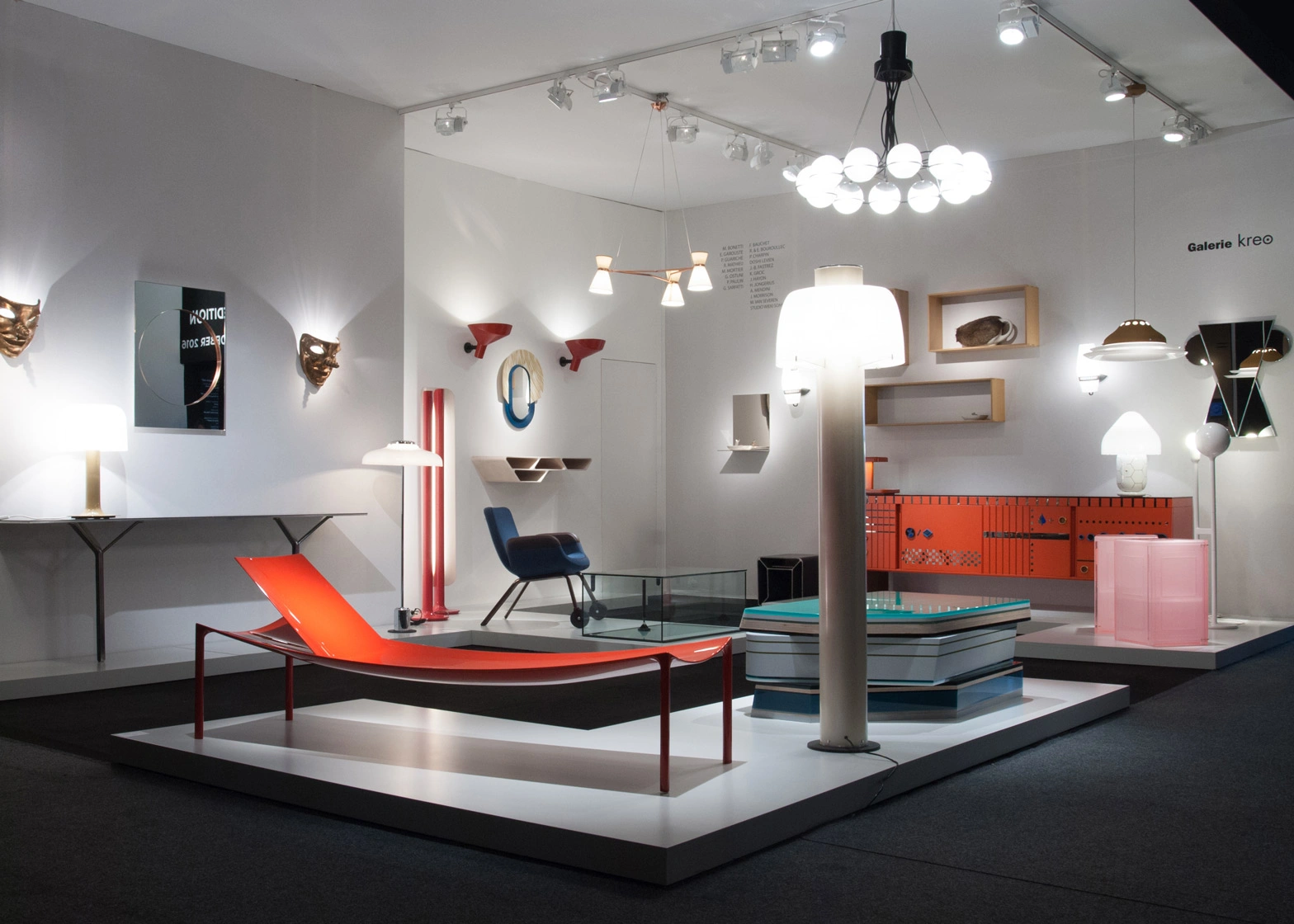
International design fairs and galleries play a crucial role in promoting collectible design. Events such as Design Miami, PAD Paris, and Milan Design Week provide platforms for designers to showcase limited-edition pieces.
These venues connect designers with collectors, investors, and industry professionals, driving demand for collectible furniture. Galleries, in particular, curate collections that highlight innovation and craftsmanship. For interior designers, these events are essential for discovering unique pieces that can enhance high-end projects.
Key Platforms for Collectible Design
Major venues supporting collectible design include:
- International design fairs showcasing emerging talent
- Galleries specializing in limited-edition furniture
- Auction houses promoting design as investment
- Private exhibitions and curated installations
- Online platforms expanding global reach
- Collaborations between designers and brands
These platforms drive the growth of collectible design.
Material Innovation and Craftsmanship
Material experimentation is central to the evolution of collectible design. Designers are pushing the boundaries of traditional materials, combining them with modern technologies to create unique pieces.
Craftsmanship remains a defining element, with many collectible designs emphasizing handmade techniques and artisanal processes. This focus on quality and innovation enhances the value of each piece. For luxury interiors, materiality becomes a key factor in creating depth, texture, and a sense of exclusivity.
Materials Commonly Used in Collectible Design
Designers often incorporate:
- Rare stones such as marble and onyx
- High-quality woods with unique grain patterns
- Metals like bronze, brass, and steel
- Glass and resin for transparency and light effects
- Textiles with rich textures and finishes
- Experimental composites for innovative forms
These materials define the tactile richness of collectible design.
Personalization and Storytelling in Interiors
One of the most compelling aspects of collectible design is its ability to tell a story. Each piece carries a narrative, whether through its design concept, material choice, or craftsmanship.
For interior designers, this creates an opportunity to curate spaces that reflect the client’s identity and values. Collectible design enables a level of personalization that goes beyond standard furnishings, resulting in interiors that feel unique and meaningful. This narrative-driven approach is increasingly valued in luxury residential and hospitality projects.
Ways to Incorporate Storytelling
Designers often use:
- Curated collections of unique pieces
- Custom furniture tailored to client preferences
- Integration of cultural or historical references
- Layering of textures and materials
- Use of art and design as focal points
- Collaboration with designers and artisans
These strategies enhance the impact of collectible design.
The Investment Value of Collectible Design
Beyond aesthetics, collectible design is increasingly recognized as a valuable investment. Limited-edition pieces often appreciate over time, attracting collectors and investors.
This financial aspect adds another dimension to interior design, where furniture and objects can contribute to long-term value. For luxury clients, investing in collectible design offers both functional and economic benefits. Interior designers must consider this aspect when selecting pieces, ensuring that they align with both design goals and investment potential.
Factors Influencing Investment Value
Key considerations include:
- Designer reputation and recognition
- Rarity and exclusivity of the piece
- Quality of materials and craftsmanship
- Historical or cultural significance
- Market demand and trends
- Provenance and authenticity
These factors determine the value of collectible design.
Sustainability in Collectible Design
Sustainability is becoming increasingly important in collectible design, as designers and clients prioritize environmentally responsible practices.
Many collectible pieces are created with longevity in mind, using durable materials and timeless designs. This approach reduces waste and supports sustainable consumption. Additionally, the use of reclaimed materials and ethical sourcing practices enhances the appeal of collectible design. For luxury interiors, sustainability adds both ethical and aesthetic value.
Sustainable Approaches in Collectible Design
Common practices include:
- Use of reclaimed or recycled materials
- Ethical sourcing of natural resources
- Focus on durability and longevity
- Low-impact production processes
- Support for local artisans and craftsmanship
- Design for timeless appeal rather than trends
These practices shape the future of collectible design.
The Role of Technology in Design Innovation
Technology is transforming collectible design, enabling new forms and production methods. Digital tools allow designers to experiment with complex geometries and innovative materials.
Techniques such as 3D printing and parametric design are expanding the possibilities of furniture design. These advancements enhance both creativity and precision, allowing for highly customized pieces. For interior designers, technology-driven collectible design offers new opportunities to create unique and forward-thinking spaces.
Technological Tools in Collectible Design
Designers frequently use:
- 3D printing for prototyping and production
- Parametric design software for complex forms
- CNC machining for precision fabrication
- Virtual reality for design visualization
- Digital platforms for global collaboration
- Smart materials with adaptive properties
These tools are redefining collectible design.
The Future of Collectible Design in Luxury Interiors
The future of collectible design lies in its ability to adapt to changing cultural, technological, and environmental contexts. As demand for unique and meaningful interiors grows, collectible design will continue to play a central role.
Designers will increasingly focus on creating pieces that combine artistry, functionality, and sustainability. This evolution will further blur the boundaries between art and design, shaping the next generation of luxury interiors. For professionals in the field, staying engaged with collectible design is essential for innovation and differentiation.
Conclusion: A New Paradigm for Luxury Interiors
The rise of collectible design is transforming luxury interior spaces, offering a new paradigm where furniture is both functional and artistic. By integrating collectible pieces, designers can create interiors that are unique, expressive, and valuable.
For interior designers, architects, and luxury studios, embracing collectible design provides an opportunity to elevate projects and meet the evolving expectations of high-end clients. As this trend continues to grow, it will redefine how luxury interiors are conceived, curated, and experienced.