

Along the sunlit shores of Southern Europe, a quiet yet decisive architectural evolution is taking place. From the Côte d’Azur to the Italian and Spanish Rivieras, a new language of space, light, and materiality is redefining how luxury homes engage with their environment. Known as coastal modernism, this movement represents a sophisticated synthesis of modernist principles and Mediterranean sensibility—one that feels both timeless and deeply rooted in place.
In today’s Riviera luxury homes, architecture is no longer a statement imposed on the landscape, but a dialogue with it. Clean lines soften under the Mediterranean sun, interiors dissolve into terraces, and materials echo the hues of sea, stone, and sky. This refined approach to Mediterranean modern architecture speaks directly to an international audience of architects, designers, and high-net-worth individuals seeking homes that balance discretion, cultural depth, and contemporary comfort.
The Cultural Foundations of Coastal Modernism
To understand the rise of coastal modernism, one must first look beyond aesthetics to culture and climate. The Riviera has long been a crossroads of artistic experimentation, from early modernist villas to mid-century retreats designed for writers, painters, and industrialists drawn by light and leisure. Today’s luxury coastal architecture builds upon this legacy while responding to contemporary expectations of sustainability, privacy, and fluid living.
Unlike the stark international modernism of the 20th century, Mediterranean-inflected modernism is inherently humane. It embraces shade as much as sunlight, texture as much as form, and craftsmanship as much as innovation. In Riviera luxury homes, this translates into architecture that feels quietly confident rather than ostentatious.
Climate as a Design Intelligence
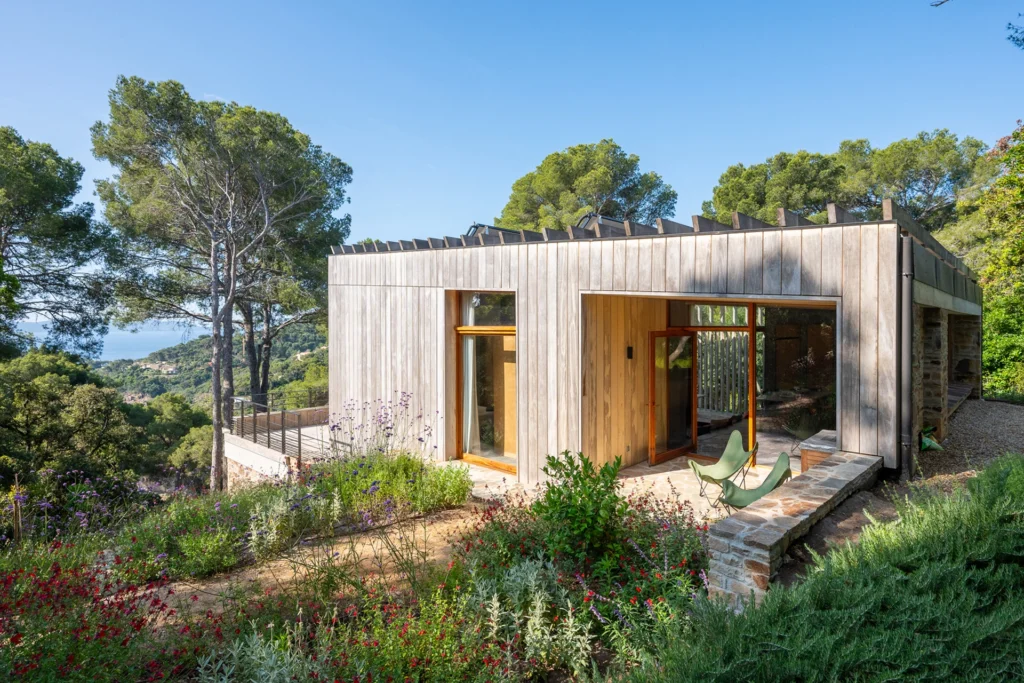
The Mediterranean climate is not merely a backdrop—it is a design driver. Coastal modernism prioritizes passive cooling, cross-ventilation, and solar orientation, drawing from vernacular traditions while applying modern technologies.
- Deep overhangs and pergolas that filter sunlight without blocking views
- Natural stone and lime-based finishes that regulate interior temperatures
- Indoor-outdoor continuity enabling year-round use of terraces and loggias
These strategies ensure that Mediterranean modern architecture remains both environmentally responsive and experientially luxurious.
Defining the Aesthetic Language of Riviera Coastal Modernism
Visually, coastal modernism is defined by restraint. Forms are architectural yet softened by proportion, texture, and landscape integration. In Riviera luxury homes, the emphasis is on harmony rather than spectacle.
Materiality: Honest, Local, Enduring
Material choices are central to the identity of luxury coastal architecture. Rather than exotic excess, designers favor authenticity and longevity—qualities that resonate with a global, design-literate clientele.
- Travertine, limestone, and local stone used in floors and façades
- Timber elements that introduce warmth and tactile contrast
- Minimal metal detailing in bronze or blackened steel for subtle definition
These materials age gracefully, reinforcing the sense that coastal modernism is designed to endure rather than impress momentarily.
Spatial Fluidity and the Disappearing Boundary
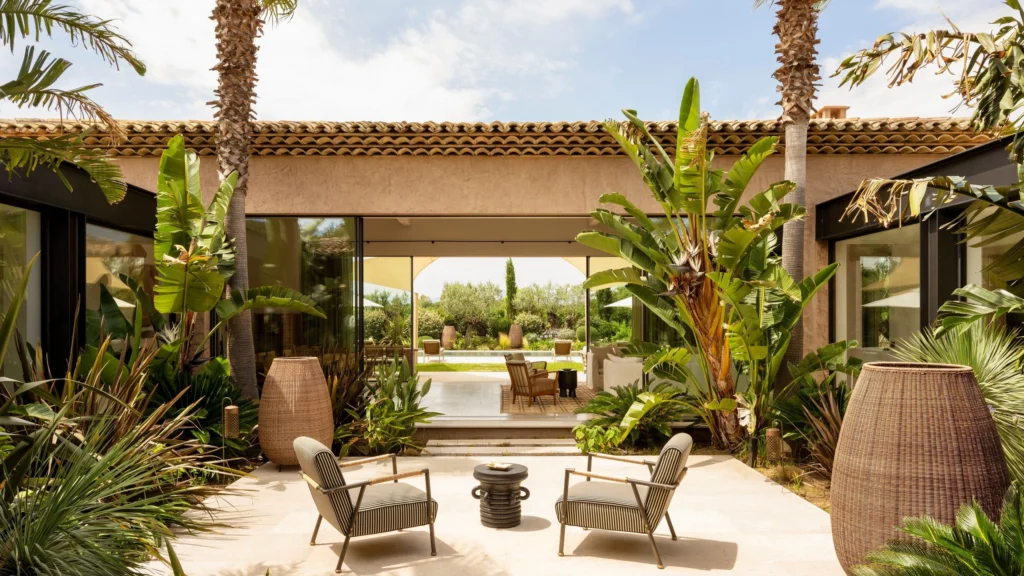
One of the hallmarks of Mediterranean modern architecture is the dissolution of boundaries between inside and outside. Floor-to-ceiling glazing, pocket doors, and continuous flooring systems allow interiors to extend seamlessly into the landscape.
In luxury coastal architecture, this fluidity is not about transparency alone, but about orchestrating views—framing the sea, capturing the horizon, and choreographing movement through space. The home becomes a series of experiences rather than a static object.
Interior Design: A Quiet Expression of Luxury
Inside Riviera luxury homes, coastal modernism manifests as an atmosphere rather than a style. Interiors are calm, layered, and intentionally understated, allowing architecture and context to take precedence.
A Palette Inspired by the Mediterranean
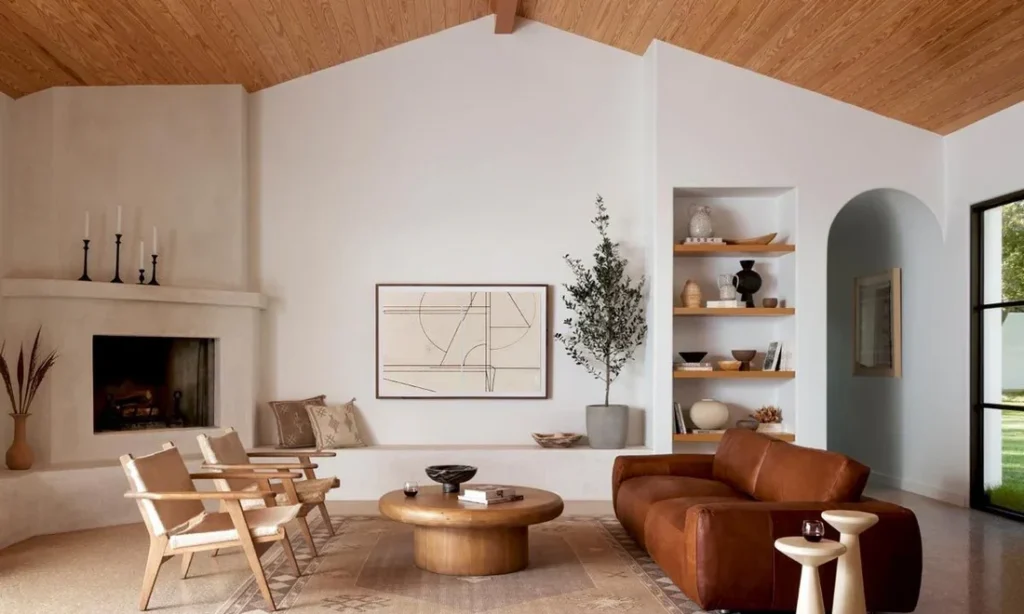
Color schemes draw directly from the surrounding environment. Soft whites, mineral greys, sand tones, and muted blues dominate, creating spaces that feel luminous without being stark.
- Textured plaster walls that catch natural light
- Stone and wood surfaces left largely untreated
- Custom furnishings with low profiles and sculptural clarity
This approach aligns coastal modernism with a broader shift toward sensory, emotionally resonant design.
Furniture as Architecture
In Mediterranean modern architecture, furniture is often conceived as an extension of the building itself. Built-in seating, integrated shelving, and bespoke tables reinforce spatial continuity and visual calm.
For brands and designers operating at the highest level, this convergence of architecture and interior design underscores the intellectual rigor behind luxury coastal architecture.
The Role of Landscape in Coastal Modernism
Landscape design is inseparable from the success of Riviera luxury homes. Coastal modernism treats the site as a living system, where architecture, vegetation, and topography coexist in balance.
Native Planting and Mediterranean Gardens
Rather than manicured lawns, contemporary luxury coastal architecture favors native and drought-resistant planting. Olive trees, cypress, rosemary, and lavender create landscapes that are both ecologically responsible and culturally resonant.
These gardens are not decorative backdrops; they are experiential spaces designed for movement, shade, and contemplation.
Sustainability as a New Luxury Standard
Sustainability is no longer an optional consideration in Mediterranean modern architecture—it is a defining criterion of quality. Coastal modernism integrates environmental responsibility without compromising elegance.
- Energy-efficient glazing and insulation
- Solar integration discreetly embedded in rooflines
- Water management systems adapted to coastal conditions
According to the Architectural Digest analysis on sustainable luxury homes, high-end buyers increasingly associate sustainability with long-term value and cultural relevance—an insight that directly informs Riviera luxury homes today.
Why Coastal Modernism Resonates with a Global Elite
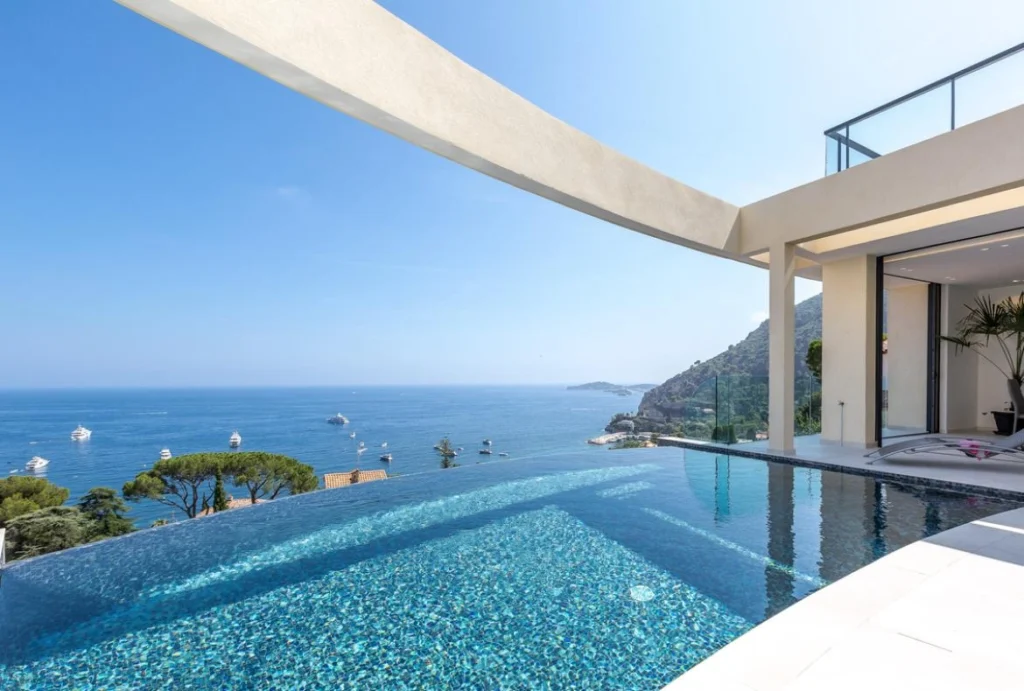
For international buyers, coastal modernism offers more than aesthetic appeal. It represents a lifestyle rooted in authenticity, discretion, and cultural intelligence. In a world saturated with visual noise, Mediterranean modern architecture provides clarity and calm.
These homes appeal to individuals who value design literacy and emotional connection over conspicuous display. Luxury coastal architecture, in this context, becomes a form of quiet cultural capital.
The Future of Riviera Luxury Homes
As the Riviera continues to evolve, coastal modernism is poised to remain its defining architectural language. The movement’s strength lies in its adaptability—its ability to absorb new technologies, evolving lifestyles, and environmental imperatives without losing its essence.
Future Riviera luxury homes will likely push further toward customization, craftsmanship, and site-specific design. Yet their core principles—clarity, connection, and respect for place—will remain unchanged.
The Takeaway
The rise of coastal modernism across the Riviera reflects a broader redefinition of luxury itself. No longer measured by scale or excess, luxury is now expressed through intelligence, restraint, and harmony with the natural world.
In Mediterranean modern architecture, and particularly within today’s Riviera luxury homes, we see a model for the future of high-end living—one where architecture is both globally relevant and profoundly local. For architects, designers, and discerning homeowners alike, luxury coastal architecture offers not just a place to live, but a way of living deeply attuned to its environment.